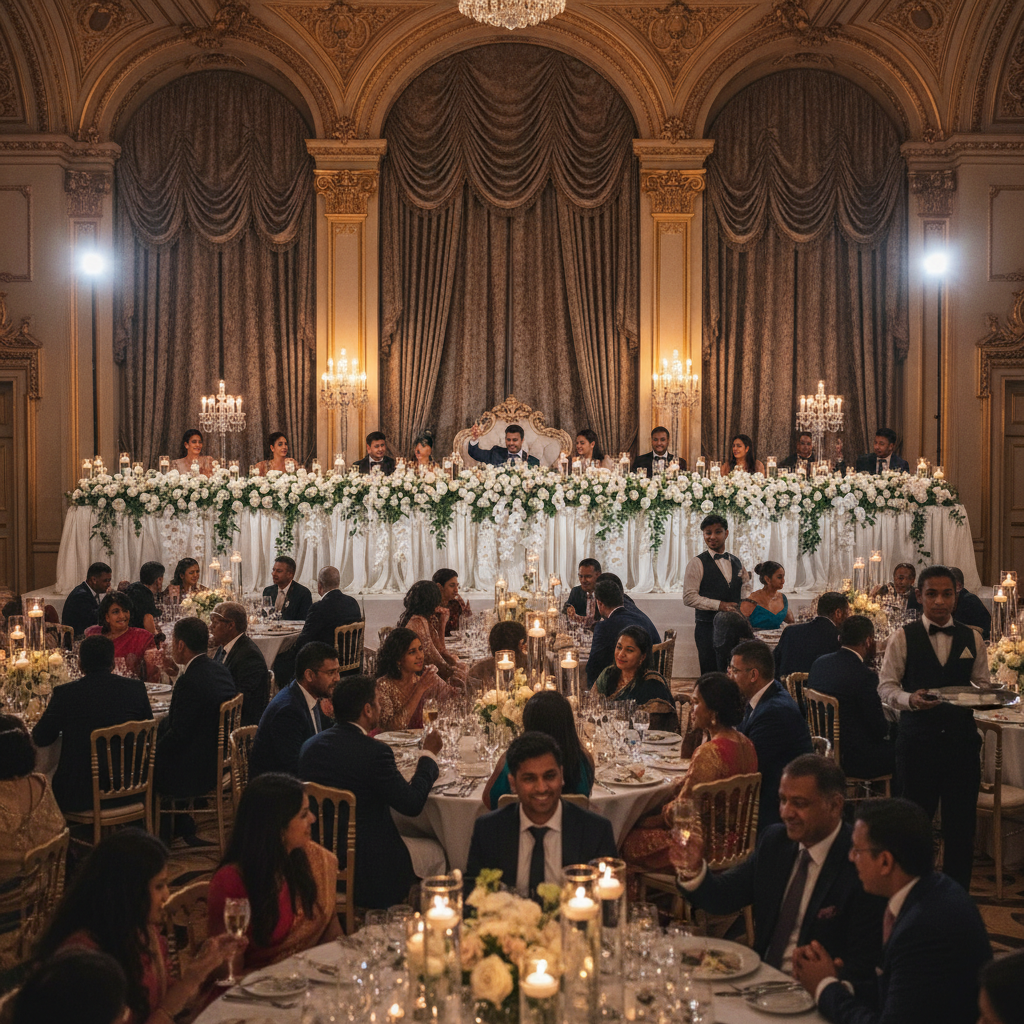
Wedding planning in the UK is the end-to-end coordination of venues, licenses, suppliers, design, and day-of execution to deliver a seamless celebration. At Patel Events in Abercorn Gardens, HA3 0PB (Greater London), we manage multi-ritual timelines, décor, and logistics so couples can enjoy the journey. If you’re seeking a wedding planner UK couples trust, this guide explains how it works—step by step.
By Shani Patel • Last updated: June 17, 2026
Overview and table of contents
This complete guide shows how to hire and work with a UK wedding planner, including South Asian ceremony expertise, timelines, design, and day-of coordination. You’ll see practical checklists, a comparison table, tools and resources, local tips for HA3 0PB in Greater London, and real examples from 500+ Patel Events productions.
Here’s how to use this guide quickly. Scan the summary, then jump to the section you need. We designed it to answer voice queries and provide on-the-spot checklists you can action today.
- What wedding planning covers in the UK
- Why a planner matters (and when)
- How the planning process works
- Types of planners and services
- Best practices that reduce stress
- Tools and resources
- Case studies and real examples
- Frequently asked questions
- Conclusion and next steps
Quick summary
A strong UK wedding plan aligns rituals, venue rules, supplier reliability, and a minute-by-minute schedule. The most reliable signal is experience: 27+ years, 500+ events, and a 98% satisfaction rate indicate repeatable results. Expect vendor coordination, timeline building, cultural fluency, and on-the-day leadership.
At a glance, a capable team unites design, logistics, and cultural details into one timeline. We’ve found couples who lock their venue, core vendors, and design direction within 90–120 days see smoother production, fewer last-minute issues, and calmer families.
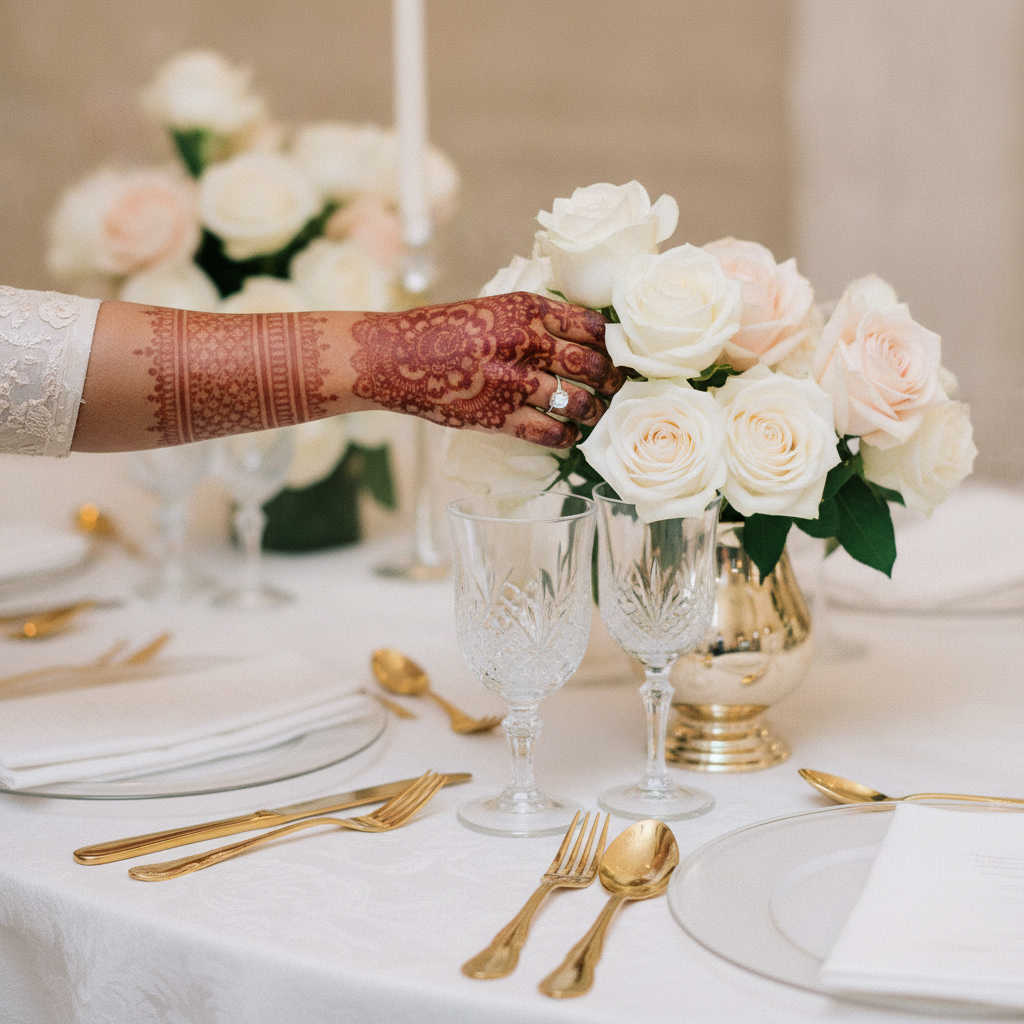
What is wedding planning in the UK?
Wedding planning in the UK is professional project management for your celebration—from venue and licensing to supplier sourcing, cultural rituals, styling, and day-of command. Great planners translate tradition and taste into a coherent schedule that keeps 100–500 guests comfortable and engaged.
In our experience, “planning” isn’t just booking suppliers. It’s orchestrating dozens of micro-decisions into a single, readable plan your entire team can follow. For South Asian weddings in particular—nikkah, sangeet, mandap ceremony, and grand reception—the moving parts multiply. That’s why couples lean on an integrated team instead of juggling disjointed to-dos.
Core components a planner coordinates
- Venue + logistics: Capacity, access windows, load-in paths, and back-of-house staging affect décor and entertainment timing.
- Licensing + documents: Civil ceremony notices, officiant confirmations, music permissions, and supplier insurance certificates.
- Suppliers: Catering, décor/florals, staging/AV, photo/video, hair/makeup, transport, accommodation blocks.
- Design + styling: Color story, tablescapes, mandap/stage design, lighting cues, and guest flow.
- Rituals + schedules: Nikkah or pheras timing, sangeet program order, reception entrances, speeches, and first dance.
- Risk + contingency: Weather, supplier failures, transport delays, power redundancy, and emergency contacts.
Patel Events couples tell us the single biggest relief is seeing an integrated production schedule. It shows every task, owner, location, and timestamp—clear enough that aunties, uncles, and MCs can follow without guesswork.
Why a wedding planner matters
A seasoned wedding planner reduces decision fatigue, protects your design vision, and prevents timeline drift. For multi-ritual or 300+ guest weddings, the difference is measurable—fewer missed cues, faster room flips, and calmer families, backed by a vetted 50+ vendor network.
Here’s the thing: your wedding is both a personal milestone and a live event. Live events involve risk, schedules, and stakeholders. A planner acts as show-caller, producer, stage manager, and guest-experience designer—roles one person can’t hold while being present as a bride or groom.
- Time savings: A full-service planner can absorb dozens of hours of supplier coordination per month.
- Vendor quality: Access to proven florists, caterers, and AV teams that deliver under pressure.
- Design control: One creative direction across invitations, mandap, tablescapes, lighting, and photo ops.
- Family harmony: A neutral point-person reduces friction and keeps schedules on track.
- Data-backed reliability: 27+ years, 500+ events, and a 98% satisfaction rate create predictable outcomes.
If you’re planning South Asian weddings in the UK, cultural fluency matters. Mis-timed rituals or missing items (like sehra or nikahnama copies) create real stress. We bake these into checklists early, so the celebration feels effortless for you.
How the planning process works
The best planning follows a repeatable path: discovery, vision and budget guardrails, venue and core vendor booking, design and schedule build, rehearsals, and day-of leadership. A shared timeline and decision log keep everyone aligned, from families to florists.
Step-by-step process we run
- Discovery + priorities (Week 1–2): Values, rituals, guest count, accessibility, and non-negotiables. We log cultural needs (nikkah, sangeet, Gujarati rituals) and venue style.
- Venue + date (Weeks 2–6): Shortlist, walk-throughs, and hold dates. We validate load-in, noise limits, curfew, and staging options.
- Core vendor block (Weeks 4–10): Catering, décor/florals, photo/video, entertainment/DJ, and production (staging/AV). We confirm insurance and backup plans.
- Design + experience (Weeks 6–12): Moodboards, color story, ceremony staging (mandap, nikkah lounge), tablescapes, and lighting.
- Timeline + scripts (Weeks 8–16): Minute-by-minute run of show, MC cue sheets, family roles, and movement plans for room flips.
- Final checks (Weeks 16+): Rehearsals, supplier confirmations, risk register, and emergency contacts.
- Show day: On-site leadership, cue calling, hospitality management, and rapid problem-solving.
What most couples overlook
- Load-in reality: A 60-minute delay at dock equals a 60-minute décor delay. We sequence trucks, lifts, and hand-carries.
- Guest movement: 300 people need 10–15 minutes to transition rooms. We time speeches and dances around that reality.
- Power and audio: Backup power and mic checks prevent awkward silences during vows or toasts.
- Room flips: We pre-stage linens, florals, and seating plans to compress changeovers by 20–30 minutes.
When working with clients in Harrow and across London, we’ve found the clearest signal of success is an early, shared run of show. It turns abstract ideas into trackable commitments.
Types of wedding planners and services
UK planners typically offer three modes: day-of coordination, partial planning, and full-service production. Choose based on complexity, guest count, and the number of rituals. Multi-day South Asian celebrations usually benefit most from full-service.
Comparison: coordination vs partial vs full-service
| Service Type | Best For | What You Get | What You Still Do |
|---|---|---|---|
| Day-of Coordinator | Simple, single-venue weddings | Run of show, supplier liaison, cue calling | Source vendors, design direction, contracting |
| Partial Planner | Couples with venue/vendors booked | Timeline build, design refinements, key vendor alignment | Some sourcing and admin |
| Full-Service | Multi-ritual, multi-day celebrations | End-to-end sourcing, design, logistics, rehearsals, day-of leadership | Creative approvals and personal choices |
How to match service to your wedding
- Guest count: 200+ guests strain DIY coordination. Add paid leadership.
- Rituals: Nikkah + sangeet + reception across two venues? Full-service avoids timeline crunch.
- Locations: If venues are 30–60 minutes apart, traffic buffers and convoy planning are essential.
- Creative vision: If a specific look matters (e.g., palace-inspired mandap), bring design help early.
If you’re navigating South Asian weddings UK couples love, ensure your partner has proven ritual fluency. It shows in the details: seating flows for elders, prayer spaces, and respectful, on-time transitions.
Wedding planning best practices (our playbook)
Lock the big three early—venue, catering, and décor/production—then build a shared run of show. Assign owners for every task, confirm insurances, and rehearse critical moments. This approach consistently delivers high satisfaction and low last-minute risk.
Our field-tested tips
- Decide the experience first: Elegant dinner? Dance-forward sangeet? Your experience vision drives the timeline.
- Sequence supplier confirms: Venue, then caterer, then décor/staging, then entertainment, then photo/video.
- Mandap and stage safety: Weight ratings, egress routes, and cable management come before aesthetics.
- Speech scripts: Limit to 3–5 to maintain energy and keep service on schedule.
- Guest flow mapping: Diagram movement for cocktails, ceremony, dinner, and dancing.
- Contingency packs: Weather, wardrobe, tech backups, and printed cue sheets.
Design notes that photograph beautifully
- Tablescapes: Alternate centerpiece heights for depth; keep sightlines to the stage and dance floor.
- Lighting: Warm wash plus pinspots for florals; avoid mixed color temperatures on faces.
- Mandap + aisle: Balance floral mass with breathable negative space for clean photos.
For deeper inspiration, see our internal guide to décor planning and tablescapes in our wedding décor planning checklist. It translates moodboards into rentable elements, saving time during supplier meetings.
Tools and resources for UK couples
Use a shared planning workspace, a minute-by-minute timeline, and checklists for each supplier. Leverage proven templates for South Asian ceremonies, destination logistics, and day-of coordination to keep families aligned and guests comfortable.
Download-worthy checklists
- Wedding day coordination checklist to brief your wedding party and MC.
- Destination wedding planning checklist for overseas venue and travel sequencing.
- Nikkah ceremony planning checklist to keep faith and family requirements clear.
Helpful reads from our team
- Choosing the right wedding event organizer for multi-day celebrations.
- Deciding between a destination planner vs local planner for global venues.
- Local insights in our Harrow weddings & sangeets planning guide.
Couples tell us they feel calmer when every family stakeholder sees the same plan. One source of truth reduces cross-talk, speeds decisions, and helps suppliers prep correctly the first time.
Case studies and real examples
Real weddings show what’s possible. These snapshots highlight timeline design, ritual fluency, and vendor coordination that kept 200–450 guests engaged. Each example uses our 27+ years of methods and a 50+ vendor network to deliver polished results.
Gujarati wedding reception in Leicester
- Brief: 350 guests, palace-inspired stage, vegetarian service, long toast block.
- Moves we made: Split speeches across dinner courses, pinspotted centerpieces, and buffered room flip by 25 minutes.
- Outcome: On-time first dance and full dance floor by minute 10 of the open set.
Elegant nikkah and reception in London
- Brief: 220 guests, intimate nikkah followed by modern reception with soft florals.
- Moves we made: Quiet-zone lounge near prayer area, lighter linens for soft photography, tight speech scripts.
- Outcome: Smooth transitions and a relaxed, reverent mood carried through the night.
Destination wedding logistics: Goa
- Brief: Multi-day celebration, beach welcome, sangeet, pheras, and reception.
- Moves we made: Sequenced international supplier teams, secured rain plan, and staged backup power for beach events.
- Outcome: All events on schedule despite weather shifts; guests moved comfortably between venues.
For more destination nuance, browse our destination checklist. It turns travel, customs, and venue holds into workable timelines for families and suppliers.
Local considerations for HA3 0PB
- Plan arrival windows to avoid peak congestion near Preston Road Station on weekends; adjust coach drop-offs accordingly.
- Summer heat waves shift guest comfort. Stage extra hydration at welcome points and review shaded outdoor options.
- For Greater London venues, confirm load-in docks and lift capacities in advance; older sites often limit large scenic pieces.
How to choose a wedding planner UK couples recommend
Shortlist planners with proven multi-ritual experience, 200–500 guest logistics, and a reliable vendor network. Validate their run-of-show samples, ask how they manage room flips, and request past timelines for events similar to yours.
Due diligence checklist
- Experience signals: Look for multi-year tenure, diverse portfolio, and repeat supplier relationships.
- Real timelines: Ask for anonymized run sheets and cue plans from comparable weddings.
- Ritual fluency: Can they articulate must-have items for nikkah, sangeet, or pheras without prompts?
- Design alignment: Review moodboards and photo evidence that match your taste.
- Contingency thinking: Probe rain plans, power backups, and transport buffers.
Many couples decide after a venue walk-through. Seeing how a planner evaluates load-in, power, and guest movement reveals real competence quickly.
Your 120-day planning timeline (example)
With 120 days, you can still deliver a polished wedding by prioritizing venue, core vendors, and a tight run of show. The key is committing to weekly decisions and locking scripts and logistics no later than day 90.
- Days 1–14: Finalize venue and date; secure catering and décor/production holds.
- Days 15–30: Confirm photo/video and entertainment; draft run of show; align on design palette.
- Days 31–60: Issue invitations; plan rehearsal; finalize mandap/stage drawings.
- Days 61–90: Lock speeches and ceremony scripts; confirm rentals; review guest access and flow.
- Days 91–120: Supplier confirmations; contingency checks; final briefing with families and MC.
Pressed for time? Focus on decisions that unlock other work: venue, caterer, décor/production, and entertainment. Everything else cascades from these anchors.
Design and décor that tell your story
Define a simple story—romantic garden elegance, modern glam, or palace classic—and repeat it across florals, linens, lighting, and stage. Consistency photographs better and helps suppliers quote accurately.
- Florals: Choose a hero bloom and supporting textures; plan preservation for keepsakes.
- Linens: Matte base cloths with layered runners and napkins add depth without clutter.
- Stationery: Carry typography and motifs into menus, place cards, and signage.
- Staging: Balance scenic scale with guest sightlines and emergency access.
Our couples often begin with this décor planning checklist. It turns moodboards into a shopping list for florists and rental houses.
Food and entertainment sequencing
Serve in waves that match the program: snacks at arrival, dinner paced with short speeches, and a dessert or late-night bite to refuel dancers. DJs and live acts should share a cue sheet to keep flow tight.
- Arrival: Welcome drinks and canapés to ease check-in and seating.
- Dinner: Alternate courses with brief, timed speeches to maintain energy.
- Dancing: Open set quickly after the first dance; add a late-night snack 60–90 minutes later.
For menu brainstorming, some couples like scanning third-party inspiration such as this practical wedding catering menu planning overview. Use external ideas to spark discussion, then tailor with your caterer.
Venue walk-through and risk planning
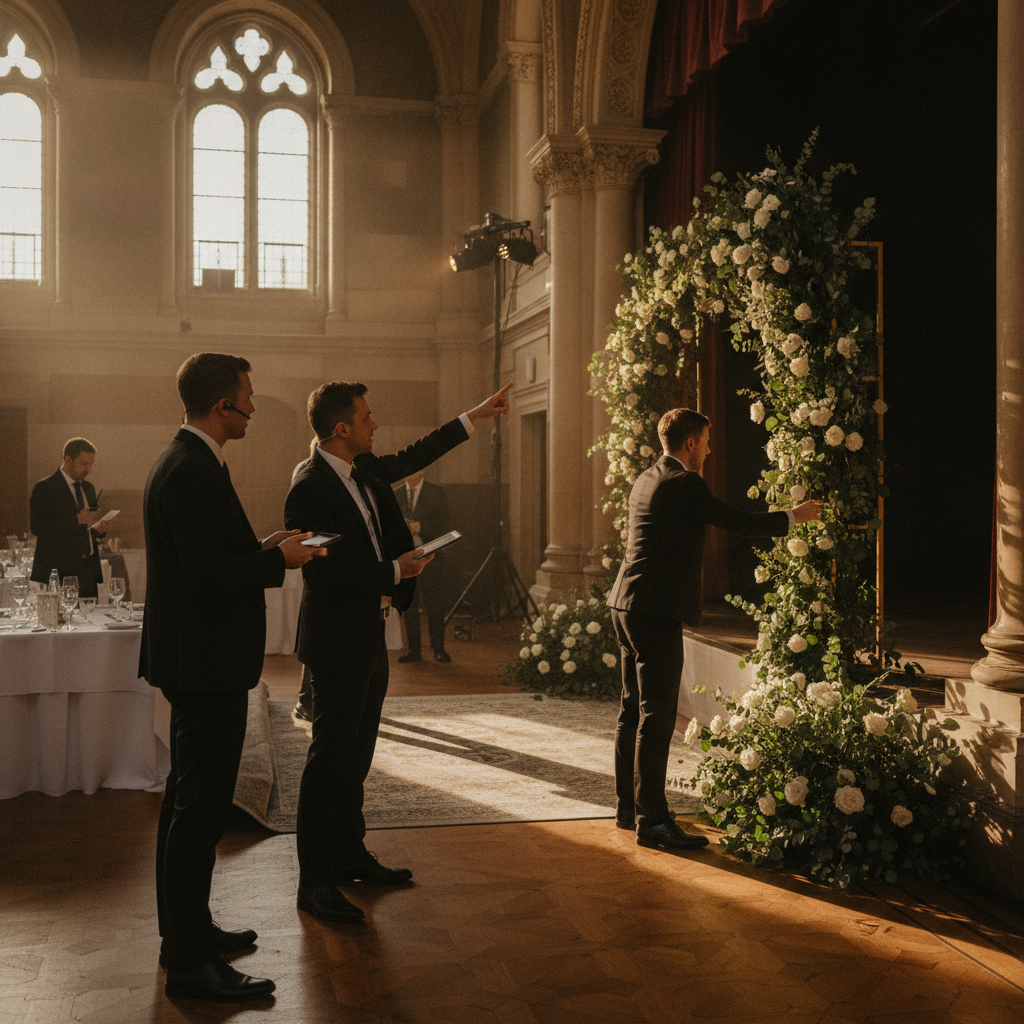
A structured walk-through surfaces 80% of execution issues before show day. Check docks and elevators, power and lighting, storage, egress, and guest accessibility. Document with photos and a floor plan to align suppliers.
- Back-of-house: Confirm load-in sequence, gear storage, and crew access to restrooms.
- Power: Map circuits for stage, DJ, and caterer. Identify safe cable runs and backups.
- Accessibility: Test routes for elders, wheelchairs, and prams.
- Noise and curfew: Note dB limits and finish times to shape the program.
Seeing a ballroom set at scale helps everyone visualize. Look at inspiration galleries like this weddings photo overview to discuss staging and guest sightlines before you buy or rent.
Destination wedding planning, made workable
Destination weddings succeed when travel, venue, and supplier sequences are locked early. Align legalities, power and weather plans, and guest transfers. A local fixer plus your lead planner keeps communication tight across borders.
- Venue holds: Secure primary and rain-plan spaces before inviting guests.
- Supplier blend: Mix trusted local vendors with specialists you fly in.
- Communications: One itinerary hub for flights, transfers, and attire notes.
For destination pros and cons, see our internal take on destination vs local planners and our destination planning checklist.
Five mistakes UK couples can avoid
Avoid late venue decisions, unmanaged speeches, and skipping rehearsals. Confirm power, load-in, and rain plans, and cap your program to keep energy high. These five fixes save hours and protect your guest experience.
- Booking venues late: Puts you in a design corner and squeezes supplier options.
- Endless speeches: Unscripted toasts drain momentum—time-box them.
- No rehearsal: Practice entrances, mic use, and first dance cues.
- Ignoring power: No one enjoys a silent dance floor. Confirm circuits and backups.
- Skipping rain plans: Even indoor events need entry and photo contingencies.
A quick external venue checklist like this South Asian venue checklist can spark useful what-ifs for your own site visit.
Plan confidently with Patel Events
If you want a calm, beautifully run celebration, bring in a partner early. We align ritual needs, creative direction, and logistics into one clear plan—then lead show day so you can be fully present.
Considering a wedding planner UK couples recommend? Let’s map your venue options, rituals, and run of show in a short discovery call. We’ll share sample timelines and checklists so you can see the path to a calm, elegant day.
Start here: our wedding event management guide outlines how production, design, and hospitality come together in Greater London.
Frequently asked questions
These concise answers address the questions we hear most from UK couples, especially those planning multi-ritual South Asian weddings. Each response is tailored to decisions you’ll make in the first 30–90 days.
What does a full-service wedding planner handle?
End-to-end support: venue and supplier sourcing, design and décor, timeline creation, rehearsals, and day-of leadership. For South Asian weddings, they also manage rituals, room flips, and family briefings so the program runs on time and the experience feels consistent.
When should we book a planner for a multi-day celebration?
As early as you can, ideally before confirming your venue. The plan for rituals, guest flow, and staging shapes venue selection, load-in timing, and supplier choices. Early involvement also protects your creative direction and reduces last-minute compromises.
How do you keep speeches and the program on time?
We build a tight cue sheet, time-box speeches, and rehearse entrances. On the day, we use a show-caller and stage manager to keep transitions crisp. Short, sincere toasts maintain energy and protect dinner service and dance time.
What makes Patel Events different for South Asian weddings?
Deep ritual fluency, a trusted 50+ vendor network, and a design-first approach. With 27+ years and 500+ events, we coordinate nikkah, sangeet, Gujarati ceremonies, and grand receptions with respectful timing, clear scripts, and polished guest experiences.
Do you also help with destination weddings?
Yes. We plan overseas events by sequencing venue holds, travel logistics, supplier mixes, and backup plans. Our destination workflows keep communications clear and timelines reliable across borders so guests feel looked after from arrival to farewell.
Conclusion and next steps
A great wedding plan is a simple, shared blueprint: venues and suppliers locked, scripts rehearsed, and a clear run of show. With the right partner, even multi-ritual, multi-day celebrations feel calm and beautifully on time.
- Key takeaways:
- Lock venue, catering, and décor/production first; everything else cascades.
- Use one timeline and decision log to align families and suppliers.
- Cap speeches and rehearse to protect the guest experience.
- Choose a planner with ritual fluency and a proven vendor network.
Next steps: Explore our wedding organizer guide, review the day-of checklist, and book a brief discovery to map your exact path.