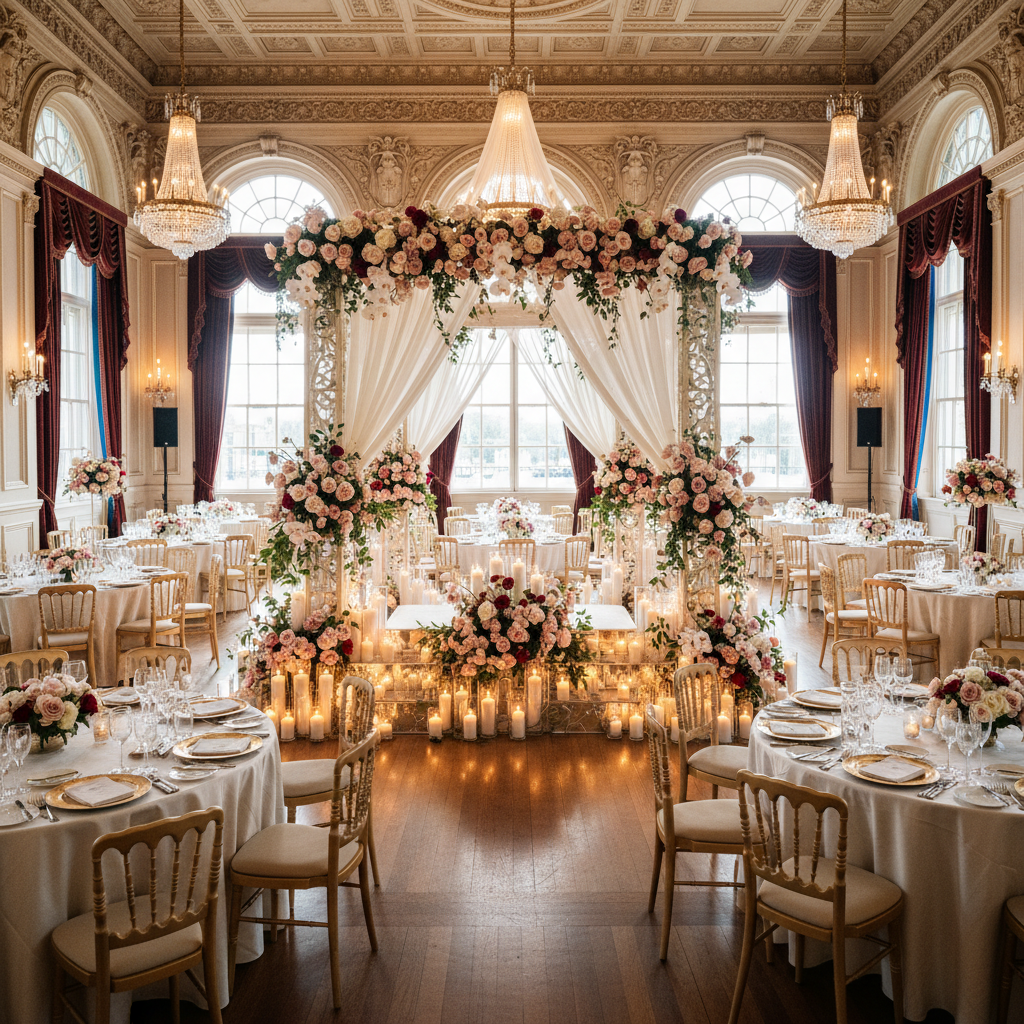
A wedding event organizer is a professional who plans, designs, and coordinates your celebration from first idea to last dance. At Patel Events near Abercorn Gardens, HA3 0PB, we manage timelines, vendors, and cultural rituals so couples enjoy the day. The result is a seamless experience that protects your vision and peace of mind.
By Shani Patel — Patel Events
Last updated: 2026-06-01
Start Here: Overview and Table of Contents
This complete guide shows how a wedding event organizer saves you time, avoids surprises, and elevates design. You’ll learn definitions, planning steps, service types, best practices, tools, local tips for HA3 0PB, case studies, and clear next actions so you can plan with confidence and enjoy your day.
Here’s how to use this guide. Skim the summary below, then jump to the section that matches where you are: defining the role, mapping your timeline, understanding service types, or checking local logistics in Greater London.
- Quick Summary
- What Is a Wedding Event Organizer?
- Why It Matters in 2026
- How the Process Works (Step-by-Step)
- Types of Services and Approaches
- Best Practices from 500+ Events
- Tools and Resources
- Local Context: HA3 0PB & Greater London
- Case Studies and Examples
- FAQ
- Conclusion and Next Steps
- Related Articles
Quick Summary
A wedding event organizer translates your vision into a coordinated plan across design, logistics, and on-the-day delivery. Expect clear timelines, vendor alignment, cultural fluency, and calm execution. The payoff is fewer surprises, stronger guest experience, and a celebration that feels like you—without the stress.
At Patel Events, our end-to-end framework blends cultural expertise (nikkah, sangeet, Gujarati traditions) with meticulous production. With 27+ years, 500+ events, and a 98% satisfaction rate, we apply proven systems that protect your decisions and reduce risk throughout planning.
What Is a Wedding Event Organizer?
A wedding event organizer is your project manager and creative partner for the big day. They shape vision into a workable plan, source and manage vendors, schedule rehearsals, and run the event. The ideal partner brings cultural fluency, strong logistics, and design sensibility—then coordinates everything with calm authority.
Think of this role as the conductor of your celebration. Designers, florists, caterers, DJs, and venues play their parts; your organizer ensures every cue lands on time and in harmony. That’s especially vital when your wedding includes multiple rituals, entrances, or location changes.
- Strategy: Clarifies your priorities, guest experience, and non‑negotiables.
- Design and styling: Translates mood boards into décor, florals, and tablescapes.
- Vendor management: Sources, negotiates scope, confirms holds, and manages deliverables.
- Run of show: Creates minute‑by‑minute timelines, seating plans, and cue sheets.
- On‑site leadership: Directs setup, rehearsals, processions, and reception flow.
For South Asian weddings, an experienced organizer also aligns ritual timing (e.g., pheras or nikkah), priest/imam coordination, and guest movement between mandap, prayer space, and reception hall. That cultural intelligence prevents delays and protects sacred moments.
Why a Wedding Organizer Matters in 2026
Weddings are more complex in 2026—multi‑day events, guest travel, and layered cultural elements. A seasoned wedding event organizer reduces risk, aligns 10–20 vendors, and safeguards your time and vision. The result: smoother flow, better guest reviews, and memories focused on joy instead of logistics.
The reality is simple: complexity compounds. One late coach or missing power drop can ripple across photo sessions, rituals, and dinner service. We’ve seen that disciplined pre‑production reduces preventable issues by a wide margin. Our own record—500+ events delivered with a 98% satisfaction rate—comes from building safeguards into every stage.
- Time savings: Couples typically reclaim dozens of planning hours by delegating coordination and vendor comms.
- Quality control: A single point of leadership maintains standards across décor, entertainment, and catering.
- Guest experience: Clear flows reduce wait times, crowding, and confusion—boosting comfort and celebration energy.
- Continuity: If weather or transport shifts, your organizer re‑stitches the timeline without panic.
For Greater London weddings, added factors—venue load‑in rules, noise restrictions, and transport timing—make expert planning even more valuable. Strong vendor networks and permit‑friendly schedules keep momentum and protect your design.
How Wedding Event Organization Works (Step-by-Step)
The best process starts with discovery, then design and logistics in parallel, followed by vendor alignment, showcalling, and debrief. Each stage locks decisions, reduces guesswork, and prepares your team to deliver a calm, on‑time celebration that reflects your personality and traditions.
Below is a streamlined process we apply at Patel Events. It’s adaptable for intimate vows, grand receptions, and multi‑day celebrations.
| Stage | Organizer Focus | Key Outputs |
|---|---|---|
| Discovery | Understand story, rituals, guest profile, constraints | Vision brief, priorities, initial budgetary guardrails |
| Design | Create mood boards, décor plan, tablescapes | Lookbook, sample tables, floral palette, rental list |
| Logistics | Venue holds, transport flows, power, staging | Layouts, production schedule, vendor scopes |
| Vendor Alignment | Shortlist, negotiate scope, confirm deliverables | Contracts, contact sheet, run of show draft |
| Rehearsals | Processional cues, cultural timings, entrances | Final cue sheet, stage directions, seating plan |
| Showcalling | Direct setup, call cues, problem‑solve quietly | On‑time ceremony, smooth reception, happy guests |
| Debrief | Post‑event wrap, returns, lessons captured | Vendor reconciliations, highlight reel brief |
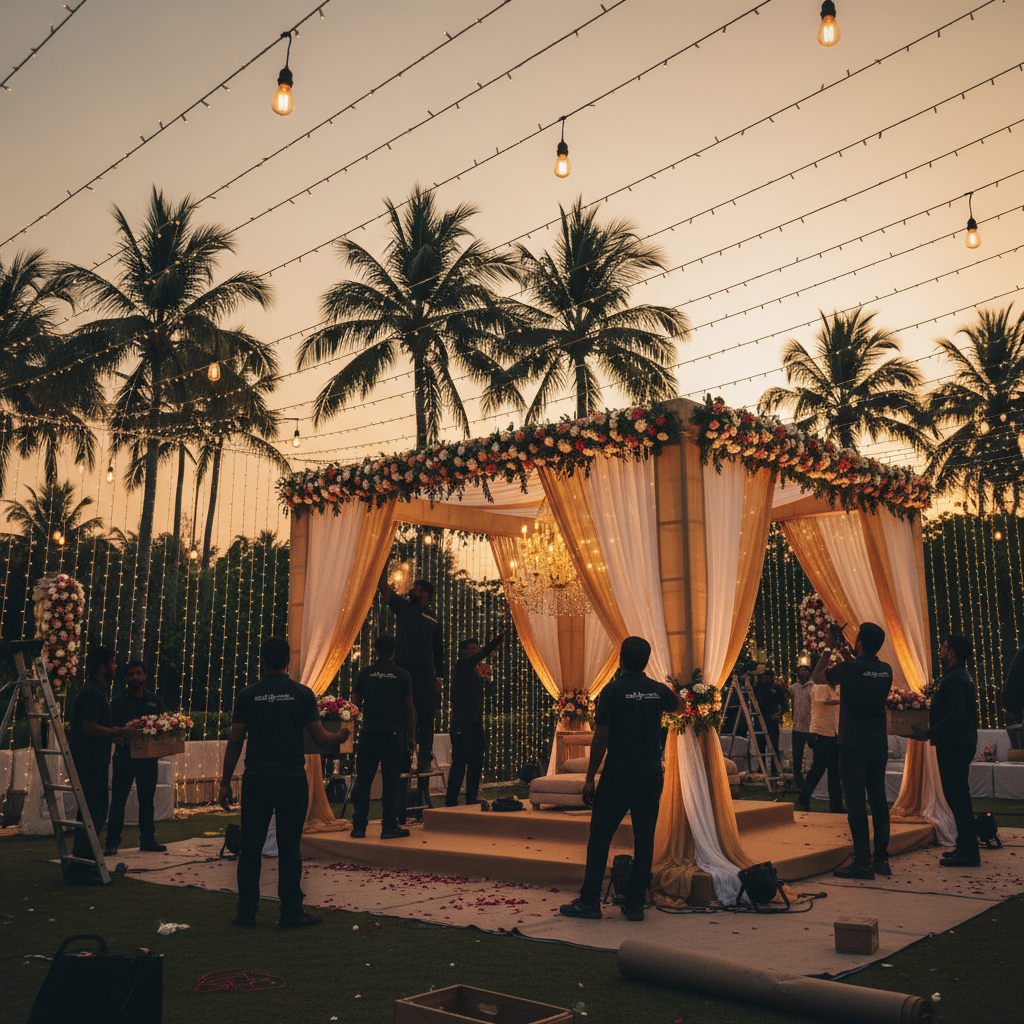
We keep design and logistics moving in parallel to spot conflicts early. For example, if a suspended floral feature clashes with lighting truss, we resolve it during design—not at load‑in. That’s how a wedding event organizer protects your vision and timeline.
Types of Services and Approaches
Service models range from full planning to day‑of coordination, with hybrid options for design‑led weddings and cultural specialists. Choose scope based on complexity, time available, and how much hands‑on design you want. Clear roles prevent gaps between planner, stylist, and production.
Full Planning (End‑to‑End)
Ideal for multi‑day or destination weddings. We handle strategy, design, vendor selection, and showcalling.
- Strategy and vision setting with documented priorities.
- Design development from mood boards to sample tables.
- Vendor ecosystem coordination across 10–20 partners.
- Run‑of‑show control and on‑site direction.
Partial Planning (Design + Logistics)
Best when you’ve booked a venue or a few vendors but want cohesion and risk reduction.
- Refined layouts, timelines, and vendor scopes.
- Styling support: florals, tablescapes, and guest touchpoints.
- Gap‑fill coordination to align all teams and deliverables.
Month‑Of / Day‑Of Coordination
If you’ve planned most details, a coordinator creates final cue sheets and runs the day so you can relax.
- Timeline consolidation and contact sheets.
- Rehearsal management and on‑the‑day showcalling.
- Quiet problem‑solving and guest flow management.
Design & Décor Direction
For couples prioritizing aesthetics. We convert your vibe into cohesive styling.
- Palette selection, floral recipes, and statement moments.
- Tablescapes and centerpieces aligned with guest comfort.
- Lighting and staging integrated with décor.
South Asian Cultural Specialist
For nikkah, sangeet, and Gujarati weddings, cultural precision matters. We align rituals and hospitality.
- Priest/imam coordination and ritual timing.
- Mandap or prayer‑space layouts that respect tradition.
- Guest movement between ceremony, photos, and reception.
Destination Wedding Planning
From Udaipur’s palatial backdrops to Goa’s seaside, destination work needs early holds and clear comms.
- Local partner vetting and travel logistics.
- Welcome events and multi‑day guest experience design.
- Contingency planning for weather and transport.
Best Practices from 500+ Events
The most successful weddings pair strong pre‑production with disciplined showcalling. Lock decisions early, document them clearly, and rehearse your key moments. Then empower a wedding event organizer to control the timeline and calmly resolve any surprises without interrupting your joy.
In our experience across 500+ celebrations, small habits lead to big wins. The following practices consistently raise guest satisfaction and reduce on‑the‑day risk.
- Decide once, document twice: Put every decision into a master plan and vendor scopes. Ambiguity causes rework.
- Design for movement: Beautiful is important; comfortable is essential. Prioritize aisles, staging, and crowd flow.
- Rehearse the moments that matter: Processionals, vows, entrances, and first dance deserve timing practice.
- Power and sound first: Confirm power drops, backup audio, and mic handoffs before décor arrives.
- Weather contingencies: Always have Plan B load‑in paths and covered photos if outdoors.
- Catering cadence: Coordinate plating with speeches and dances to avoid service jams.
- One command center: Your organizer should be the single point for decisions and vendor comms.
These habits minimize friction and create space for joy. They’re the backbone of how we deliver a calm, on‑time experience aligned with your style.
Tools and Resources
Use simple, shared tools: a master timeline, floor plan, vendor roster, and a lightweight task tracker. Add a rehearsal checklist and a “rain plan.” Keep documents living and central so your team stays aligned as decisions evolve.
We keep tools practical and accessible. Whether you prefer a spreadsheet or a task app, consistency beats complexity. For venue planning prompts, this venue checklist highlights the right questions to ask during walkthroughs. For menu flow inspiration, skim this menu planning overview to align courses with speeches and dances. For couples still scouting venues, this concise venue search explainer is a helpful primer.
- Master timeline: Ceremony, photo calls, reception, and vendor arrivals in one view.
- Layouts: Seating, staging, dance floor, bars, and buffet footprints.
- Vendor roster: Contacts, call times, deliverables, and on‑site leads.
- Rehearsal checklist: Entrances, cue music, mic handoffs, and processional spacing.
- Contingency plan: Weather, transport delays, or equipment swaps pre‑approved.
Simple, shared documents reduce message ping‑pong and keep everyone moving in the same direction—another place where a wedding event organizer earns their keep.
Local Wedding Event Organizer for HA3 0PB and Greater London
Serving HA3 0PB in Greater London, Patel Events pairs cultural fluency with metropolitan logistics. Expect smart transport timing, venue‑friendly load‑ins, and designs that respect local regulations—without losing personality. We coordinate multi‑ritual weddings and elegant receptions close to home so your day feels effortless.
From our base near Abercorn Gardens, we plan and produce weddings across Greater London and the wider UK. That includes South Asian ceremonies (nikkah, sangeet, Gujarati pheras), grand receptions, and destination‑style design moments brought to city venues. Local know‑how smooths access, regulations, and vendor holds.
Local considerations for HA3 0PB
- Transit timing: Build guest arrival buffers when traveling via Preston Road Station to avoid peak crowding and protect ceremony start times.
- Seasonal pacing: Summer weekends book fast. Secure transport and décor suppliers early to lock in high‑demand dates.
- Load‑ins and neighbors: Confirm venue load‑in windows and sound guidelines in advance; your organizer sequences suppliers to keep operations respectful and efficient. For certain routes, coordinate around Kenton station traffic.
Case Studies and Examples
Real weddings show how planning decisions play out. These brief case notes highlight cultural timing, guest flow, and design choices that delivered calm, on‑time celebrations—demonstrating how a skilled wedding event organizer reduces risk while elevating style.
Elegant Nikkah + Reception, Greater London
Goal: keep the nikkah intimate and on time, then expand into a chic reception. We placed prayer space near natural light and sequenced family photos before guest seating. A single command center handled sound checks and mic handoffs, preventing delays between rituals and dinner.
- Outcome: on‑schedule vows, smooth transitions, and relaxed portraits.
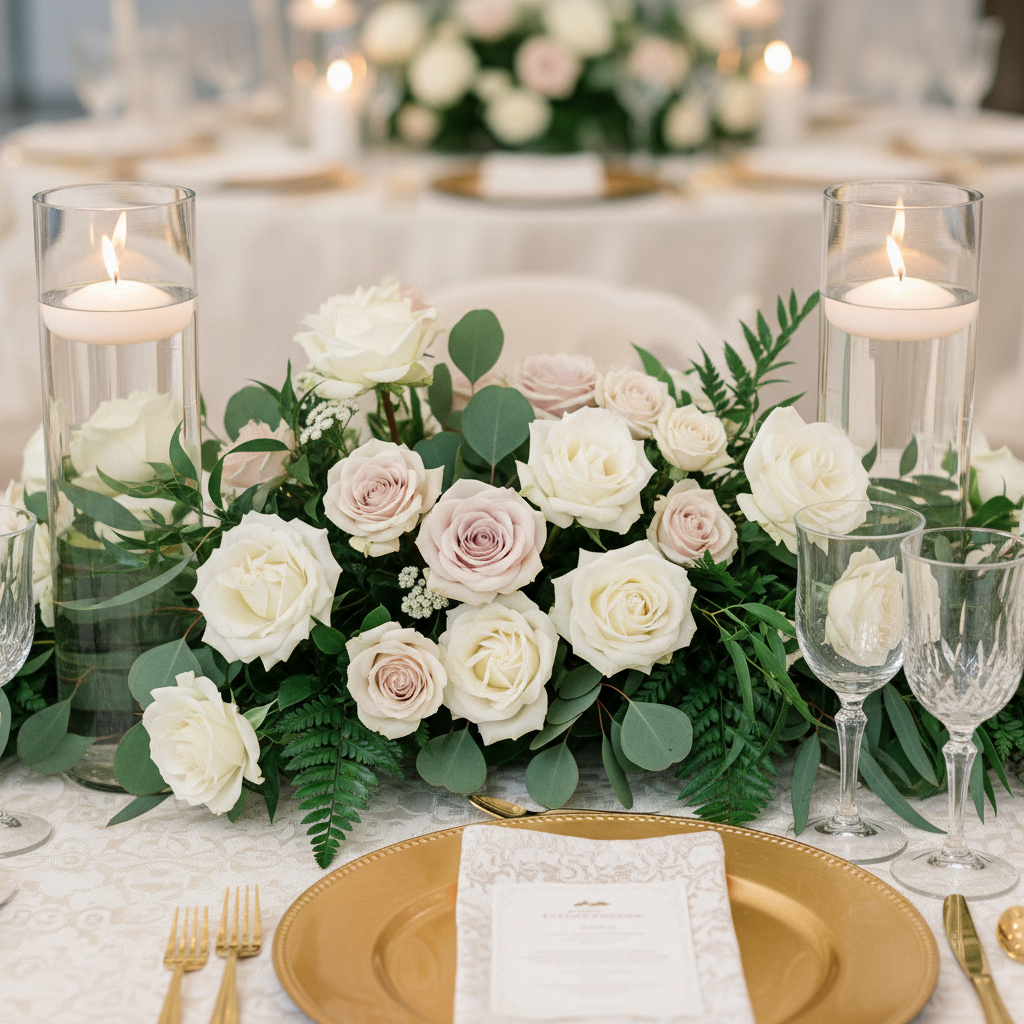
- Design: ivory florals with soft greenery; candle‑lit tablescapes for warmth.
- Guest experience: clear signage and ushers minimized confusion.
Vibrant Sangeet Night
We designed a lively flow: welcome hour, performances, then open dance. Stage sightlines and audio checks ensured every performance hit. Staggered buffet service reduced queues while maintaining energy on the dance floor.
- Outcome: high energy all night with no service bottlenecks.
- Design: jewel‑tone draping, pin‑spot florals, and LED accents.
- Logistics: performance cue sheets and pre‑labeled mic packs.
Gujarati Wedding with Mandap Focus
We prioritized sacred moments under a mandap with easy guest access and comfortable seating. Shade, airflow, and sound reinforcement preserved comfort and clarity. Pre‑briefed rituals kept pace without rushing.
- Outcome: meaningful, unhurried pheras with clear sightlines.
- Design: traditional motifs paired with modern floral recipes.
- Guest experience: coordinated water stations and shaded seating.
Destination‑Style Design in the City
To bring destination energy to London, we layered warm lighting, textured linens, and a greenery‑forward floral plan. Vendor arrivals were staggered to match tight load‑in windows, protecting the timeline and avoiding congestion.
- Outcome: immersive ambiance without leaving the city.
- Design: Mediterranean‑inspired palette, floating candles, and soft uplighting.
- Production: truss, sound, and florals coordinated in parallel.
Mid‑guide visual references
Here are two visuals to help you picture detail and process in context.
Plan Confidently with a Calm, Capable Team
If you want a celebration that feels effortless, pair your vision with a seasoned wedding event organizer. We’ll translate ideas into timelines and designs, then handle the showcalling so you can be fully present with family and friends.
Soft CTA: Ready to map your day? Let’s schedule a brief discovery chat to align vision, rituals, and logistics. We’ll share a sample timeline and styling ideas tailored to your venue and guest flow.
Frequently Asked Questions
These concise answers cover the most common questions couples ask about working with a wedding event organizer—scope, timelines, culture‑specific planning, and collaboration with venues and vendors.
What does a wedding event organizer handle that a venue coordinator doesn’t?
Venue coordinators protect venue policies and basic logistics. A wedding organizer represents your full vision—design, vendor roster, timeline, and ritual flow across spaces. We cue every moment, manage all suppliers, and make real‑time adjustments that keep the day calm and on schedule.
How early should we book a wedding organizer?
Book as soon as you have a target season or venue—ideally 9–12 months out for peak dates. Early alignment secures preferred vendors, protects design choices, and gives time for ritual‑specific planning, rehearsals, and contingency mapping.
Can you support South Asian rituals like nikkah, sangeet, and Gujarati pheras?
Yes. We’re deeply experienced across nikkah ceremonies, vibrant sangeet nights, and Gujarati pheras. We coordinate with priests or imams, align timing, plan guest movement, and design respectful layouts for prayer spaces, mandaps, and receptions.
What if we’ve already booked some vendors?
We integrate seamlessly. Partial planning starts with a gap analysis, then we align scopes, timelines, and floor plans. You keep the partners you love while we ensure everything fits together—and runs on time—on the day.
Do you offer destination wedding planning?
We do. Our team has delivered destination weddings across India and overseas, including Udaipur and Goa. We coordinate travel, local partners, welcome events, and contingency plans so guests feel cared for throughout the multi‑day experience.
Conclusion and Next Steps
A great wedding event organizer protects your time, elevates design, and keeps the day calm and on schedule. Define scope, choose a culturally fluent partner, and commit to clear documentation and rehearsals—the foundation of a celebration that feels like you.
Here’s how to move forward with clarity:
- Decide on scope: full planning, partial, or month‑of coordination.
- Gather inspiration and non‑negotiables for design and guest comfort.
- Confirm target dates, venue shortlists, and key vendor holds.
- Schedule a discovery session to map your timeline and rituals.
Key Takeaways
- A wedding event organizer aligns vision, logistics, and vendors into one plan.
- Disciplined pre‑production and rehearsals prevent on‑the‑day surprises.
- Cultural fluency (nikkah, sangeet, Gujarati) ensures meaningful, on‑time moments.
- Local expertise in Greater London smooths transport, load‑ins, and regulations.
Related Articles
Explore adjacent planning topics next: design and décor direction, cultural ceremony sequencing, and destination wedding logistics. Deepening these areas strengthens decisions you make with your organizer—and creates a more cohesive guest experience.
- Event planner vs. day‑of coordinator: roles and handoffs
- Designing tablescapes and centerpieces that enhance comfort
- Sequencing a sangeet program without bottlenecks
- Destination wedding timelines and travel coordination
- How to build a rehearsal that reduces nerves