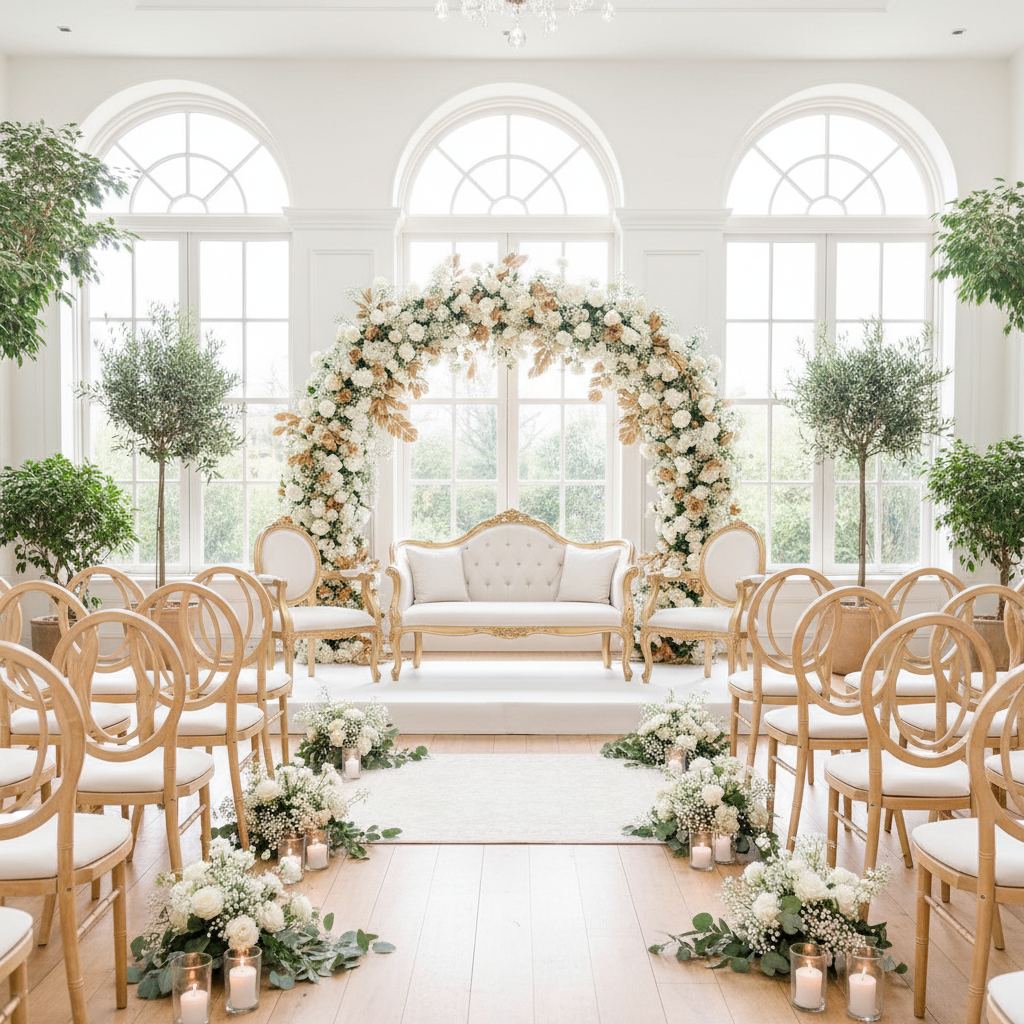
Nikkah ceremony planning checklist refers to a structured, step-by-step list that covers religious requirements, people, décor, timeline, and on-the-day roles to ensure a valid, serene Muslim marriage ceremony. At our HA3 0PB base near Abercorn Garden in Greater London, Patel Events uses this checklist to align imams, witnesses, and styling so nothing is missed.
By Patel Events • Last updated: 2026-04-28
Above-Fold: Your Nikkah Planning At a Glance
Use a nikkah planning checklist to coordinate Islamic requirements, people, and logistics. Confirm the imam, two witnesses, the wali (if applicable), nikah-nama, mahr, and a quiet, modest setup. Then lock décor, photography, arrival times, and a 90-minute ceremony flow. This structure prevents last‑minute stress.
This guide is built for couples and families planning an intimate or venue-based nikkah in Greater London and across the UK. You’ll find the essentials, a timeline, sample run sheets, and the seven mistakes that disrupt ceremonies—plus practical fixes we apply on real projects.
- What a complete nikkah ceremony planning checklist includes
- How to sequence religious steps and logistics
- Décor, floral styling, and guest-flow tactics
- Run-of-show templates and roles
- Seven common mistakes—and simple prevention
- What is a nikkah checklist?
- Why a checklist matters
- How planning works
- Approaches and formats
- Best practices
- Tools and resources
- Case studies and examples
- 7 mistakes to avoid
- FAQ
Quick Summary
A nikkah checklist aligns the imam, wali, witnesses, mahr, nikah-nama, and space setup with a timed run sheet (60–90 minutes). Add guest-flow, photography cues, and a backup plan. Use confirmations 7–10 days out. This simple structure preserves calm and religious focus.
We’ve condensed 27+ years of South Asian wedding know-how into one practical framework. It’s equally useful whether your nikkah is at home, in a mosque, or at a private venue with a separate civil registration on another day.
What Is a Nikkah Ceremony Planning Checklist?
A nikkah ceremony planning checklist is a sequenced list of religious requirements and logistics for a valid Muslim marriage. It covers the imam, wali (if applicable), two witnesses, mahr, nikah-nama, and a calm setup. Adding décor, timing, and roles ensures a serene, on-time ceremony.
At its heart, your checklist protects the sanctity and flow of the ceremony. It recognizes the nikkah is a contract—so the right people, documents, and intent must be present. Then it layers in guest comfort, sound clarity, and photography timing to preserve the moment.
Core components your checklist should track
- Religious roles: Imam/officiant, wali (where required), two adult witnesses, bride, groom.
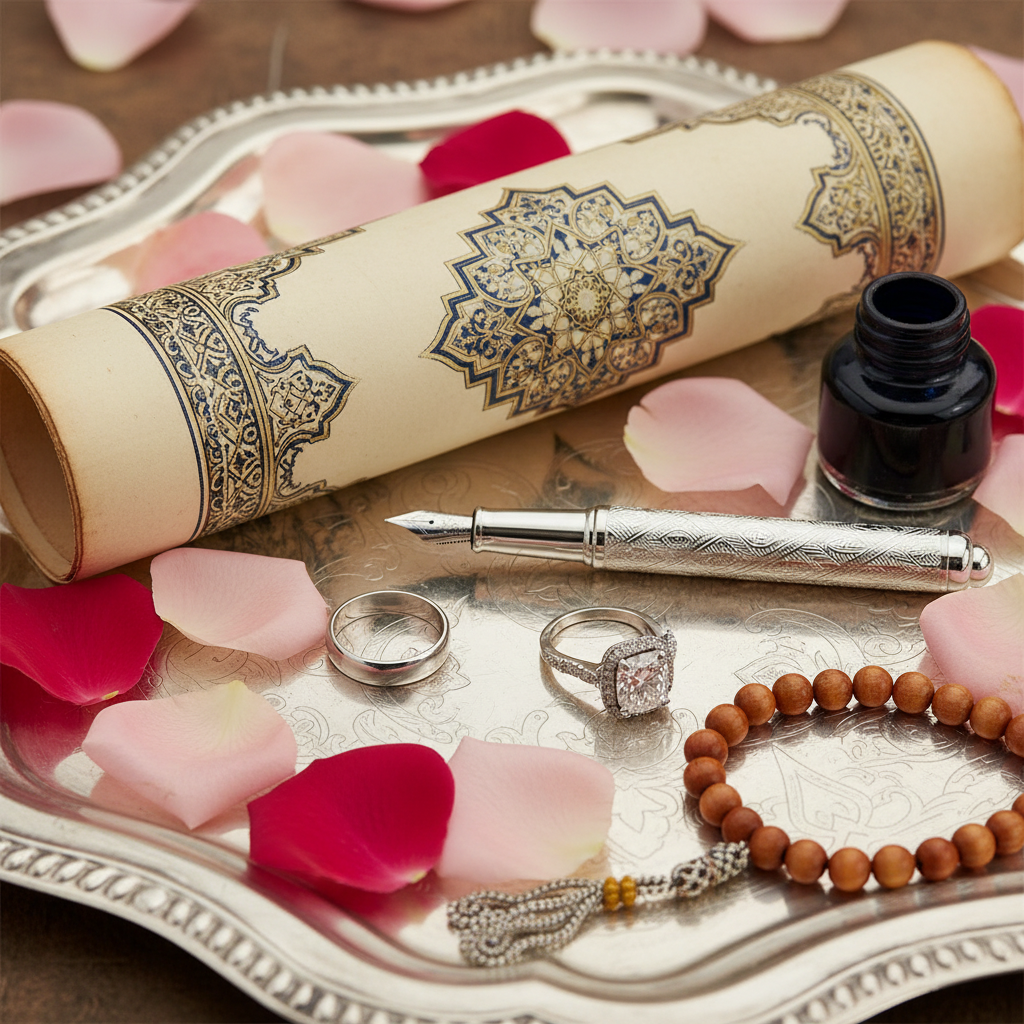
- Legal/contract items: Nikah-nama, agreed mahr, identification for signatories, pens, tray.
- Space setup: Quiet layout, modest backdrop, seating for elders, accessible aisle, mic if needed.
- Time blocks: Arrival, welcome, khutbah/sermon, ijab-o-qubul, dua, signing, photos, announcements.
- Record-keeping: Names, contact numbers, confirmation notes, and a backup plan.
When we facilitate nikkahs in Greater London, we treat the checklist as a live document. It aligns what’s sacred with what’s practical—so the day stays focused on intention, not firefighting.
Why a Nikkah Checklist Matters
A clear checklist reduces risk on a spiritual milestone. It prevents missing witnesses, delayed imams, or rushed signing. With roles assigned and timings set, families stay present, photos look composed, and the khutbah and vows receive the calm they deserve.
Important moments can slip under pressure. A checklist safeguards each step: consent, sermon, the contract, and prayers. It also supports elders and children with sensible seating, microphones, and water nearby. Small touches raise comfort and reverence at once.
Benefits families feel on the day
- Calm and clarity: Everyone knows where to be and when.
- Religious integrity: The imam, wali, and witnesses are present and prepared.
- Guest comfort: Seating for elders, kids’ corner, hydration station.
- Photo quality: Clean backdrop, ring/contract detail shots, and a quiet signing table.
- Accessibility: Clear paths and consideration for mobility needs.
In our experience across 500+ events, even a 10-minute slip can snowball. The checklist acts like a conductor’s baton—steadying the rhythm so each ritual lands gracefully.
How Nikkah Planning Works: Step by Step
Plan the nikkah by sequencing people and tasks. Confirm the imam, wali, and two witnesses; agree the mahr; prepare the nikah-nama; and map a 60–90 minute run sheet. Assign roles, test sound, and brief your photographer. Reconfirm everything 72 hours prior.
Here’s a practical step-through we use when coordinating home, mosque, and venue-based nikkahs in Greater London.
- Define ceremony scope: Only nikkah? Nikkah + tea? Nikkah + joint dua + family photos?
- Secure imam/officiant: Confirm availability, travel, sermon style, and any language needs.
- Identify wali and witnesses: Ensure availability and brief their roles and arrival time.
- Agree mahr and prepare nikah-nama: Set terms in advance; prepare pens and tray.
- Choose location and layout: Mosque, home, or venue; quiet area, seating plan, mic test.
- Build the run sheet (60–90 minutes): Welcome (5), khutbah (10–15), ijab-o-qubul (5), dua (5), signing (10), photos (15–20), transitions.
- Assign roles: Reader for announcements, usher for elders, décor lead, photo lead.
- Confirm two to three days prior: People, arrival times, transport, and any access codes.
- Prepare contingencies: Backup mic, spare pens, water station, and a quiet side room.
We keep families focused on intention while we shoulder the logistics—from florals and tablescapes to photography cues and respectful guest flow.
Approaches to Nikkah: Formats and Settings
Nikkahs work beautifully in mosques, homes, and private venues. Choose the format that fits your family, accessibility needs, and guest count. Keep sound clear, seating modest, and the signing table uncluttered. A simple floral arch or soft draping is often enough.
We plan three common formats in and around London, each with its own strengths.
Mosque-based nikkah
- Pros: Built-in sanctity, imam access, existing AV.
- Watch-outs: Visitor flow, footwear areas, and schedule windows between prayers.
- Tip: Keep décor minimal; confirm photography guidelines in advance.
Home-based nikkah
- Pros: Intimate, comfortable for elders, flexible timing.
- Watch-outs: Sound clarity and seating density; plan for child-friendly corners.
- Tip: Reserve a quiet signing room to avoid crowding.
Private venue nikkah
- Pros: Controlled acoustics, weather backup, accessible restrooms.
- Watch-outs: Load-in windows and vendor coordination.
- Tip: Use a clean floral arch and a neutral backdrop to elevate photos.
For halal-conscious venue considerations, see these halal-friendly venue tips when researching policies and food handling. Use them as a checklist to ask the right questions early.
Best Practices for a Seamless Nikkah
Center the religious essentials, then layer guest comfort and photography. Keep speeches short, the aisle clear, and the mic tested. Schedule the signing with good light, plan one quiet holding area, and reconfirm roles 72 hours out. Little details preserve calm.
Religious and logistical best practices
- Imam brief: Share pronunciation guides and family expectations.
- Witness readiness: Seat them front-left with quick access to the signing table.
- Sound check: Test mic at actual speaking positions, not from the back.
- Décor restraint: Avoid clutter near the imam and couple; keep signing table simple.
- Photo plan: Pre-list must-have shots; block 15–20 minutes post-signing.
- Guest comfort: Water station, tissues, and reserved seats for elders.
- Modest transitions: Clearly announce each step to keep the room settled.
UK planning nuance
- Civil vs. religious: Many couples complete civil registration separately; plan timelines accordingly.
- Weekday access: Venues and mosques may have prayer or event windows—lock your slot early.
- Travel buffers: In Greater London, add 15–20 minutes for peak-time arrivals.
We integrate these moves into every run sheet so elders aren’t kept waiting and the khutbah can be heard comfortably throughout the room.
Tools and Resources
Use a living checklist, a shared run sheet, and a labeled floor plan. Keep a contacts sheet with backups for the imam and witnesses. A simple 10-minute pre-brief with ushers, photo team, and décor lead prevents 90% of day-of confusion.
Templates we rely on
- Checklist (Master): Roles, documents, décor, sound, transport, and backups.
- Run sheet: Minute-by-minute flow with names and phone numbers.
- Floor plan: Seating blocks, aisle widths, and signing-table placement.
- Shot list: Contract details, rings, mahr, family clusters, imam blessing.
Helpful reads and inspiration
- Explore catering menu planning insights to shape light bites for after the ceremony.
- Use broad community guides like this Pakistani wedding planning overview for early brainstorming.
If your event calendar includes corporate milestones too, align processes with the systems we use in our annual gala productions to manage timing, AV checks, and guest flow with the same polish.
Case Studies and Examples (Greater London)
Three real-world scenarios show how a disciplined nikkah checklist prevents delays and crowding. By pre-briefing roles, testing sound, and curating photo cues, families remain present while the ceremony flows. These examples translate directly into your run sheet.
Example 1: Intimate home nikkah, HA3 0PB
- Context: 25 guests, living-room setup, elders present.
- Key moves: Narrow aisle with chairs angled 10°, signing table in side room, handheld mic.
- Outcome: 70-minute run, zero crowding at signing, beautiful detail shots of rings and mahr.
Example 2: Mosque nikkah with tight window
- Context: 60 guests, ceremony between prayers.
- Key moves: Witness seating reserved, imam briefed on bilingual khutbah, no décor near minbar.
- Outcome: On-time finish with all essentials captured; elders seated from start to end.
Example 3: Venue nikkah + tea reception
- Context: 90 guests, private hall with AV.
- Key moves: Clean floral arch, acoustic test day-before, usher assigned for elders, 20-minute photo block.
- Outcome: Smooth transitions; signing light optimized for photography; relaxed tea service.
Local considerations for HA3 0PB
- Plan arrivals with rail connectivity; families often stage near Kenton station to reduce parking stress.
- Friday and weekend slots fill fast across Greater London; secure your time early and brief guests on prayer times.
- For elderly relatives, choose a layout with the shortest walk from entry to front-row seating at the ceremony area.
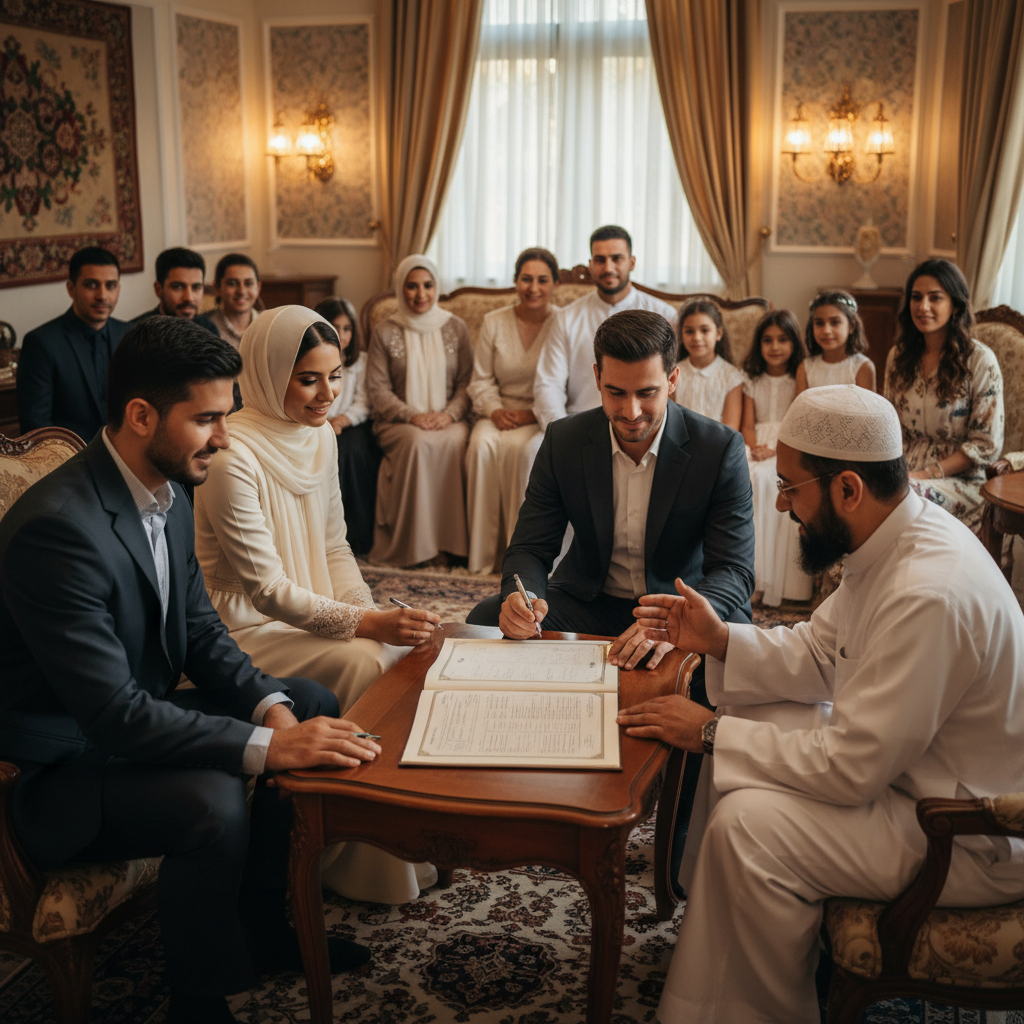
The 7 Mistakes That Can Ruin the Big Day (and How to Avoid Them)
Most nikkah day problems are predictable. Missing witnesses, unclear sound, a cluttered signing table, or late arrivals steal focus. Solve them with early confirmations, a simple layout, tested microphones, and a 10-minute pre-brief. Small fixes prevent long delays.
- Not confirming witnesses 72 hours prior: Send a final text and calendar hold with arrival buffer.
- Over-decorating the signing area: Keep the table clear—contract, pens, rings, and a small floral accent.
- Skipping a live mic test: Test at the imam’s height and speaking spot, not just anywhere.
- No photo-friendly light at signing: Angle the table toward natural light or add a soft key light.
- Unassigned usher for elders: Reserve front-row seating and guide elders from the door.
- Loose run sheet: Timebox khutbah, ijab-o-qubul, dua, signing, and family clusters for photos.
- No backup plan: Spare pens, extra water, second mic, and a quiet side room for resets.
We see relief on families’ faces when these seven issues are neutralized in advance. The ceremony becomes graceful, unhurried, and deeply memorable.
Timeline and Run Sheet You Can Use
Use a 60–90 minute template with arrival buffers. Keep the khutbah to 10–15 minutes, allow 5 minutes for ijab-o-qubul, and 10 for signing. Reserve 15–20 minutes for photos. This predictable arc helps guests and vendors stay in sync.
| Time | Activity | Lead | Notes |
|---|---|---|---|
| -30 min | Setup complete, mic and seating check | Décor + AV | Test at speaking positions |
| -15 min | Imam, witnesses, wali arrive | Coordinator | Confirm IDs (if needed) |
| 0:00 | Welcome + housekeeping | MC/Reader | Phones to silent |
| 0:05 | Khutbah/sermon | Imam | 10–15 minutes |
| 0:20 | Ijab-o-qubul (offer/acceptance) | Imam | Clear mic, minimal noise |
| 0:25 | Dua/prayer | Imam | Seated if preferred |
| 0:30 | Signing of nikah-nama | Imam + Couple | Uncluttered table, good light |
| 0:40 | Family congratulations | Usher | Keep aisle clear |
| 0:50 | Photography block | Photo Lead | Must-have list first |
| 1:10 | Closing announcements | MC/Reader | Next steps for guests |
Adjust for mosque schedules, prayer times, or if you’re pairing the nikkah with a light tea service. Keep the structure and roles even if you compress durations.
Your Nikkah Ceremony Planning Checklist (Master)
Track roles, documents, layout, timings, and backups. Confirm the imam, wali, two witnesses, mahr, nikah-nama, and sound. Prepare a clear signing space, photo plan, and elder seating. Reconfirm 72 hours out and bring spare pens and water. This list anchors a smooth day.
People and roles
- Imam/officiant (arrival, sermon style, language)
- Wali (if applicable) and two adult witnesses
- MC/reader, usher for elders, décor lead, photo lead
Documents and items
- Nikah-nama prepared and reviewed
- Mahr agreed and documented
- IDs for signatories (where required), pens, ring tray
Space and sound
- Quiet layout, uncluttered signing table
- Mic and speaker tested at speaking positions
- Reserved seating for elders, kids’ corner if needed
Timing and communication
- 60–90 minute run sheet shared with names and numbers
- Final confirmations 72 hours prior
- Backup plan for mic, pens, and a quiet reset room
Keep this list printed and on your phone. We also share it with imams who appreciate a tidy, respectful setup.
Planning Help Without the Stress
If you want a serene, on-time nikkah, hand us the logistics. We coordinate the imam, witnesses, décor, and flow, then guide photos and guest movement so you can stay present. A short call gets your plan moving.
Soft CTA: Prefer to focus on intention while we handle the details? Our Greater London team can map your checklist, style your space, and coordinate the day with the same polish we bring to annual galas and grand receptions.
Light Bites and Hospitality (Optional)
Pair the nikkah with simple hospitality: tea, mithai, or light savory bites. Keep the service separate from the ceremony flow. Stage trays near the exit and brief ushers to manage a gentle queue.
Use menu-planning inspiration for flavor ideas, then adapt to your family’s traditions and dietary preferences. For mosque-based nikkahs, confirm food rules and cleanup windows in advance.
Nikkah Ceremony Planning: Frequently Asked Questions
The most common questions involve roles, timing, and documents. You’ll need an imam/officiant, wali (if applicable), two witnesses, the nikah-nama, and an agreed mahr. Plan a 60–90 minute run sheet, test sound, and keep the signing table clear for photos and focus.
How long should a nikkah ceremony take?
Most nikkahs run 60–90 minutes including welcome, khutbah, ijab-o-qubul, dua, signing, and a short photo block. If you’re in a mosque with a fixed window, tighten transitions and pre-seat witnesses so the schedule holds.
What documents are needed for the nikkah?
You’ll need the nikah-nama (marriage contract), the agreed mahr details, and identification for signatories where required. Keep two pens ready and a clean, well-lit signing table so the paperwork and photos are both neat.
Do we need a civil ceremony as well?
Many UK couples complete a separate civil registration to meet legal requirements, then hold the nikkah as a religious ceremony. Plan both timelines so elders and key family members can attend comfortably.
How do we set the mahr respectfully?
Agree the mahr well before the day and note it on the contract. Keep the ring tray and mahr gift area uncluttered so the moment is dignified and easy to photograph. A brief announcement can explain its significance for guests.
What should our décor look like?
Keep it modest and photo-friendly: a clean floral arch, neutral draping, and a clear aisle. Avoid crowding the imam or signing table. Reserve front-row seating for elders and ensure the mic is tested where the imam will stand.
Key Takeaways
Center the sacred steps; keep décor restrained; assign roles; and follow a 60–90 minute run sheet. Reconfirm people 72 hours prior and test AV at speaking positions. A calm, minimal setup yields the clearest photos and the most peaceful ceremony.
- People, paperwork, and place—confirm all three early.
- Keep the signing table uncluttered and well-lit.
- Reserve seats for elders and appoint an usher.
- Test microphones where they’ll actually be used.
- Use a printed run sheet with names and numbers.
Conclusion and Next Steps
A disciplined nikkah ceremony planning checklist brings order and calm to a sacred milestone. With roles, documents, and a simple layout set in advance, families stay present and the ceremony flows. Start with the master list here and adapt it to your setting.
Ready for a serene ceremony? We can coordinate your imam, witnesses, décor, and photos from our Harrow base in HA3 0PB, serving Greater London and beyond. Prefer to discuss your layout or timeline? Book a discovery chat and we’ll map your run sheet together.