A destination wedding planning checklist is a structured, step-by-step list that organizes venues, travel, legal documents, rituals, timelines, and guest logistics into one reliable roadmap. From our HA3 0PB base on Abercorn Garden in Harrow, Patel Events applies this checklist to coordinate multi-day celebrations across Udaipur, Goa, and other global locations with precision and ease.
By Shani Patel — Patel Events
Last updated: 2026-05-09
Overview and Table of Contents
Use this end-to-end destination wedding checklist to plan confident, on-time celebrations. It outlines timelines, travel and legal essentials, vendor sequencing, cultural rituals, and guest experience details—plus tools, templates, and mini case studies from Patel Events. Skim the summary, then jump to the sections you need most.
This complete guide is designed for couples and families planning South Asian and multicultural weddings abroad. You’ll find the key steps, practical timelines, and examples informed by 27+ years of Patel Events’ experience.
- What is a destination wedding planning checklist?
- Why a checklist matters (HA3 0PB and Greater London context)
- How destination wedding planning works: step-by-step
- Types and approaches (beach, palace, city; South Asian rituals)
- Best practices that reduce risk
- Tools and resources (templates + apps)
- Case studies and examples
- The timeline checklist (12–18 months to week-of)
- Travel, documents, and on-the-day logistics
- Destination planner vs. local planner responsibilities
- FAQ
- Conclusion and next steps
What Is a Destination Wedding Planning Checklist?
A destination wedding planning checklist is a master list that sequences research, venue selection, travel, legal requirements, vendor booking, design, cultural rituals, and guest communications. It keeps tasks in the right order, reduces rework, and ensures your multi-day celebration stays aligned with your vision.
Think of the checklist as a living project plan. It integrates design direction, cultural nuances, and real-world logistics into one place so decisions build on each other. We use it to coordinate venue holds, secure date-dependent rituals (like muhurat), and align travel with production timelines.
- Scope clarity: Define ceremonies (nikkah, sangeet, pheras), receptions, and welcome/farewell events.
- Legal path: Identify marriage requirements early (documents, waiting periods, translations, registrations).
- Travel rhythm: Map guest flights, transfers, and hotel blocks to your event flow.
- Vendor grid: Build a core team (venue, catering, photo/video, decor, music/DJ) in the right order.
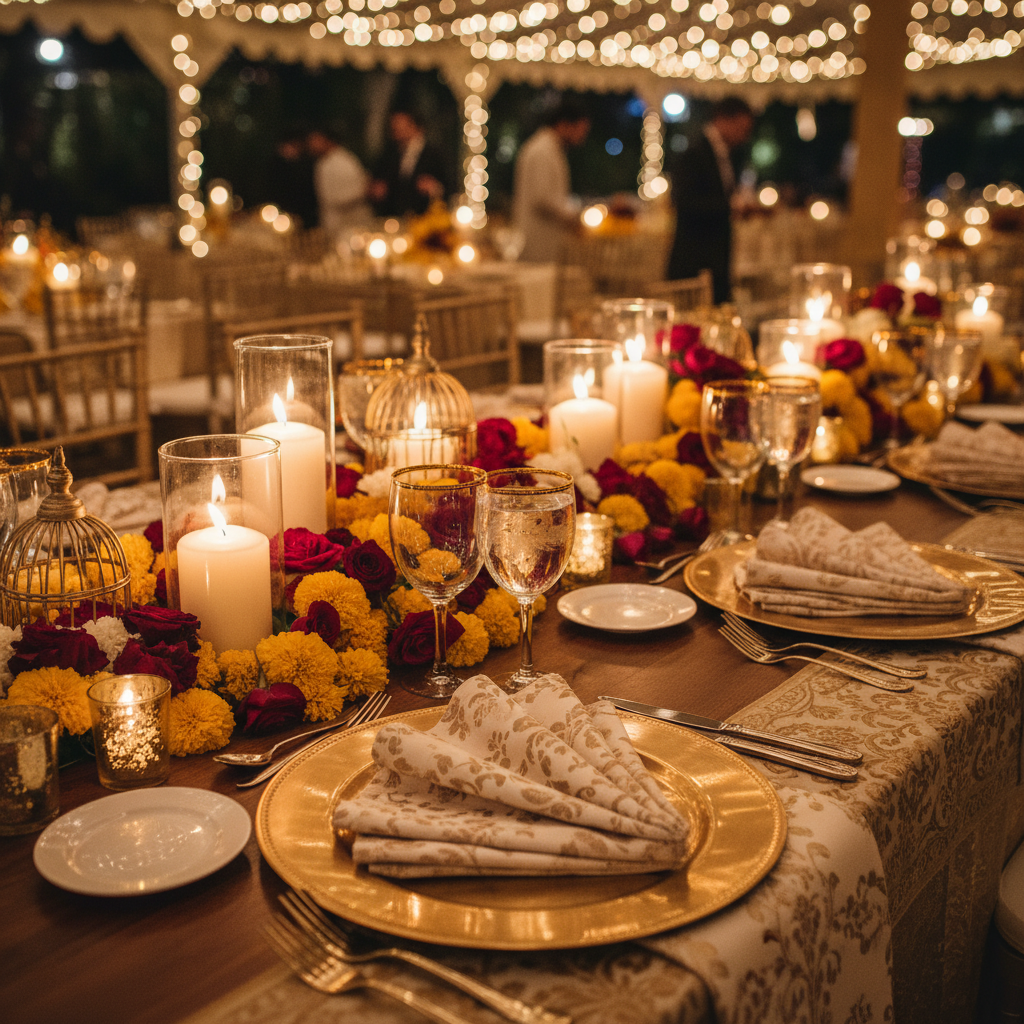
- Design cohesion: Tie florals, lighting, and tablescapes to your setting (beach, palace, city rooftop).
When couples ask where to start, we start with outcomes: the guest experience, cultural fidelity, and the feel of each event. The checklist then becomes the backbone that turns vision into timelines and tasks.
Why a Checklist Matters (HA3 0PB and Greater London Context)
A structured checklist prevents venue and vendor bottlenecks, missed legal steps, and travel snags. For couples planning from Greater London—including HA3 0PB in Harrow—it aligns time zones, holiday calendars, and supplier lead times so nothing slips between planning in the UK and production overseas.
Planning abroad adds distance and complexity. A concise, visible sequence reduces friction and helps families collaborate. In our experience, checklists improve on-time decision-making, accelerate approvals, and cut emergency calls dramatically.
- Time zone sync: Schedule standing check-ins that work for both London and your destination.
- Holiday awareness: Account for UK bank holidays and local festivals abroad when booking suppliers.
- Buffering: Add slack for shipping decor and garments; 5–10% calendar buffer reduces last-minute risk.
- Guest reality: Expect 10–20% of invited guests to decline international travel; plan RSVP windows accordingly.
Local considerations for HA3 0PB
- Leverage proximity to Preston Road Station for in-person planning meetups before venue calls.
- Book fittings and trial makeups outside commuter peaks; Friday evenings near Northwick Park station get busy.
- When shipping decor from Greater London, consolidate into one outbound to simplify customs paperwork.
How Destination Wedding Planning Works: Step-by-Step
Destination planning works by fixing anchors first—date, place, and guest count—then layering legal, travel, and vendor decisions in sequence. We lock high-impact choices early, then iterate design and guest experience details in structured sprints to keep momentum and quality high.
At Patel Events, we break planning into focused workstreams. Each has a clear owner, timeline, and definition of done. Here’s the practical sequence we use.
- Vision + scope (Week 1–2): Define rituals, guest segments, and desired settings. Outcome: signed brief.
- Date + location (Week 2–4): Shortlist two regions and three venues per region. Outcome: pencil holds.
- Legal path (Week 3–6): Confirm local marriage requirements, translations, and registration options.
- Guest count bands: Model small/medium/large scenarios; set target and contingency plan.
- Vendor spine (Month 2–3): Lock venue, catering, cinematography, decor, and DJ in that order.
- Travel ecosystem: Secure room blocks, transfers, and welcome desk coverage; draft travel FAQs.
- Design sprints (Month 3–5): Florals, palettes, lighting plots, and tablescapes; approve mockups.
- Ritual choreography: Timing for nikkah/sangeet/pheras; rehearsal plan; elders’ involvement.
- Guest comms cadence: Save-the-dates, portal, RSVP windows, and final info packs.
- Production readiness: Final walkthrough (virtual/onsite), show flows, and show-caller scripts.
Two practical tips: batch decisions by category to avoid context switching, and keep a single source of truth for versions. Most couples benefit from 30–45 minute weekly stand-ups; it keeps progress steady without meeting fatigue.
Types and Approaches (Beach, Palace, City; South Asian Rituals)
Choose an approach that fits your rituals, climate, and guest comfort: beach mandap at sunset, palace courtyard pheras in golden light, or chic city rooftop receptions. Align decor, music, and food with the setting so each choice amplifies, not competes with, the location’s natural character.
Your location sets the baseline for logistics and design. We help couples translate cultural rituals into settings that feel natural and cinematic.
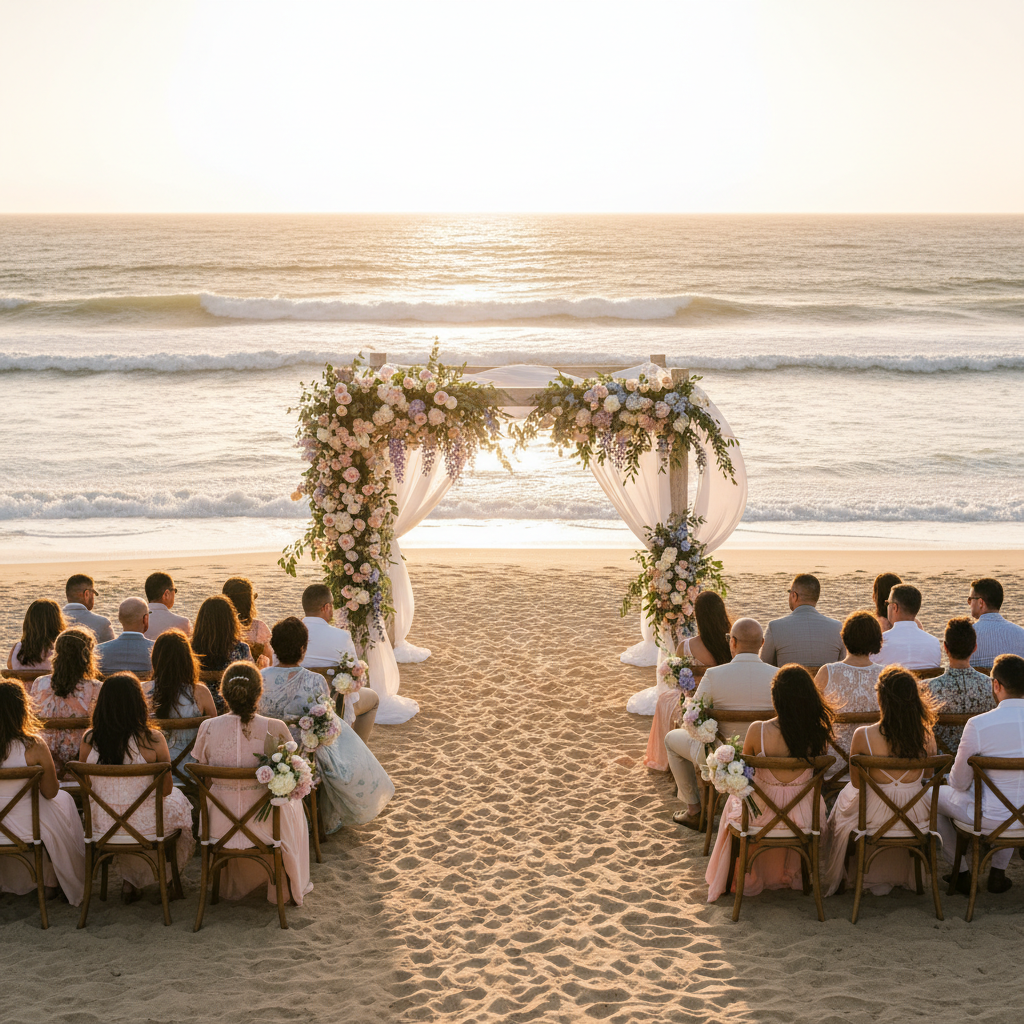
- Beach settings: Sunset pheras or nikkah under airy draping; wind-rated structures; sand-friendly seating.
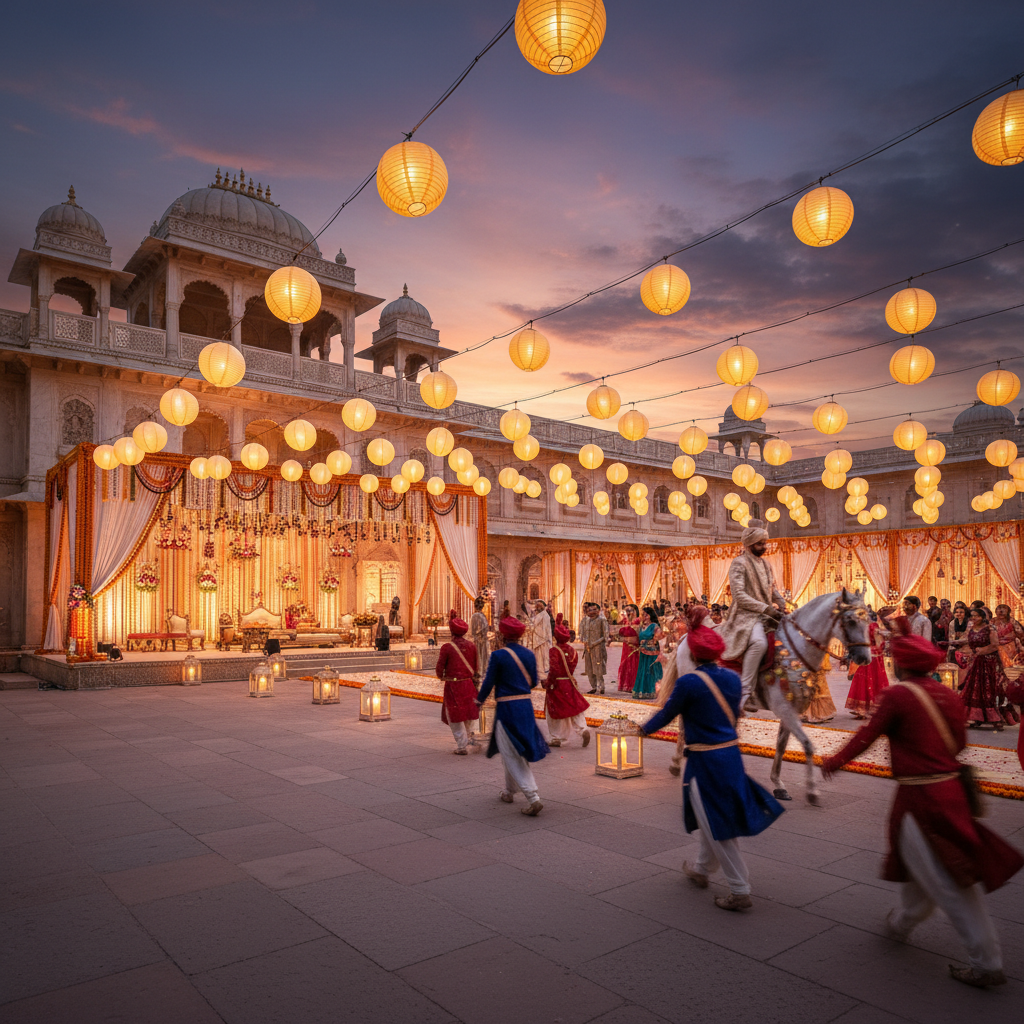
- Palace courtyards (e.g., Udaipur): Lantern-lit aisles, shehnai or live strings; long lens cinematography.
- Garden estates: Daytime sangeet with vibrant garlands; shaded lounges; misting fans in warmer months.
- City rooftops: Modern palettes, clean lines, skyline reveals; noise ordinances guide DJ timing.
- Blend of traditions: Haldi and mehndi brunches flow into evening receptions with contemporary playlists.
Consider accessibility (elevators, ramps), climate control (heaters, fans), and acoustic plans (live vs. amplified). For South Asian ceremonies, we also map priest/imam availability and ensure cultural items arrive with time to acclimate to local weather.
Best Practices That Reduce Risk
The best practices are simple: lock high-dependency items early, communicate to guests in predictable cadences, and build buffers into shipping and schedules. Treat design as a sequence of mockups and approvals so nothing debuts for the first time on show day.
Small, consistent moves prevent big issues. In our experience, three habits deliver the most value.
- Decisions in order: Venue before decor; officiant before rehearsal; travel before day-by-day agenda.
- Predictable guest comms: Save-the-date at 9–12 months; formal invite at 5–6; final packs at 3–4 weeks.
- Time buffers: Add 15 minutes around processions; 30 minutes before photo sessions; 10 minutes for vendor resets.
- Weather-ready: Shade structures for noon ceremonies; clear umbrellas for showers; weighted bases for wind.
- Single source of truth: Centralize runsheets, contact lists, and seating diagrams for all teams.
We’ve also found that assigning a “guest concierge” role smooths little moments—late arrivals, stroller storage, or special meal confirmations—so couples stay present. For baraat processions, plan 90–120 minutes including hydrated reset time before the ceremony.
Tools and Resources (Templates + Apps)
Use shared planning tools, standardized templates, and a guest portal to keep everyone aligned. A central workspace with checklists, timelines, seating, and travel FAQs cuts email ping-pong and speeds approvals across time zones.
Tools don’t plan for you, but the right ones remove friction. We set up a hosted workspace for each couple with these core components.
- Master checklist: 12–18 month tasks sequenced by dependency.
- Timeline + runsheets: Separate build, show, and strike schedules; minute-by-minute flows.
- Seating and guest data: Dietary notes, mobility needs, VIPs, childcare requests.
- Design board: Palettes, florals, linens, lighting, and stage sketches.
- Vendor directory: Contracts, contacts, technical riders, and proof schedules.
- Guest portal: RSVP form, hotel info, dress codes, local transport tips, and emergency contacts.
For menu inspiration, browsing visual examples can jumpstart decisions—see a helpful gallery-style post on wedding catering menu planning for ideas you can translate to your chosen destination.
Case Studies and Examples
Every destination has its rhythm. These short case studies show how small planning choices—timing, vendor order, and guest flow—deliver calm, cinematic results across Udaipur, Goa, and European city venues.
Names omitted for privacy, but the formats mirror real Patel Events productions delivered with our 50+ vendor network and 98% client satisfaction rate.
- Udaipur courtyard pheras (3-day flow): Day 1 welcome on terraces; Day 2 sangeet in a lantern-lit courtyard; Day 3 morning pheras with live shehnai. We scheduled rehearsals at blue-hour to lock camera exposure and timed baraat to land 45 minutes before vows.
- Goa beach nikkah at sunset: Mandap engineered for wind; guests in shaded lounges; barefoot-friendly aisle runners. We staggered guest transfers to prevent queues and used a roaming concierge for elder seating. Post-ceremony, we ran a 20-minute golden-hour photo hold.
- European city rooftop reception: Local noise ordinances required an indoor music switch by 10 p.m. We front-loaded dances and speeches, then transitioned to an indoor after-party with a DJ set. Lighting plots doubled as rain plan cues so the team could flip in 12 minutes.
In each case, the checklist acted as a decision ledger—keeping the couple’s vision central while enabling confident pivots when weather or local rules changed.
The Destination Wedding Planning Checklist Timeline
Start 12–18 months out. Fix date and place, confirm legal steps, and lock your vendor spine. At 6–9 months, finalize design boards and guest travel. In the last 8 weeks, shift to runsheets, rehearsals, and on-site readiness so show day feels calm and deliberate.
12–18 months out
- Define rituals and event count (welcome, haldi/mehndi, nikkah/pheras, reception, farewell).
- Shortlist two regions and three venues per region; request capacity charts and sample layouts.
- Outline legal path (documents, translations, registration vs. symbolic ceremony+home registration).
- Hold target date(s); align with family calendars and school breaks for travel ease.
- Estimate guest count bands; plan child-friendly and elder-friendly options.
9–12 months out
- Lock venue and room blocks; draft guest portal with travel FAQs and dress codes.
- Book core vendors in order: photo/video, decor/florals, DJ/entertainment, officiant.
- Approve design direction (palettes, stage/mandap sketches, lighting concepts, linens, tablescapes).
- Confirm ceremony leaders (pandit/imam/celebrant) and rehearsal windows.
- Send save-the-dates; open early RSVP capture for forecasting.
6–9 months out
- Finalize menus and tastings; confirm dietary accommodations.
- Plan transportation: airport transfers, guest shuttles, VIP movements.
- Lock beauty team trials; align hair/makeup schedules with photo call times.
- Order attire; plan shipping or carry-on strategy for critical garments/jewelry.
- Advance technicals: power plans, audio checks, stage rigging, safety rails.
3–6 months out
- Send formal invitations; collect detailed RSVPs and travel data.
- Confirm ceremony music and reception playlists with DJ; align with local noise rules.
- Approve florals; sign off on table numbers, place cards, and signage designs.
- Draft runsheets; set show-caller, stage manager, and guest concierge roles.
- Reconfirm legal documents are in-hand and valid for travel windows.
Final 8 weeks
- Virtual or on-site walkthrough; finalize rain/wind contingencies.
- Distribute vendor contact list and minute-by-minute flows.
- Ship decor elements and welcome gifts; track customs and delivery windows.
- Issue final guest info packs: transfers, dress codes, weather notes, WhatsApp help line.
- Hold rehearsals; confirm ceremony cueing and family roles.
Travel, Documents, and On-the-Day Logistics
Build your travel and document plan early. Validate marriage paperwork steps, set a clear guest flight and transfer plan, and keep a day-of logistics desk reachable by WhatsApp or SMS. Clarity reduces stress and improves guest arrival timing.
Legal requirements vary by country. Many couples hold a symbolic ceremony abroad and register at home; others pursue full local registration with translations and witnesses. Either path benefits from one owner and a dated checklist.
- Documents: Passports, affidavits or certificates of no impediment, translations, witness requirements, and registration steps.
- Travel rhythm: Encourage arrivals one day before the first event; stagger shuttles by hotel cluster.
- Insurance mindset: Look for coverage that addresses supplier failure, travel disruption, and severe weather.
- Comms hub: A WhatsApp broadcast or SMS line for late arrivals and real-time updates.
- Accessibility: Wheelchair-friendly routes; shade and hydration stations for elders and kids.
For venue layout ideas and capacity cues you can adapt abroad, browse a concise collection of Indian wedding layouts and tips. For visual venue context, a quick-read article on finding your dream venue offers helpful prompts you can apply to palace or beach settings.
Destination Planner vs. Local Planner Responsibilities
A destination planner orchestrates the full ecosystem—rituals, travel, vendors, and guest experience—while local vendors execute specialized roles (catering, decor, AV). The cleanest results come from one lead planner coordinating all suppliers against a single, dated runsheet.
Couples often ask who owns what. Here’s a practical comparison you can use to delegate with confidence.
| Area | Lead Planner (Patel Events) | Local Vendor |
|---|---|---|
| Vision & Scope | Consolidates rituals, events, guest flow; maintains master brief | Adapts service to approved scope |
| Legal & Documents | Tracks steps and deadlines; coordinates translations | Provides local guidance if applicable |
| Vendor Spine | Sources, vets, and sequences bookings | Executes contracted scope (e.g., florals, AV) |
| Design Direction | Approves palettes, mockups, and lighting plots | Builds to spec; flags feasibility issues |
| Guest Experience | Curates comms, transfers, accessibility | Supports on-site (e.g., shuttle ops) |
| Show Calling | Runs minute-by-minute flows and contingencies | Follows cues and change calls |
Our role is to reduce cognitive load. With one owner for sequencing and communication, specialists can focus on craft—florists on structure, DJs on energy, and cinematographers on the story.
A Helpful Mid-Guide Checkpoint
If you’re halfway through planning and feeling the load, pause for a structured review. A one-hour checkpoint can realign timelines, confirm vendor order, and simplify guest communications—often saving weeks later.
Soft CTA: Want a second set of eyes on your plan? We host concise, outcome-focused reviews to stress-test runsheets, travel plans, and vendor sequencing. If you’re planning a brand event too, our annual gala experience informs guest flow and stagecraft choices.
What We Borrow from Annual Gala Planning
Annual galas teach precise show flow, stage cues, and guest experience design. We adapt those principles to destination weddings so ceremonies start on time, transitions feel natural, and technical elements run quietly in the background.
Because Patel Events also produces corporate launches, conferences, and annual galas, we bring discipline from those programs into weddings:
- Show flow discipline: Clear cueing and segment timings minimize overrun.
- Stage safety: Rails, risers, taped edges, and protected cable runs.
- VIP care: Managed back-of-house routes and green rooms where venues allow.
- Playback confidence: Redundant audio paths and tested playlists for the DJ team.
The result is a celebration that feels effortless because the operational spine is strong.
Key Guest Experience Details Couples Forget
Small details build big comfort: hydration and shade, stroller parking, scent-safe floral zones, and late-arrival signage. Define these early so your venue map, signage plan, and emcee/DJ scripts keep guests calm and informed.
- Wayfinding: Clear arrows from lobby to ceremony; bilingual if needed.
- Comfort: Fans, water stations, and soft seating near elders.
- Scent sensitivity: Floral choices that balance fragrance with guest comfort.
- Kids’ corner: Quiet activities and proximity to restrooms.
- Photography holds: Build 20-minute buffers after key rituals for family portraits.
Ask your DJ or emcee to carry micro-announcements: “Shuttles depart every 15 minutes from the south gate,” or “Family photos begin on the terrace in five minutes.”
Cinematography and Music: Getting the Story and the Sound Right
Lock cinematography early and give your DJ the show map. Good light and clean audio don’t happen by accident—it’s planned through rehearsals, lighting plots, and microphone strategy so the vows and toasts are captured beautifully.
- Golden-hour mapping: Note actual sunset times; plan vows or couple portraits accordingly.
- Audio plan: Lapel mics for vows; backup handhelds; wind screens for outdoor vows.
- Shot lists: Family groupings; detail frames (mandap, garlands, tablescape); wide establishing shots.
- DJ handoffs: Cue sheets for entrances, first dance, speeches, cake, and last song.
We coordinate cinematography, DJ for Events, and decor so visuals and sound feel cohesive across each day.
Frequently Asked Questions
These quick answers cover timing, guest RSVPs, site visits, and weather plans. Each one reflects how we guide couples through common decision points so that the week-of feels steady and enjoyable.
How far in advance should we start planning?
Begin 12–18 months out if you can. That window secures venues, leads time for legal steps, and protects your preferred dates for rituals and travel. With clear priorities, 9–12 months can still work for many destinations.
Do we need to visit the venue in person?
In-person helps, but it’s optional. We often run detailed virtual walkthroughs, review scale drawings, and approve mockups remotely. If you can’t travel, schedule two virtual site checks and a final pre-production call with all vendors.
What if local marriage rules are complicated?
You have options. Some couples register at home and hold a symbolic ceremony abroad; others complete local registration with translations and witnesses. Either way, assign one owner for the document timeline and confirmations.
How do we handle weather uncertainty?
Plan A and Plan B share the same bones. We pre-authorize a covered or indoor flip with lighting and audio notes. Keep weighted bases, aisle runners, and clear umbrellas ready; build 15-minute holds around outdoor moments.
What RSVP rate should we expect?
It varies by destination and season, but many couples see 60–80% attendance for destination weddings. Open RSVPs early, send periodic reminders, and provide clear travel info to help guests commit confidently.
Conclusion and Next Steps
A clear checklist turns distance into discipline. When you sequence decisions, communicate predictably, and build thoughtful buffers, a destination wedding feels calm, timely, and deeply personal—no matter the location.
Here’s how to move forward with confidence.
- Set anchors: Pick date, place, and guest band; define legal path.
- Build the spine: Lock your venue and core vendors in order.
- Design in sprints: Approve mockups; align cinematography and DJ cues.
- Ready the guests: Open your portal and share predictable updates.
- Rehearse and refine: Walk flows, test audio, and finalize buffers.
Key takeaways
- A checklist prevents rework and missed steps.
- Start early; sequence high-dependency choices first.
- Centralize information; assign clear ownership.
- Design, sound, and light are planned—not improvised.
- Guest comfort is a feature, not a nice-to-have.
Friendly CTA: If you’d like hands-on guidance from a Harrow-rooted team that plans across Udaipur, Goa, and beyond, we’d love to help. Book a discovery session from HA3 0PB and let’s map your celebration, step by step.