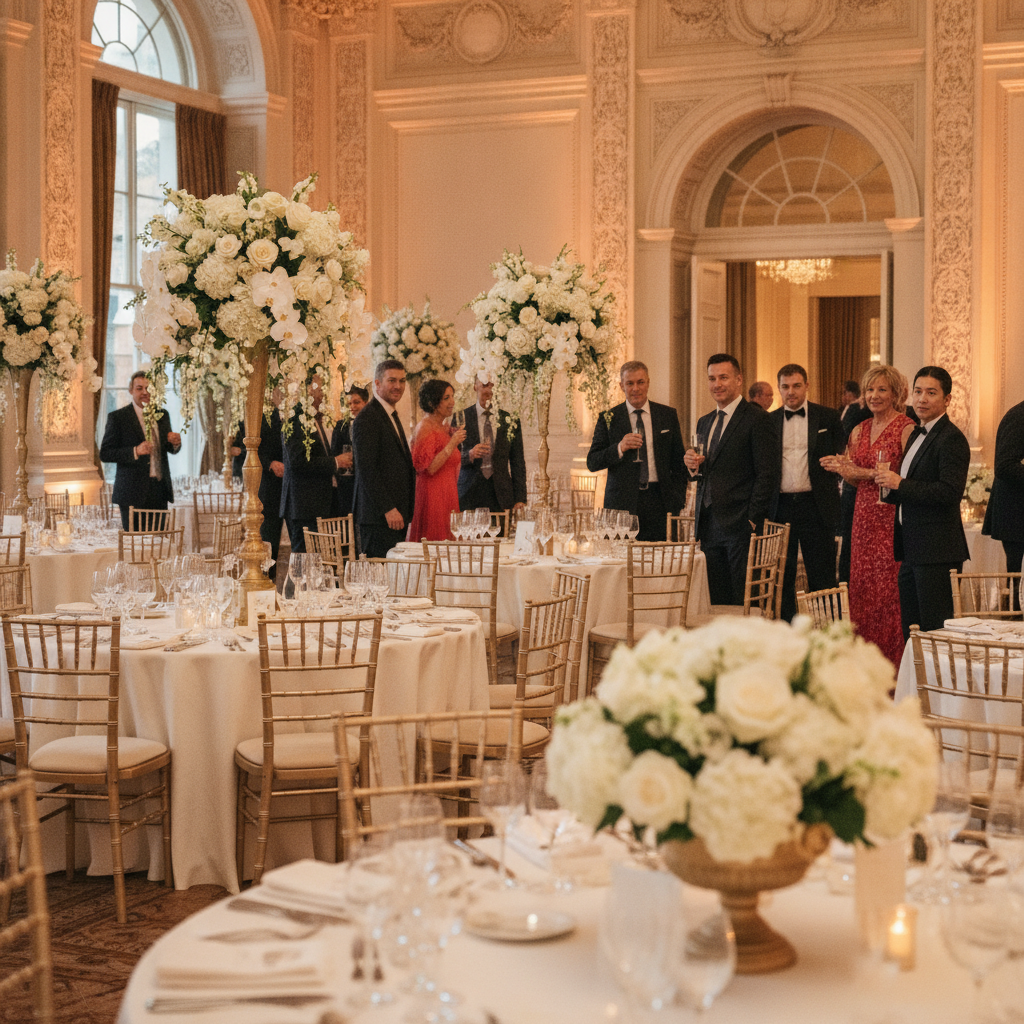
Wedding planner London services streamline design, logistics, and vendor coordination to deliver a smooth, on-time celebration. From our base on Abercorn Gardens in HA3 0PB, we guide couples through vision, scheduling, and cultural details so nothing slips. The result is a well-run day, fewer surprises, and space to enjoy every moment together.
By Shani Patel, Patel Events • Last updated: 2026-06-20
Quick overview and table of contents
This complete guide explains how a London wedding planner prevents delays, protects your timeline, and elevates design. Grounded in HA3 0PB and Greater London experience, it covers what planners do, how the process works, common mistakes, tools, real South Asian case studies, and key steps to select the right partner.
Here’s the thing—most delays are predictable and avoidable. The chapters below show you exactly where plans slip and how to prevent it with practical checklists, realistic timelines, and cultural fluency. Skim the table of contents, then jump straight to what you need.
- What a wedding planner in London does
- Why planning matters (and where delays start)
- How wedding planning works: a 12–18 month timeline
- Types of planning: full, partial, day-of
- Best practices to avoid costly delays
- Tools and resources that keep you on track
- Case studies: South Asian weddings in Greater London
- Value and scope considerations (no pricing)
- Choosing the right wedding planner in London
- Frequently Asked Questions
- Key takeaways
- Conclusion and next steps

What a wedding planner in London does
A London wedding planner is a project lead for your celebration—owning logistics, vendor management, and design cohesion from first idea to final dance. They translate vision into a realistic timeline, coordinate 20–30 suppliers, and orchestrate the day so couples can be present, calm, and focused on guests.
In our experience delivering 500+ events with a 98% client satisfaction rate, a planner’s first job is clarity. We help you define scope, sequencing, and requirements so decisions are quick and aligned. Clear scope early reduces rework later and protects your timeline when pressure rises.
Core responsibilities you can delegate
- Master timeline creation: A 12–18 month roadmap with milestones, decision points, and buffer windows.
- Vendor ecosystem leadership: Sourcing, shortlisting, negotiating, and coordinating 8–12 key suppliers.
- Design direction: Cohesive décor, florals, tablescapes, installation plans, and run-of-show integration.
- On-site orchestration: Load-in schedules, room flips, guest flow, and minute-by-minute ceremony management.
- Risk management: Contingencies for weather, transit, and vendor substitutions.
Where we add unique value at Patel Events
- Cultural fluency: Deep experience across nikkah, sangeet, and Gujarati traditions ensures rituals feel authentic and on time.
- Destination readiness: Proven planning across Udaipur, Goa, and overseas venues when London is only one chapter of your story.
- Trusted network: 50+ vetted partners for lighting, staging, décor, and entertainment accelerates booking and reduces risk.
Looking for a broader framework? Our internal primer on wedding event management shows how strategy, design, and logistics interlock in London venues; see our wedding event management guide for the full model.
Why planning matters (and where delays start)
Strong planning compresses decision cycles, synchronizes vendors, and eliminates bottlenecks that cause late starts. The main delay drivers are unclear scope, late approvals, venue restrictions, and last-minute design changes. A planner sequences choices early so production teams can build on schedule.
Here’s why this matters: even a 20-minute ceremony delay can domino into overtime cutoffs, late kitchen service, and a rushed reception entrance. We’ve seen this across venues where load-in windows and sound curfews are fixed. Precision planning keeps the day flowing naturally.
Common delay triggers we neutralize
- Late venue confirmations: Without confirmed floor plans, production drawings and rentals pause.
- Fragmented vendor briefs: Mismatched specs force remakes (linens, florals, print) and burn calendar days.
- Approval bottlenecks: Décor boards, menus, and scripts need timely sign-off to protect fabrication lead times.
- Transit constraints: Weekend road closures or peak-hour deliveries need rerouting to maintain schedules.
- Understaffed setups: Large installs need the right crew count; we plan load-in by square footage and complexity.
We routinely build 10–15% buffer into run sheets. That cushion absorbs minor hiccups without guests noticing. It also gives photo and video teams room to capture signature moments smoothly.
How wedding planning works: a 12–18 month timeline
Effective wedding planning follows a structured 12–18 month arc: clarify vision and guest count, secure venue and top vendors, lock design, confirm logistics, and rehearse. Each phase includes approvals, deposits, and buffer weeks. The result is predictable momentum without last-minute scrambles.
We use a milestone-led cadence that fits diverse traditions and London venue rules. Couples who follow this sequence feel informed, never rushed, and excited at each reveal. Below is a high-level timeline you can adapt to your date and ritual count.
12–18 months out: foundation
- Define vision, priorities, and non-negotiables in a 90-minute kickoff.
- Confirm a target guest range (e.g., 120–300) to drive venue filtering.
- Shortlist and secure venue, photo/video, and key entertainment.
- Establish a master timeline and weekly planning rhythm.
9–12 months out: design and production
- Finalize design boards, colorways, florals, and staging concepts.
- Lock catering direction and tasting dates; outline guest experience.
- Book decor, lighting, staging, and specialized rentals.
- Schedule engagement shoot and preliminary content plan for cinematography.
6–9 months out: details and approvals
- Issue save-the-dates and guest communication plan.
- Confirm ceremony scripts, ritual sequences, and family roles.
- Approve production drawings and floor plans with the venue.
- Begin transport and accommodation holds for VIPs.
3–6 months out: locking logistics
- Place final orders on florals, print, favors, and uniforms with 4–6 week buffers.
- Run menu tastings and finalize service timing (e.g., 12–14 minutes per course for plated).
- Confirm AV cues, entertainment sets, and sangeet choreography timelines.
- Conduct site visits with suppliers (often 3–5 for complex builds).
0–8 weeks out: rehearsal and execution
- Issue the minute-by-minute run sheet and vendor pack.
- Hold final walkthrough to validate load-in paths and power.
- Complete rehearsal with wedding party, officiant/Qazi/Pandit as applicable.
- Execute contingency plan for weather or transit updates.
Want the deep dive on décor sign-offs and installation pacing? Explore our wedding décor planning checklist for sequencing and approvals.

Local considerations for HA3 0PB
- Transit timing: Build buffer around weekend service near Preston Road Station to keep arrivals on time.
- Seasonal flow: Summer Saturdays book early across Greater London; secure permits and parking plans by spring.
- Vendor staging: Northwick Park station area can be congested; assign marshals and staggered load-ins.
Types of wedding planning services
Most couples choose among full-service planning, partial planning, and day-of coordination. Full-service covers design through execution. Partial focuses on selected phases. Day-of (month-of) finalizes details and runs the event. The right model depends on ritual count, complexity, and time capacity.
Matching service level to scope reduces stress and protects schedules. For multi-event South Asian weddings—nikkah, sangeet, baraat, reception—full-service often pays dividends in vendor cohesion and design continuity. For a single-venue Western ceremony and reception, partial planning may fit nicely.
| Planner type | Best for | Core responsibilities | Risk if DIY |
|---|---|---|---|
| Full-service | Multi-ritual, multi-day, design-forward builds | Vision, vendor ecosystem, design, logistics, on-site lead | Scope creep, fragmented vendors, missed lead times |
| Partial planning | Clear vision, limited time, selected gaps | Vendor shortlist, design refinement, timeline coaching | Approval delays, production misalignment |
| Day-of (month-of) | DIY planners who need event-day control | Final confirmations, run sheet, on-site coordination | Execution risk, timeline slippage |
Considering a destination celebration? Our destination vs local planner breakdown highlights how on-the-ground partners complement London-based pre-production.
Best practices to avoid costly delays
Prevent delays by locking decisions in the right order, empowering a single approver, and building buffers into the calendar and run sheet. Confirm venue rules early, centralize vendor specs, and rehearse transitions. These practices remove bottlenecks that typically cost hours on event day.
Decision order that protects timelines
- Venue before visuals: Final floor plans drive staging, florals, and print specs.
- Menu before print: Place cards, signage, and favors depend on final counts and dishes.
- Lighting before linens: Color temperature influences fabric selection and photography.
- Entertainment before AV: Band/DJ riders define input lists and power needs.
Approval hygiene that speeds production
- Nominate one decision owner or a two-person quorum to avoid circular reviews.
- Set weekly decision windows so vendors aren’t waiting midweek.
- Use visual mockups to cut rework by clarifying expectations.
- Keep a change log so scope and costs are always visible.
Risk controls that keep the day smooth
- Two load-in routes: A back-up for lifts or blocked bays.
- Weather-ready plans: Covered baraat routes and photo alternates.
- Guest flow maps: Reduce bottlenecks at bars, buffets, and photo ops.
- Call sheet discipline: Vendor arrival times in 15-minute blocks.
Planning a sangeet-heavy weekend? Our South Asian planning mistakes guide distills lessons that save hours in choreography and floor transitions.
Tools and resources that keep you on track
Use structured tools: master timelines, production drawings, guest-flow diagrams, and vendor call sheets. Pair them with collaboration platforms and visual boards. Clear artifacts reduce misunderstandings, accelerate approvals, and let crews install with confidence—especially in complex, multi-ritual builds.
Artifacts we rely on
- Master timeline workbook: Milestones, dependencies, and buffers by week.
- Scaled floor plans: Seating, staging, and power drops to code.
- Run-of-show: Minute-by-minute cues for ceremony, reception, and transitions.
- Vendor pack: Specs, contacts, arrival windows, and marshaling notes.
Helpful external references
For pacing and reception flow inspiration, browse this reception timeline planning overview. If you’re exploring large cultural venues, this South Asian venue checklist offers useful prompts for capacity and staging.
Considering a grand ballroom build? Venue galleries like this weddings showcase can help you visualize scale, lighting zones, and guest circulation before you commit to a concept.
Case studies: South Asian weddings in Greater London
Real projects reveal how planning choices impact timelines. These mini case studies show how we sequenced rituals, vendor installs, and guest flow to protect schedules—delivering on-time ceremonies and joyful, unrushed receptions across Greater London venues.
Case 1: Nikkah + reception, single venue
- Scope: Intimate daytime nikkah followed by evening reception; 180 guests.
- Timeline win: Combined stage/floral install saved a 2-hour room flip.
- Design note: Neutral, light-forward palette improved photography and reduced rework on linens.
- Result: Ceremony started within 5 minutes of plan; dinner service right on cue.
Case 2: Sangeet + baraat + reception, two venues
- Scope: Dance-forward sangeet, next-day baraat, evening reception; 320 guests.
- Timeline win: Two load-in crews cut total install by 30% while preserving AV quality.
- Design note: Modular stage allowed fast reconfiguration for performances.
- Result: On-time baraat departure and a relaxed reception start.
Case 3: Gujarati wedding with mandap and live garba
- Scope: Morning ceremony with mandap install; evening garba; 260 guests.
- Timeline win: Early mandap inspection avoided a same-day floral refit.
- Design note: Elevated mandap platform improved sightlines and guest flow.
- Result: Zero delays; photography gained an extra 20 minutes for portraits.
Heading abroad? Our destination planning checklist and overseas planning mistakes outline timelines that keep cross-border logistics on track.
Value and scope considerations (no pricing)
Value scales with scope, complexity, and time saved. Consider ritual count, install complexity, venue access rules, and your capacity to manage decisions. The best fit is the service level that minimizes risk and preserves your energy without overextending your calendar.
Scope drivers to assess
- Ritual and event count: Single-day vs. multi-day ceremonies and receptions.
- Venue logistics: Load-in paths, lift access, sound curfews, and room flips.
- Production scale: Staging, lighting zones, ceiling height, and rigging needs.
- Guest experience: Welcome points, signage, entertainment blocks, and photography sets.
Effort and risk tradeoffs
- DIY time cost: Expect 200–400 planning hours for multi-event builds.
- Decision fatigue: Hundreds of micro-approvals add up; planners batch them.
- Coordination risk: 20–30 suppliers need one hub for specs and timing.
If you’re aiming for a palatial reception or destination build, a planner becomes your project manager. The pay-off isn’t just aesthetics—it’s confidence that every moving part arrives, installs, and cues without drama.
Choosing the right wedding planner in London
Choose a planner by cultural fit, portfolio relevance, vendor ecosystem strength, and process transparency. Ask to see run sheets, production drawings, and post-event debriefs. A credible partner demonstrates how decisions move from ideas to signed-off specs—and where buffers protect your date.
Evaluation checklist
- Portfolio match: Look for projects like yours—ritual mix, guest size, design style.
- Vendor reach: Access to lighting, staging, décor, and entertainment that fits your vision.
- Process artifacts: Sample timelines, floor plans, and vendor packs you can review.
- Communication cadence: Weekly touchpoints and clear approval gates.
- Contingency planning: Evidence of weather, transit, and crew backups.
What we share in consultations
- Reference run sheets from weddings with similar scope and ritual count.
- Design boards that illustrate palette, texture, and floral direction.
- Vendor matrices mapping who does what, when, and where.
Curious how this looks abroad? Compare options in our destination vs local planner guide to see whether a hybrid team is right for you.
Considering full-service coordination? We’ll map your rituals, priorities, and non-negotiables into a crisp plan you can trust. Book a discovery chat to see sample timelines and design boards tailored to your date.
Frequently Asked Questions
These concise answers address the questions couples ask most before hiring a planner—timelines, responsibilities, and how coordination changes for multi-ritual South Asian weddings. Use them to align your family, shortlist planners, and decide the service level that suits your capacity.
How far in advance should we hire a wedding planner in London?
For popular summer Saturdays, 12–18 months is ideal. For single-venue celebrations or off-peak dates, 9–12 months typically works. Multi-ritual South Asian weekends benefit from earlier onboarding so staging, choreography, and vendor holds align on the first pass.
What’s the difference between a planner and a venue coordinator?
Venue coordinators protect the venue and its timelines. Planners protect your vision and integrate all vendors. We own the master run sheet across décor, florals, entertainment, photo/video, and guest flow, then direct setup and transitions so every supplier cues on time.
Do we need full-service planning for a nikkah, sangeet, and reception?
Full-service is often best for multi-ritual builds. It centralizes decisions, reduces approval cycles, and keeps installs coordinated across the weekend. If you already have select vendors confirmed, partial planning can refine design and close gaps while we prepare the day-of playbook.
How do planners handle last-minute changes?
We build buffers into orders and timelines, keep backup crew lists, and maintain a live change log. If a vendor falls through or weather shifts plans, we swap routes, resequence installs, and update cues so the guest experience stays seamless.
Key takeaways
Lock the right decisions early, maintain one approval path, and use artifacts that make vendors fast and precise. With cultural fluency and disciplined timelines, your ceremony starts on time, portraits feel unhurried, and dinner cues land perfectly—exactly what guests remember.
- Strong planning eliminates the top delay triggers: unclear scope, late approvals, and venue constraints.
- Artifacts—timelines, drawings, vendor packs—convert ideas into installable specs.
- For multi-ritual weekends, full-service support often pays for itself in saved time and energy.
- Choose partners who show how they protect your date with buffers and backups.
Conclusion and next steps
The best wedding days feel effortless because the planning was rigorous. Define scope, sequence decisions, and choose a planner who shows their process. From HA3 0PB across Greater London, we’ve found that disciplined timelines turn dream designs into joyful, on-time celebrations.
If you’re mapping a London celebration—or flying out to Udaipur or Goa—use the frameworks above to set your rhythm. Then, dive deeper with our internal resources: start with the wedding event management guide, study South Asian planning pitfalls, and pack your destination checklist before venue scouting.