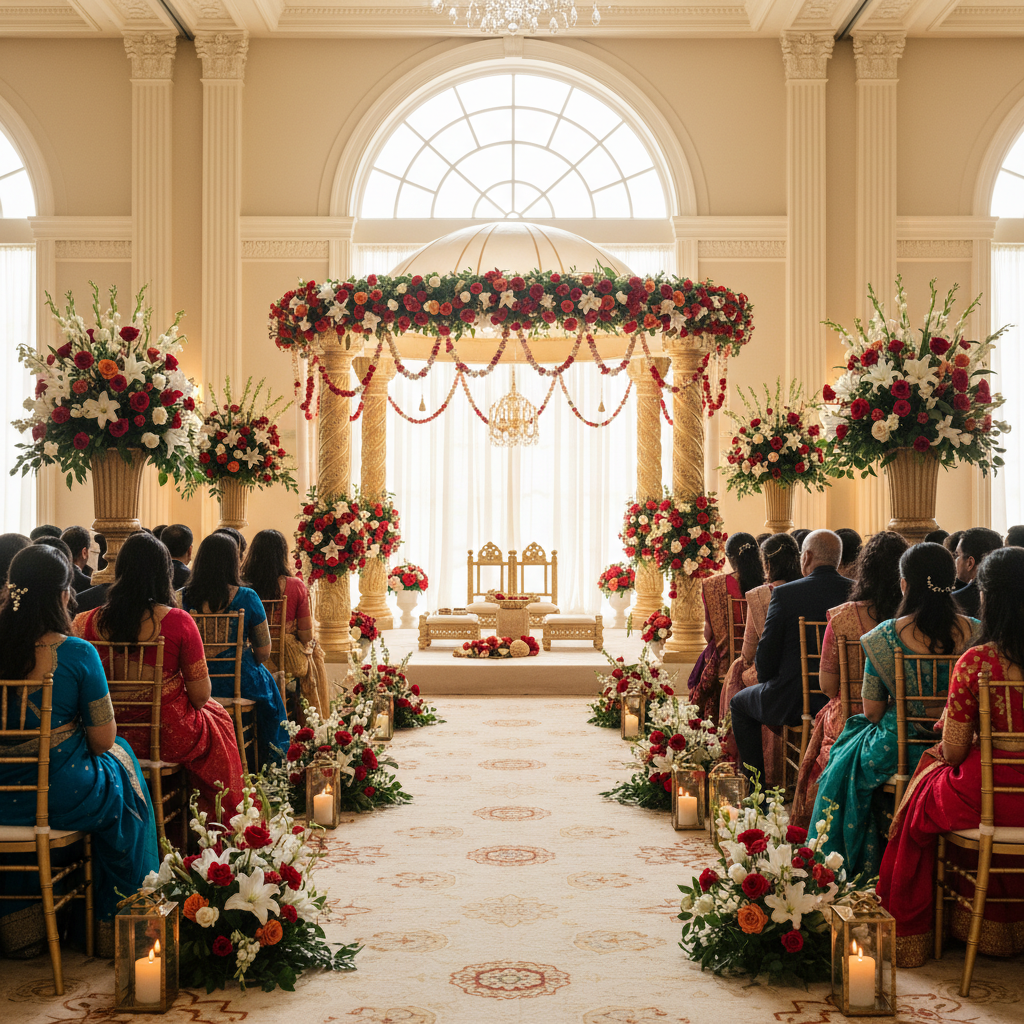
South Asian wedding planning mistakes are the preventable missteps couples make when organizing multi-ritual celebrations like nikkah, sangeet, and Gujarati weddings. These errors often come from rushed timelines, unclear roles, or vendor gaps. In HA3 0PB near Abercorn Garden, Patel Events helps couples avoid them with precise logistics, styling, and culturally fluent coordination.
By Patel Events • Last updated: 2026-05-22
Above-Fold: Hook + Table of Contents
Avoiding common South Asian wedding mistakes starts with a clear timeline, culturally accurate rituals, and vendor accountability. Use a 12–18 month plan, lock the venue and priest early, and assign a decisions roster. This guide shows how Patel Events structures multi-day celebrations to stay calm, on time, and beautifully styled.
Planning a multi-day celebration can feel overwhelming. Here’s how to cut through noise and move with confidence.
- What “planning mistakes” really are in South Asian weddings
- Why these pitfalls happen—and how to prevent them early
- How to structure timelines across rituals and days
- Vendor, décor, logistics, and travel coordination essentials
- Tools, checklists, and sample run-sheets you can adapt
- Mini case studies from Greater London weddings
Summary
The fastest way to prevent South Asian wedding planning mistakes is to confirm venues and clergy first, set non-negotiables, and build a single source of truth for vendors and family leads. With 27+ years and 500+ events, Patel Events standardizes decisions, rituals, and logistics so your celebration stays joyful and stress-light.
Before diving deep, anchor your plan around a few decisive steps.
- Fix your date range and clergy: lock the muhurat or preferred date window and confirm the officiant’s availability.
- Book the venue early: venues shape logistics, guest flow, and vendor schedules across events.
- Map rituals and hosts: document each ceremony, decision owners, and any family customs.
- Create a shared hub: one dashboard for contacts, layouts, menus, run-sheets, and travel details.
Local considerations for HA3 0PB
- Stagger guest arrival times if your sangeet overlaps peak travel near Preston Road Station; plan load-ins before rush periods.
- Winter sundown affects photo timing in Greater London—schedule first looks and family portraits earlier on short-light days.
- For baraat sound and routes near Kenton station, coordinate with venue management and confirm neighborhood guidelines in advance.
What Are South Asian Wedding Planning Mistakes?
South Asian wedding planning mistakes are avoidable breakdowns in timing, communication, culture, or logistics across multi-day events. Typical examples include late venue booking, unclear ritual flow, and fragmented vendor direction. The fix: early sequencing, a shared playbook, and culturally fluent planners who align families and suppliers.
In our experience across 500+ events, mistakes rarely stem from lack of effort—they stem from overlapping decisions without a single source of truth. The complexity rises when a nikkah, mehndi, sangeet, and wedding/reception unfold over multiple days with different hosts.
- Timing gaps: short lead times for venues, vendors, visas, or attire.
- Ritual uncertainty: unclear sequence, missing items, or misaligned expectations.
- Vendor fragmentation: suppliers working from different schedules or floor plans.
- Logistics misses: underestimating load-ins, coach transfers, or hair/makeup buffers.
- Design drift: décor that doesn’t translate across spaces or looks mismatched on camera.
Here’s the thing: complexity is normal. What matters is the system you use to control it.
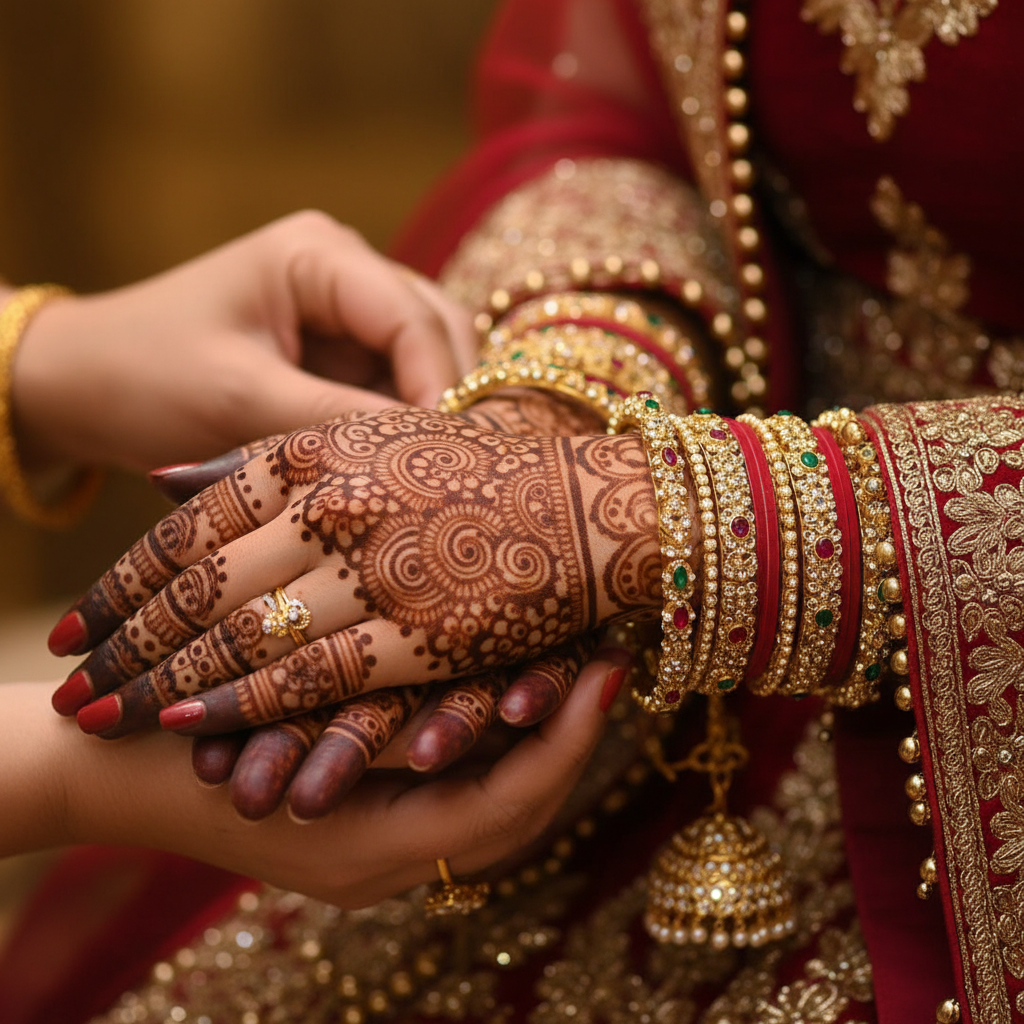
Why Avoiding These Mistakes Matters
Preventing planning mistakes protects guest experience, cultural fidelity, and your energy. A clean plan reduces overruns, vendor friction, and last-minute compromises. With defined roles and timed buffers, couples enjoy rituals more, make better photos, and keep the celebration smooth for elders and kids alike.
Weddings carry meaning beyond logistics. When buffers vanish, stress soars and small misses compound. We’ve seen one 15-minute ceremony delay ripple into late family portraits, missed golden-hour light, and rushed seating—problems solvable with a 10-minute margin per key step.
- Guest journey: clear signage, seating flow, and transport keep energy high.
- Ritual integrity: ready ritual items (havan samagri, nikkah documents) prevent stalls.
- Vendor synergy: synchronized schedules avoid audio checks during vows or floral installs during portraits.
- Media quality: hair/makeup buffers and first-look timing protect your film and photo narrative.
How South Asian Wedding Planning Works (And Where Mistakes Creep In)
Plan multi-day South Asian weddings by sequencing decisions: secure venue and officiant, confirm rituals, align vendor roster, then build run-sheets with buffers. Mistakes creep in when dates shift, deliverables lack owners, or updates don’t reach every supplier. A shared dashboard keeps everyone moving in sync.
We structure work in four layers—each with a clear owner and deliverable.
Layer 1: Vision and Non‑Negotiables
- Define rituals, guest range, and any must-have traditions; list 5–7 “wows” you want guests to remember.
- Identify cultural specifics (imam/pandit preferences, language, dietary requirements, modesty needs).
Layer 2: Foundations (12–18 Months Out)
- Secure date window/muhurat and venue; venue choice sets décor scale, load-ins, and AV.
- Book officiant, photo/video, entertainment, and caterer; lock top vendors early to avoid compromises.
Layer 3: Design + Logistics
- Translate design across ceremonies: color story, florals, fabrics, and lighting that photograph cohesively.
- Draft load-in/load-out, transport, and hospitality blocks; add 10–15 minute buffers to critical steps.
Layer 4: Run‑Sheets + Rehearsals
- Publish master run-sheets and diagrams; assign a decision owner for each segment.
- Hold a rehearsal or brief with core family and vendors; confirm radio channels and cues.
When every layer has a named owner and a dated deliverable, small problems don’t snowball.
Types of Mistakes to Avoid (By Category)
The most common South Asian wedding planning mistakes cluster into five areas: timeline, vendor coordination, cultural details, logistics, and design continuity. Naming the category helps you spot risks early and apply the right fix—like buffers for timeline, a master brief for vendors, and a ritual checklist for culture.
1) Timeline + Sequencing
- Booking venues late causes knock-on vendor compromises.
- Not padding hair/makeup and baraat windows pushes vows past best light.
- Skipping a rehearsal invites on-the-day guesswork.
2) Vendor Coordination
- Different floor plans across teams create install conflicts.
- No single comms channel slows decisions during live moments.
- Unclear deliverables (shot list, stage plot, power needs) lead to preventable delays.
3) Cultural + Faith Details
- Misplaced or missing items (mangalsutra, sehra, attar, nikahnama).
- Mixing traditions without agreeing the sequence with clergy and family.
- Mismatched expectations on modesty, music, or photography during prayers.
4) Logistics + Guest Experience
- Underestimating coach transfers and parking flow.
- Neglecting signage, greeters, and water stations for elders.
- Inadequate green rooms for outfit changes and photo staging.
5) Design + Media Continuity
- Décor that clashes across events or looks flat on camera.
- No lighting plan leaves stages overbright and aisles dim.
- Ignoring cable management and sightlines reduces film quality.
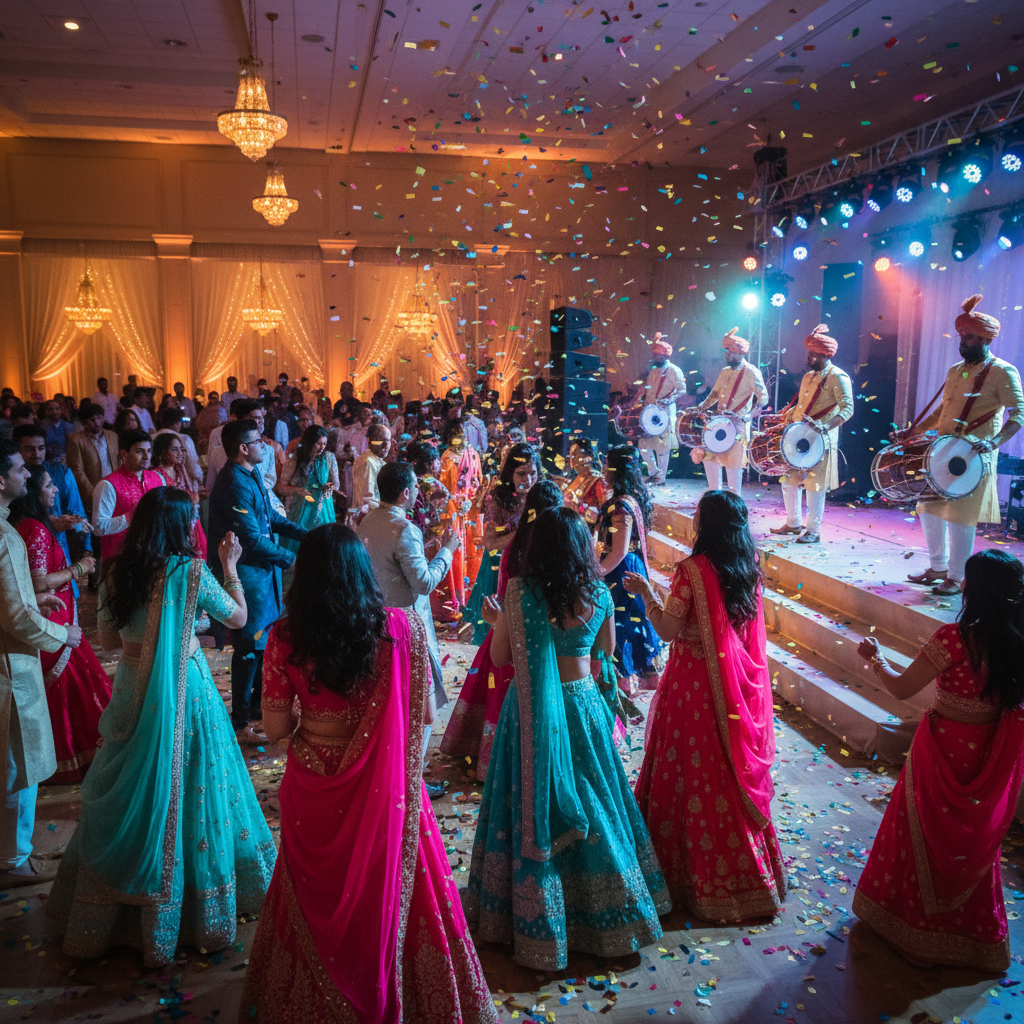
Best Practices That Prevent Pitfalls
Lock foundations early, publish a master brief, and practice transitions. Buffer beauty and travel, confirm ritual items in writing, and walk vendors through the site plan. A dedicated coordinator orchestrates cues so families enjoy the moment instead of firefighting avoidable snags.
Ritual Readiness
- Create an itemized ritual checklist per ceremony with who-brings-what noted.
- Prepare backups for lighters, flowers, cords, and prayer coverings.
Guest Flow
- Post clear wayfinding and staff greeters at decision points (valet, check-in, prayer areas).
- Set water/tea stations near queues; plan seating for elders close to exits.
Vendor Operability
- Consolidate a single vendor brief with floor plans, power, cue sheets, and run-sheets.
- Define radio etiquette and a rapid-approval chain for live decisions.
Design Cohesion
- Choose a core palette and textures that bridge all events and photograph consistently.
- Test stage lighting and backdrop heights for camera framing and sightlines.
Tools, Checklists, and Resources
Use a centralized planning hub with a decision log, vendor matrix, floor plans, and time-coded run-sheets. Add a ritual checklist and a media shot list. Templates keep everyone aligned, and a weekly 15-minute sync removes ambiguity before it becomes stress on the day.
- Decision log: date, owner, due date, status; prevents “who said what” loops.
- Vendor matrix: contacts, deliverables, power/space needs; avoids install collisions.
- Run-sheets: time-coded, with buffers, cues, and radio channels.
- Ritual checklist: items, roles, sequence, and backups.
- Shot list: family groupings, décor moments, night portraits, and drone allowances.
For inspiration on venue questions and space planning, review a concise third-party venue checklist. To compare layout approaches, browse a wedding venue gallery and a curated collection of South Asian events; note how staging, aisles, and lighting guide flow.
Timeline and Process (With Mistake-to-Fix Table)
A 12–18 month arc works best: secure venue and clergy, book core vendors, then layer design and logistics. The table below maps frequent mistakes to proven fixes by phase so you can course-correct early and keep every ceremony running on time.
| Phase | Common Mistake | Proven Fix | Owner |
|---|---|---|---|
| 12–18 months | Venue booked late | Book venue + officiant first; align date window | Couple + Planner |
| 9–12 months | Vendor conflicts | Lock photo/video, entertainment, caterer, décor | Planner |
| 6–9 months | Design drift | Create style guide and lighting plan | Planner + Designer |
| 3–6 months | Logistics gaps | Publish transport, load-in, and green room plan | Planner |
| 4–8 weeks | Comms fragmentation | Single vendor brief + radio channels | Planner |
| Event week | No rehearsals | Run key cues with family + vendors | Planner |
Case Studies and Examples (Greater London)
In Greater London, Patel Events prevents planning mistakes by standardizing decisions and rehearsals. Recent projects show how a 10-minute buffer, a consolidated vendor brief, and a ritual checklist transform complex, multi-venue celebrations into calm, on-time experiences for families and guests.
Gujarati Wedding + Sangeet (Northwest London)
- Risk: Back-to-back hair/makeup, traffic, and a long baraat.
- Fix: Added 20-minute beauty buffer, staged a photo-first look on-site, coordinated a marshal for baraat pacing.
- Result: Vows started on schedule; portraits completed pre-ceremony; elders seated without rush.
Nikkah + Reception (Central London)
- Risk: Signing delays and modesty/photo expectations not briefed to vendors.
- Fix: Imam preferences documented; female photographer assigned during prayers; dual shot lists prepared.
- Result: Smooth signing, respectful coverage, complete family groups captured.
Destination-Inspired Reception (Clients from HA3 0PB)
- Risk: Design elements looked inconsistent across ceremony and reception spaces.
- Fix: Unified palette; matched linens and stage textures; planned spotlighting for toasts and dances.
- Result: A cohesive visual story and cleaner cinematography.
Need a calm, culturally fluent plan? Patel Events coordinates rituals, vendors, and design so you can be present with your family. Let’s map your timeline and non-negotiables together.
Frequent Pitfalls and Practical Fixes
Name the pitfall, assign an owner, and write the fix. Use buffers for beauty and travel, a single vendor brief, and rehearsed cues for transitions. Clarity turns “we’ll see” moments into smooth handoffs across nikkah, sangeet, and wedding day timelines.
- Late wardrobe finalization: set a try-on deadline 6 weeks out; pack a kit with pins, tape, and backups.
- Missing ritual items: pre-pack labeled kits per ceremony; check them at rehearsal.
- Underpowered audio: confirm wattage with DJ and venue; test mics during room flip.
- Family photo chaos: create a 20–30 group shot list and assign a wrangler.
- Vendor meal timing: feed teams before speeches so coverage never lapses.
- Stage congestion: plan cable runs and safe access for elders and photographers.
- Travel uncertainty: build a backup transport plan for VIPs and clergy.
Why Work With Patel Events
Patel Events brings 27+ years, 500+ events, and a vetted network of 50+ vendors to deliver culturally faithful, beautifully styled celebrations. Our end-to-end model reduces decision fatigue, prevents miscommunications, and keeps every ceremony on time—so you enjoy the day rather than manage it.
- Cultural fluency: deep experience across Gujarati weddings, nikkah, and sangeet nights.
- Design + logistics: floral styling, stagecraft, and vendor orchestration under one roof.
- Destination know-how: guidance for Udaipur, Goa, and overseas venues.
- Cinematography alignment: shot lists, lighting, and cues integrated with your story.
Frequently Asked Questions
Plan 12–18 months ahead, confirm clergy and venue first, and use a single vendor brief. Build buffers for beauty and travel, and rehearse key cues. A culturally fluent planner keeps rituals accurate, timelines realistic, and your experience calm.
How far in advance should we plan a multi-day South Asian wedding?
Start 12–18 months ahead. Secure venue and officiant first, then lock core vendors by 9–12 months. Use 10–15 minute buffers for beauty, travel, and rituals. Rehearse key cues the week of the event so families and suppliers are aligned.
What’s the biggest mistake couples make with vendor coordination?
Fragmented information. Fix it by issuing one master brief with floor plans, power needs, cue sheets, and run-sheets. Set a rapid-approval chain and shared comms, then do a quick cross-team check the day before load-in.
How do we keep rituals culturally accurate with two families’ traditions?
Document each family’s customs and review them with the officiant. Build a written sequence and assign who brings which ritual items. A short walkthrough with elders reduces on-the-day debate and keeps the moment joyful and respectful.
Do we really need a rehearsal for a sangeet or baraat?
Yes—15 minutes saves 45 later. Practice entrances, mic handoffs, and dance cues. Assign a marshal for the baraat and a stage manager for sangeet transitions. Even a quick briefing clarifies timing and keeps energy high.
Key Takeaways
Sequence your plan, centralize information, and build buffers. Confirm clergy and venue first, publish one vendor brief, and rehearse core cues. With cultural fluency and clear ownership, South Asian wedding planning mistakes turn into smooth, joyful moments.
- Start early; venue and officiant lock everything else.
- One source of truth prevents confusion and delays.
- Buffers protect beauty, travel, and photo quality.
- Ritual checklists uphold culture while reducing stress.
- Rehearsals convert guesswork into confident flow.
Conclusion and Next Steps
A calm, culturally faithful celebration comes from early sequencing, shared briefs, and practiced cues. Whether it’s a nikkah, sangeet, or Gujarati wedding, Patel Events aligns design and logistics so families can be present. Book a consultation to map your plan from HA3 0PB to any UK or destination venue.
Ready to move from idea to execution? We can help you prioritize decisions, assemble the right vendors, and protect your timeline with smart buffers and rehearsals.
- Clarify your date range and rituals this week.
- Gather venue, officiant, and top-vendor availability.
- Set your non-negotiables and guest experience goals.
- Schedule a consultation to align design, logistics, and media.
Final CTA: Book a discovery session in HA3 0PB or request a virtual call if you’re planning a destination celebration.