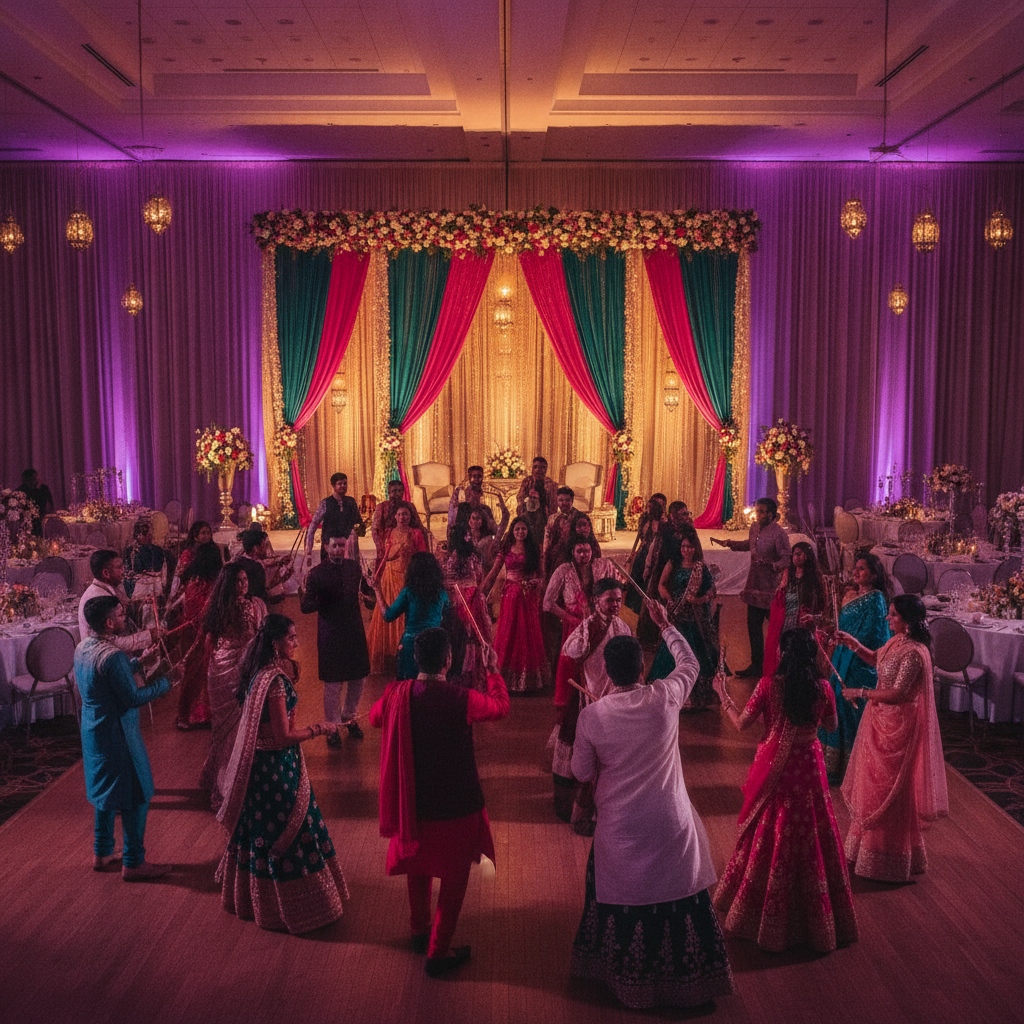
Sangeet planning is the end-to-end coordination of your pre-wedding music and dance celebration, covering timeline design, choreography, décor, entertainment, and guest flow. It turns a cultural tradition into a seamless, high-energy show. Done well, it reduces wedding-week stress, protects rehearsal time, and helps every performance land with impact.
By Shani Patel • Last updated: 2026-06-27
Above-Fold Section: Hook + What You’ll Get
This guide shows you how to plan a sangeet from first brainstorm to final encore. You’ll get timelines, a cast list template, choreography and tech checklists, décor cues, and rehearsal strategies based on 27+ years and 500+ events delivered by Patel Events. Use it to save time and cut wedding stress.
Here’s the thing: most couples underestimate how many moving parts a sangeet has. Between dance rehearsals, sound checks, MC scripts, and aunties’ surprise acts, the night can overrun or stall. We’ve gathered what actually works in Harrow and across London so you can run a tight, joy-filled show.
- Clear definition of sangeet planning and why it matters
- Step-by-step process with exact owner roles
- Décor, styling, and lighting cues that photograph beautifully
- Entertainment options and rehearsal strategies that stick
- Templates for run of show, cast lists, and tech checks
- Local tips for Harrow logistics and transport timing
- Jump to: What is sangeet planning? • How it works • Best practices • Tools • Examples • FAQ
Summary
Sangeet planning aligns people, performances, and production so your music-and-dance night runs on time and on energy. The essentials are a realistic show order, strong MCing, crisp sound cues, rehearsed transitions, and décor that supports movement. Treat it like a mini stage show to unlock unforgettable moments.
In our experience, a well-run sangeet has 10–14 program items across 3–4 hours, punctuated by two short breaks. That structure keeps momentum high, gives elders space to enjoy, and protects late-evening energy for the couple’s finale and open dancing.
- Typical program count: 10–14 items with two short intermissions
- Rehearsal rhythm: 3–5 focused sessions per core group performs best
- Run time sweet spot: 3–4 hours including transitions and MC segments
Local considerations for HA3 0PB
- Plan arrivals and load-ins around evening traffic near Preston Road Station; we stagger vendor call times to keep docks clear and sound checks quiet.
- If guests use the Metropolitan line via Northwick Park station, buffer your program start by 10–15 minutes to absorb transit delays without rushing elders.
- Noise policies vary by venue; our stage manager confirms last-song timing during the afternoon tech run to avoid on-the-night surprises.
What Is Sangeet Planning?
Sangeet planning is the disciplined production of your music-and-dance celebration. It covers creative direction, rehearsal plans, vendor coordination, stage management, and guest experience. Think theater meets family party: a joyful show built on schedules, cues, and practiced transitions that let emotions shine.
At Patel Events, we treat the sangeet as a standalone production inside the wider wedding week. That means a creative arc, a cast (family and friends), and a professional backbone: stage management, lighting looks, audio cues, and a tight run of show.
- Creative direction: Theme, color story, pacing, and signature moments.
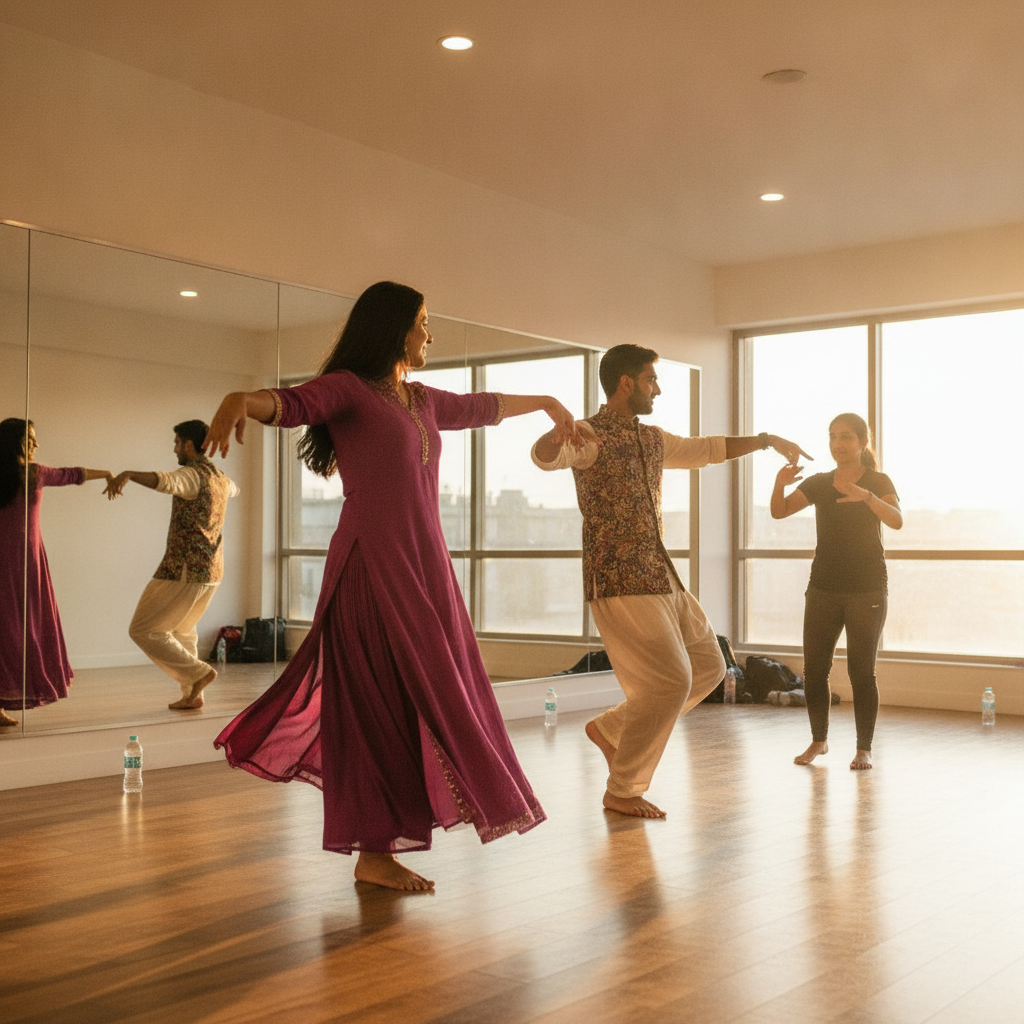
- Choreography plan: Who performs, rehearsal timeline, difficulty matching abilities.
- Production: Stage layout, lighting scenes, sound checks, DJ cue sheets.
- Stage management: Backstage calls, mic handoffs, and transition timing.
- Guest experience: Seating map, dance floor access, and photo-friendly vignettes.
Want a deeper dive on roles? Our coordinator breakdown in this Indian wedding coordinators guide maps who owns what from rehearsals to curtain call.
Why Sangeet Planning Matters
A planned sangeet protects timing, elevates performances, and reduces stress for families. It gives vendors clear cues, keeps elders comfortable, and ensures the couple’s finale lands. Without planning, overruns, technical hiccups, and awkward pauses erode energy and steal time from open dancing.
We’ve found that a sangeet thrives when everyone knows the beats: performers, MC, DJ, and video team. Clarity turns nerves into excitement. With 500+ events behind us, predictable pressure points are transitions, mic logistics, and last-minute additions. A strong run of show absorbs them without losing momentum.
- Energy curve: Open with familiar hits, place emotional acts mid-show, save the couple’s feature for late prime time.
- Comfort: Schedule two seated moments for elders; they’ll enjoy more when movement has rhythm.
- Capture: Give cinematography a marked cue list; they’ll frame signature shots cleanly.
On vendor clarity, see how we align creative and logistics in our wedding event management guide for London gatherings.
How Sangeet Planning Works: A Step-by-Step Process
Map your sangeet in seven stages: vision, cast list, rehearsal plan, vendor briefings, tech run, live stage management, and post-show wrap. Assign owners, lock dates, and design a run of show that balances heart and hype. Rehearse transitions as carefully as dances.
Here’s our proven sequence, adapted for London venues and destination-ready when needed:
- Define the vision (Day 120–90): Pick theme, tone, and two signature moments. Agree on a 3–4 hour window.
- Create the cast list (Day 100–80): List all performers, MC, and surprise acts; estimate act lengths (2–5 minutes each).
- Book the core team (Day 90–75): DJ/host, choreographer, cinematography, lighting—confirm call times and deliverables.
- Rehearsal calendar (Day 75–30): Schedule 3–5 sessions per group, plus one combined run-through.
- Design the stage and décor (Day 60–30): Finalize stage size, backdrop, dance floor, and sightlines; lock lighting looks.
- Tech run + cue sheets (Week-of): Full sound check, mic tests, playback levels, and timing of transitions.
- Showtime stage management (Night-of): Backstage calls, mic handoffs, act wrangling, and live adjustments to the schedule.
For a deeper walkthrough, our how to plan sangeet night article unpacks each stage with sample timelines and diagrams.
| Phase | Key actions | Owner | Outputs |
|---|---|---|---|
| 120–90 days | Vision, theme, two signature moments, guest count assumptions | Couple + Planner | Creative brief; draft run of show |
| 100–75 days | Cast list, book DJ/MC/choreographer/cinematography, venue confirmations | Planner | Confirmed team; rehearsal calendar |
| 75–30 days | Rehearsals, music edits, costume checks, décor mockups | Performers + Planner | Locked act durations; cue sheet draft |
| 30–7 days | Tech specs to vendors, seating map, signage, safety review | Planner + Venue | Final run of show; vendor call sheet |
| Week-of | Full tech run, sound/light programming, staging tape | Planner + Tech | Programmed cues; floor plan |
| Night-of | Backstage calls, mic handoffs, timing control, safety brief | Stage Manager | On-time program; highlight reel moments |
Planning tip: Transitions eat time. Practice the 30 seconds between acts—who exits where, who enters with which mic, and the MC’s exact one-liner. That’s how you protect 15–20 minutes of open dancing later.
Types and Approaches: From Intimate to High-Production
Choose an approach that matches your venue, guest mix, and energy. Intimate living-room sangeets focus on connection and singalongs. Ballroom shows emphasize choreography and lighting. Destination sangeets blend local culture with travel logistics and streamlined run times.
We plan three common formats across London and destination venues:
Intimate at-home or boutique venue
- Living-room or studio vibe for 40–120 guests.
- Live dhol, unplugged vocals, and a compact dance floor.
- One rehearsal per act; minimal tech; fairy lights and florals.
Ballroom showcase
- 250–500 guests with a stage, catwalk, and programmed lighting.
- Professional DJ/MC, multiple mics, and choreographed ensembles.
- 3–5 rehearsals per group; rigorous show-calling backstage.
Destination sangeet
- Outdoor courtyards or beach decks; weather and power contingencies.
- Streamlined show order (8–10 items) to balance jet lag and dinners.
- Local cultural elements: regional instruments, attire, or welcome dances.
Considering production scale? Our planner’s guide for Indian weddings explains how to size your backstage team without overcomplicating the night.
Best Practices for a Flawless Sangeet
Lock a realistic show length, rehearse transitions, and script MC beats. Place emotional items mid-show, save your couple’s feature for late prime time, and protect 45–60 minutes for open dancing. Program lighting looks that flatter skin tones and outfits, and deliver a precise cue sheet to every vendor.
Program design
- Target 3–4 hours total with two short intermissions.
- Limit solo acts to 2–3 minutes; ensembles 3–5 minutes.
- Put kids’ items early; elders’ blessings just before intermission.
Choreography + rehearsals
- Pick difficulty to match each group; prioritize confidence over complexity.
- Schedule 3–5 focused rehearsals with clear milestones and music edits.
- Mark stage positions with tape during the final run-through.
MC + hosting
- Script 1–2 line intros per act; avoid long speeches mid-show.
- Agree on safe humor; celebrate all sides of the family.
- Prepare two contingency lines for late performers or tech resets.
Lighting, sound, and video
- Warm stage washes flatter most skin tones; add backlight for depth.
- Use one wireless mic per 2 speakers; test battery swaps at intermission.
- Share a cue list with cinematography for signature shots and crowd cutaways.
Music and mic logistics are core to momentum; see our DJ planning checklist for sangeet night to align playlists with live cues.
Tools and Resources You Can Use Today
Use simple tools to lock clarity: a shared rehearsal calendar, a cue-sheet spreadsheet, and a stage map. Add a shot list for cinematography and a DJ crate with edited tracks. These basics align dozens of people without overwhelming your family or vendors.
- Run-of-show spreadsheet: Columns for item number, title, duration, mics, props, and cues.
- Rehearsal calendar: Shared dates, attendance, music edit links, and choreo notes.
- Stage map: Positions for entry/exit, mic stands, and prop tables.
- DJ crate: Clean, leveled edits labeled by act; 2 backup dance floor sets.
- Shot list: First look, crowd reactions, elders’ blessings, couple’s feature, confetti.
For production depth, many teams draw inspiration from full-service event playbooks. One perspective on end-to-end coordination is outlined by this event production overview.
Case Studies and Examples (Harrow, London, Destination)
Real events prove what works. Here are three contrasting sangeets Patel Events delivered: an at-home Harrow gathering, a London ballroom showcase, and a destination celebration. Each shows how run-of-show discipline and joyful creativity combine for memorable nights.
Harrow at-home sangeet (80 guests)
- Goal: Keep it cozy and interactive with singalongs and a short couple’s dance.
- Plan: 9 program items over 2 hours 45 minutes; one intermission for chai and chat.
- What worked: A compact DJ setup, warm string lights, and a floor tape plan for quick kid-parent swaps.
- Result: On-time finish, 50 minutes of open dancing, beautiful handheld video sequences.
London ballroom showcase (420 guests)
- Goal: Big wow factor with coordinated family ensembles and celebrity-style entrance.
- Plan: 14 items across 3 hours 45 minutes; two short breaks; scripted MC banter.
- What worked: Five lighting looks, a catwalk for front-row visibility, and precise backstage calls.
- Result: Standing ovation for the couple’s feature and a packed dance floor until close.
Destination courtyard sangeet (Udaipur, 200 guests)
- Goal: Merge local flavor with a travel-friendly timeline.
- Plan: 10 items in 3 hours; wind and power contingency; local folk opener.
- What worked: Generators on standby, mic windshields, and a lean backstage crew.
- Result: Seamless flow despite evening breeze; stunning wide shots against the palace backdrop.
For cross-cultural inspiration on venues and layout checklists, this venue checklist perspective offers a practical lens on sightlines, staging, and guest comfort.
Need a calm, confident show-caller? Our Weddings & Sangeets team aligns choreography, décor, DJ cues, and family timelines so you can enjoy the night. Explore our Weddings & Sangeets planning guide or message us via our site to start.
How We Align Vendors Without Overwhelm
We translate your vision into short, clear briefs: a one-page creative, a cue sheet for DJ and lighting, and a call sheet with load-in times. Vendors get exactly what they need, nothing more. That’s how we keep energy high without drowning teams in documents.
- One-page creative: Theme, key colors, do/don’t list, and hero moments.
- Cue sheets: Track names, timestamps, mic assignments, and lighting looks.
- Call sheet: Load-in windows, sound check slots, and who to radio for decisions.
Curious how we consolidate complex roles? Our event organizer guide shows the difference between planners, producers, and day-of coordinators on busy London programs.
For teams researching cultural program nuance beyond Indian weddings, a concise overview of flow considerations appears in this Pakistani wedding planning article.
Décor and Styling That Supports Movement
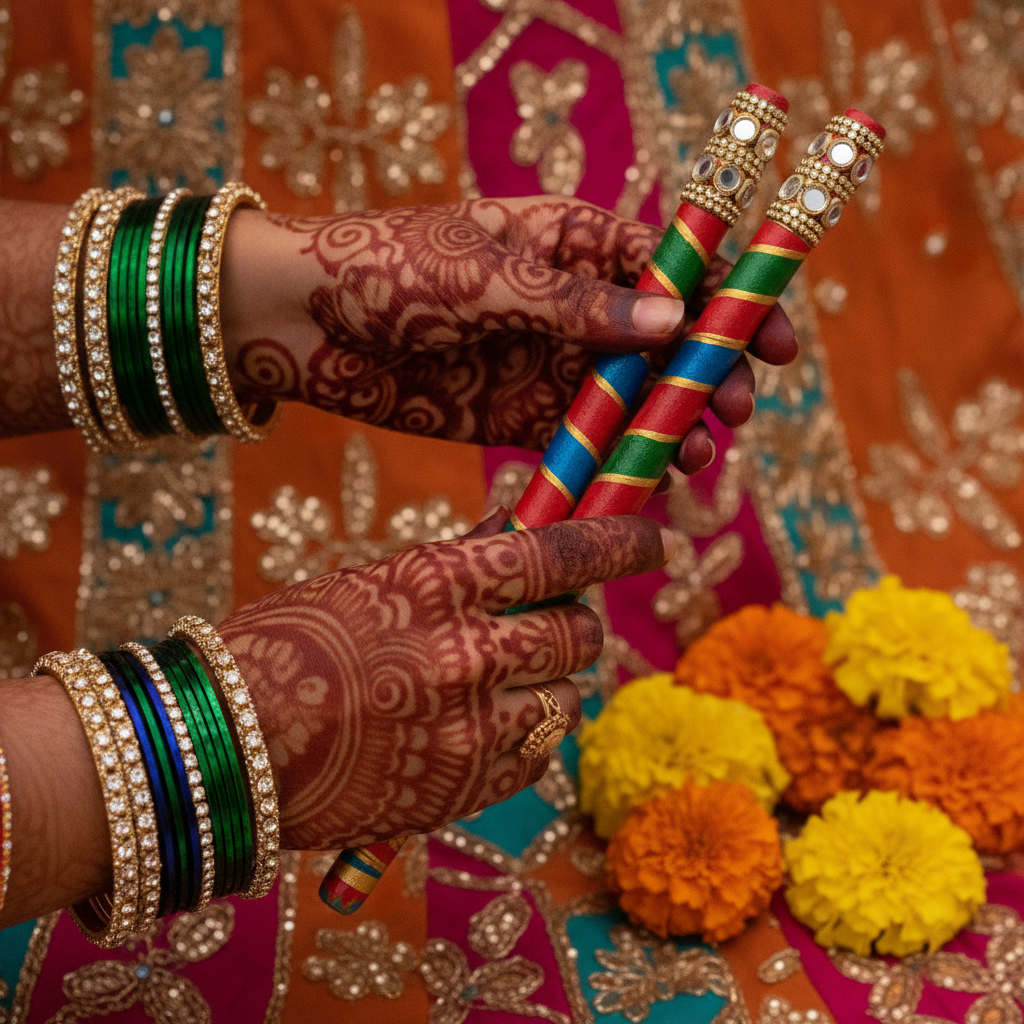
Design the room around motion. Keep aisles wide, sightlines clear, and backdrops sturdy. Choose warm stage washes, reflective accents that sparkle on camera, and tactile details—marigolds, mirror work, bangles—that say “sangeet” without cluttering entrances or exits.
We favor layered backdrops that look elegant at both 6 feet and 60 feet. Texture reads on film; heavy florals plus mirror work and soft draping create depth. Keep prop tables at stage left and right with labeled bins; rehearsals should include prop pick-ups and returns.
- Dance floor size: ensure 8–10 sq ft per dancer for ensemble items.
- Back-of-house: two 6-foot tables with black cloth for props and water.
- Signage: small arrows backstage; keep guest signage photo-friendly and minimal.
If you’re mapping florals and textures, our styling principles thread through this London event management guide with examples that translate well to sangeet stages.
Risk Management: Keep It Joyful and Safe
Great sangeets feel effortless because safety is invisible. Tape cables, cap truss legs, brief fire exits, and designate a hydration corner. Lock noise-off timing with the venue, and confirm security coverage for entrances and equipment without disrupting the guest experience.
- Stage safety: Gaffer-tape cable runs, mark steps with low-profile LEDs, and secure scenic pieces.
- People flow: Two-way traffic plans for performers; separate guest and vendor corridors.
- Noise + curfews: Confirm last-song timing and communicate it in the MC’s opener.
We document a short safety brief on the call sheet and recap it during line check. That keeps the tone upbeat while quietly handling the essentials.
Checklists and Templates (Steal These)
Use these compact checklists to keep planning light and effective: a cast list, cue sheet, rehearsal tracker, and tech run notes. Print them backstage and share digital copies with your core team. Simple tools prevent long email threads and on-the-night confusion.
Cast list
- Performer name(s), group name, item title, duration
- Props needed, mic needs, entrance side, exit side
- Point person and backup contact
Cue sheet
- Track title and timecode, fade/instructions, mic numbers
- Lighting look, special effects, video notes
- MC line prompt and transition note
Rehearsal tracker
- Date, location, attendance, choreo coverage (%)
- Music edit link, costume notes, open issues
- Next rehearsal goal
Want a coordinator’s view of how these sheets come together? Browse our best-practice organizer guide for sample run sheets and load-in plans.
Guest Experience and Accessibility
Design for elders, kids, and out-of-town guests. Reserve aisles for wheelchairs, seat elders with clear sightlines, and add two photo-ready vignettes near the dance floor. Keep entrances obvious and graceful so performers never fight through crowds.
- Seating zones: elders near exits and washrooms; kids with space to move.
- Signage and wayfinding: intuitive, friendly, and minimal text.
- Photo vignettes: one floral, one playful—great for reels without clogging aisles.
If many guests are traveling, align this sangeet plan with your wider timeline; our Weddings & Sangeets overview shows how to balance rituals across multiple days.
Music Use and DJ Logistics
Create clean, leveled edits for each act and two backup dance sets for the DJ. Label files by act number and title, share a cue sheet, and test walk-ons and walk-offs during line check. One mic per two speakers and fresh batteries at intermission keeps shows smooth.
Many venues request documented playlists and time windows for load-in and sound checks. We provide this inside the call sheet so security and operations teams stay aligned. It’s a small step that pays off in on-time openings.
Frequently Asked Questions
Your biggest sangeet planning questions—timelines, rehearsals, MCing, and tech—answered in crisp, practical guidance. Use these to align family expectations and keep your vendor team on the same page.
How far in advance should we start sangeet planning?
Start 3–4 months out for casting, choreography, and vendor bookings. That window protects rehearsal time and allows two buffer weeks for music edits and costume tweaks. For destination sangeets, begin earlier to align travel and power contingencies.
How many performances make a great sangeet?
Aim for 10–14 items across 3–4 hours with two short breaks. Keep solo pieces to 2–3 minutes and ensembles to 3–5 minutes. This pacing maintains energy, gives elders time to rest, and protects late-evening dance floor time.
Do we need a professional MC or can family host?
Either works if the host is confident, concise, and rehearsed. Provide 1–2 line intros for each act and two contingency lines for late performers or tech resets. A professional MC helps on large showcases with tight transitions and multiple microphones.
What’s the biggest mistake to avoid?
Skipping transition rehearsals. Dances get attention, but 30 seconds between acts is where shows lose time and energy. Rehearse mic handoffs, entrances, exits, and the MC’s exact line so the night feels polished and stays on schedule.
How do we record and relive the night?
Give cinematography a shot list tied to the cue sheet: crowd reactions, elders’ blessings, couple’s feature, and confetti. Mark camera zones on the stage map and schedule 10 minutes post-show for quick interviews while emotions are fresh.
Conclusion
Treat your sangeet like a joyful stage production: clear run of show, rehearsed transitions, and precise vendor cues. That’s how you protect energy, honor tradition, and create the highlight reel you’ll treasure. Start 3–4 months out, keep the show tight, and end with a full dance floor.
- Lock a 3–4 hour show with 10–14 items and two short breaks.
- Rehearse transitions as seriously as dances; time every handoff.
- Deliver cue sheets and a one-page creative to every vendor.
- Design décor that supports movement and sightlines.
Ready for a calm, coordinated sangeet? Tap our Weddings & Sangeets team to book a discovery chat in Harrow and align choreography, décor, and DJ cues without stress.