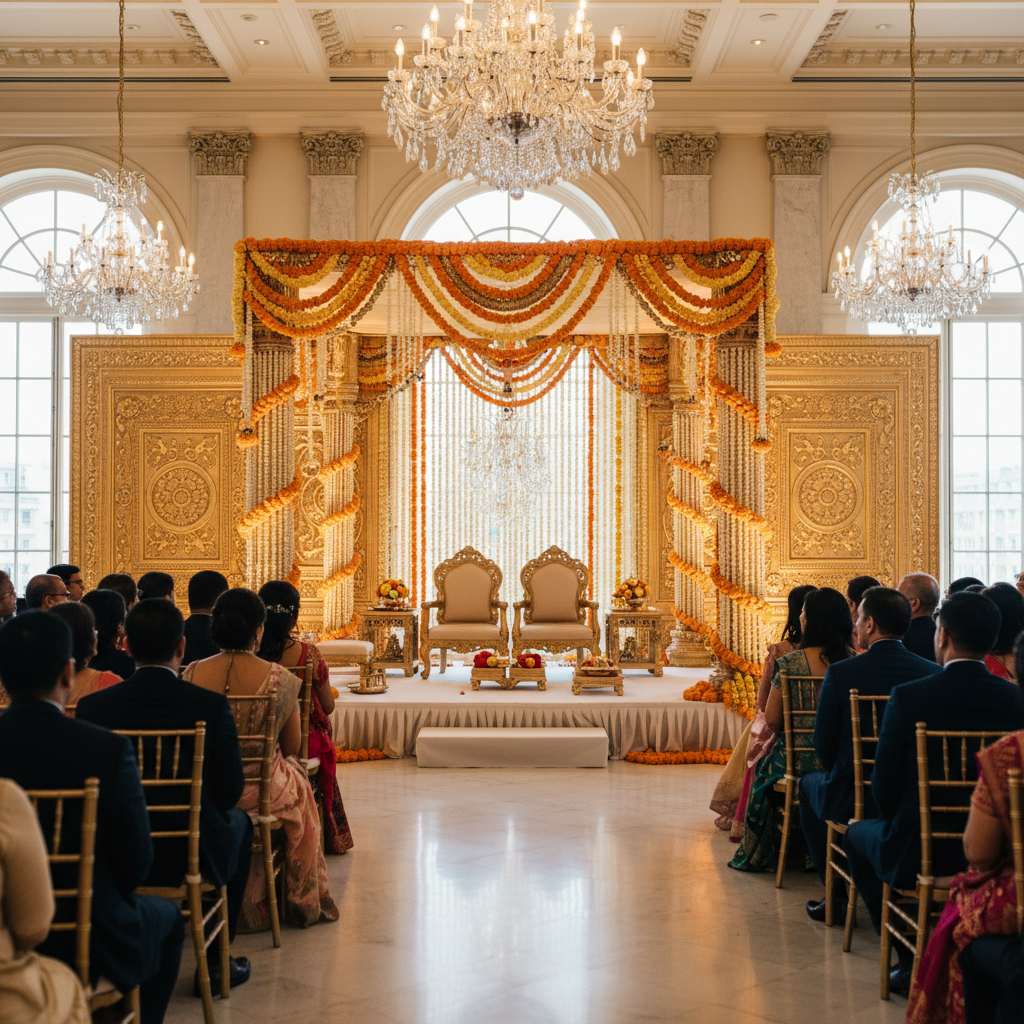
Wedding planners for Indian weddings are specialists who design, organize, and run multi-ritual celebrations end-to-end. They coordinate décor, styling, vendor teams, and complex timelines so couples can enjoy the festivities. Based near Abercorn Garden in HA3 0PB, Patel Events brings deep cultural fluency to Gujarati, nikkah, and sangeet events across Greater London.
By Shani Patel • Last updated: 2026-06-06
Above-Fold Overview: Hook, Promise, and Table of Contents
Planning an Indian wedding is a multi-event project with many moving parts—rituals, guests, décor, food, and music. This guide shows you how expert planners streamline every decision, protect cultural integrity, and keep celebrations on schedule so your family can be fully present.
Indian weddings often span 3–5 major functions over 2–4 days, with hundreds of guest touchpoints. Without a playbook, details multiply quickly. This complete guide blends cultural insight and step-by-step structure drawn from Patel Events’ 27+ years and 500+ celebrations.
- What is Indian wedding planning?
- Why a specialist planner matters
- How the planning process works
- Types of planners and approaches
- Best practices and checklists
- Tools and resources to use
- Real examples from Greater London
- Planner vs. coordinator vs. DIY
- Frequently Asked Questions
- Key takeaways
Quick Summary
Choose a planner with verified cultural fluency, vendor depth, and rigorous logistics. For Indian weddings, the best partners offer end-to-end planning, on-site execution, and clear run sheets that keep multi-day events on time while honoring every ritual.
Patel Events specializes in South Asian ceremonies—nikkah, Gujarati, and sangeet—delivering décor styling, vendor orchestration, guest logistics, and destination execution. Their track record spans 500+ events with a 98% client satisfaction rate supported by 50+ vetted partners.
Local considerations for HA3 0PB
- Build timelines around arrival flows via Preston Road Station; pad 15–20 minutes for peak weekend trains and pedestrian traffic at nearby crossings.
- For summer sangeets, plan indoor/outdoor transitions and hydration points; London evenings can cool quickly after warm afternoons.
- Coordinate late-night coach pickups near Kenton station to minimize neighborhood disturbance and simplify return routes for elders.
What Is Indian Wedding Planning?
Indian wedding planning is the end-to-end coordination of multi-ritual celebrations—often 3–5 functions across 2–4 days—covering design, décor, vendor management, guest logistics, and on-site execution. The goal is cultural fidelity with a seamless guest experience.
At its core, planning balances tradition with logistics. Planners map ceremonies, design spaces, manage vendor crews, and protect the timeline. They translate family wishes into a structured plan while handling contingencies, from baraat route changes to priest schedules.
Core elements a specialist manages
- Ritual mapping: Vedic ceremony flow, nikkah signing sequence, or Anand Karaj kirtan timing.
- Design and décor: Mandap concepts, florals, tablescapes, lighting, and stage sightlines.
- Vendor orchestration: Catering, DJ/dhol, cinematography, hair/makeup, priest/imam/granthiji.
- Guest logistics: Transportation, check-in, seating, dietary cues, and accessibility.
- Run-of-show: To-the-minute timelines, cue sheets, and communication protocols.
In our experience, even modest guest lists involve 20–40 vendor touchpoints across the weekend. A disciplined plan keeps every handoff clear and time-bound, which reduces stress for families and ensures rituals start on time.
Why a Specialist Planner for Indian Weddings Matters
Specialist planners protect cultural accuracy and guest comfort while preventing schedule drift. For multi-ritual weekends with hundreds of interactions, trained coordination avoids delays, miscommunications, and décor or catering misfires.
Weddings bring together elders, children, and long-distance guests. Dietary patterns, prayer spaces, and stage sightlines all matter. Planners translate these needs into vendor briefs and floor plans. Clear signage, staging, and AV support ensure everyone sees, hears, and participates comfortably.
Time, quality, and risk reduction
- Time savings: Families avoid hundreds of coordination calls; a planner centralizes updates and approvals.
- Quality control: Style boards and samples convert ideas into proofs before build day.
- Risk management: Weather, transport, and equipment backups reduce show-stoppers.
Examples from London and beyond
- Nikkah + reception: Coordinating imam availability, modesty-first seating, and halal kitchen protocols.
- Gujarati pheras: Sequencing mangalfera and saptapadi with live cues for priest and AV.
- Sangeet night: Rehearsed family performances with dhol entrances and lighting cues.
The reality is, great design is only half the job. The other half is invisible: run sheets, radio comms, and vendor SLAs that prevent last-minute surprises and keep energy high across the weekend.
How the Planning Process Works (From Enquiry to Exit)
Effective planning follows a clear arc: discovery, design, vendor alignment, timeline engineering, rehearsals, and showtime management. Each stage has decisions, documents, and milestones that lock in a smooth guest experience.
1) Discovery and vision clarity
- Capture non-negotiables: rituals, faith requirements, music boundaries, and family traditions.
- Estimate guest flows by function; note elders and mobility needs.
- Audit venues for loading access, kitchen capacity, and mandap safety clearances.
2) Design, styling, and sensory plan
- Build a design narrative: color palettes, florals, textiles, and lighting moods for each function.
- Prototype key elements: mandap mockups, centerpiece samples, and stage sightline checks.
- Coordinate attire with décor for cohesive photography and film.
3) Vendor selection and alignment
- Create scopes for caterers, DJ/dhol, cinematography, and décor build crews.
- Confirm priest/imam/granthiji availability and script alignment.
- Establish response times, load-in windows, and emergency contacts.
4) Timeline engineering
- Draft run sheets with minute-by-minute cues and responsibility owners.
- Model transit buffers between events and guest arrivals.
- Map critical paths: power-on, soundcheck, priest cues, and dinner service.
5) Rehearsals and final checks
- Walkthroughs for entrances, exits, and stage choreography.
- Radio checks, AV redundancies, and décor safety inspection.
- Confirm signage and guest communications (QR schedules, WhatsApp groups).
6) Showtime management and next-day wrap
- On-site lead with team pods (front-of-house, backstage, logistics).
- Live problem-solving and guest support desks.
- Load-out tracking, returns, and post-event debrief.
In practice, a well-run weekend includes dozens of micro-decisions—cue timing, music switches, walkie etiquette—that guests never notice precisely because the crew handled them in real time.
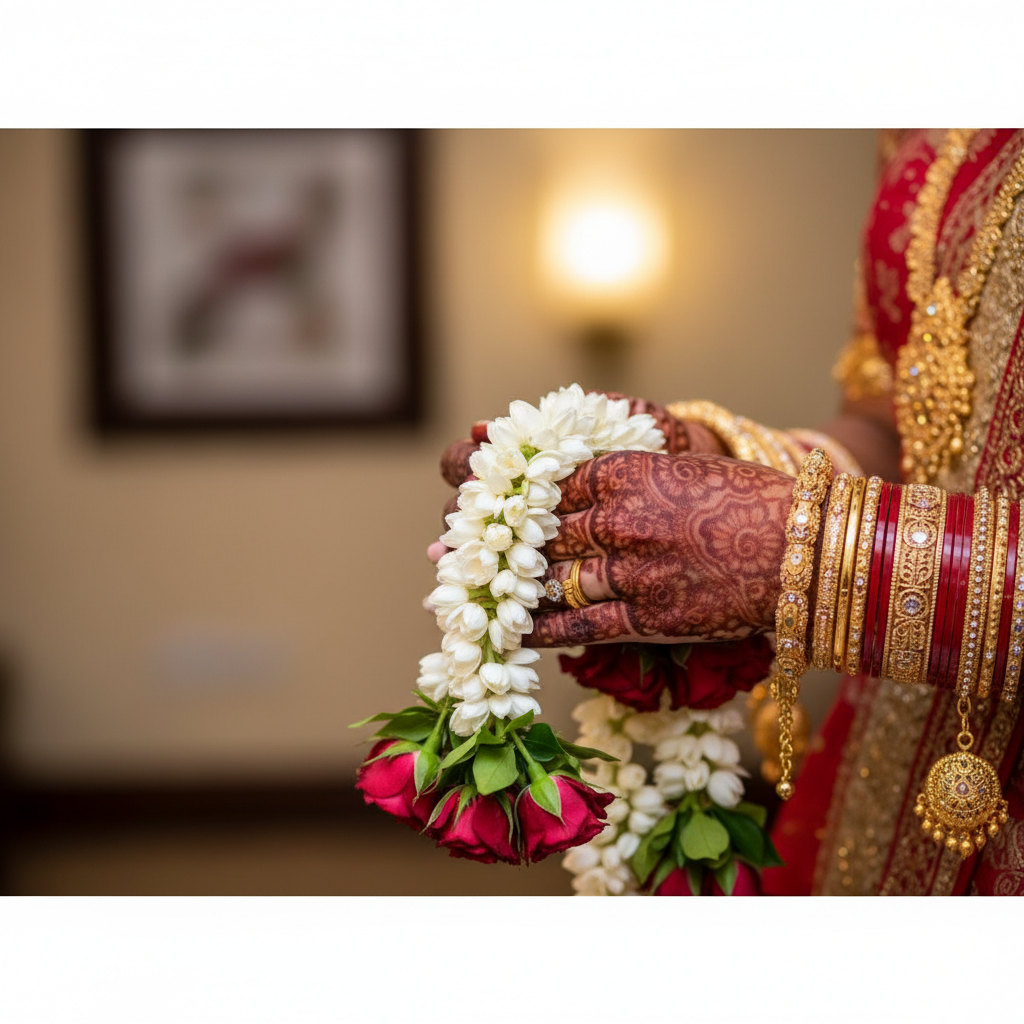
Types of Planners and Approaches (Find the Right Fit)
Choose between full-service planning, partial planning, and day-of coordination. For multi-ritual Indian weddings, full-service or partial planning typically delivers the best balance of cultural precision and timeline control.
Full-service planning
- End-to-end management: design, vendors, logistics, and showtime crews for all functions.
- Ideal for destination weddings or multi-venue weekends with 300+ guest flows.
- Delivers unified style language and one decision pipeline for families.
Partial planning
- Design direction, vendor matchmaking, and timeline builds; family covers some outreach.
- Good fit when venues are booked but run sheets and styling need expert hands.
- Works well for 2–3 function weekends with moderate logistics.
Day-of (month-of) coordination
- Handover 4–6 weeks out; coordinator polishes timelines and runs showtime.
- Best when families managed planning but need professional execution.
- Less design input; heavier on comms and live direction.
Specialization matters
- Gujarati weddings: Mandap safety, agni considerations, and priest cueing.
- Nikkah ceremonies: Contract signing flow, gender-sensitive staging, halal protocols.
- Sangeets: Performance scheduling, dhol coordination, and lighting choreography.
When shortlisting, request sample run sheets and design boards for comparable events. Tangible artifacts reveal the planner’s thinking process and how they protect cultural details under showtime pressure.
Best Practices and Checklists (What Pros Do Differently)
Pro planners rely on documented run sheets, clear vendor scopes, and contingency playbooks. They keep ceremonies on time, guests comfortable, and visuals consistent—without sacrificing spontaneity or joy.
Design and décor
- Mandap engineering: flame safety, load paths, and aisle widths for baraat and vidai.
- Tablescapes: centerpieces below eye line for sightlines; consider fragrance intensity at dining tables.
- Lighting: warm tones for pheras, dynamic color washes for sangeet energy.
Guest experience
- Wayfinding: simple signage and QR schedules for multi-venue weekends.
- Accessibility: dedicated seating and ramps for elders and wheelchairs.
- Dietary clarity: vegetarian/halal labels, allergen notes, and kids’ stations.
Run-of-show and backstage
- Headsets and channel discipline (FOH vs. backstage vs. logistics).
- Hard cues for priest, AV, and catering; soft cues for photographers.
- Plan B for power, rain, and transport disruptions.
Venue checklists that force early decisions reduce friction later. For a useful reference on space and flow questions, see this venue checklist overview used widely in South Asian events.
Tools and Resources to Keep You Organized
Combine a master timeline, collaborative task tracker, and shared file hub. Add WhatsApp groups for family roles and a seating tool for fast revisions. This stack keeps updates visible and decisions moving.
- Timeline + checklists: Break tasks into 6, 3, and 1-month windows; add owner and due date.
- Collaboration: Cloud folders for design boards, contracts, and vendor briefs.
- Seating + RSVPs: Simple tools that export to venue formats (CSV/PDF) save hours.
- Family comms: WhatsApp or Signal groups per function (baraat, sangeet, reception).
For menu structure inspiration across appetizers, mains, and mithai displays, couples often review external guides such as this wedding menu planning outline to spark ideas before tailoring with their caterer.
Case Studies and Examples (Greater London Focus)
Real projects show how planning choices play out. These snapshots highlight timeline control, design cohesion, and culturally faithful execution across Gujarati pheras, nikkah ceremonies, and high-energy sangeets.
Harrow Gujarati weekend: pheras + reception
- Two-day arc with mehndi, pheras, and evening reception; cohesive saffron-and-ivory palette.
- Priest cue sheet synchronized with AV for saptapadi clarity and live translation.
- Guest flow pods: ushers at entry, mobility aisle for elders, and mandap safety marshal.
Central London intimate nikkah
- Scaled seating with privacy-first layout and imam-led signing sequence.
- Halal kitchen briefing, gender-sensitive photo plan, and modesty screens at stage wings.
- Elegant tablescapes: low florals, soft linen palette, and non-intrusive scent profile.
Destination Udaipur celebration
- Full-service planning with venue scouting, travel briefs, and local vendor integration.
- Backup power, monsoon-aware scheduling, and cultural permits coordinated in advance.
- Unified design narrative across phera mandap, sangeet stage, and gala reception.
We’ve found that disciplined run-of-show documents turn potential crunch points—like family dance transitions—into joyful highlights guests remember for years.
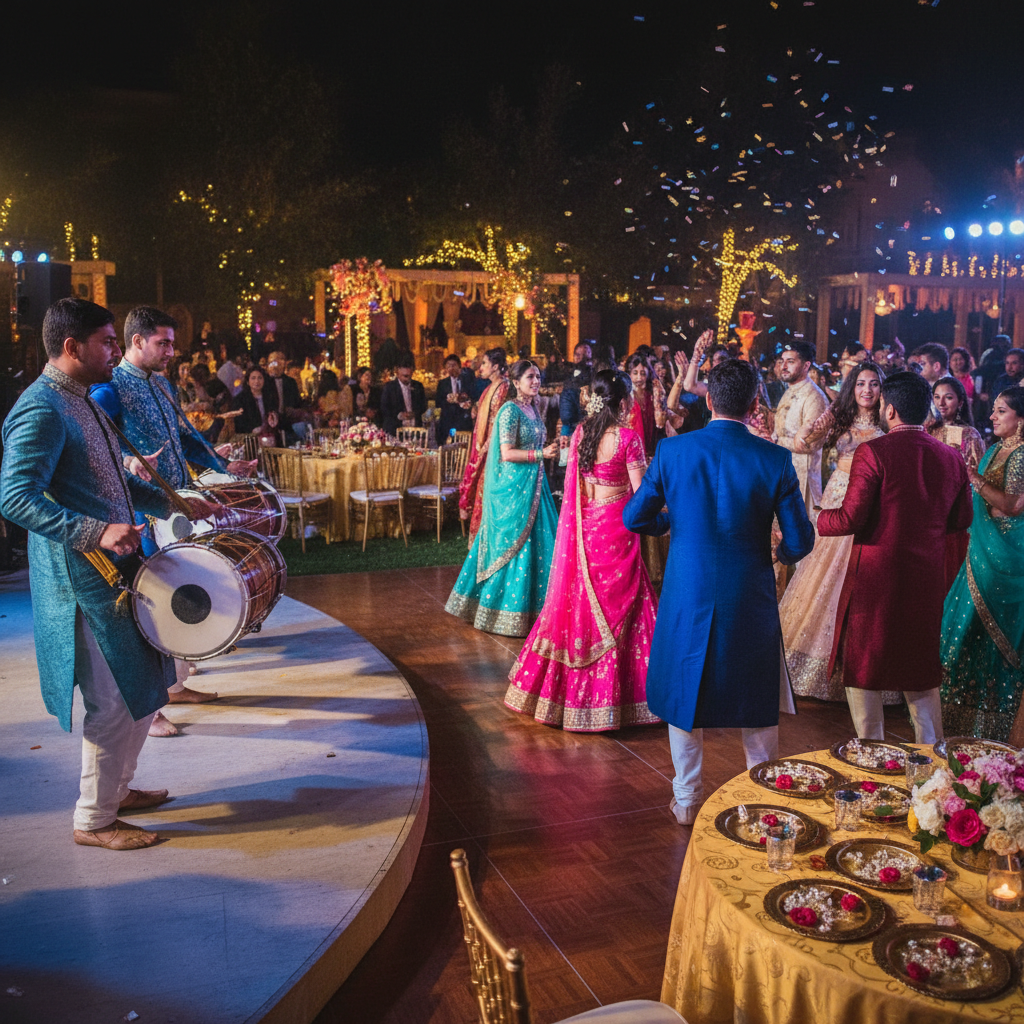
Planner vs. Coordinator vs. DIY (Comparison Table)
For multi-ritual Indian weddings, full-service or partial planning typically outperforms DIY by protecting timelines and cultural details. Day-of coordination helps if most planning is done but you want professional execution.
| Approach | Best For | Pros | Considerations |
|---|---|---|---|
| Full-service planner | 3–5 functions, destination, 250–500 guests | Unified design, vendor leadership, risk control | Requires early engagement and decisive approvals |
| Partial planning | 2–3 functions, venues booked | Design support, vendor matchmaking, clear run sheets | Family handles some outreach and follow-ups |
| Day-of coordination | Planning mostly complete | Professional execution, vendor cueing, timeline polish | Limited design input; handover 4–6 weeks out |
| DIY | Very small, single-function events | Creative control | High time burden; elevated risk of delays |
How to Choose Wedding Planners for Indian Weddings
Shortlist planners with proven Indian wedding portfolios, then vet their systems: run sheets, vendor briefs, and comms. Ask for culture-specific examples, like handling pheras timing, nikkah staging, or sangeet performances.
Due diligence checklist
- Request two full run sheets and a design board from past Indian weddings.
- Ask how they cue priests/imams and coordinate AV for rituals.
- Confirm logistics playbooks: transport buffers, power backups, and rain plans.
Team structure and roles
- Lead planner with deputies for FOH, backstage, and logistics pods.
- Clear escalation paths for vendor issues and timeline decisions.
- Live comms discipline: channel naming and headset etiquette.
For additional context on venue logistics questions many couples consider, an external primer like this South Asian wedding overview can help you frame conversations before your planner customizes the approach.
Greater London Logistics and Neighborhood Nuance
In HA3 0PB within Greater London, timelines should account for transit peaks, neighborhood sensitivities, and multi-venue transfers. Build 15–30 minute buffers around arrivals and ensure clear late-night departure plans for elders and families.
Guest movements hinge on train schedules and roadworks. Weekend services can fluctuate, impacting baraat timing or reception load-ins. Keep coach pickups near well-lit areas, align with local guidelines, and assign ushers to guide elders from curb to entrance.
Site checks and transport
- Test drive peak routes; verify loading bays and elevator access.
- Confirm step-free access and aisle widths for ceremony seating.
- Stage umbrellas, fans, or heaters depending on forecast.
Venue teams appreciate early briefs. Share drawings that note power points, mandap footprint, and back-of-house routes to minimize build-time surprises.
Food, Music, and Cultural Touchpoints
Great celebrations balance culinary range, respectful music curation, and inclusive staging. Align menus to dietary norms, choreograph sangeet cues, and protect prayer or quiet spaces without dulling the party’s energy.
Catering and service rhythm
- Menu zoning: vegetarian/halal separation, Jain stations where required.
- Service cadence: manage appetizer waves to support mingling and photography.
- Late-night bites for dancers after peak sangeet sets.
Music, dance, and dhol energy
- Sequence performances to build momentum; lock AV cues to MC scripts.
- Protect elders’ comfort with speaker placement and quiet zones.
- Rehearse entrances; coordinate live dhol with lighting changes.
For brainstorming, couples sometimes browse third-party venue guides like this South Asian wedding tag page to gather layout and entertainment ideas before tailoring locally.
Plan With Patel Events (Soft CTA)
If you want cultural fidelity, graceful styling, and on-time execution, partner with a team that has done it hundreds of times. Patel Events brings 27+ years of South Asian wedding expertise to every moment.
Let’s outline your weekend arc—rituals, design language, and guest logistics—and build a run-of-show that feels effortless. Our team orchestrates Weddings & Sangeets, Private Celebrations, and Destination Events across London and the UK.
Frequently Asked Questions
These concise answers address common questions couples ask when hiring Indian wedding planners—timelines, roles, cultural blending, and destination logistics.
How far in advance should we book an Indian wedding planner?
Engage your planner 9–12 months out for multi-ritual weekends or destination events. Shorter lead times are possible, but early engagement secures preferred priests, venues, and dhol/DJ teams and gives your designer time to prototype décor elements.
What’s the difference between a planner and a day-of coordinator?
A planner shapes design, vendors, and timelines over months. A day-of (month-of) coordinator refines your existing plan 4–6 weeks out and runs showtime. For multi-ritual Indian weddings, partial or full-service planning usually protects cultural and timing details better.
Can you blend traditions—like Gujarati pheras with a nikkah reception?
Yes. We map rituals to ensure respectful sequencing and adjust floor plans for modesty and family traditions. Clear scripts for priests/imams, AV cues, and seating plans help guests follow along and keep transitions smooth.
Do you coordinate travel and logistics for destination weddings?
We handle venue scouting, local vendor alignment, travel briefs, and contingency planning. For places like Udaipur or Goa, we schedule around climate patterns, confirm power backups, and coordinate permits and cultural requirements well in advance.
Key Takeaways
Choose proven specialists, insist on documented run sheets, and choreograph guest flows. For multi-ritual weekends, full-service or partial planning keeps culture intact and timelines tight while your family enjoys the celebration.
- Protect culture first; design and logistics should elevate, not overshadow, rituals.
- Make timelines visible to every vendor; clarity beats last-minute fixes.
- Think in guest flows: arrivals, seating, dietary needs, and departures.
- Rehearse cues for priests/imams, MC, AV, and performance teams.
- Assign backups for power, weather, and transport disruptions.
Conclusion
Culturally faithful Indian weddings happen by design, not luck. A specialist planner translates family vision into documented decisions, reliable vendors, and showtime precision so joy stays center stage.
From HA3 0PB in Greater London to destination venues abroad, Patel Events brings end-to-end structure to Gujarati pheras, intimate nikkahs, and vibrant sangeets. When your weekend arc is clear and every cue has an owner, your celebration feels effortless.