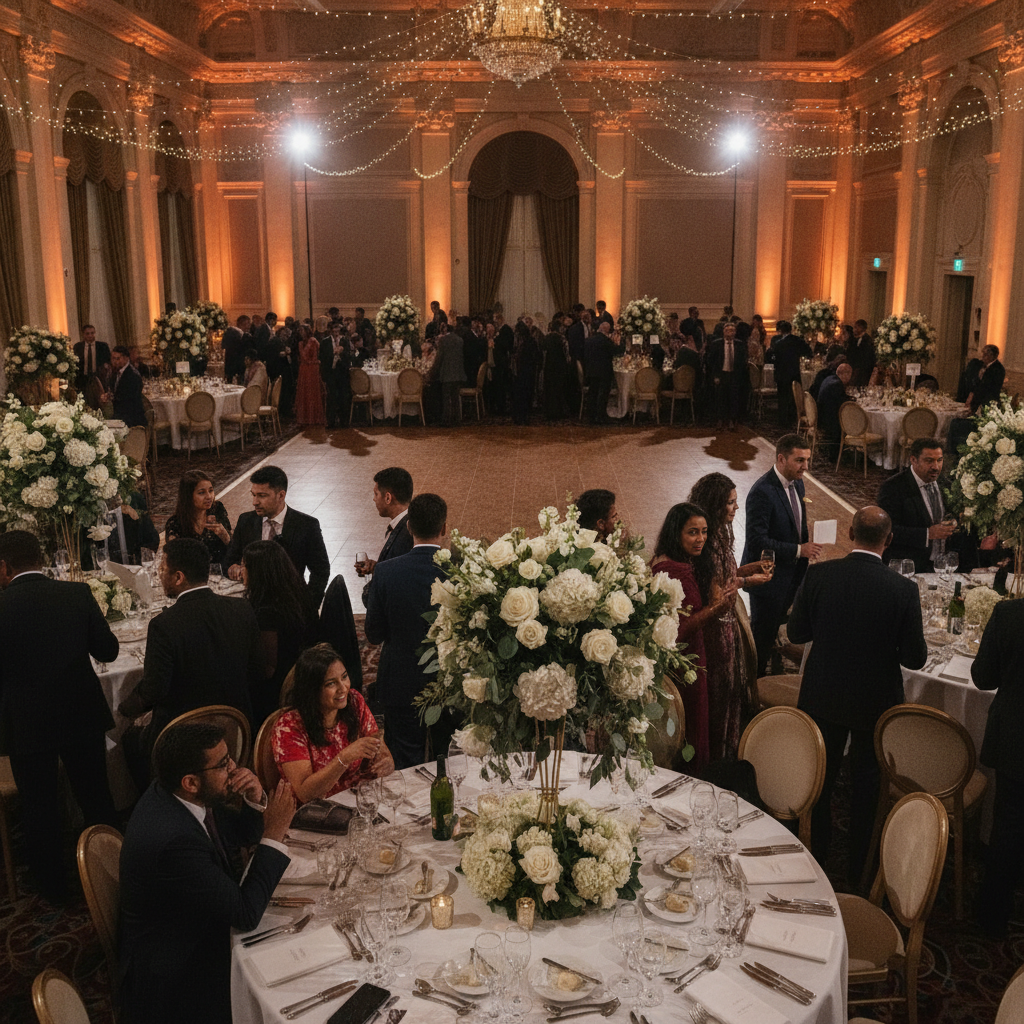
A wedding planner in London, UK is a professional who designs, coordinates, and oversees weddings from first idea to last dance. From our base on Abercorn Garden in HA3 0PB, Patel Events delivers full-service planning trusted by couples seeking cultural precision, polished styling, and seamless logistics for complex, multi-day celebrations.
By Shani Patel — Patel Events
Last updated: 2026-06-22
Above the Fold: Your Guide at a Glance
This guide shows couples in HA3 0PB and across Greater London how to choose and work with a London, UK wedding planner. You’ll learn what planners handle, when to book, how full-service differs from partial support, and how Patel Events manages multi-ritual South Asian and destination weddings with 27+ years of experience.
Use this section to quickly scan what you’ll learn and jump to the parts you need most. We’ve organized it for fast reading and voice answers, but the detail is here when you’re ready to go deeper.
- What a modern wedding planner actually handles day to day
- When to book and realistic 12–18 month timelines
- Full-service vs. partial vs. day-of coordination (pros/cons)
- South Asian ceremony specifics (nikkah, sangeet, pheras, Gujarati)
- Vendor selection, production schedules, and logistics
- Destination planning checkpoints and legal considerations
- Checklists, tools, and a step-by-step roadmap you can follow
- What Is a Wedding Planner?
- Why Wedding Planning Matters in London, UK
- How Wedding Planning Works (Step-by-Step)
- Types, Methods, and Approaches
- Best Practices That Save Stress
- Tools and Resources
- Case Studies and Real Examples
- Frequently Asked Questions
- Conclusion and Next Steps
Quick Summary
Hiring an experienced London, UK wedding planner aligns vision, vendors, and timelines into a cohesive production. Book 12–18 months ahead, centralize communication, and rehearse cultural rituals. Patel Events provides end-to-end planning, design, and vendor management with a 50+ partner network and 98% client satisfaction.
Here’s the thing: most stress comes from gaps between vision and execution. A planner closes those gaps with a clear run of show, reliable vendors, and decisive on-the-day direction so you can be present with family and friends.
What Is a Wedding Planner?
A wedding planner is the producer of your celebration—translating vision into a feasible plan, coordinating vendors, managing schedules, and running the event day. In London, UK, planners also navigate venue rules, transport, permits, and guest movement across multi-venue or multi-day functions.
In our experience, a single wedding can involve 8–12 vendors, 300–600 timed tasks, and dozens of creative and logistical decisions. That load compounds for sangeet, nikkah, and reception nights. A seasoned event planner keeps creative integrity intact while safeguarding timing and flow.
For a deeper framing of roles and responsibilities, see our internal perspective in the wedding event management guide where we break down producer, coordinator, and stylist duties used on real productions.
Why Wedding Planning Matters in London, UK
London venues book fast, supplier calendars fill a year or more ahead, and multi-ritual schedules demand precision. A professional wedding planner keeps timelines realistic, aligns décor with venue constraints, and protects guest experience from arrivals to final send-off across Greater London.
We’ve delivered 500+ events with a 98% satisfaction rate, and one pattern repeats: strong pre-production prevents last-minute compromises. With our 50+ vetted vendor network, we can hold reliable backups, build contingency routes across the city, and coordinate transport between sites without breaking the flow.
Local knowledge also matters. Load-in windows often run 60–120 minutes; sound checks take 30–45 minutes; and a 20–45 minute road buffer keeps cross-town moves on time. For trends specific to the capital, our London wedding planning overview highlights seasonal and venue nuances couples often overlook.
How Wedding Planning Works (Step-by-Step)
Effective planning follows staged milestones: discovery, vision and priorities, venue/date lock, vendor scheduling, design development, detailed timelines, rehearsals, and on-the-day production. In London, UK, popular venues and suppliers typically require decisions 12–18 months in advance.
Here’s our practical, repeatable process.
- Discovery & Priorities (Week 1–2): Align goals, guest count, rituals, and non-negotiables. Capture constraints and success criteria.
- Vision & Framework (Week 2–4): Style boards, ceremony list, guest journey, preliminary allocation ranges. Define approval checkpoints.
- Venue & Date: Shortlist, holds, walkthroughs, and contract reviews. Confirm access windows, sound limits, and curfews.
- Vendor Matrix: Shortlists for catering, décor, photography, cinematography, DJ/entertainment, transport, and AV. Pencil holds and confirmers.
- Design Development: Florals, staging, lighting, tablescapes, and signage. Build a cohesive reveal arc throughout the event.
- Run of Show: Minute-by-minute schedules for each function (mehndi, sangeet, nikkah, pheras, reception), with cueing and backups.
- Rehearsals & Final Checks: Confirmations, cue-to-cue, risk reviews, and access logistics with all suppliers.
- Production & Breakdown: On-site direction, safety management, vendor settlements, and post-event wrap.
| Month | Milestones |
|---|---|
| 18–12 | Hire planner; set date and venue holds; outline rituals; define guest count bands |
| 12–9 | Lock key vendors (catering, photo/video, décor, DJ/entertainment); announce save-the-dates |
| 9–6 | Design boards; menu tastings; guest logistics; accommodation blocks; transport scoping |
| 6–3 | Finalize décor, AV, transport, hair/makeup; issue invitations; rehearse cultural protocols |
| 3–1 | Build run sheets; cue-to-cue; ceremony run-throughs; risk and contingency confirmation |
| Event month | On-site production; live cueing; stage management; guest movement; breakdown and wrap |
For granular on-the-day roles, our wedding day coordination checklist outlines the handoffs between coordinator, MC, DJ, and venue teams so nothing is left to chance. For running orders and pacing ideas, these reception timeline planning tips and a useful timeline template provide clear reference points when drafting your own flow.
Types, Methods, and Approaches
Choose among full-service planning, partial planning, and day-of coordination. For South Asian weddings in London, UK, specialists who manage sangeet, nikkah, Gujarati pheras, and receptions reduce risk. Destination planning adds cross-border logistics, site checks, and vendor due diligence.
Here’s how we help couples pick the right approach for their celebration.
- Full-Service: End-to-end support from concept to breakdown—ideal for multi-day or destination events. You gain a single point of accountability for design, logistics, and production.
- Partial Planning: You’ve booked venue and some vendors; we refine design, fill supplier gaps, and formalize timelines. Great for hands-on couples who want expert structure.
- Day-of Coordination: We execute your pre-built plan, run cueing, and manage vendor handoffs. Works when timelines and briefs are complete 4–6 weeks out.
- South Asian Specialists: We coordinate mehndi, sangeet, nikkah, baraat, pheras, and vidai; liaise with elders and officiants; and brief teams on cultural items and order.
- Destination Weddings: Udaipur, Goa, and overseas venues; site inspections, permits, customs guidance, and guest travel integration.
For décor choices across any model, explore our wedding décor planning checklist to balance florals, lighting, and tablescapes against guest movement and stage reveals. If you’re torn between on-the-ground and in-country talent, we compare pros and cons in destination planner vs. local planner.

Best Practices That Save Stress
Lock your date and planner early, centralize communication, and rehearse cultural rituals. Use a shared timeline, confirm access windows, and build Plan B for weather, transport, and supplier substitutions. Then practice the handoffs so the day feels effortless.
We’ve found these fundamentals consistently protect timelines and keep the guest journey smooth:
- Book early: Top venues and peak-season Saturdays often fill 12–18 months ahead; secure key vendors at the same time.
- One source of truth: A centralized run sheet and contact sheet reduce miscommunication across 8–12 vendors.
- Design for flow: Aim for clear wayfinding, good sight lines, and staged reveals; adjust lighting arcs over the evening.
- Cultural run-throughs: Rehearse entrances, vows, and ritual items with elders to avoid pauses or missed moments.
- Vendor matrix: Maintain at least one backup provider for AV, transport, and entertainment.
- Transport buffers: Keep 15–30 minute cushions for cross-city moves; London traffic is variable.
- Sound checks: Allocate 30 minutes for DJ/AV checks before guest arrival to protect your opening moments.
Want a deeper dive on sequencing and crew roles? Our management guide for London events breaks down who cues what—and when—so you can visualize the entire production.
Tools and Resources
Use shared checklists, digital guest lists, and vendor scorecards. For London weddings, reference legal steps for ceremonies in England and Wales, and document supplier contracts carefully. For menu planning, curated resources help structure tastings and dietary flags.
Practical tools we use with couples:
- Master checklist: A 12–18 month roadmap with monthly tasks and week-of milestones; sub-checklists for sangeet, nikkah, pheras, and reception.
- Guest list tracker: Dietary notes, seating flags, and accessibility needs; track family arrivals and VIP cueing windows.
- Vendor scorecards: Rate proposals by fit, reliability, and creative approach; compare apples-to-apples in selection meetings.
- Run-of-show template: Minute-by-minute timeline with cues, contacts, and contingency notes.
For pacing examples and activity blocks when building your own schedule, review these reception timeline planning ideas and companion timeline template. When you get to tastings, this menu catering planning guide can spark helpful conversations about courses, signature items, and dessert displays.
Soft CTA: Planning a cultural, multi-day wedding? Let’s co-create your run of show. Book a 20-minute discovery call—Patel Events blends design, logistics, and ritual fluency so you can enjoy the day while we run the production.
Ready to start? Reach us via the Patel Events website and we’ll map a tailored plan in your first conversation.
Case Studies and Real Examples
See how our framework performs in the real world: an intimate nikkah near HA3 0PB, a 450-guest Gujarati reception in Greater London, and a three-day destination wedding in Udaipur. Each combined cultural fluency, polished styling, and precise logistics.
Harrow Nikkah with Intimate Elegance
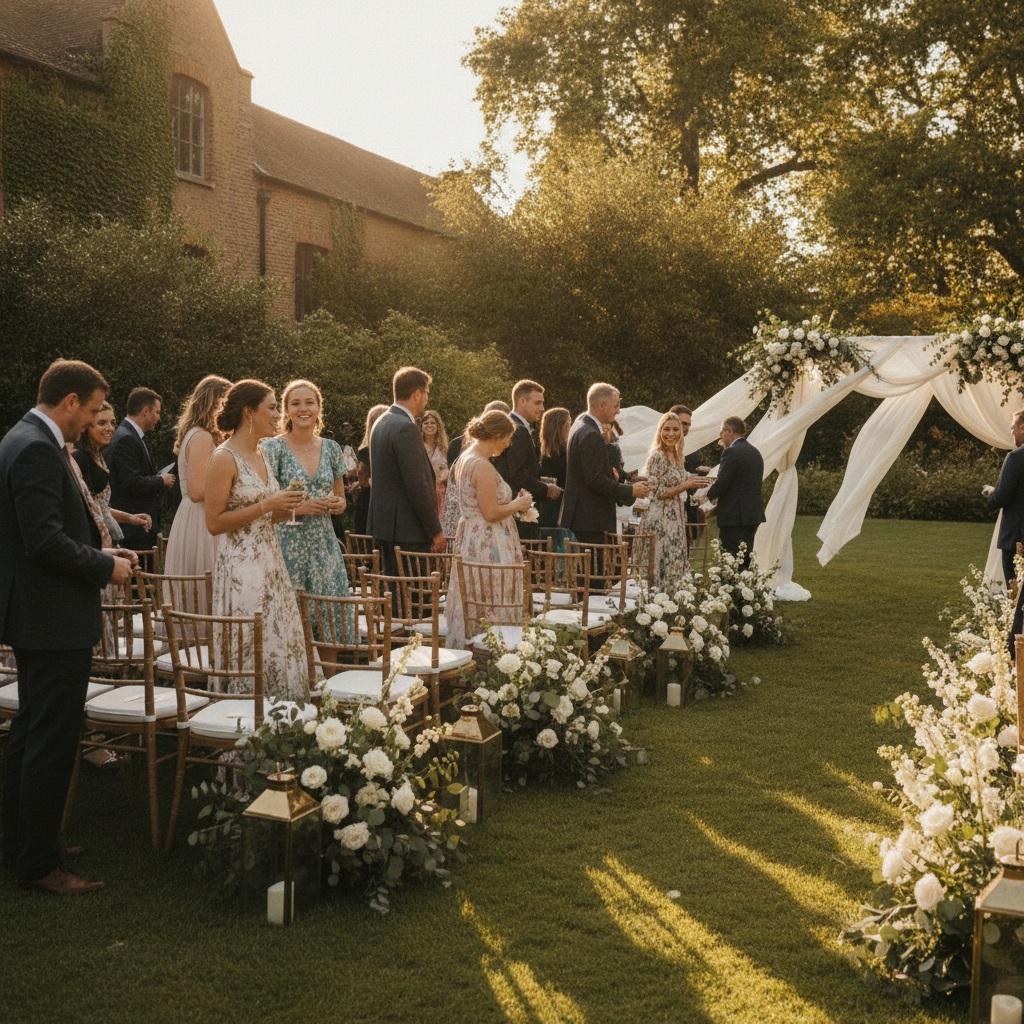
We produced a serene nikkah near HA3 0PB with a family-first flow. A 90-minute run of show, soft floral styling, and a golden-hour photo window kept the day calm. Our on-site lead coordinated the imam, photography, and tea reception transition in under 15 minutes, protecting the couple’s quiet moments.
Gujarati Reception in Greater London
For a 450-guest reception, we built a stage-focused design and synchronized DJ cues for the couple’s entrance. A 15-table service launch kept pacing tight. Décor and lighting pivoted from warm gold to soft rose through the night, creating a visual arc tied to the couple’s story and performance schedule.
Destination: Udaipur Palace Weekend
We delivered a three-day celebration across welcome dinner, sangeet, and pheras at a lakeside palace. The plan included guest charters, customs guidance, and local entertainment integration. We rehearsed cultural protocols with family elders to maintain tradition while keeping the weekend effortless for guests.
Local considerations for HA3 0PB
- Schedule guest arrivals with transport buffers near Preston Road Station to avoid peak-hour congestion.
- Winter sunsets arrive early; plan golden-hour portraits and adjust indoor lighting accordingly.
- Venue load-ins around Northwick Park station often require strict access times—confirm bays and elevator reservations.
Frequently Asked Questions
Most couples book planners 12–18 months ahead. For multi-ritual South Asian weddings, hire earlier. Always choose teams who’ve delivered events like yours and who provide timelines, vendor matrices, and on-the-day production plans you can review.
When should we hire a wedding planner in London?
Aim for 12–18 months before your date, sooner for peak-season Saturdays or multi-ritual celebrations. Early booking secures venues and top suppliers, and it gives your team time to develop design, logistics, and contingency plans that protect your guest experience.
What’s the difference between full-service and day-of coordination?
Full-service covers everything from concept to breakdown, including vendor sourcing and design. Day-of coordination focuses on executing a plan you’ve built, confirming final details, and managing the event schedule on site with clear cueing and handoffs.
Do planners handle South Asian rituals like nikkah and sangeet?
Yes. Specialist teams manage ritual timing, cultural items, family roles, and officiants. For Patel Events, this includes coordinating mehndi, sangeet, nikkah, pheras, and reception cues with elders, ensuring tradition is honored and the program runs on time.
How do destination weddings change the plan?
Destination planning adds international vendor vetting, travel windows, customs guidance, and local permits. We expand contingency planning for weather and transport and schedule earlier booking windows for venues and entertainment to secure your preferred dates.
Conclusion and Next Steps
Selecting the right London, UK wedding planner comes down to cultural expertise, vendor depth, and decisive production plans. With 27+ years, 500+ events, and 50+ vetted partners, Patel Events offers a proven framework to deliver seamless, beautiful celebrations you can fully enjoy.
To move forward with confidence, align on priorities, protect the timeline, and design a guest journey you love. Then let your production team run the cues while you savor every moment with family and friends.
Key Takeaways
- Book early (12–18 months), especially for multi-ritual or peak-season dates.
- Centralize all communication and timelines; one source of truth saves hours.
- Rehearse cultural protocols and entrances with elders and key participants.
- Design for guest flow, sight lines, and staged reveals—not just pretty moments.
- Build contingency plans for weather, transport, and supplier substitutions.
Curious about destination options? Start with our destination planning checklist and an overview of destination wedding planner essentials, then book a discovery chat to map next steps.