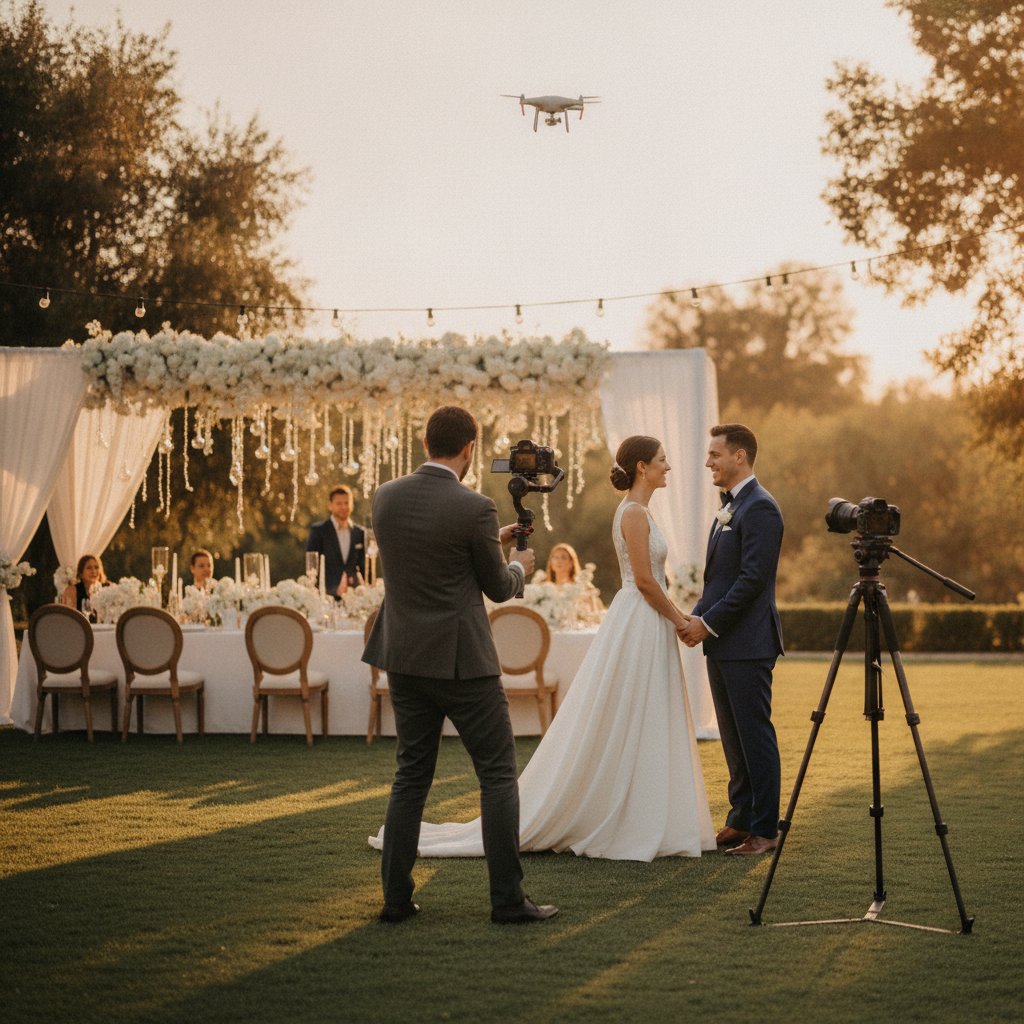
Wedding cinematography shot list refers to a prioritized checklist of must-capture wedding moments, angles, and audio cues for the videography team. A strong list prevents missed memories, aligns expectations, and speeds up editing. For couples in HA3 0PB, it also keeps multi-ritual timelines on track so every tradition and toast makes the film.
By Shani Patel — Patel Events
Last updated: 2026-07-04
Overview
This complete guide shows you how to build a reliable wedding cinematography shot list, from definitions and planning steps to sample lists for South Asian rituals, a buying guide, and a comparison of filming styles. Use it to brief your videographer, align your timeline, and protect the moments you can’t redo.
In this guide, you’ll find:
- Clear definition of a wedding cinematography shot list
- How and when to plan it with your videographer
- 12+ sample moments for each wedding chapter
- Special sections for nikkah, sangeet, and Gujarati pheras
- A buying guide and a style comparison table
- Tools, templates, and real examples from Patel Events
What is a wedding cinematography shot list?
A wedding cinematography shot list is a structured checklist of must-have scenes, audio notes, and camera angles that guide the film crew from prep through reception. It aligns creative intent with logistics, so your team captures vows, rituals, reactions, and details without guesswork on the day.
In our experience filming and producing across complex, multi-ritual celebrations, a clear list becomes your safety net. It translates your priorities—letters, first looks, family blessings—into an actionable plan the crew can execute in minutes, even if timelines shift.
- Scope: Prep, ceremony, portraits, reception, and exit
- Detail level: Scene, angle, audio, backup plan
- Deliverables linked: 60-second teaser, 3–6 minute highlight, 15–20 minute feature
- Formats: Spreadsheet, PDF checklist, shared doc; synced with timelines
Want a ritual-first planning flow? Our nikkah planning checklist and Gujarati wedding timeline pair perfectly with this shot list framework.
Why the shot list matters
A precise shot list prevents missed moments, shortens setup time, and keeps vendors synchronized. It turns family priorities into concrete camera moves and audio requests, which means better storytelling, cleaner edits, and less stress for you and your families.
Here’s why this matters for busy HA3 0PB weddings with layered rituals and packed guest lists.
- Protects once-only moments: First look, vows, nikah nama signing, pheras, and speeches happen once. A list ensures main and B-cam coverage.
- Cuts decision fatigue: With 150–400 guests, a prebuilt plan directs where cameras, mics, and lights go in seconds.
- Improves audio: Lined-out vows and toasts with lav mics and recorders produce clearer edits and more emotional films.
- Supports multi-venue days: When events split between a ceremony hall and reception ballroom, the list drives crew splits and arrival times.
Planning décor-forward receptions? Align your filming list with styling. Our tablescapes guide helps you earmark centerpiece and lighting hero shots that elevate your film.
How the planning process works
Build your shot list 6–8 weeks before the wedding. Lock creative priorities, confirm rituals and locations, assign coverage to each camera, then share with your planner and photographer. Finalize 10 days out so every vendor has the same playbook.
Recommended timeline
- 8 weeks out: Define film deliverables and mood (documentary, cinematic, or hybrid).
- 6 weeks: Draft the wedding cinematography shot list; flag cultural rituals and key family names.
- 4 weeks: Walk-through with planner; mark camera positions and audio plans.
- 2 weeks: Sync the list to the master timeline and photography schedule.
- 10 days: Final freeze and vendor distribution.
Who does what
- Couple/family: Priorities, family VIPs, access/permissions, shot vetoes.
- Videographer: Angles, lens choices (24–70mm, 35mm prime), stabilization plan, audio capture.
- Planner (Patel Events): Timeline enforcement, ceremony blocking, vendor comms, backup plans.
- Photographer: Shared posing time, flash timing, dance floor coordination.
Patel Events coordinates multi-ritual timelines every week. For destination plans, we also map shots to travel windows; see our Udaipur destination checklist for venue scouting tactics that translate to any city.
Filming styles compared
Wedding films generally fall into documentary, cinematic, or hybrid styles. Documentary favors natural pacing and ambient audio; cinematic adds stylized camera moves, color grade, and music arcs; hybrid blends both. Identify your style early so your shot list supports that specific storytelling rhythm.
| Approach | How it Feels | Best For | Shot List Focus |
|---|---|---|---|
| Documentary | Real-time, minimal staging, authentic sound | Vow emphasis, candid families, single-venue days | Continuous coverage, ambient audio notes, minimal retakes |
| Cinematic | Planned arcs, stylized motion, dramatic music | Design-led décor, grand entrances, choreographed dances | Hero details, sliders/gimbals, creative B-roll, transitions |
| Hybrid | Balance of real moments and set pieces | Most HA3 0PB weddings with multiple rituals | Priority moments plus planned sequences and cutaways |
Style choices influence lenses (e.g., 85mm for portraits vs. 24mm for dance floors), frame rates (24 fps for narrative, 60 fps for slow motion), and lighting. Aligning your wedding cinematography shot list to the chosen approach prevents creative drift on the day.
Core shot list by chapter
Use this chaptered master list to brief your videographer. It covers prep, first look, ceremony, portraits, reception, speeches, dances, and exit, with must-have angles and audio cues that fit most weddings, then tailor to your culture and venue layout.
Prep and details
- Invitation suite, rings, attire, accessories, heirlooms (macro + natural light)
- Venue exteriors/interiors and décor before guests arrive
- Makeup/hair finishing touches; family reactions
- Letters or gift exchange; clean audio of readings
- Attire buttoning, dupatta/veil placement, cufflinks, jewelry
First look and portraits
- Couple walk-up; reveal from over-shoulder and front angles
- Reaction close-ups (35–50mm) and wide establishing shots
- Family portraits B-roll; laughter, hugs, candids
Ceremony
- Processional from two angles; parents’ handoff
- Vows with lav mics on both partners and officiant
- Ring exchange and signing; witness reactions
- First kiss; recessional; confetti/flower toss
Cocktail hour
- Room flip time-lapse, signature drinks, canapés
- String quartet or DJ booth; ambient audio clip
- Guest mingling and décor cutaways
Reception
- Empty room hero shot with full lighting/program wash
- Grand entrance and first dance (two cams, 180-degree safe angle)
- Parent dances; table-to-table laughter and cheers
- Cake, special performances, bouquet/garter or modern equivalent
Speeches and toasts
- Mic feed to recorder; backup lav on speakers
- Audience cutaways at punchlines and emotional beats
- Wide master and tight speaker frame for clean edits
Exit and night portraits
- Sparkler exit or staged send-off; safety corridor prepped
- Blue-hour or night portraits with practical lights
- Closing shot: empty dance floor, last song, or venue exterior
Coordinate décor, staging, and filming early. Our Indian wedding coordinators guide maps vendor call times that keep the film crew in sync with photographers and stylists.
Shot lists for South Asian rituals
Cultural ceremonies have specific, once-only beats. Build micro-lists for each ritual—nikkah, sangeet, pheras—so cameras, mics, and lighting are set before proceedings start. Assign angles and backup coverage for handoffs, blessings, and signatures.
Nikkah essentials
- Arrival of the imam and families; seating arrangements
- Signing the nikah nama; pen-on-paper close-up and witness reactions
- Khutbah excerpts and vows with clean audio
- Ring exchange, du’a, and family blessings
- Portraits with elders; respectful framing and space
Deep-dive planning support is in our nikkah ceremony checklist, which pairs timing notes with filming cues.
Sangeet must-haves
- Stage build and lighting test; LED walls and sound check
- Choreography rehearsals; 60 fps capture for slow motion
- Family entrances; call-and-response crowd energy
- Dance medleys; two-camera cross-coverage and gimbal moves
- DJ drops, dhol players, and crowd reactions
Gujarati wedding pheras
- Mandap décor hero shot and fire setup
- Kanyadaan and hast melap close-ups
- Four pheras coverage from stable and roaming cameras
- Mangalsutra/sindoor and blessings from elders
- Vidaai/farewell; long-lens reactions
For design-rich mandaps and long guest lists, we pre-block camera paths to avoid obstructing views. Our planning mistakes guide explains how crew placement can protect guest experience while keeping your film dynamic.
Best practices
Write the list for action on the day: who, what, where, and backup. Use two cameras for ceremonies, isolate key audio, and preflight gear before guest arrival. Keep crew movement invisible, and lock must-have cutaways for seamless edits.
- Two angles minimum: Main cam on tripod; B-cam on gimbal or monopod for reactions.
- Audio redundancy: Lavs on couple and officiant; sync a recorder to the DJ/mixer.
- Light the dance floor: Two LED panels at 45 degrees; avoid blinding guests.
- Preflight: Format cards, fresh batteries, white balance in the room lighting.
- Movement etiquette: Cross behind guests, not between couple and officiant.
- Shot discipline: Hold moments 5–8 seconds for clean edit points.
If you’re considering aerial establishing shots, this aerial videographer guide outlines safe practices and preflight checks you can adapt to your venue and local permissions.
Tools and resources
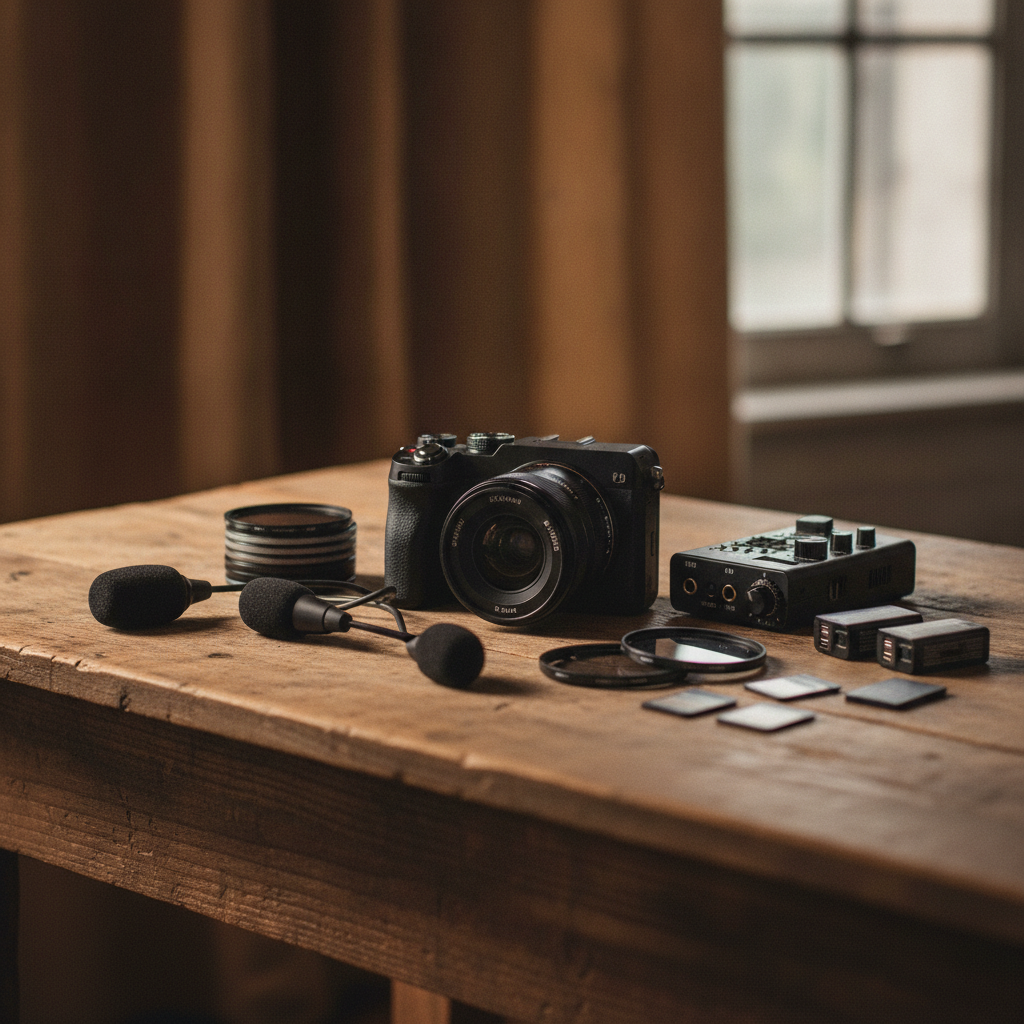
Keep tools simple and reliable: two mirrorless bodies, fast primes, a zoom, lav mics, and an external recorder. Organize your checklist in a shared doc and mirror it as labels on your gear cases so the crew can set up fast without searching.
- Cameras: Dual bodies for redundancy; 24–70mm + 35mm/50mm primes
- Stabilization: Tripod, monopod, gimbal; slider for details
- Audio: Two lavs, handheld mic, XLR/3.5mm recorder, spare cables
- Lighting: Two LED panels with soft diffusion; dimmers
- Workflow: Shot list in Google Docs; color labels by chapter
- Backups: Dual-card recording; on-site SSD offload during dinner
Gear matters less than coordination. Our planners build five-minute buffer blocks into timelines so cinematographers can transition without missing entrances or blessings.
Buying guide: choosing a videographer
Pick a videographer by matching style, coverage plan, and audio approach to your priorities. Review two full films, request a sample shot list, and confirm crew size, delivery formats, and permissions. Align with your planner so timelines and rituals get proper coverage.
What to evaluate
- Style fit: Documentary, cinematic, or hybrid; compare pacing and color.
- Shot list sample: Ask for a real checklist from a similar wedding.
- Audio plan: Who gets lav mics? Is there a DJ board feed backup?
- Crew and gear: Two operators for 150+ guests; dual-card recording.
- Deliverables: Teaser, highlight, and feature with realistic timelines.
- Permissions: House of worship rules; venue load-in/out windows.
Venue readiness also matters. A practical venue checklist shows how load-in timing, stage height, and power access affect camera placement and audio quality on the day.
Case studies and examples
Real-world examples show how a thoughtful list rescues timelines and elevates films. These snapshots highlight how Patel Events coordinates planners, photographers, and cinematographers so every tradition, toast, and dance reads clearly on screen.
HA3 0PB sangeet and wedding weekend
- Challenge: Two venues, LED stage, four family performances.
- Plan: Hybrid style; two cams on stage cross-coverage; 60 fps for dances.
- Result: 3–5 minute highlight with crisp audio and dynamic B-roll.
Intimate nikkah with portraits near Kenton station
- Challenge: Tight ceremony space; strict sound policy.
- Plan: Lavs on couple; discreet recorder at podium; minimal lighting.
- Result: Natural vows with audible khutbah excerpts and family blessings.
Gujarati pheras near Northwick Park
- Challenge: Large mandap with center aisle; obstructed guest views.
- Plan: Pre-blocked camera lanes; tripod main, roaming B-cam.
- Result: Clean coverage of kanyadaan and pheras without blocking elders.
Want to see how décor choices shape camera moves? Explore our tablescapes guide for styling decisions that pair with cinematic hero shots.
Local considerations for HA3 0PB
- Plan portrait windows around nearby transit such as Kenton station to avoid peak foot traffic that can delay first looks or family groupings.
- Summer sangeets run hot; request a pre-cool and a five-minute lighting check before doors to lock exposure for dance performances.
- For mandaps near Northwick Park, pre-clear vendor parking and gear drop zones so gimbal operators can move freely between aisles without crowding.
Downloadable shot list template
Use this structure for your wedding cinematography shot list: Chapter, Moment, Angle A, Angle B, Audio Source, Lighting Note, Backup Plan, and Priority. Populate it with the core list above and ritual-specific micro-lists so crews can act fast.
- Columns: Chapter | Moment | Angle A | Angle B | Audio | Lighting | Backup | Priority
- Chapters: Prep, First Look, Ceremony, Cocktail, Reception, Speeches, Exit
- Micro-lists: Nikkah, Sangeet, Gujarati Pheras
Need broader coordination advice? Our UK wedding planner guide shows how to sync video, photo, and décor in one master timeline.
Style and composition tips
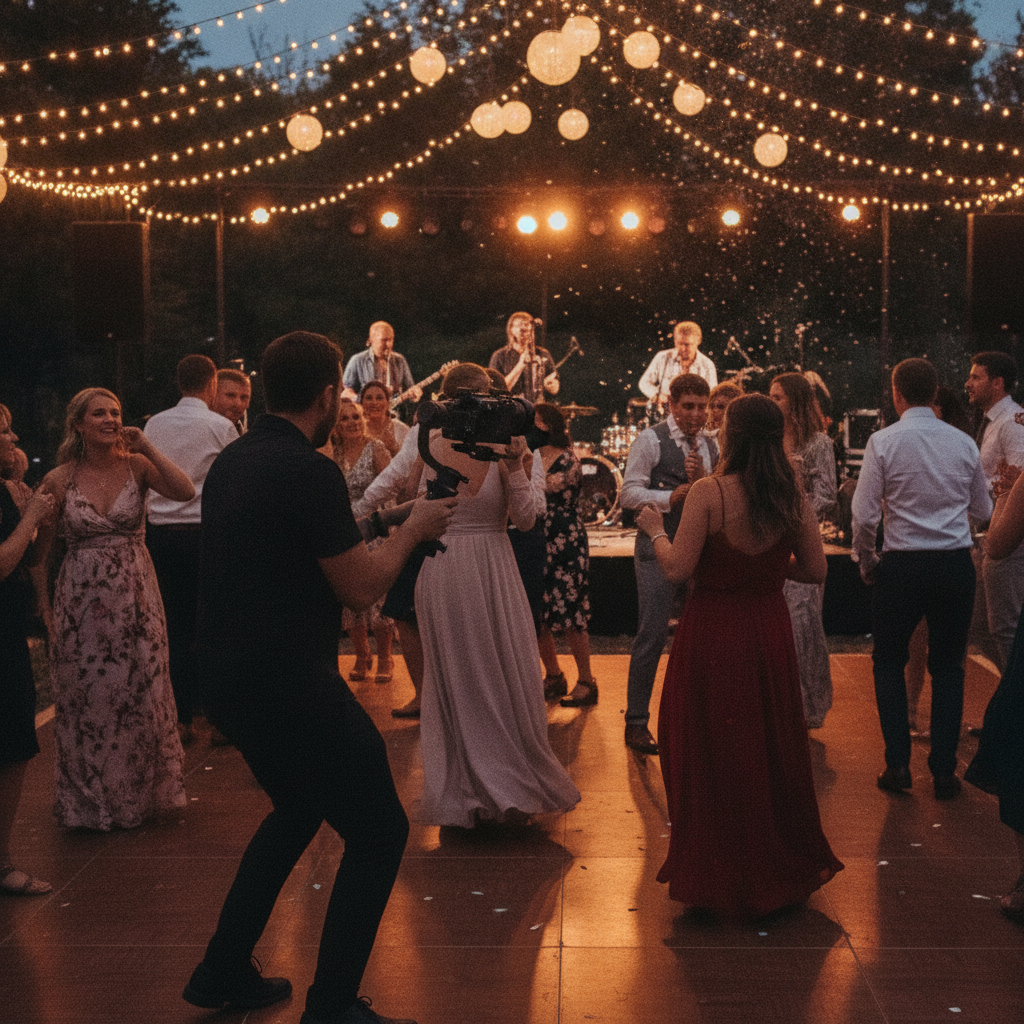
Compose for story first: establish the space, capture action and reaction, then finish with details. Favor eye-level perspectives for vows, 45-degree angles for dances, and tight reaction cutaways during toasts. Keep five clean cutaways per chapter for flexible edits.
- Establish → Action → Reaction: This three-beat sequence anchors every chapter.
- Angles that flatter: 45-degree for dances; eye-level for vows; top-down for details.
- Motion wisely: Reserve gimbal for entrances and dances; keep vows steady.
- Light language: Backlight veils/dupattas; use practicals for warmth.
For visual inspiration and posing flow, this overview of luxury wedding photography offers composition ideas you can adapt for motion, especially when pairing close-ups with wide storytelling frames.
Frequently Asked Questions
Couples ask about timing, crew size, and how detailed their list should be. Keep it simple: define priorities, confirm ritual beats, and assign coverage. Your planner and videographer will translate that into angles, audio, and a timeline you can trust.
How detailed should our wedding cinematography shot list be?
Aim for a one-page summary by chapter plus short micro-lists for special rituals and speeches. Include who’s speaking, key angles, and audio sources. Your videographer can expand that into camera positions and lens choices.
When should we finalize the shot list?
Finalize 10 days before the wedding. That timing lets your planner confirm vendor call times, update any family travel changes, and run a last walk-through if needed.
Do we need two videographers?
For ceremonies and receptions with 150+ guests or multiple rituals, two operators help capture reactions and details without missed beats. For intimate nikkahs, one skilled operator may be sufficient with careful timing and audio planning.
How do we coordinate photographers and videographers?
Agree on lead positioning, flash timing, and dance floor etiquette at the walk-through. Share one master timeline. Your planner keeps entrances, speeches, and rituals running so both teams capture clean angles.
Key takeaways
Lock your style, build a chaptered list with micro-lists for rituals, and assign angles, audio, and backups. Share it with all vendors and finalize 10 days out. The result is calmer execution, stronger storytelling, and a film that feels like you.
- Decide on documentary, cinematic, or hybrid style early.
- Use two cameras and redundant audio for ceremonies and toasts.
- Turn family priorities into specific angles and mic plans.
- Coordinate with planners and photographers to prevent overlaps.
Let’s plan your film-ready timeline
Need a planner who speaks cinematography and culture? Patel Events aligns rituals, décor, and vendor logistics so your film team can focus on story. Share your priorities and we’ll translate them into a clear, calm timeline.
We plan South Asian weddings, destination weekends, and design-forward receptions across the UK. Start by exploring our coordinators guide and nikkah vs. reception planning insights, then reach out to compare timelines.
Conclusion
A thoughtful wedding cinematography shot list is your best insurance against missed memories. When style, angles, and audio are planned with your timeline, the film feels effortless and true. Build the list, brief the team, and enjoy the day—your story will follow.
Ready to turn your priorities into a film-ready plan? Book a discovery session in HA3 0PB and let’s map your timeline, rituals, and vendor choreography together.