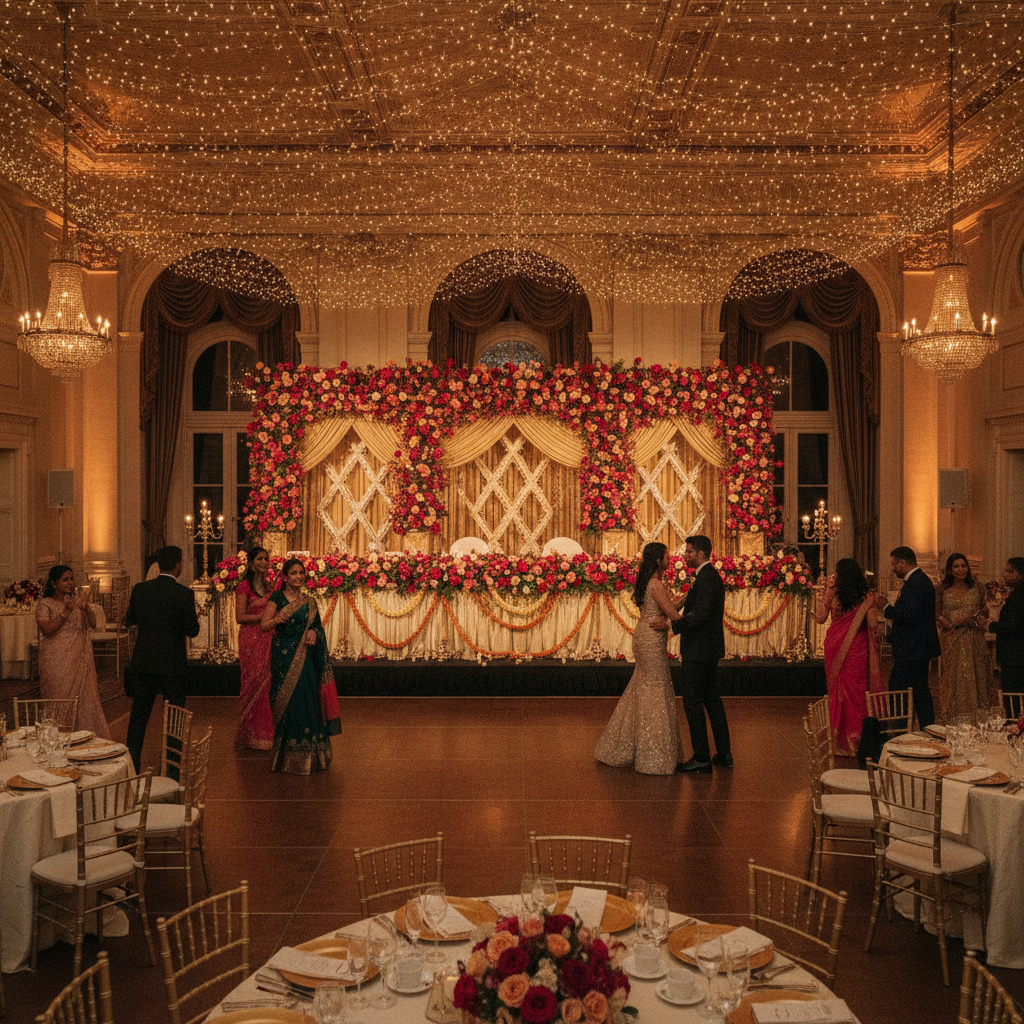
A reception planner is the specialist who designs, schedules, and runs your wedding reception so every moment happens smoothly, on time, and in style. They coordinate vendor handoffs, manage the run of show, and protect your vision. For couples in HA3 0PB and across London, a dedicated reception planner keeps celebrations stress-free and guest-focused.
By Shani Patel • Last updated: 2026-06-26
At a Glance
A reception planner turns your reception vision into a precise, minute-by-minute experience. Expect timeline mastery, vendor coordination, décor oversight, guest-flow management, and rapid issue resolution. The result: a smooth celebration where speeches land, the dance floor stays alive, and you remain present with family and friends.
This complete guide blends practical steps with real scenarios from Patel Events—London wedding and sangeet specialists with 27+ years of experience and 500+ events delivered. Use it to plan confidently and avoid last‑minute drama.
- What a reception planner actually does—and how it differs from venue coordination
- Timelines, milestones, and the “run of show” you’ll rely on
- Décor, styling, entertainment, and cinematography integration
- Vendor handoffs, contingencies, and day‑of command structure
- Local planning notes for HA3 0PB near Northwick Park station and Preston Road Station
What Is a Reception Planner?
A reception planner is the professional who designs, sequences, and executes every element of your wedding reception. They build the timeline, cue vendors, solve issues in real time, and maintain the guest experience so you can celebrate without managing logistics or making on‑the‑spot decisions.
Think of the planner as your showrunner. They translate your priorities into a timed script, coach speakers and VIPs, and coordinate staff so no moment feels rushed or delayed. At Patel Events, we bring deep cultural fluency across Gujarati and South Asian traditions, which matters when receptions follow multi‑ritual ceremonies.
Core responsibilities
- Timeline engineering: Design of the run of show, cue sheets, and buffers.
- Vendor orchestration: Handovers from ceremony to reception; sound, lighting, catering, desserts, and late‑night service.
- Décor and styling QA: Final layout checks, stage dressing, tablescapes, and centerpiece placement.
- Program direction: Grand entrances, speeches, first dance, parent dances, cake cutting, open dance.
- Guest‑flow design: Wayfinding, receiving lines, and dining transitions.
- Issue triage: Rapid decisions when weather, transport, or vendor delays threaten timing.
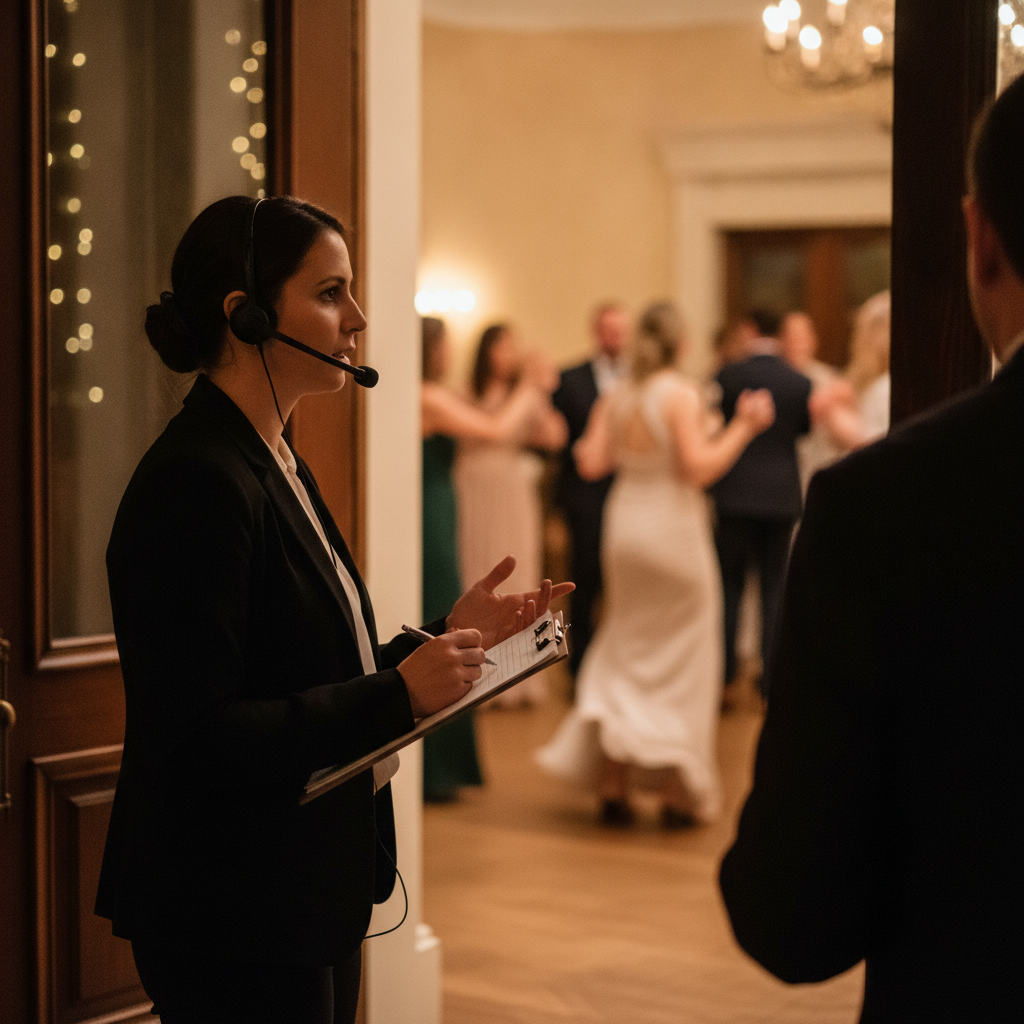
Because receptions sit at the intersection of hospitality and production, the reception planner leads like a show caller. In our experience, events with a named show caller start within two minutes of schedule, while unassigned leadership often drifts 10–15 minutes per segment—enough to squeeze dance time.
Why Reception Planning Matters
Reception planning matters because timing is everything. The right sequence protects meals from delays, keeps energy high, and ensures key moments land while guests are attentive. Great planning turns a beautiful setup into a living experience your family will remember.
Here’s the thing: receptions compress dozens of micro‑decisions into a few hours. Without a planner, those decisions land on you or a relative, which dilutes your experience. With Patel Events coordinating, couples stay present while we manage run sheets, vendor cues, and timing buffers honed across 500+ events and a 98% satisfaction record.
- Energy management: Place toasts before dancing peaks; avoid momentum dips.
- Catering quality: Time service to preserve temperature and texture of courses.
- Guest engagement: Balance speeches, performances, and open dance so the room never stalls.
- Cultural fidelity: Align rituals (e.g., vidhis, blessings) with family expectations and venue rules.
- Documentation: Help cinematography capture cues (entrances, reactions, firsts) without disruption.
We’ve found even a five‑minute delay on plated service ripples into speeches and the first dance. Add two unplanned toasts and you’ve lost 20–25 minutes of dance floor—often the most joyful part of the night.
How Reception Planning Works
Reception planning works by converting your vision into a detailed timeline, mapping vendor cues to exact timestamps, and installing a day‑of command structure. The planner rehearses key moments, checks technical setups, and runs the evening like a live show with scheduled buffers.
At Patel Events, we start with your priorities—food experience, speeches, performances, and party vibe. We then architect a run of show and integrate décor, sound, lighting, and cinematography. The week of, we confirm walk‑throughs, finalize load‑in windows, and issue a final cue sheet so every stakeholder knows their marks.
Foundational steps
- Discovery: Vision, non‑negotiables, family dynamics, and cultural elements.
- Venue flow map: Zones for welcome, dining, stage, dance floor, dessert, and exits.
- Timeline draft: Anchors (entrance, dinner, toasts, first dance), buffers, and vendor windows.
- Vendor alignment: Technical needs for DJ/band, caterer, lighting, and cinematography.
- Rehearsals: Micro‑run‑throughs for entrances and speeches; audio checks.
- Show calling: Live cueing, issue triage, and guest‑flow adjustments.
For couples planning a sangeet‑style reception, we also script performances and transitions between segments, aligning with our how to plan a sangeet night playbook and our DJ planning for sangeet guidance so the dance floor stays energized.
Types of Reception Planners and Approaches
Reception planners typically operate in three modes: day‑of direction, partial planning focused on reception design and timeline, and full‑service production that covers ceremonies through reception. The best fit depends on complexity, cultural needs, and how much hands‑on support you want.
Because Patel Events supports multi‑ritual South Asian weddings, we often recommend partial or full‑service for receptions tied to nikkah, Hindu, or Gujarati ceremonies. This ensures rituals, blessings, and family performances integrate elegantly with dinner service and the party that follows.
Common engagement models
- Day‑of direction: You plan; we run the show, manage vendors, and keep time.
- Partial planning (reception‑focused): We co‑design décor and tablescapes, build timelines, and align vendors in the 6–10 weeks before.
- Full‑service production: End‑to‑end planning for ceremonies, receptions, styling, and logistics—ideal for destination weddings or large guest counts.
When each model fits
- Intimate receptions: Day‑of often suffices if vendors are secured and the program is simple.
- Performance‑heavy sangeets: Partial or full‑service adds structure for transitions, AV, and emcee cues.
- Destination receptions: Full‑service handles visas, freight, local permits, and unfamiliar venues.
If your reception follows a nikkah, see our perspective in nikkah vs reception planning—the run of show and guest expectations can vary significantly.
Reception Planner Best Practices
The best practices are simple: lock a realistic timeline with buffers, define a single point of command, rehearse high‑stakes moments, and protect dance‑floor time. Build vendor cues on paper, then verify them on site with an audio and lighting check.
In our experience, four areas decide the night: timeline precision, vendor handoffs, stagecraft, and guest‑flow design. We coach speakers to keep to agreed lengths, stage the cake and mics for quick pivots, and keep the DJ in lockstep with the program so the energy arcs correctly.
Practical tips we use
- Write the show: One master timeline, one cue sheet per vendor.
- Build buffers: 5–10 minutes after toasts and major transitions.
- Protect the party: Place cake cutting just before the final dance block.
- Mic discipline: Test, label, and place backups; keep spare batteries ready.
- Stagecraft: Clear sightlines to the couple; light the first dance and speeches.
- Vendor radio net: Shared comms channel for planner, DJ, floor captain, and cinematography lead.
For additional program structure, many couples find value in a printable run sheet. A widely shared example is a reception timeline template published by the Mississauga Convention Centre—see their reception timeline template for a helpful reference on segment ordering and buffer placement.
Tools and Resources for a Seamless Reception
Use clear documents and simple tools: a master timeline, vendor cue sheets, layout diagrams, contact lists, and a run‑of‑show group chat. Layer in checklists for load‑in, sound checks, and stage resets to keep the evening tight.
We prefer lightweight tooling that teams adopt quickly. Paper backups travel with the show caller. Digital copies sit in a shared folder so vendors always have the latest version. Below are assets we deploy on nearly every reception.
Working toolkit
- Master timeline: Minute‑by‑minute plan with buffers and responsibilities.
- Vendor cue sheets: DJ, lighting, MC, catering, cinematography.
- Layout diagram: Tables, stage, dance floor, bars, photobooth, dessert stations.
- Contact sheet: On‑site leads, mobile numbers, and comms channel.
- Contingency matrix: Weather, transport, vendor delay, AV failure.
- Rehearsal notes: Entrance order, name pronunciations, speech timing.
If you’re in early planning, our Weddings & sangeets planning guide and broader wedding planning in London overview map how reception planning slots into the full journey. For private parties, the party planners London guide includes décor and entertainment checklists you can adapt.
The Timeline: Sample 4.5‑Hour Reception Run of Show
A tight, 4.5‑hour run of show balances dining, toasts, and dance time. Aim for a dynamic open, a focused middle with speeches, and a long final dance block. Lock buffers after high‑risk segments like entrances and toasts.
Use this sample as a starting point—your venue, cultural rituals, and entertainment will shape the details. For additional timing ideas, the Mississauga Convention Centre’s timeline planning overview breaks down common segments and pacing.
- 00:00 – Doors open: Welcome drinks, soft background music, photos.
- 00:20 – Wedding party seated: Emcee standby; DJ cues entrance track.
- 00:25 – Grand entrance: Couple entrance, applause, straight to head table.
- 00:30 – Blessing or welcome: Family elder or officiant.
- 00:35 – Dinner service begins: Starters or buffet open.
- 01:15 – First toast block: Two to three short speeches.
- 01:35 – First dance & parent dances: Light it beautifully; cue cinematography.
- 01:55 – Main course service: Keep music warm and conversational.
- 02:35 – Second toast block: Two short speeches; close with the couple.
- 02:55 – Cake cutting: Quick photo moment; pivot to party.
- 03:00 – Open dance set 1: High‑energy 45 minutes.
- 03:45 – Late‑night bite: Refresh guests and re‑spark energy.
- 03:55 – Open dance set 2: Final 35‑45 minutes; keep the floor packed.
- 04:35 – Farewell moment: Thank‑you wave or sparkler send‑off (venue permitting).
For South Asian receptions that follow daytime ceremonies, we often shift the main course earlier, then stack performances and toasts across two blocks to keep the soundtrack—and the story—moving.
DIY vs Reception Planner vs Venue Coordinator
Venue coordinators protect the venue. Reception planners protect your guest experience. DIY can work for very simple programs, but complex receptions need a single show caller who manages vendors, timing, and risks with authority.
Here’s a quick comparison based on how receptions actually run. Use it to choose the leadership model that fits your night.
| Decision Area | DIY | Venue Coordinator | Reception Planner |
|---|---|---|---|
| Scope of work | Limited; family-led tasks | Venue logistics and safety | Full program direction end‑to‑end |
| Timing control | Variable; drifts likely | Protects service windows | Owns minute‑by‑minute cues |
| Vendor management | Ad hoc coordination | Interfaces for venue needs | Coordinates all vendors live |
| Cultural fluency | Depends on family | Usually neutral | Specialized (e.g., Gujarati, nikkah, sangeet) |
| Risk management | Reactive | Facilities‑focused | Proactive with contingencies |
| Day‑of authority | Unclear | Venue policies | Clear command structure |
| Deliverables | Basic checklists | Banquet order, diagrams | Run sheet, cue sheets, briefings |
If you’re weighing options, our London wedding planner mistakes article highlights decision traps we see couples fall into—use it to pressure‑test your plan.
Décor, Styling, and Stagecraft
Great styling is only half the story; stagecraft makes it work. Your planner aligns florals, lighting, and layout with camera angles and guest sightlines so every key moment looks and feels intentional.
Patel Events is known for meticulous floral styling and grand receptions, from lush head‑table backdrops to balanced tablescapes and centerpieces. As reception planners, we check aisle widths, stage height, speaker placement, and cable routing so the room is safe, cinematic, and functional.
Design moves that pay off
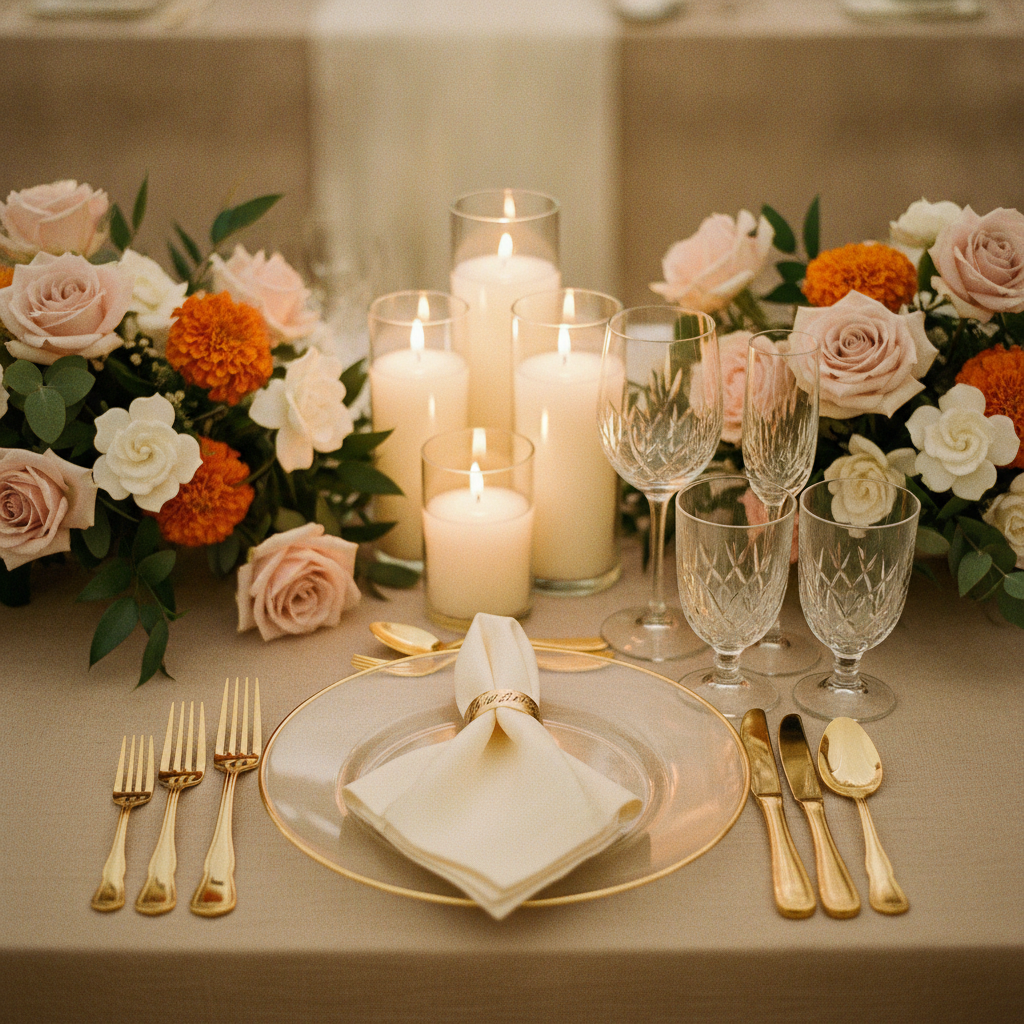
- Tablescapes with intent: Centerpieces scaled to table size; keep eye lines clear.
- Lighting layers: Pinspot florals; wash the dance floor; warm the room perimeter.
- Photo positions: Pre‑mark emcee, first dance, and cake spots for clean frames.
- Flow planning: Avoid bottlenecks at bars, dessert stations, and photobooths.
- Back‑of‑house order: Label crate zones for quick resets between segments.
If you’re exploring venue criteria, this South Asian venue checklist offers a helpful lens on space planning, catering rules, and guest capacity considerations that influence reception layouts.
Vendor Ecosystem and Handoffs
Your reception planner sits at the center of a vendor web—DJ or band, caterer, decorator, lighting, cinematography, venue, and emcee. Clear handoffs and a shared run sheet keep everyone synchronized so the guest experience never stalls.
Our vendor ecosystem spans 50+ trusted partners. We brief each lead on timing, power needs, load‑ins, and mic plans. During the show, we cue the DJ for transitions and the cinematography team for entrances and reactions, while floor captains watch service pacing.
High‑impact handoffs
- Ceremony → Reception: Cocktail start time vs. photo commitments.
- Dinner → Toasts: Switch from background to spotlight audio smoothly.
- Toasts → First dance: Mic swap, lighting change, and DJ drop.
- Cake → Dance block: Quick staging reset to relaunch energy.
When performances are part of the night, we embed rehearsal windows and label mic channels by act. This keeps transitions tight and avoids “dead air” that drains energy.
Case Studies and Real Examples
Real receptions prove the method: tight run sheets, smart buffers, and decisive show calling deliver memorable nights. Here are concise snapshots that show how planning choices shape outcomes across different reception styles.
We protect client privacy, so the following insights are anonymized but representative of how Patel Events plans and runs receptions across London and destination venues.
- Gujarati grand reception: 420 guests, large stage, live band. We split speeches across dinner courses and locked 10‑minute buffers. Result: on‑time first dance; 85‑minute final dance block.
- Nikkah‑followed reception: Ceremony in the afternoon, elegant evening dinner. We moved family blessings earlier and kept toasts to 2 minutes each. Result: seamless flow, no cold plates, candid films captured cleanly.
- Sangeet‑style party: Seven performances plus DJ. We color‑coded cue sheets and built a stage‑reset crew of three. Result: sub‑60‑second transitions; dance floor stayed full.
- Destination in Goa: Weather risk and vendor mix. We created an indoor rain layout and pre‑rigged lighting. Result: quick pivot with no program loss.
- Corporate‑inspired reception: Brand‑aligned visuals and timing discipline. We ran headset comms and a stage manager. Result: high production polish without feeling formal.
- Intimate London dinner: 80 guests, acoustic trio. We cut the entrance fanfare and focused on toasts and dining cadence. Result: warm, conversational evening.
- Back‑to‑back rooms: Ceremony upstairs, reception downstairs. We used two radios teams and a roaming runner. Result: zero guest congestion at transitions.
- Late‑running photos: Couple arrived 15 minutes behind. We shifted a toast to post‑main and preserved dance time. Result: guests never noticed.
- AV glitch prevention: We staged a spare mic and labeled channels. Result: no dead air during speeches.
- Complex dietary split: Multiple service variations. We assigned a dietary captain to the floor. Result: accurate plates with no service delay.
- Emcee coaching: We rehearsed cue lines and timing. Result: crisp introductions and smooth handoffs all night.
Thinking about your reception flow? If you’re planning a wedding or sangeet in London, we can map your run of show, décor, and entertainment in one working session—then you keep the plan. Start with our wedding planning in London overview and we’ll tailor the details.
Local Planning Notes for London (HA3 0PB)
Local planning in HA3 0PB often hinges on transport timing and venue load‑ins. Build realistic buffers around weekend transit and coordinate vendor arrivals with clear wayfinding. Consider guest routes near Northwick Park station and Preston Road Station.
As a Harrow‑rooted team, we plan with London’s realities in mind: traffic peaks, parking rules, and venue access windows. We also factor seasonality—winter sunsets change your photo plan and lighting; summer heat may influence dessert and floral choices.
Local considerations for HA3 0PB
- Schedule crew arrivals with transit in mind—Northwick Park station can get busy; communicate alternate routes and clear load‑in notes.
- In winter, move portraits earlier and warm the room lighting; in summer, protect florals and desserts from heat during extended welcomes.
- For sangeet‑style receptions, confirm amplified‑sound parameters with venues near Preston Road Station and build a clear emcee cue plan.
Related Articles
Explore deeper guidance on ceremonies, receptions, and party energy. These context pieces help you decide what to include in your reception program and how to keep the room engaged from entrances to the final song.
For sequence planning across rituals and parties, read our Weddings & sangeets planning guide. If you’re building a performance‑forward evening, our sangeet night planning guide shows how to script acts without losing momentum.
Frequently Asked Questions
Common questions center on scope, timing, and how a reception planner differs from a venue coordinator. Here are concise answers to help you decide your next step with confidence and clarity.
What does a reception planner handle on the day?
They run the show: cue entrances and speeches, coordinate vendors, solve problems, and keep the timeline on track. They also check décor and lighting, manage guest flow, and communicate with your DJ and caterer so dinner, toasts, and dancing stay in sync.
How is a reception planner different from a venue coordinator?
A venue coordinator protects venue operations and safety. A reception planner protects your guest experience and program timing across all vendors. They write the run sheet, cue each moment, and make day‑of decisions that keep energy high and meals timely.
When should we bring a reception planner on board?
Bring them in as soon as you have a venue and rough program goals. Many couples engage planners 2–6 months out for timeline design and vendor alignment. For complex or multi‑ritual weddings, earlier involvement improves rehearsal planning and contingency design.
Can a planner help with speeches running long?
Yes. Good planners coach speakers on timing, build buffers, and coordinate with the DJ and emcee for smooth transitions. If a speech overruns, the show caller adjusts the sequence to protect dance‑floor time without guests noticing.
Do we still need one if our venue provides a coordinator?
If your program is simple, a venue coordinator may be enough. For multi‑vendor receptions with cultural elements, performances, or tight timing goals, a dedicated reception planner ensures one person owns the full experience and runs minute‑by‑minute cues.
Key Takeaways
A reception planner safeguards your timeline, guest experience, and vision. Choose the engagement model that fits your complexity, protect dance time, and align vendors to a clear run sheet and command structure.
- Reception leadership is a role—not a task list. Assign a show caller.
- Buffers save the party. Place them after high‑risk segments.
- Stagecraft matters. Light, position, and cue each moment.
- Use simple tools. Master timeline, cue sheets, and a comms plan.
- Localize the plan. Account for London transport, seasonality, and load‑ins.
Ready to map your reception? We’ll co‑design your run of show, décor, and entertainment so you can be fully present on the night. Book a discovery session in HA3 0PB and let’s craft a celebration that feels effortless.