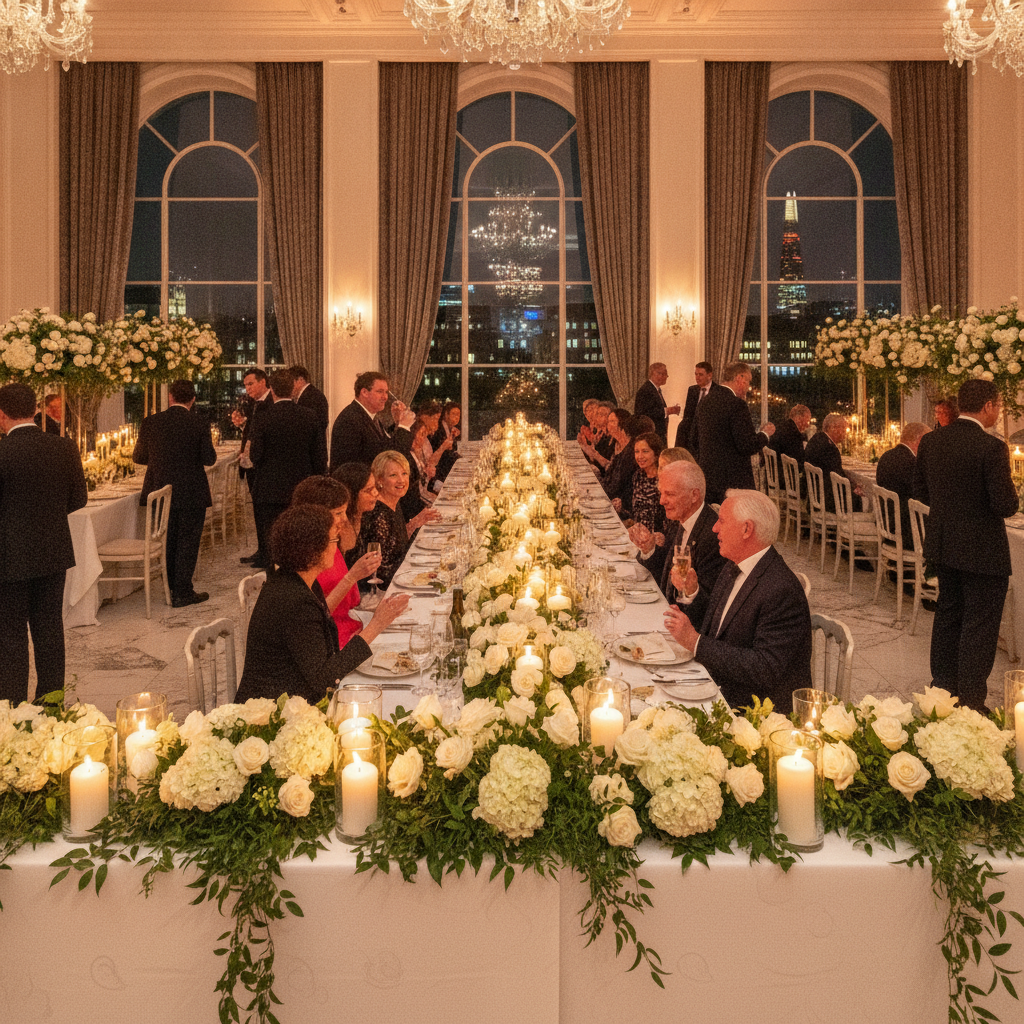
Party planners in London coordinate design, vendors, and logistics to deliver seamless events. Based at Abercorn Garden in HA3 0PB, Patel Events manages décor, styling, timelines, and on-site execution so hosts can relax. Expert support across weddings, sangeets, corporate launches, and private parties reduces risk, saves time, and elevates guest experience.
By Shani Patel — Patel Events
Last updated: 2026-06-14
Overview
This complete guide explains what party planners do, why planning help matters in London, and how to choose the right partner. You’ll learn the step-by-step process, service types, best practices, tools, and real case studies from Patel Events—so your next celebration is organized, on time, and unforgettable.
- What party planners handle from day one
- How timelines, budgets, and vendors come together
- Types of services: full-service, partial, day-of, design-only
- London-specific logistics and neighborhood tips
- Checklists, tools, and templates you can adapt
- Case studies from 500+ Patel Events productions
Patel Events brings 27+ years of planning expertise, 50+ vetted vendors, and a 98% client satisfaction record—reliable numbers when your date can’t move.
What Is Party Planning in London?
Party planning is the professional coordination of design, vendors, schedules, and guest experience to deliver a cohesive event. In London, it spans private celebrations, corporate functions, and multicultural weddings—where planners align décor, rituals, logistics, and on-site teams to execute a seamless day.
In our work across Greater London, “planning” means turning ideas into signed contracts, run-of-show timelines, floor plans, and contingency plans. It’s structured creativity: design vision plus critical path management.
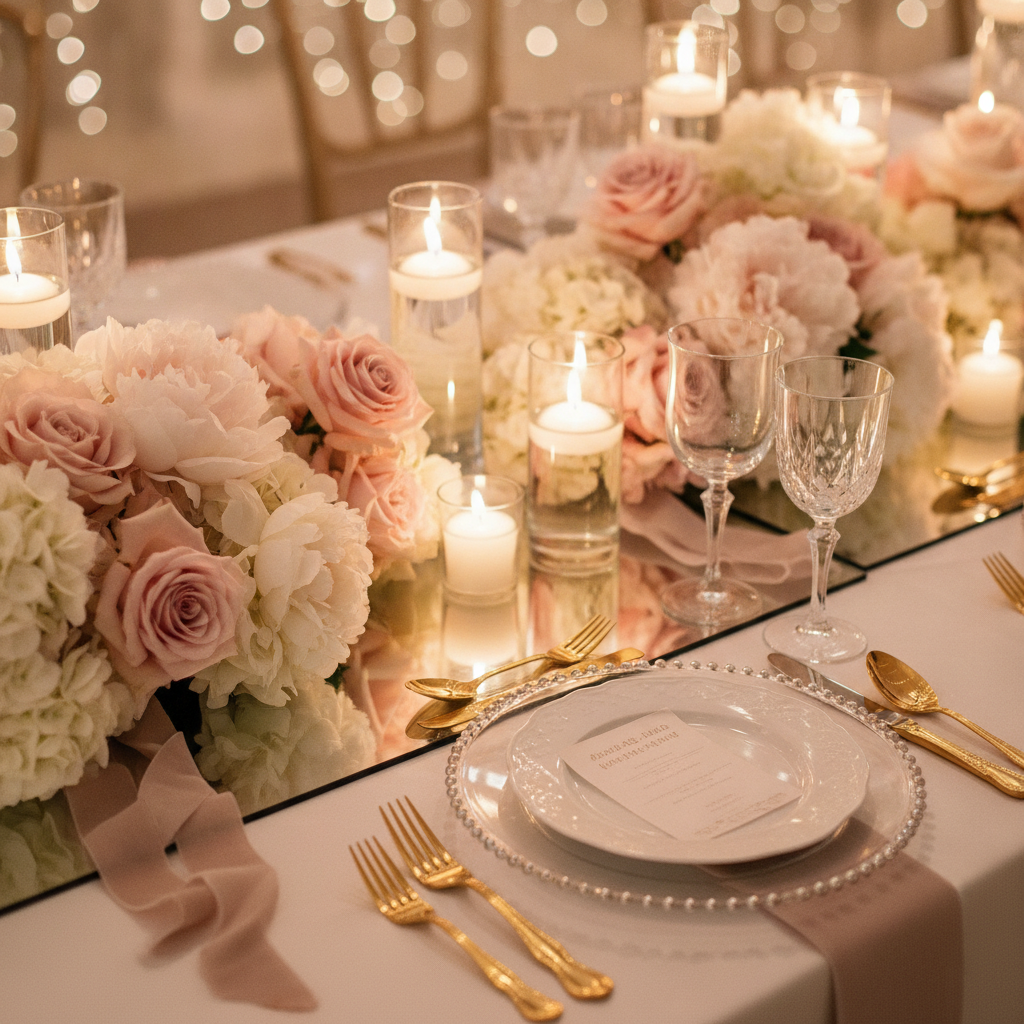
- Design & styling: mood boards, florals, lighting, tablescapes, and guest journey.
- Vendor curation: venues, caterers, DJs, cinematography, rentals, and transportation.
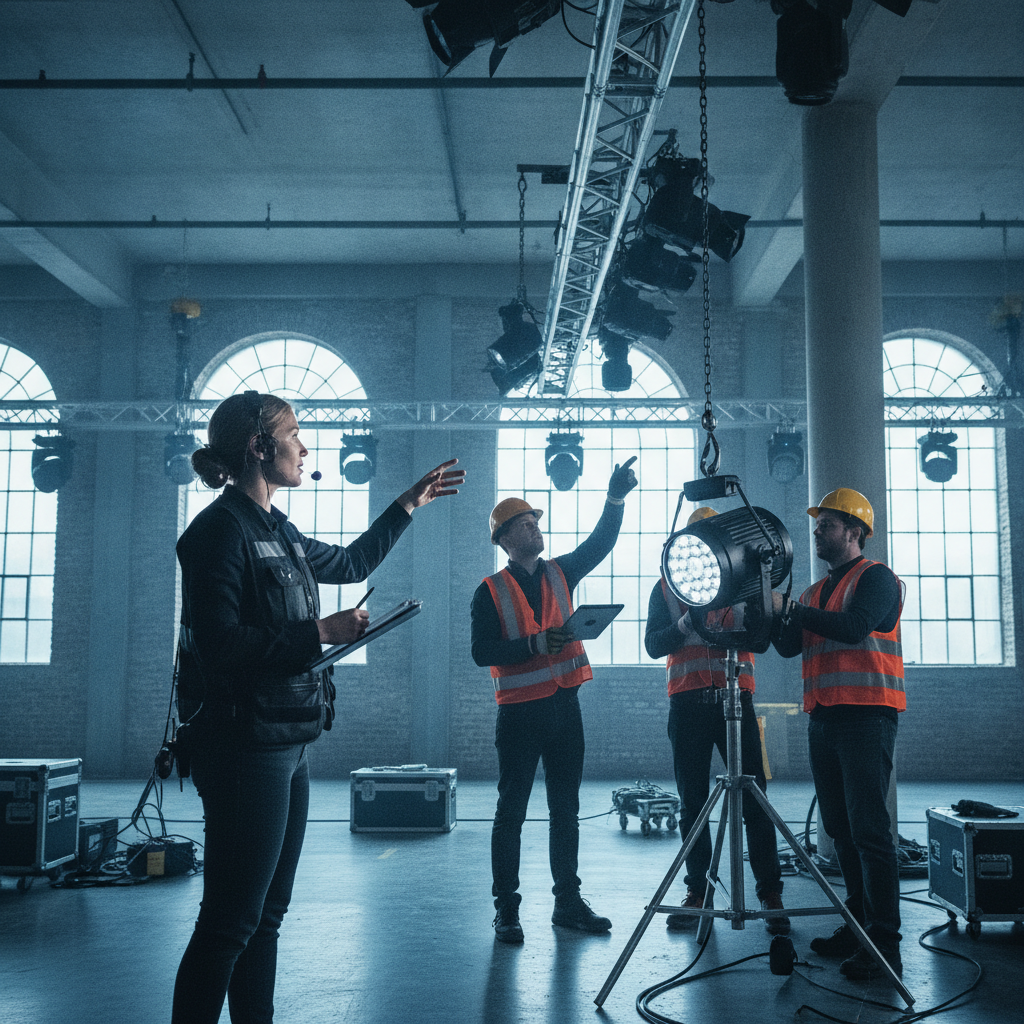
- Production logistics: load-in schedules, staging, audiovisual checks, and safety reviews.
- On-site direction: cue calling, timeline control, and real-time problem solving.
Patel Events is fluent in South Asian traditions—nikkah, sangeet, and grand Gujarati weddings—alongside corporate galas and product launches. That blend matters when your guest list and program have many moving parts.
Local considerations for HA3 0PB
- Plan guest transit around nearby stops like Northwick Park station or Kenton station; share timed arrival windows on invitations.
- Peak wedding season runs late spring through early fall; secure rentals and florals 4–6 months earlier to avoid shortages.
- Noise and load-in rules vary by venue; confirm buffer time for setup/strike to protect run-of-show timing.
Why Party Planning Matters
Effective planning prevents timeline slips, vendor gaps, and guest friction. A seasoned planner integrates creative design with risk management, so your budget, experience, and brand (or family vision) stay aligned—especially across multicultural rituals and complex vendor teams.
Here’s the thing: most event stress isn’t about ideas—it’s about execution. When 10–15 vendors must align across a 12-hour day, you need one accountable lead. We’ve managed 500+ productions; the difference shows in punctual ceremonies, smooth room flips, and confident hosts.
- Time savings: offload 100+ planning hours to a specialist.
- Quality control: design standards and vetted vendor performance.
- Risk reduction: backup plans for weather, transport, and AV.
- Guest experience: thoughtful flow from arrival to farewell.
For multicultural weddings, cultural fluency is non‑negotiable. Ritual timing, priest/imam coordination, and family protocols require experience—our team brings decades of that nuance.
How the Planning Process Works
A professional planning process moves from discovery and vision to vendor sourcing, design development, production schedules, and on‑site execution. Clear milestones, approvals, and contingency plans keep decisions timely and the event on track.
Step-by-step workflow
- Discovery (Week 1): goals, guest count, rituals, brand or family vision, must‑haves.
- Concept & scope (Weeks 1–2): mood boards, high-level program, priority vendors.
- Vendor alignment (Weeks 2–6): venue holds, catering tastings, DJ and cinematography, rentals.
- Design development (Weeks 4–8): florals, lighting plots, tablescapes, floor plans.
- Run-of-show (Weeks 6–10): detailed timeline, cue sheets, staffing, transportation matrix.
- Final checks (Week 10+): confirmations, site walk-through, risk and accessibility review.
- Show day: load-in, cue calling, room flips, guest flow, strike, and debrief.
For destination weddings (Udaipur, Goa), we add customs documentation, freight plans, and timezone-synced vendor calls. Our 50+ vendor network accelerates holds and backups when dates are tight.
| Phase | Primary Output | Owner | Typical Duration |
|---|---|---|---|
| Discovery | Goals, guest map | Client + Planner | 1 week |
| Design & Scope | Mood board, floor plan | Planner | 1–2 weeks |
| Vendor Sourcing | Holds & proposals | Planner | 2–4 weeks |
| Run‑of‑Show | Timeline, cues | Planner | 2–3 weeks |
| Pre‑Event | Confirmations, risk plan | Planner | 1 week |
We’ve found that clarity on two documents—the floor plan and run-of-show—solves 80% of on‑site confusion before it starts.
Types of Party Planning Services
Service models range from full-service planning and design to partial planning, day-of coordination, and design-only styling. Corporate production and destination planning add staging, AV, travel, and cross-border logistics to the scope.
Full-service planning
- End-to-end support: concept, vendor procurement, design, production, and on‑site execution.
- Best for complex weddings (multi‑ritual nikkah + sangeet + reception) and brand launches.
- Example: A 450‑guest Gujarati reception with live entertainment and a dramatic room flip.
Partial planning
- We join midstream to refine design, complete vendor roster, and finalize run-of-show.
- Ideal when you’ve booked venue/catering but need professional production control.
- Example: Corporate awards night with venue secured; we add staging, lighting, and timing.
Day-of (month-of) coordination
- We build a master timeline, confirm vendors, and direct the event day.
- Suited to intimate celebrations and milestone dinners with fewer moving parts.
- Example: 120‑guest anniversary with curated playlist and speeches timed to service.
Design‑only styling
- Creative direction, florals, tablescapes, and visual storytelling without full logistics.
- Perfect for hosts who enjoy planning but want editorial‑level styling.
- Example: Moody candlelit tablescapes with custom linens and cluster centerpieces.
Corporate production
- Staging, audiovisual, content cues, and presenter coaching integrated with brand guidelines.
- Great for product launches, conferences, and quarterly town halls.
- Example: 600‑attendee launch with LED wall reveal and timed lighting scenes.
Destination wedding planning
- Venue scouting, travel plans, legal requirements, and freight for décor and equipment.
- We’ve executed ceremonies in Udaipur and Goa with cross‑border vendor teams.
- Example: Cliffside vows at sunset, followed by a palatial reception with live sangeet.
Across formats, our 98% satisfaction rate reflects consistent delivery under real‑world constraints—tight load‑ins, route changes, and live show pivots.
Best Practices for London Events
Prioritize guest flow, confirm vendor backups, and secure earlier logistics holds during peak months. Use a single master timeline, label all deliveries, and rehearse transitions. In London, transit, noise windows, and venue access rules shape the production plan.
Design and guest experience
- Map the guest journey: entrance, seating, dance floor, and bar sightlines.
- Unify palette and textures: linens, candles, florals, and lighting color temperature.
- Plan micro‑moments: a welcome drink station, escort card reveal, late‑night bites.
Logistics and risk
- Create a labeled load‑in manifest for every truck; note elevator and doorway widths.
- Hold at least one alternate vendor in key categories (transport, AV, entertainment).
- Schedule a 10–15 minute buffer before every program shift.
Multicultural ceremony flow
- Time rituals accurately; allow pre‑ceremony briefings with officiants and family.
- Design quiet prep zones for wardrobe changes and prayer requirements.
- Stage photo‑ready details: mandap décor, nikah signing table, and sangeet performance area.
In our experience, small buffers create big peace of mind. Five extra minutes in a run-of-show can save the dance floor later.
Tools and Resources Hosts Can Use
Templates and simple tools help non‑planners track decisions. Use a master timeline, vendor tracker, floor plan, and run‑of‑show sheet. For décor, a visual checklist keeps rentals and styling consistent from rehearsal to show day.
- Master timeline (sheet): map every cue from load‑in to last call.
- Vendor tracker (sheet): contacts, deliverables, arrival windows, and insurance.
- Floor plan (PDF): seating blocks, dance floor, staging, and pathways.
- Design spec (PDF): palette, centerpiece recipe, linen SKUs, and signage notes.
- Rehearsal checklist: processional order, mic tests, and timing for speeches.
For venue inspiration and production thinking, browse concise examples such as this event venue blog overview. For brand‑forward corporate ideas, review a corporate events page to spark staging concepts. Décor suppliers also publish tips; a concise example is this rental and decor blog.
We bring our own proprietary checklists to each engagement, shaped by 500+ event post‑mortems and supplier debriefs.
Case Studies and Examples
Real productions show how design and logistics converge. These snapshots highlight Patel Events outcomes across weddings, sangeets, corporate launches, and private milestones—each with clear goals, tight timelines, and measurable results.
Gujarati wedding reception, Greater London
- Scope: 450 guests, live band, dramatic ballroom flip after dinner.
- Approach: dual‑zone staging, mirrored runner tablescapes, warm candlelight.
- Outcome: 17‑minute room flip with a pre‑staged crew; dance floor opened on cue.
Sangeet night, Kent
- Scope: Performance‑driven evening with family choreography.
- Approach: rehearsal slots, spotlights mapped to sequences, backstage call times.
- Outcome: Continuous flow; no dead air between sets; guest engagement stayed high.
Corporate product launch, London
- Scope: 600 attendees, reveal content synced to lighting and music.
- Approach: LED wall, stage management, presenter coaching, comms headsets.
- Outcome: Timed reveal within a 90‑second window; press coverage captured.
Intimate nikkah ceremony, Leicester
- Scope: 120 guests, ceremony‑first focus with elegant luncheon.
- Approach: serene palette, soft florals, natural light seating plan.
- Outcome: Uninterrupted ceremony and on‑time service; grateful hosts.
Patterns repeat across formats: tight run-of-show, vendor accountability, and strong crew communications produce consistent results. That’s how you protect a non‑movable date.
How to Choose Party Planners in London
Assess cultural fit, portfolio depth, and production rigor. Vet their vendor network, timeline samples, and on‑site communications. Ask how they manage backups, crew calls, and real‑time changes. The right planner translates vision into documents crews can follow under pressure.
Decision checklist
- Review three comparable case studies (wedding, corporate, private) with timelines.
- Ask for a sample run‑of‑show and floor plan from a similar guest count.
- Confirm backup vendors in AV, transport, and entertainment categories.
- Discuss cultural fluency if rituals (nikkah, sangeet, garba) are in scope.
- Gauge communications: who calls cues, who handles family requests, who resolves issues.
Comparison at a glance
| Option | Strengths | Risks | Best For |
|---|---|---|---|
| Full‑service planner | One accountable lead; design + logistics; vendor ecosystem | Requires early engagement to secure holds | Complex weddings, launches, destination events |
| Day‑of coordinator | Budget‑friendly oversight of event day | Limited vendor leverage; less design integration | Intimate celebrations, milestone dinners |
| Venue coordinator | Facility access expertise; house guidelines | Venue‑first scope; external vendor gaps | Simple programs with in‑house services |
We recommend interviewing two to three candidates. Ask each to walk you through a minute‑by‑minute of show day for a comparable event. The most complete answer usually reveals the best fit.
Request a consultation
Planning a wedding, sangeet, corporate function, or private celebration? Let’s translate your vision into a practical production plan. Share your date, guest count, and must‑haves—we’ll propose a clear path from concept to cue calling.
FAQ: Party Planners London
These concise answers cover how party planners in London work, what to expect, and how to prepare. Use them to align family or stakeholders before your first planning call.
What does a full‑service planner actually handle?
Concept, vendor roster, design, production schedules, and on‑site direction. We coordinate load‑in, cue calling, room flips, and strike while keeping your guest experience front and center.
How far in advance should I book a planner in London?
For peak seasons, secure planning 6–12 months ahead to lock key vendors. For smaller celebrations, 8–12 weeks is workable if you’re flexible on some elements.
Can you handle South Asian rituals like nikkah and sangeet?
Yes. Our team is fluent in South Asian traditions, including nikkah, sangeet, and Gujarati ceremonies. We align officiants, families, and vendors to preserve meaning and keep the day on schedule.
What makes Patel Events different from other London planners?
Experience and systems. We bring 27+ years, 500+ productions, a 98% client satisfaction record, and a network of 50+ vetted vendors—plus detailed documents crews can follow under pressure.
Conclusion and Next Steps
Great events balance design with disciplined logistics. Choose a planner who can prove both—through timelines, floor plans, and case studies. With the right partner, you’ll protect your date and deliver an experience guests feel long after lights out.
Key takeaways
- Party planners in London align design, vendors, and logistics into one run‑of‑show.
- Ask for comparable timelines and floor plans to assess production rigor.
- Use simple tools—timeline, tracker, floor plan—to keep decisions moving.
- For multicultural or destination events, experience is your risk reducer.
Action steps
- Define must‑haves and guest count.
- Shortlist two to three planners with relevant case studies.
- Request a sample timeline and floor plan.
- Book a discovery session in HA3 0PB to align scope and dates.