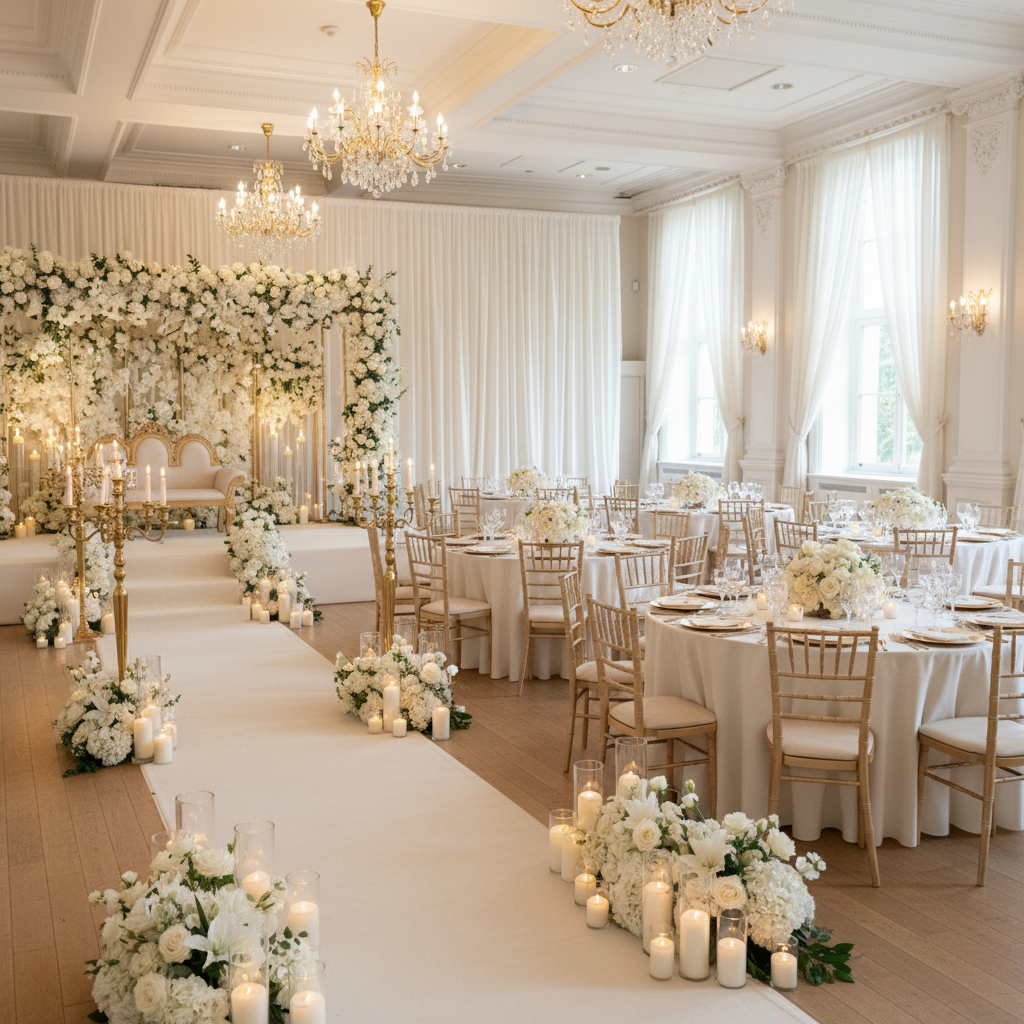
Nikkah vs wedding reception planning refers to organizing two distinct moments: the Islamic marriage contract (nikkah) and the celebratory party (reception). In HA3 0PB near Abercorn Garden, Patel Events manages both—sacred formality for the nikkah, then guest-focused flow for the reception—so couples get cultural fidelity and effortless logistics in one coherent plan.
By Shani Patel — Patel Events
Last updated: 2026-05-26
Nikkah vs wedding reception planning: overview
Plan the nikkah around faith requirements, witnesses, and a modest, dignified setting; plan the reception around hospitality, entertainment, and pacing. Treat them as two linked workstreams with one master timeline and shared vendor briefs to reduce transitions, confusion, and delays.
Here’s the simple distinction that anchors every decision. The nikkah is a legal-religious contract witnessed and officiated with clear steps and respectful ambiance. The reception is a hospitality production that blends dining, speeches, and dancing into a cohesive guest journey. When couples try to plan them as one undifferentiated event, timing collides, vendors receive mixed instructions, and the emotional tenor wobbles between reverence and revelry.
We separate strategy (what matters and why) from execution (who does what, when). For nikkah planning, strategy is spiritual fidelity and procedural clarity. For reception planning, strategy is energy arcs, service pacing, and crisp AV cues. Execution then flows through one consolidated run of show with buffers, shared contact lists, and a show-caller who protects the critical path.
In our experience across Greater London, couples who follow this approach start on time more often, finish with fuller dance floors, and feel calmer. That’s not a coincidence; it’s the compounding effect of aligned owners, clean briefs, and realistic buffers built into a master plan. This guide translates that approach into concrete steps you can use immediately.
Local considerations for HA3 0PB
- Build travel buffers if your venues are split; weekend traffic near Preston Road Station can spike. Add 15–20 minutes for coach transfers.
- Winter sunsets in Greater London arrive early; plan portraits before dusk or secure indoor lighting that flatters your nikkah stage.
- Some halls enforce amplified-sound curfews; confirm DJ cutoffs and prayer-room access at intake, especially around Northwick Park station.
Quick comparison table
Use this table to define “done well” for each event. The nikkah optimizes sanctity, sequence, and compliance; the reception optimizes guest experience, pacing, and entertainment. Clarify owners, timings, and vendor roles early to prevent schedule drift.
A side-by-side view helps stakeholders grasp the different success metrics. It also prevents scope creep—like layering long readings into a tight nikkah slot or cramming extra speeches late in the reception when energy dips. Share this with family and vendors to align expectations.
| Aspect | Nikkah | Wedding Reception |
|---|---|---|
| Primary goal | Religious/legal ceremony and consent | Celebrate with guests; dining, speeches, dance |
| Program length | 20–60 minutes, concise sequence | 3–6 hours, multi-segment program |
| Stakeholders | Officiant, witnesses, immediate family | MC, DJ/band, catering, photo/video, coordinators |
| Ambiance | Modest, reverent, clear acoustics | Festive, dynamic lighting and sound |
| Seating | Focused seating facing nikkah table or stage | Round banqueting tables; dance floor central |
| Décor priorities | Stage, nikkah table, florals, signage for flow | Centerpieces, entrance, stage, lighting, photo ops |
| Photo/Video | Key moments, vows, signatures, family formals | Entrances, toasts, first dance, open dance |
| Sound | Clear mic for officiant; recitations if desired | DJ/band, playlists, live cues for speeches |
| Food & Beverage | Tea/refreshments or light bites post-ceremony | Full service: canapés, dinner, dessert, late-night |
| Run of show | Witness check → khutbah/recitations → ijab & qabul → signatures → du’a | Reception entry → dinner → toasts → dances → cake → open dance |
Print this and annotate owners next to each row. When someone asks, “Who introduces the toasts?” point to the MC in the reception column. Clarity like this cuts back-and-forth and unlocks smoother handoffs between vendors and family.
Our top pick: One-venue, two-stage day
The most reliable play is a single venue with two staged environments: a serene nikkah setup followed by a swift flip to a reception layout. You gain a single sound check, unified logistics, faster photography, and reduced transit risk while honoring the ceremony’s sacred integrity.
Why this works: it compresses complexity. Your vendors load in once. Your show-caller runs one command center. Your family doesn’t get scattered across traffic or multiple addresses. Meanwhile, we design the room to transform—drapes, lighting presets, and modular décor shift the vibe from reverent to celebratory in under 90 minutes.
In practice, we schedule the nikkah midday. Family formals happen immediately afterward while everyone is present and dress is pristine. A separate foyer hosts light refreshments, keeping guests comfortable during the room flip. Then we reopen the doors to a fresh reception reveal, entrances begin, and dinner service flows on time.
- Use drape tracks and lighting presets to change ambiance quickly without full rebuilds.
- Place the dance floor early to avoid moving heavy items during the flip.
- Publish a flip diagram with minute-by-minute assignments for the décor and AV teams.

Top 12 planning decisions that differ
These 12 areas drive most friction when couples combine a nikkah and a reception. Decide them early, document owners, and align vendors on one shared brief to avoid rework and last-minute scrambles.
Nikkah vs wedding reception planning becomes easier when you define boundaries. Each decision below includes why it matters, a Patel Events field insight, and an action you can take this week. Use these as your agenda for family and vendor meetings.
#1 Officiant, witnesses, and documentation
- Confirm the officiant’s requirements, language, and documents well in advance.
- Nominate witnesses; seat them close to the signing table with clear sightlines.
- Pre-print forms and test pens; assign a coordinator to manage signatures.
Why it matters: ceremony timing hinges on people and paperwork. When the officiant or witnesses aren’t ready, the entire day slips. We assign a documents lead and a photo lead to protect the moment’s dignity and pace. Action: create a micro-checklist for arrival, ID verification, and signature order, and rehearse it with the immediate family.
#2 Stage design and guest sightlines
- Nikkah stage: low seating, modest florals, clear lectern mic, non-distracting backdrop.
- Reception stage: elevated with lighting, safe steps, and backdrop space for speeches.
- Sightlines matter; avoid tall pieces that block cameras during vows and toasts.
Why it matters: if guests can’t see or cameras can’t frame cleanly, the memory suffers. We prototype both stages in CAD to validate angles before build day. Action: request a pre-visualization from your décor team and review from back rows and low angles to catch issues early.
#3 Sound and acoustics
- Nikkah: prioritize intelligibility; lav on officiant, handheld mic for du’a.
- Reception: split channels for MC, speeches, and music; test playlists at room volume.
- Distribute cue sheets so AV, MC, and coordination stay in lockstep.
Why it matters: poor sound is the fastest way to lose attention. We run a three-point check—officiant mic, MC line, and first-dance cue—so both events sound flawless. Action: schedule a full-volume test during setup and walk the perimeter to find dead zones.
#4 Photography and cinematography
- Capture vows, consent, and signatures with a quiet-shutter approach.
- Book golden-hour portraits between ceremony and reception, especially in winter.
- Reception coverage: entrances, toasts, first dance, cake, and open dance.
Why it matters: you can’t redo sacred moments. Our cinematography crew coordinates with the planner for a shot list that respects the ceremony’s sanctity and the party’s energy. Action: finalize a must-have list one week prior and assign a family liaison to gather elders quickly.
#5 Attire, privacy, and modesty
- Nikkah attire may be more traditional or modest; plan private entrances if desired.
- Reception looks can be bolder; secure changing rooms and a steamer on-site.
- Communicate photography boundaries to crew and family early.
Why it matters: comfort drives confidence. We brief vendors on boundaries and build private holding spaces so transitions feel graceful, not rushed. Action: add a “modesty and privacy” section to the vendor brief and designate a same-gender attendant if helpful.
#6 Menu pacing and service style
- Light post-nikkah refreshments help guests reset and mingle.
- Reception service should align with program beats: canapés, main, dessert, late-night.
- Coordinate dietary requirements early; label stations discreetly.
Why it matters: food pacing sets the audience’s energy. Staggered service reduces bottlenecks and keeps speeches audible. Action: build a catering cue sheet that syncs with the MC’s script so plates never clash with toasts.
#7 Seating plan and accessibility
- Nikkah: cluster immediate family close to the stage; ensure accessible rows.
- Reception: seat speech-givers near aisles; keep elders away from speakers.
- Mark prayer spaces and lactation areas discreetly on the floor plan.
Why it matters: small distances become big barriers for elders and parents with infants. Clear signage and foyer maps cut friction dramatically. Action: print a one-page floor map with icons and post it at the entrance and near restrooms.
#8 Entertainment arcs and program flow
- Keep the nikkah program focused; limit extra readings to fit the slot.
- Design a three-act reception arc: welcome, dinner with toasts, high-energy dance.
- Block rehearsals for entrances and first dance to eliminate hesitations.
Why it matters: momentum is the secret to unforgettable receptions. A three-act structure maintains attention and prevents late-evening drag. Action: timebox toasts (for example, two to three minutes each) and rehearse mic handoffs with the MC.
#9 Transportation and buffers
- One-venue plans minimize risk; multi-venue plans need 15–30 minute buffers.
- Arrange VIP parking and vendor load-in slots before guests arrive.
- Share a navigation pin; test the address link on multiple maps apps.
Why it matters: transfers are friction multipliers. We’ve seen minor delays compound quickly. Action: appoint a transport captain with authority to adjust departure times and to coordinate with the show-caller in real time.
#10 Vendor team structure
- Assign a ceremony lead and a reception lead under one senior producer.
- Share one consolidated brief; eliminate duplicate chat threads.
- Run a 24-hour pre-event huddle to lock final cues and contingencies.
Why it matters: decisions slow down when responsibilities blur. Patel Events leverages a 50+ vendor network and a single command channel so choices stay centralized and timely. Action: publish an org chart with names, roles, and radios/channel numbers.
#11 Décor reuse and flip strategy
- Design florals that move easily from ceremony to reception zones.
- Use modular backdrops and drape tracks for fast mood shifts.
- Reserve a crew for a timed flip; publish the flip plan to all vendors.
Why it matters: portability reduces complexity without sacrificing elegance. Reusing 30–50% of assets keeps budgets focused on high-impact elements. Action: tag items in the décor plan by “ceremony-only,” “shared,” and “reception-only.”
#12 Risk management and contingencies
- Create A/B/C plans for weather, AV, and transportation disruptions.
- Set escalation rules: who decides what under time pressure.
- Document prayer/recitation backups and printed vows.
Why it matters: contingency thinking converts stress into calm execution. We treat risk as its own workstream with triggers and responses. Action: schedule a 15-minute “what if” meeting one week out to finalize playbooks.
Step-by-step planning checklist
Lock the officiant and venue first, then build a single master run of show with shared vendor briefs. Sequence decisions weekly, timebox approvals, and rehearse the critical path to keep both events punctual and calm.
Use this sequence to convert ideas into an executable schedule. Nikkah vs wedding reception planning runs smoother when you front-load scarcity items, then layer in design and guest experience. Keep approvals on a weekly cadence so details don’t pile up.
- Define scope: nikkah only, reception only, or both events same day.
- Secure officiant availability and required documents.
- Book venue(s); confirm sound policy, prayer space, and flip windows.
- Assemble core vendors: planner, cinematography, photography, DJ/band, caterer, décor.
- Draft one master timeline with buffers for travel or room flip.
- Design ceremony stage; prototype reception lighting and dance floor in CAD.
- Confirm menus and service pacing aligned to speeches.
- Publish seating chart, signage plan, and accessibility notes.
- Run cue-to-cue rehearsal for entrances, vows, first dance.
- Final huddle 24 hours prior: issue show-caller deck and contacts list.
Couples who follow a weekly rhythm (decisions, confirmations, rehearsals) report lower stress and stronger family alignment. We facilitate that cadence end-to-end, including a post-event debrief so your highlight film and album notes are captured while memories are fresh.
Budget priorities (without numbers)
Fund the moments guests remember: clear sound, flattering light, and a seamless program. Reuse décor where possible; invest in experience drivers and cultural fidelity over low-impact embellishments or redundant rentals.
Budgets are values in disguise. When you point resources at experience drivers, you amplify what matters: being heard, being seen beautifully, and moving through the night without friction. That’s true whether you’re hosting 80 or 800 guests. Here’s a simple prioritization lens that keeps quality high.
- Prioritize: sound, lighting, stage safety, and stage sightlines for the nikkah and reception.
- Consolidate: one venue, shared rigging, modular décor, and dual-use florals and signage.
- Sequence: book scarcity-driven vendors early (officiant, venue, photo/video) to avoid compromises.
- Protect: flip buffers and transport windows; rushing increases risk and reduces joy.
Map each line to an outcome. If you can’t name the guest or family moment it improves, rethink it. This is how you avoid regret purchases and channel resources where they deliver lasting value.
Tools and resources couples actually use
Templates and checklists turn vague plans into executable timelines. Use a reception timeline model, a venue-readiness checklist, and a cultural-ritual brief to keep everyone synchronized without endless group chats.
For reception pacing models, see the structured outlines in this reception timeline guide. For venue prep prompts, adapt a South Asian venue checklist to your hall. And for cultural nuance examples, skim this Pakistani wedding planning overview for reminder cues you can tailor to your family.
- Patel Events master timeline template issued to all vendors on your project.
- Shot-list worksheet from our cinematography team to protect sacred moments.
- Flip-playbook diagram for one-venue, two-stage transformations.
- Family role map so everyone knows when they’re “on” and where to be.
We’ve found that couples who adopt three core tools (timeline, shot list, flip plan) hit their cues within a few minutes of target on the day—consistently. That repeatability is what allows you to relax and be present.
Case studies: Greater London insights
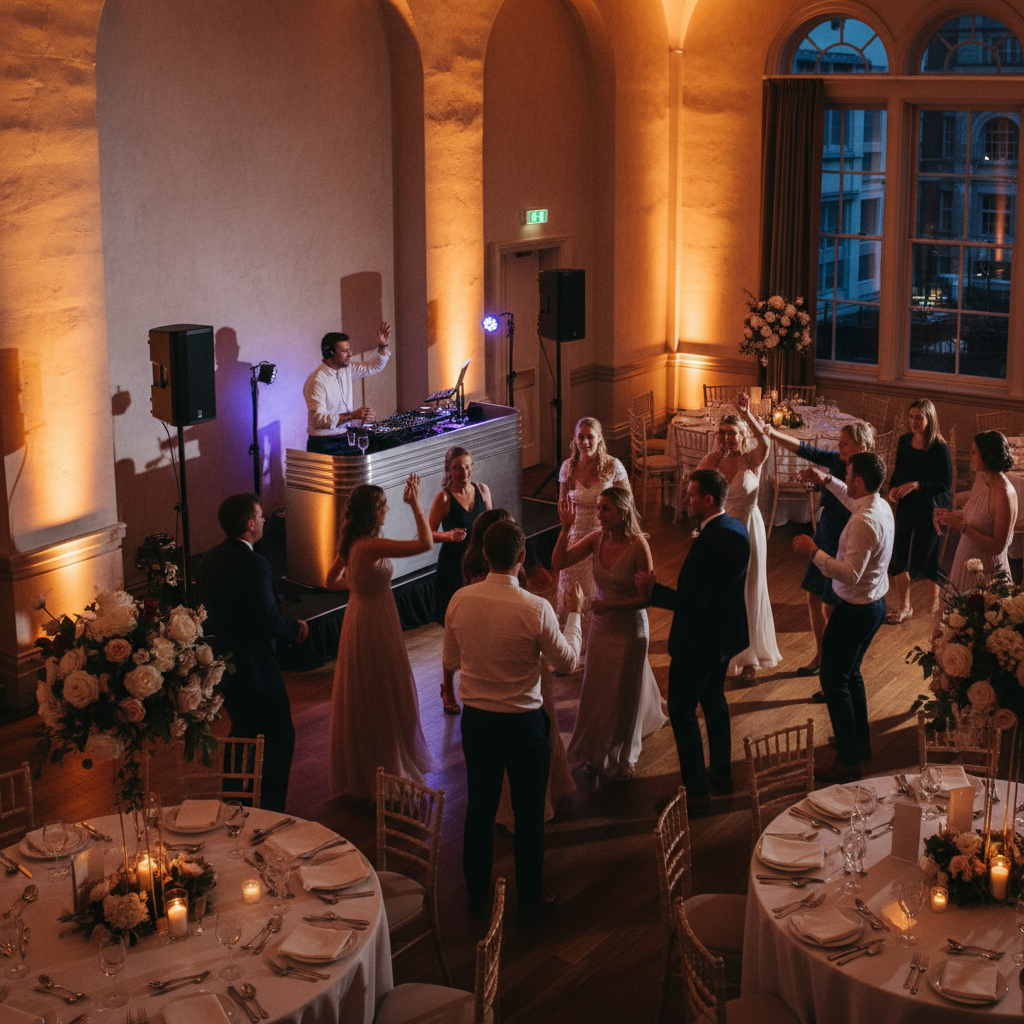
In HA3 0PB and across Greater London, the winning pattern is clear: one-venue, two-stage plans with disciplined buffers keep ceremonies reverent and receptions electric. These mini case insights show how small choices protect timelines and guest joy.
Case 1: Same-venue nikkah + reception, HA3 0PB
- Two-stage setup with a 75-minute flip; drape change and lighting presets.
- Photos immediately post-nikkah kept the evening program punctual.
- Outcome: on-time speeches and a packed dance floor within 10 minutes of opening.
We leveraged our 50+ vendor network for synchronized cues—every department received the flip diagram two days prior. That single artifact eliminated mid-event guesswork and kept transitions tight.
Case 2: Split venues, Harrow to central London
- Coach transfers with a 25-minute buffer; MC warmed the room pre-arrival.
- Prayer space designated at both sites with discreet signage.
- Outcome: no guest drift, smooth re-entry to the evening arc, full coverage captured.
We pre-recorded names for the reception entrance so introductions remained crisp even after transit. Small pre-production details like this stabilize energy when variables increase.
Case 3: Intimate midday nikkah, evening palatial reception
- Modest ceremony design; dramatic reception lighting and tall centerpieces.
- Seating map protected elders from high-SPL zones; speeches stayed audible.
- Outcome: sacred vows preserved, celebratory energy achieved without fatigue.
We adjusted the cake-cut by ten minutes to sync with band breaks and photography. Micro-tweaks, made by a show-caller who sees the whole chessboard, preserve pacing without anyone noticing.
How to choose your approach
Pick between one-venue and split-venue plans by testing guest count, season, transit complexity, and family preferences. If in doubt, default to one-venue, two-stage—then add buffers and a documented flip plan.
You might be tempted to choose based on aesthetics alone, but logistics set the tone. Fewer moves mean fewer risks. For families with elders or many out-of-town guests, proximity and predictability often matter more than a dream photo outside a second location. Here’s a quick filter to decide calmly.
- If elders prefer shorter days, consider separate dates for nikkah and reception.
- If guests are traveling far, minimize venue changes and publish a tight schedule.
- If photos matter most, time golden-hour portraits and keep speeches concise.
- If you need elaborate staging, allow a longer flip or book a larger room to pre-set zones.
We run a 45-minute discovery to map constraints and recommend an approach grounded in your realities—not hypotheticals. The decision is easier when trade-offs are explicit.
Buying guide (what to book, when)
Book scarcity-first: officiant, venue, and photo/video. Then lock entertainment and catering. Décor scales best once the space is known, so finalize after site visits and floor plans confirm logistics.
Sequence matters because vendor markets aren’t equal. Officiants and great photographers book out quickly. Entertainment that fits your style isn’t infinite either. Décor, rentals, and florals are flexible but need the room’s specifics. This is the booking rhythm we recommend.
- Months 12–18: officiant, venue(s), planner, photographer, cinematography.
- Months 9–12: DJ/band, caterer, décor designer, rentals, lighting.
- Months 6–9: invitations, seating system, signage plan, transport.
- Months 1–3: final tastings, cue sheets, rehearsal, vendor huddle.
Locking the top-of-funnel vendors early gives you leverage on timelines and design. Then creative choices can flourish without schedule pressure squeezing quality.
Frequently asked questions
These clear answers cover what couples ask most about pairing a nikkah with a reception. Use them to make quicker, calmer decisions and keep planning momentum high.
Should the nikkah and reception be on the same day?
If logistics and elders allow, a same-day, one-venue plan reduces travel risk and keeps energy high. Separate days work well when you want a quieter ceremony or when travel and vendor availability are complex.
What order works best for photos and speeches?
Do family formals right after the nikkah while everyone is present. At the reception, schedule entrances, dinner, then speeches before dessert. This keeps guests attentive and the dance floor opening on time.
How do we balance modesty during the ceremony with a lively party later?
Design two moods: a serene stage and sound profile for the nikkah, then a lighting and music shift for the reception. Clear boundaries in the shot list and vendor brief keep both vibes authentic and comfortable.
What’s the single most overlooked timeline element?
The room flip or travel buffer. Build 60–90 minutes for a same-venue flip or 15–30 minutes for transfers. Publish that block to all vendors and protect it like a ceremony segment.
Where does this fit in our broader event planning?
Think of it as one chapter in your event series. The same rigor we use for our annual gala planning guide—clear owners, buffers, and cue sheets—applies here. Consistency across events reduces stress and lifts guest experience.
Methodology
Our recommendations reflect 27+ years, 500+ events, and a 98% client satisfaction record across Greater London and destination venues. Patterns that perform repeatedly become standard operating procedures shared with every vendor team.
We synthesize post-event debriefs, on-site timing logs, and guest-flow observations into actionable checklists. We also align with officiant requirements gathered during discovery. When external models are helpful for couples, we reference vetted guides and adapt them to local policies and venue realities.
Finally, we test plans during rehearsals and protect buffers during live shows. That guardrail approach is why our couples report calm days and on-time receptions—outcomes that are designed, not lucked into.
Key takeaways
Treat the nikkah and reception as distinct workstreams with one master run of show. Default to a one-venue, two-stage plan, protect buffers, and brief vendors with a single consolidated deck.
- Plan separately, then unify timelines under one show-caller.
- Invest in sound, lighting, and stage safety for clarity and beauty.
- Reuse décor intelligently between ceremony and party to reduce rebuilds.
- Guard buffers; they’re the backbone of punctuality and calm.
Conclusion and next step
Clarity beats complexity. Decide your approach, lock core vendors, and run one consolidated timeline. That’s how sacred vows stay serene and the reception stays electric—without stress.
Ready to translate your nikkah vs wedding reception planning into a single, elegant plan? Let’s design it together. Book a discovery session with Patel Events in HA3 0PB and we’ll turn your vision into a timeline, tools, and a team that delivers—faithful to tradition and unforgettable for your guests.