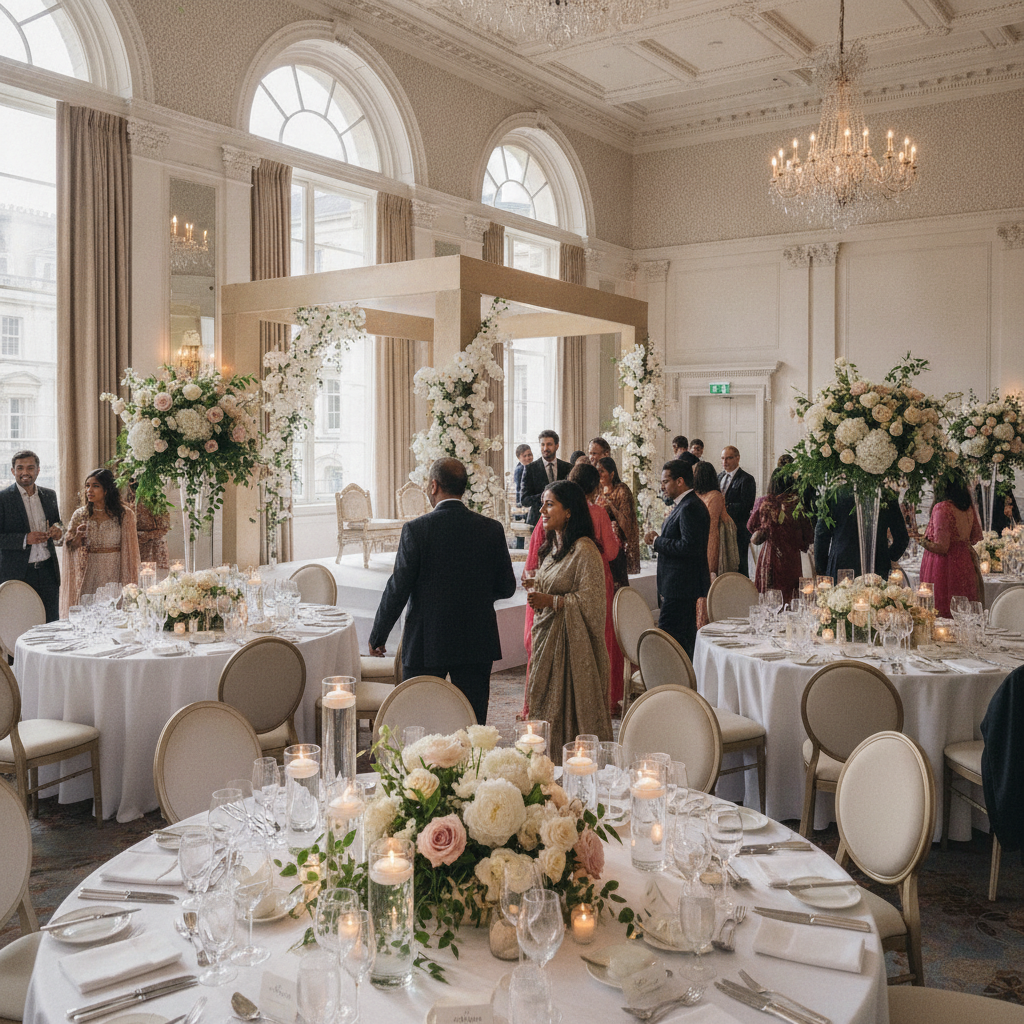
A wedding party planner in London is a specialist who coordinates wedding party roles, timelines, décor, and on-the-day logistics to keep your celebration running smoothly. For couples in Harrow and across London, a professional planner reduces stress, protects your vision, and prevents last-minute issues so you can enjoy every moment.
By Shani Patel — Patel Events
Last updated: 2026-06-24
Above-Fold: Plan Your London Wedding Party
Plan a drama-free wedding party by clarifying roles early, locking logistics 6–9 months out, and assigning a professional lead on the day. Align timelines across hair, makeup, travel, and rituals, and prepare a minute-by-minute run sheet with vendor contacts so surprises don’t derail your London celebration.
Many couples ask where to begin, how to involve family, and what a wedding party planner actually handles. Here’s how we structure a smooth, culturally faithful celebration for London weddings—especially South Asian ceremonies with multiple rituals.
- What you’ll learn today
- • What a wedding party planner does (and doesn’t)
- • Why planning matters for London logistics and venues
- • Step-by-step process from vision to day-of execution
- • Popular approaches: full-service, partial, day-of
- • Best practices, tools, and real case examples from Harrow
At a Glance
- Lead early: Confirm your core party and key vendors 9–12 months out.
- Write it down: A single shared timeline prevents crossed wires.
- Assign a captain: Your planner is the point person for questions, not the couple.
- Rehearse logistics: Walkthroughs remove uncertainty before the big day.
What Is a Wedding Party Planner?
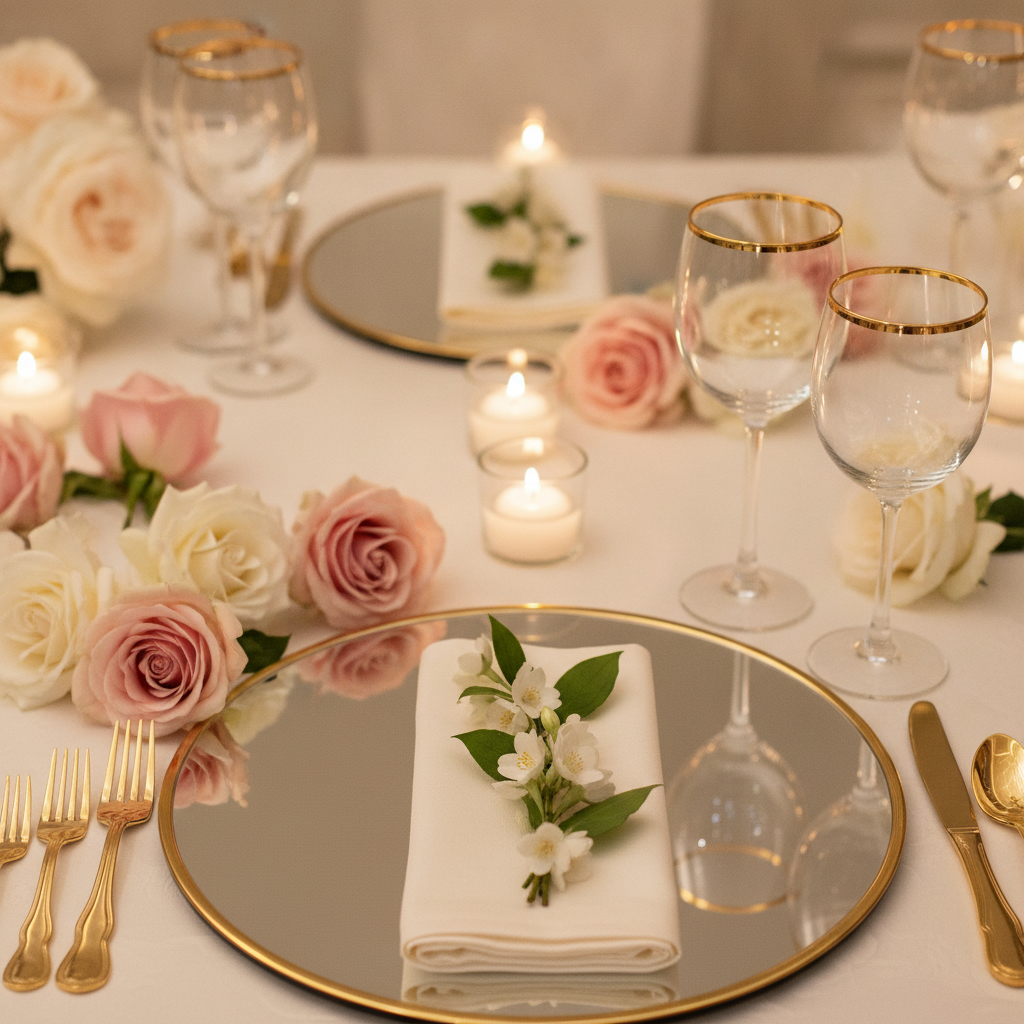
A wedding party planner is a producer for your celebration who organizes the wedding party’s roles, coordinates vendors, builds timelines, and manages the day so everything flows. Planners translate your vision into clear tasks and keep family, vendors, and schedules aligned from rehearsal to final farewell.
A planner’s role blends project management, stage direction, and design translation. For London couples (especially in Harrow), that often includes navigating multi-venue days, peak-traffic travel, religious rituals, and large guest counts.
- Core responsibilities
- Define wedding party roles and etiquette (bridesmaids, groomsmen, siblings, elders).
- Create one master timeline covering hair/makeup, travel, ceremonies, photos, and reception.
- Coordinate vendors and cue activities: entrances, performances, toasts, and key rituals.
- Oversee décor, floral styling, and room flips while protecting your agreed design.
- Act as the day-of lead so you and your families can be present.
- What planners don’t do
- Replace officiants or impose unfamiliar rituals; they facilitate your chosen customs.
- Make unilateral design choices without your approval; decisions stay aligned to your vision.
Patel Events brings 27+ years of experience, 500+ events, and a 98% client satisfaction record to this role—plus deep fluency in South Asian traditions like nikkah, Gujarati pheras, and sangeet nights. That blend of cultural knowledge and production rigor keeps even complex schedules calm and beautiful.
For a broader view of end-to-end coordination, see our wedding event management guide, which connects party planning to full production.
Why a Planner Matters in London
A planner reduces risk in a high‑complexity city. London traffic, split venues, and multi‑ritual timelines increase the chance of delays. A planner buffers those risks with contingency travel, vendor coordination, and real‑time problem solving so your design and rituals stay on time.
London weddings often involve multiple spaces—ceremony, cocktail hour, and reception—in different locations. Transit windows, parking, and guest movement need choreography. One missed bus, late lipstick change, or DJ handover can cascade into a 20–40 minute delay for 200 guests.
- Risk controls we implement
- Buffer travel by 15–20 minutes during peak and build Plan B routes.
- Pre-stage décor and emergency kits at each location (pins, tape, sewing, chargers).
- Assign a vendor captain to each milestone: baraat lineup, vows, grand entrance, first dance.
- Prepare wet‑weather alternates and indoor photo plans.
- Design protection
- Room flips follow a written sequence so centerpieces, linens, and lighting cues hold up under time pressure.
- Florals are conditioned and staged to survive long days and warm rooms.
In our experience orchestrating Harrow weddings, timelines that respect makeup runs, parental blessings, and travel between venues keep energy high and stress low. For foundational prep, pair this with our wedding planning in London starter.
How Wedding Party Planning Works
Effective planning follows five stages: discovery, design, build, rehearsal, and show day. Each stage produces tangible outputs—vision boards, vendor confirmations, a master run sheet, and a cue‑by‑cue plan—so your wedding party knows exactly what to do and when.
Here’s our step-by-step framework used across 500+ events, from intimate vows to grand Gujarati receptions.
1) Discovery and Vision
- Capture non‑negotiables: rituals, family expectations, music, photography style, and dietary needs.
- Define the wedding party: roles, attire plans, and any custom duties (e.g., readings, dholi cues).
- Draft the skeleton timeline (ceremony start, reception start, and photo windows).
2) Design and Logistics
- Translate mood boards into décor, floral palettes, and lighting scenes that fit the venue footprint.
- Map vendor load-ins/outs, travel routes, and staging areas for outfits and touch-ups.
- Create a detailed seating and procession plan; confirm accessibility and elder comfort.
3) Build and Confirm
- Lock all vendors and share the master contact sheet with backup numbers.
- Issue the draft run sheet; assign a responsible owner for every task.
- Set media cues with cinematography and photography so no moment is missed.
4) Rehearse
- Conduct on‑site walkthroughs; time entrances and exits to real music tracks.
- Stress‑test the schedule with a “what‑if” session (late coach, missing boutonnières, rain).
- Finalize the contingency plan and distribute a one‑page “party cheat sheet.”
5) Show Day
- Planner opens the day; vendor captain checks arrivals and backups.
- Run the cue stack: procession, vows or nikkah, photos, grand entrance, first dance, toasts, cake, send‑off.
- Protect design and guest flow; resolve issues away from the couple.
For ritual-rich events, see our Gujarati wedding planning timeline and the nikkah planning checklist we use with London families.
Types and Approaches
Choose among full‑service planning, partial planning, or day‑of coordination. Full‑service covers concept to cleanup; partial supports key phases; day‑of focuses on execution. The right fit depends on event complexity, cultural rituals, and how hands‑on your family wants to be.
Different couples need different levels of support. South Asian weddings, in particular, benefit from continuity across ceremonies, travel, and large guest hospitality.
Full‑Service Planning
- End‑to‑end design, vendor sourcing, logistics, timeline, and on‑site direction.
- Ideal for multi‑day events (sangeet, ceremony, reception) or destination weddings.
- Example: We produced a three‑day Gujarati celebration linking Mehndi, Sangeet, Pheras, and a palatial reception—one creative arc, one control room.
Partial Planning
- We co‑pilot design, vendor selection, or timelines while you lead other parts.
- Best for couples who’ve booked a venue and key vendors but want expert guardrails.
- Example: London couple secured their reception site; we refined the run sheet, styled tablescapes, and managed rehearsal through grand entrance.
Day‑Of (Month‑Of) Coordination
- We inherit your plan 4–6 weeks out, pressure‑test it, then run the show.
- Works well for simpler, single‑day weddings or highly organized DIY teams.
- Example: We took over a detailed “home‑written” plan, adjusted vendor call times, and kept a 150‑guest reception to time within 5 minutes.
Best Practices for a Drama‑Free Day
Build one source of truth, practice cue‑based rehearsals, and appoint a single decision-maker for the day. Share a pocket timeline with the wedding party, stage emergency kits, and keep photo groups small. These habits prevent delays and protect your design and energy.
Timeline and Roles
- Draft “macro to micro”: anchors first, then add hair, makeup, travel, and photo blocks.
- Share a two‑page condensed run sheet with the wedding party; print wallet cards.
- Nominate one family decision‑maker to resolve tie‑breakers fast.
Design and Décor
- Confirm linen and floral drop‑times with venue access windows; avoid peak unloads.
- Pre‑build centerpieces and test candle burn times to last the reception.
- Protect your palette: pack spare napkins, menu cards, and ribbons for resets.
Guest Experience
- Over‑communicate dress code, parking, and timing on your site or invites.
- Use wayfinding and greeters for multi‑level spaces; seat elders near exits.
- Keep speeches under 3–4 minutes each to maintain momentum.
Want a fuller framework you can adapt? Our UK wedding planner guide expands these habits across venues and seasons.
Tools and Resources We Recommend
Use shared calendars, vendor contact sheets, and a master run sheet hosted in the cloud. Add layout diagrams, shot lists, and a packing manifest. On the day, a printed show binder plus a mobile copy ensures your captain can lead even if Wi‑Fi drops.
Working Documents
- Master run sheet: minute‑by‑minute with owners, locations, and backups.
- Vendor matrix: contacts, arrival/load‑in, power/water needs, special notes.
- Layout pack: floor plans with table numbers, reserved rows, staging zones.
- Creative deck: reference images for florals, lighting, and tablescapes.
Field Kits
- Fasteners, safety pins, fashion tape, sewing kit, stain remover, and spare boutonnières.
- Phone chargers, power strips, gaffer tape, and labeled cable ties.
- Wellness: water, snacks, blister plasters, pain relief, and tissues.
For beauty-prep ideas your party will appreciate, browse this visual bridal prep checklist for inspiration; we’ll align timing within your run sheet.
Case Studies and Examples (Harrow and London)
Complex, multi‑ritual weddings succeed when design and logistics are led as one production. Our Harrow case studies show how a single control room, cue‑based rehearsals, and culturally fluent captains keep timelines on pace and the couple blissfully present.
Gujarati Wedding with Sangeet Night
- Challenge: Three venues over two days; 300+ guests; live performances.
- Approach: One end‑to‑end timeline, vendor captains per milestone, and a rehearsal with live tracks.
- Result: Entrances, pheras, and dances to time within a 5‑minute window; florals survived a warm room due to conditioning and staging.
Intimate Nikkah and Family Dinner
- Challenge: Respect quiet, sacred moments while accommodating elder comfort and prayer time.
- Approach: Minimalist décor, gentle cueing, and a photo plan that avoided prayer windows.
- Result: A serene, unhurried nikkah followed by heartfelt toasts and a smooth transition to dinner service.
Destination‑Style Reception in London
- Challenge: Recreate a “palatial” ambiance locally without travel.
- Approach: Layered lighting, tall centerpieces, and custom tablescapes with floral styling.
- Result: Guests remarked on the cinematic reveal; timeline held due to a strict room‑flip sequence.
Local considerations for Harrow, London
- Build travel buffers if your schedule involves Preston Road Station or arterial routes near Wembley; traffic can spike on event days.
- Winter sunsets arrive early; plan portraits before dusk and pre‑light indoor photo zones for consistency.
- Stagger coach pickups and designate a marshal near Northwick Park station to keep guest movement smooth between venues.
Process and Comparison: DIY vs. Coordinator vs. Full Planner
DIY requires significant time and a trusted friend to lead on the day. A day‑of coordinator executes your plan. A full planner designs, builds, and runs the show—best for complex, multi‑ritual weddings that need cultural fluency and vendor leadership.
| Approach | Best For | Strengths | Risks | Outputs You Get |
|---|---|---|---|---|
| DIY (Friend Leads) | Simpler, single‑venue days | High control; personal touch | Stress on friend; limited backups | Basic timeline and vendor list |
| Day‑Of Coordinator | Organized plans needing execution | Professional run; vendor direction | Less help pre‑event; plan quality varies | Run sheet polish; cueing; issue response |
| Full Planner | Multi‑day, multi‑ritual weddings | End‑to‑end design + logistics | Requires early engagement | Concept, vendor matrix, layouts, master run sheet |
How We Coordinate South Asian Rituals
Ritual‑fluency matters. We time pheras, nikkah, and sangeet cues to real tracks, align photo blocks with prayer windows, and brief family champions. That precision preserves meaning and mood while keeping your reception on schedule.
- Nikkah: Respect prayer times; arrange microphones discreetly; stage a private signing area.
- Gujarati pheras: Align fire safety, aisle spacing, and seating for elders; brief pundit cues.
- Sangeet: Script entrances; coordinate live dhol with DJ; rehearse transitions.
- Hospitality: Hydration stations, late‑night bites, and clear wayfinding for large guest flows.
We’ve found that a single “control room” managing music cues, MC scripts, vendor radio channels, and cinematography call‑outs reduces missed moments dramatically. That’s why we offer integrated planning + cinematography when needed—your story reads coherently on film and in person.
Hiring a Wedding Party Planner in London
Hire early, validate cultural fluency, and ask for sample run sheets. Look for a planner who can show vendor matrices, layout diagrams, and cue stacks. Strong candidates have local venue experience and a trusted vendor network that can mobilize on short notice.
- What to ask
- Show us a real run sheet and vendor matrix (redacted).
- Talk us through a problem you solved in‑show.
- How do you protect florals, timelines, and guest flow when the room flips?
- Signals of quality
- Documented processes from discovery through show day.
- References that speak to calm leadership and timeline accuracy.
- Local venue know‑how and a reliable vendor ecosystem.
We coordinate with 50+ trusted vendors and have delivered 500+ events with a 98% satisfaction rate. If you want a wedding party planner London couples recommend, we’re ready to help you lead with clarity and style.
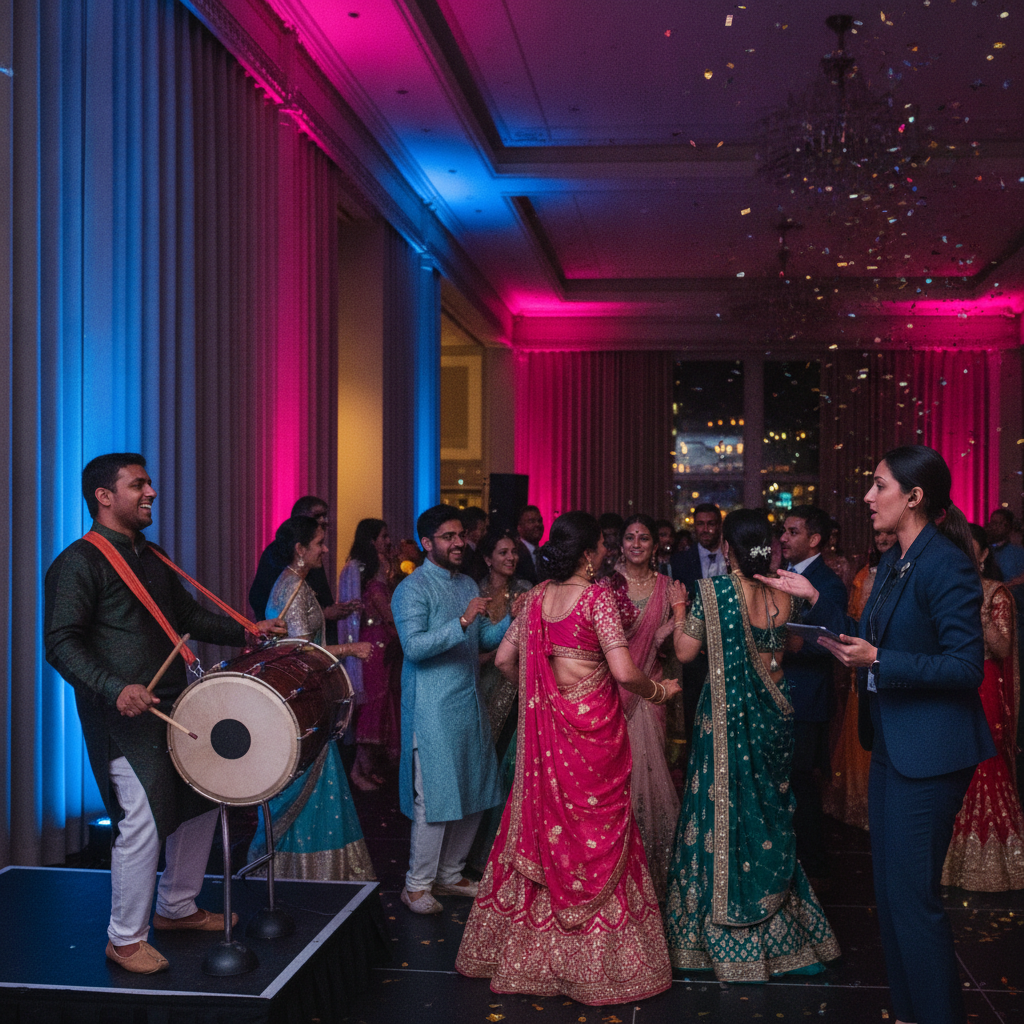
Request a friendly consultation with Patel Events. We’ll map your first draft timeline and share a sample run sheet so you can see how it all comes together.
Frequently Asked Questions
Couples ask how early to book, what the wedding party should do, and how we keep timelines tight. Our answers focus on clarity: define roles early, centralize communication, and let a professional lead on the day while you enjoy the celebration.
When should we book a wedding party planner in London?
For most London weddings, book 9–12 months in advance, earlier if you have multiple ceremonies or popular dates. That window locks key vendors and gives time to design, rehearse, and pressure‑test the run sheet.
What does the wedding party actually do?
They support the couple and timeline: attend rehearsals, be photo‑ready on time, help with wayfinding, and deliver small tasks (e.g., speech cues, gift table). We give your party a two‑page brief and wallet card so everyone knows their role.
How do you manage multi‑ritual weddings without delays?
We sequence cues to real tracks, add travel buffers, and assign vendor captains for milestones. A single control room (radios, music, MC script, cinematography) keeps ceremonies flowing while preserving meaning and guest experience.
Do you only plan South Asian weddings?
No. While we specialize in nikkah, Gujarati, and sangeet traditions, we also produce classic civil ceremonies, multicultural celebrations, and destination‑style receptions across London and the UK.
Key Takeaways and Next Steps
Define roles, centralize timelines, and appoint a professional captain. Choose the planning approach that matches your complexity and culture. Start early, rehearse cues, and protect guest flow—your path to a joyful, on‑time celebration in London.
- Key takeaways
- One source of truth avoids crossed wires.
- Rehearsed cues protect ceremony meaning and momentum.
- A culturally fluent planner keeps complex timelines calm.
- What to do now
- Sketch your anchors (ceremony start, reception start, photo blocks).
- Decide on full‑service, partial, or day‑of support.
- Book a consultation to see sample run sheets and vendor matrices.
For deeper dives, browse our internal guides on London wedding planning and common planner mistakes to avoid.