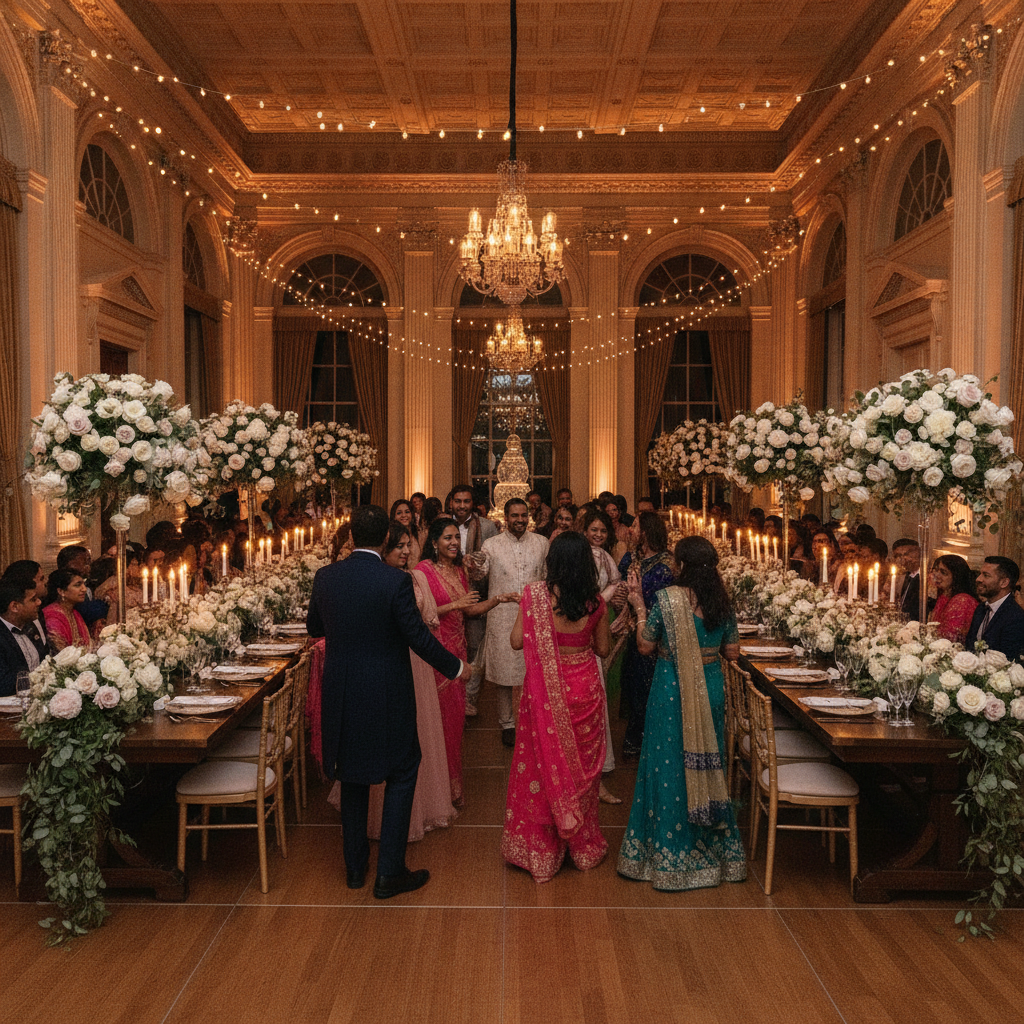
Last updated: October 2026
By Shani Patel • Last updated: 2026-10-27
What this London wedding agency guide covers
Searching for a wedding agency in London usually means you need more than a supplier directory. You may be comparing full planning with coordination, looking for support with South Asian ceremonies, or trying to understand how a planner manages venues, guests, entertainment, décor, transport, and family expectations at the same time.
This guide explains what a London wedding planning company can do, how the process works, which service model may suit your celebration, and what to ask before booking. It also includes practical considerations for couples planning from Harrow and nearby parts of London.
- What a wedding agency handles beyond the venue’s own services
- How discovery, design, sourcing, scheduling, rehearsals, and production fit together
- When full-service, partial, or month-of coordination makes sense
- How cultural and destination planning can be added to a London wedding
- Questions to ask about suppliers, timelines, contingencies, and communication
- Examples of South Asian and destination celebrations managed by Patel Events
Patel Events at a glance
- Experience: 27+ years and more than 500 celebrations executed.
- Specialisms: South Asian weddings, nikkah ceremonies, sangeets, Gujarati weddings, destination events, grand receptions, and private celebrations.
- Network: A network of more than 50 trusted vendors across décor, entertainment, catering, photography, transport, and related services.
- Base and reach: Rooted in Harrow and serving London, the UK, and selected overseas destinations including Udaipur and Goa.
What does a London wedding agency do?
A London wedding agency is a professional planning and production partner. It can shape the creative direction, source and brief suppliers, build the schedule, coordinate ceremonies and receptions, and manage the event while it is taking place.
The difference between an agency and a single wedding supplier is breadth. A florist may create the flowers, while a venue may provide the room and catering. An agency connects those parts so the décor works with the floor plan, the entertainment fits the schedule, the photographer knows the key moments, and guests can move comfortably between them.
Creative direction and design
Planning begins with a shared interpretation of your priorities. Your planner may turn references, family traditions, colour preferences, and venue restrictions into mood boards, tablescape concepts, lighting plans, floral direction, and spatial layouts.
Good design is not only visual. It also considers how guests enter, where elders can sit comfortably, how a procession moves through the space, and how a room changes from ceremony to dinner or dancing.
Supplier and venue coordination
An agency can create a shortlist of relevant suppliers, request proposals, clarify deliverables, and coordinate call times. Patel Events draws on a network of more than 50 trusted vendors, which can help couples compare suitable options rather than manage every enquiry independently.
The agency remains the connecting point between the venue, décor team, caterer, DJ or musicians, photographer, transport providers, and family representatives. This reduces duplicated conversations and makes responsibility clearer when plans change.
Production and risk management
Wedding production is the operational side of the celebration. It includes a master schedule, vendor briefs, floor plans, ceremony cues, speech order, rehearsal notes, and contingency planning for weather, access, transport, or supplier delays.
For a multi-ceremony wedding, these details matter because one late setup can affect portraits, entrances, meal service, entertainment, and guest transport. A planner’s job is to identify those dependencies before the day and coordinate a practical response if something moves.
For broader terminology and planning context, see this wedding planner UK guide.
Why use a wedding planning company in London?
A London wedding planning company can reduce decision fatigue, protect your schedule, and give one team responsibility for coordinating the complete guest experience. This is particularly valuable when your celebration includes several rituals, more than one venue, a large guest list, or suppliers who have not worked together before.
London adds logistical complexity
Travel between venues, supplier loading windows, venue access restrictions, parking, public transport, and changing traffic conditions all affect timing. A planner can build realistic buffers and communicate arrival instructions instead of leaving each supplier to make assumptions.
London weddings may also involve venues with strict sound, setup, breakdown, or catering rules. These conditions need to be understood during planning, not discovered when a supplier arrives on the wedding morning.
Cultural fluency supports the whole family
South Asian weddings often involve several events, ceremonial roles, music cues, family preferences, and transitions that need careful sequencing. Support with nikkah, sangeet, Gujarati pheras, mandap staging, elder-led blessings, or live dhol can help the programme feel respectful as well as energetic.
Cultural expertise is not a substitute for listening. The planner should confirm which traditions are essential to your families, who needs to approve decisions, and how much time each ritual requires. That information then becomes part of the working schedule.
One point of coordination protects your time
Without an agency, couples often become the informal project managers. They answer supplier questions, chase confirmations, explain the running order to relatives, and solve problems while trying to enjoy their own celebration.
A planner cannot remove every decision, but can organise decisions into stages and take responsibility for agreed actions. The result is a clearer process for you and a more consistent brief for everyone involved.
For a more detailed look at local planning considerations, read the London wedding planning guide.
How does the wedding agency process work?
A well-structured agency process usually moves through six stages: discovery, concept design, supplier sourcing, scheduling, rehearsal, and on-the-day production. The exact order can vary, but each stage should produce a clear decision or working document.
- Discovery and alignment: Discuss your date, venue, guest count, budget parameters, cultures, rituals, priorities, and practical constraints.
- Concept design: Develop the visual direction, spatial plan, floral and décor approach, and a realistic production outline.
- Supplier sourcing: Identify suitable caterers, decorators, entertainers, photographers, transport providers, and other specialists; then manage briefs and proposals.
- Scheduling: Build a master timeline covering setup, guest arrivals, ceremonies, portraits, meals, speeches, entertainment, transitions, and breakdown.
- Rehearsals and checks: Confirm entrances, ceremony roles, sound, lighting, music cues, speeches, and responsibilities with the relevant people.
- On-the-day production: Manage call times, supplier arrivals, cue sheets, guest flow, transitions, and live problem-solving while you celebrate.
| Stage | Main output | Why it helps |
|---|---|---|
| Discovery | Priorities and constraints | Everyone works from the same brief |
| Design | Mood boards and layouts | You can approve the creative direction early |
| Sourcing | Supplier options and briefs | Fewer disconnected enquiries |
| Scheduling | Master timeline and run sheet | Responsibilities and dependencies are visible |
| Rehearsal | Validated cues and roles | Participants know where and when to move |
| Production | Live coordination | The couple and family can stay present |
Destination celebrations require additional travel, venue, and local-supplier planning. The destination versus local planner comparison explains how those responsibilities differ.
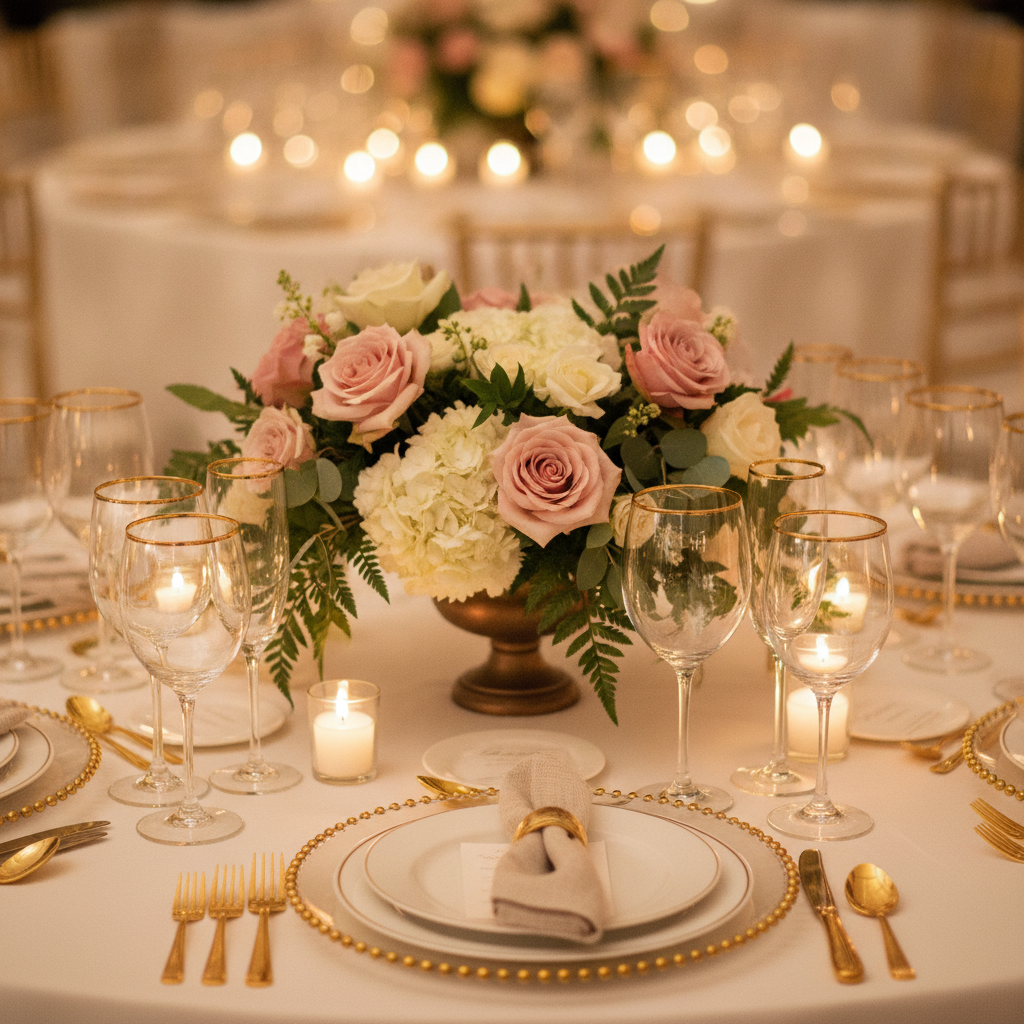
Which wedding planning model is right for you?
The best service is not automatically the most comprehensive one. Choose the lightest level of support that still protects your schedule, rituals, supplier relationships, design, and guest experience.
Full-service planning
Full-service planning is suitable for busy couples, large celebrations, complex design builds, or multi-day and multi-ritual weddings. The agency supports the journey from early concept through supplier management, rehearsals, event production, and breakdown.
Partial planning
Partial planning works when you have already booked a venue or several suppliers but want professional help with gaps. This may include refining the design, finding remaining suppliers, creating floor plans, confirming timings, or preparing the wedding party for the day.
Month-of or day-of coordination
Month-of coordination is designed for couples who have completed most planning themselves. The agency steps in during the final phase to review the arrangements, confirm suppliers, consolidate the timeline, lead rehearsals, and run the celebration.
Cultural wedding coordination
Cultural expertise can be added to any planning model. It may cover nikkah staging, sangeet performances, Gujarati pheras, mandap design, live dhol, family liaison, music cues, and the timing of blessings or ceremonial entrances.
Destination production
Destination planning adds venue scouting, local liaison, travel information, supplier alignment, weather contingencies, and transport coordination. Patel Events supports destination celebrations including events in Udaipur and Goa, alongside London and UK celebrations.
Couples comparing Indian wedding support can also review this guide to Indian wedding coordinators before deciding what level of involvement they need.
How should you choose a London wedding agency?
Start with relevance rather than reputation alone. An agency should understand the scale, style, cultural elements, venue type, and operational demands of your celebration. A beautiful portfolio is useful, but it should be supported by a process you can understand.
Questions to ask before booking
- Have you planned celebrations with our rituals and guest profile? Ask for relevant examples, not only attractive images.
- What is included in the service? Clarify design, sourcing, venue liaison, rehearsals, setup, production, breakdown, and communication.
- Who will lead on the day? Confirm the named lead, expected team size, and how responsibilities are shared.
- How do you manage changes? Ask how supplier delays, weather, access problems, and programme changes are recorded and communicated.
- What documents will we see? Useful examples include a master timeline, floor plan, supplier brief, ceremony schedule, and run sheet.
- How do you work with family decision-makers? This matters when parents, elders, or multiple households are involved in approvals.
Signs of a well-organised agency
A strong agency listens before recommending suppliers, explains trade-offs, documents decisions, and distinguishes confirmed details from open questions. It should be able to describe how the creative plan becomes a practical setup and how the team will communicate during the event.
Look for calm, specific answers rather than promises that everything will be perfect. The useful question is not whether problems can occur, but whether the team has a clear way to anticipate and manage them.

What tools keep a wedding on track?
Planning documents turn a large celebration into a sequence of decisions and responsibilities. They also make it easier to brief suppliers who may only be involved for one part of the day.
Core planning documents
- Master timeline: The complete schedule, including owners, dependencies, buffers, and contact details.
- Floor plan: The arrangement of ceremony spaces, dining tables, dance areas, bars, staging, guest routes, and supplier areas.
- Vendor brief: Arrival time, access instructions, deliverables, contact person, setup requirements, and departure expectations.
- Run sheet: A concise operational version of the day used by the production team for entrances, speeches, entertainment, and transitions.
- Rehearsal checklist: A practical record of ceremony roles, sound checks, music cues, entrances, and family responsibilities.
These tools are most effective when they remain current. A change to the ceremony time may affect transport, photography, catering, entertainment, and venue access, so the agency should update the relevant documents rather than rely on separate messages.
How can an agency support different wedding formats?
Patel Events’ stated experience covers intimate nikkah gatherings, vibrant sangeet nights, grand Gujarati weddings, elegant receptions, and destination events. The examples below show the type of coordination involved in different formats.
Harrow nikkah and reception
A daytime nikkah followed by an evening reception requires careful control of the transition. The planning approach may involve parallel supplier call times, separate setup responsibilities, staged portrait blocks, and a clear handover between ceremony and reception teams.
The aim is to protect elder-led blessings and family photographs without allowing the later reception schedule to become compressed.
Gujarati sangeet and pheras
A Gujarati wedding weekend can include many performers, live dhol, a mandap, family participation, and a large guest list. Performance cueing, a ceremony rehearsal, DJ coordination, and a clearly timed meal service help maintain energy without losing control of the programme.
The planner must understand both the performance schedule and the ceremonial priorities so that entertainment supports, rather than competes with, the wedding rituals.
Three-day Goa celebration
A destination programme may combine a welcome dinner, beachside vows, and a ballroom reception. In addition to design and production, the agency must coordinate local partners, travel movements, weather contingencies, venue windows, and communication across several days.
The same principle applies whether the event is in Goa, Udaipur, or London: each supplier needs a clear brief, and each transition needs an owner.
What should Harrow couples plan for?
A Harrow-based event planner can bring useful local awareness to venue access, guest movement, and supplier timing. The details still need to be confirmed with the chosen venue, because rules vary from one site to another.
Transport and arrival buffers
If guests or suppliers are travelling near Kenton station or Northwick Park station, allow realistic time for arrivals, pick-ups, coach loading, and movement between locations. Weekend conditions and individual venue access instructions should be built into the schedule rather than treated as an afterthought.
Seasonal daylight
Winter celebrations may need earlier portraits to make use of natural light. In summer, the planner may recommend timing outdoor photographs or ceremonies to reduce harsh midday light and make guest comfort easier.
Venue access and sound restrictions
Confirm loading access, setup windows, sound curfews, breakdown requirements, and storage arrangements before suppliers are booked. These constraints can influence the floor plan, equipment choices, entertainment schedule, and the number of setup staff required.
Planning models at a glance
Use this comparison to identify where you want professional support. Your chosen model can also be adapted if the wedding becomes larger, adds another ceremony, or requires destination coordination.
| Model | You manage | Agency manages | Best suited to |
|---|---|---|---|
| Full service | Approvals and personal preferences | Design, suppliers, schedules, rehearsals, production, and breakdown | Busy couples or complex celebrations |
| Partial planning | Booked suppliers and selected decisions | Gaps, design refinement, timelines, floor plans, and rehearsals | Couples who want guidance without handing over everything |
| Month-of coordination | Most planning and supplier bookings | Final confirmations, run sheet, cues, and on-the-day control | Organised couples who want execution support |
| Cultural support | Family preferences and ritual decisions | Sequencing, staging, music cues, and liaison | South Asian and multi-generational celebrations |
| Destination production | Travel preferences | Local partners, venue logistics, permits, contingencies, and transport | Udaipur, Goa, and other overseas events |
Frequently asked questions
What does a London wedding agency handle that a venue does not?
A venue usually manages its space and any in-house services, while an agency coordinates the wider event ecosystem. That may include décor, entertainment, photography, transport, ceremony timing, external suppliers, family liaison, and the overall run of the day.
How early should we contact a wedding agency in London?
Start as soon as you know your approximate date, venue direction, and guest scale, especially if you want preferred suppliers or are planning several ceremonies. Couples seeking month-of coordination can usually engage later, but still need enough time for the agency to review arrangements, confirm suppliers, and build the final schedule.
Can a planner combine South Asian rituals with a Western reception?
Yes. A planner can sequence elements such as a nikkah, sangeet, Gujarati pheras, speeches, dinner, and dancing into one coherent programme. The process should begin by confirming the family’s priorities, ceremonial roles, music requirements, and the time each part needs.
What is the difference between full-service planning and month-of coordination?
Full-service planning supports the event from concept and supplier selection through production and breakdown. Month-of coordination assumes most decisions and bookings are complete, then focuses on final confirmations, the run sheet, rehearsals, supplier management, and on-the-day execution.
Plan a calmer London wedding
A wedding agency in London can give you a single planning structure for design, suppliers, rituals, logistics, and guest experience. The most suitable agency is one that understands your celebration, explains its process clearly, and can show how ideas become schedules, briefs, layouts, and live coordination.
For couples planning in Harrow or elsewhere in London, Patel Events combines wedding planning and event management with experience across South Asian celebrations, destination events, and elegant receptions. Begin with your date window, guest count, essential rituals, venue ideas, and the decisions you want help making.
Discuss your wedding plans with Patel Events
If you want structured support from the first conversation through the final guest departure, contact Patel Events to discuss your London, Harrow, UK, or destination celebration.