
Destination wedding planning from London is the end-to-end coordination of travel, venues, legalities, vendors, and design for a wedding hosted abroad while you plan from London. It unifies timelines, documents, and on-the-ground execution so your celebration feels effortless overseas. For London couples, this approach cuts risk, saves time, and protects the guest experience.
By Shani Patel • Last updated: June 30, 2026
Above the Fold: Hook + TOC
Planning a destination wedding from London works best with a 12–18 month roadmap, early legal checks, and verified local vendors. A London-based destination planner aligns dates, documents, design, and logistics—so your pheras, nikkah, or sangeet land perfectly in a palace, beach, or vineyard without constant travel.
You want extraordinary scenery without losing cultural heart—or guest comfort. Patel Events is a London/Harrow-based team with 27+ years of experience, 500+ events delivered, and a 98% client satisfaction rate. Below is the exact planner-led process we use for seamless destination weddings.
- Quick Summary: what to prioritize and when
- What is destination wedding planning from London?
- Why it matters for London couples and families
- How it works (step-by-step with timelines)
- Approaches and venue types worth considering
- Best practices from 500+ events
- Tools/resources we actually use with clients
- Mini case studies (Udaipur, Goa, Europe)
- FAQ, key takeaways, and next steps
Quick Summary
Book venue and core vendors 12–15 months out, confirm legal paperwork in month one, and design around climate and access. Use a London-based planner with proven on-site partners to align travel, rituals, and guest logistics. Share dates and room blocks early to maximize attendance.
- Lead time: 12–18 months for peak-season destinations; 9–12 months for shoulder/off-peak windows.
- Essentials: legal requirements, venue curfews, power/sound rules, guest mobility, and climate-driven ceremony timings.
- Vendor lineup: venue, catering, photo + cinematography, décor/florals, DJ/entertainment, transport, and hospitality desk.
- Planner advantage: one decision channel, one master timeline, and vetted destination vendors working as a unit.
What Is Destination Wedding Planning from London?
Destination wedding planning from London is a structured project that coordinates venues, legalities, travel, vendors, and cultural rituals to deliver a wedding outside the UK. Strong outcomes follow a timeline, use verified local partners, and communicate clearly with guests to reduce risk and elevate comfort.
In practice, you’re managing two worlds: your London planning base and your overseas venue. Patel Events bridges that gap by aligning legal steps, design, and logistics with trusted in-country vendors—so Gujarati pheras, a nikkah, or a high-energy sangeet translate beautifully on a beach, palace terrace, or vineyard lawn.
For couples who want deeper checklists and milestones, our planner notes build on this guide and sync with our destination wedding planning checklist and our destination wedding planner guide—both tailored for London timelines and travel patterns.
Local considerations for London
- Share efficient transit info for fittings, gifting, or rehearsal meetups near Harrow; many guests connect via Preston Road Station or Northwick Park station before airport transfers.
- Peak UK travel windows (late spring and summer) sell out fast; lock flights and room blocks early to protect guest schedules.
- For multi-ritual South Asian weddings, brief elders and priests in London early; align ceremony timings with the destination’s daylight and climate.
Why Destination Wedding Planning Matters for London Couples
Distance compounds risk. A London-based planner with destination fluency compresses decision time, verifies vendors, and safeguards rituals—turning a complex, multi-day celebration into a calm, guest-first experience with fewer surprises and stronger design consistency.
Here’s the reality—destination weddings combine travel, hospitality, and live event production. Without cohesion, a delayed flight can derail a welcome dinner, or midday heat can make pheras uncomfortable. With Patel Events, one team protects design intent and logistics: welcome hampers, baraat routes, power backup for DJs, and dietary stations that actually serve your guest mix.
In our experience, families feel the biggest relief when we centralize communications. A single RSVP portal, a master run of show, and milestone updates reduce WhatsApp overload—especially across time zones. That’s how we keep the 98% satisfaction rate backed by 500+ executed events.
How the Process Works: Step-by-Step
Follow a clear arc: discovery, shortlist, site validation, booking, paperwork, vendor lineup, design, guest logistics, run of show, and on-site execution. Tie decisions to a master timeline and keep communications consistent so guests always know where to be and when.
- Discovery (Weeks 1–2): Vision, rituals, guest count, accessibility needs, climate preferences, and imagery style. We also map photography/cinematography goals up front.
- Shortlist (Weeks 2–4): 3–5 destinations, 2–3 venues each. Evaluate airport access, buyouts, curfews, and cultural fit. Our London couples often compare Goa beaches, Udaipur palaces, and European vineyards.
- Validation (Weeks 4–8): Virtual tours, capacity checks, sample menus, and local rules (sound, fireworks, power). We confirm rain/wind contingencies before you sign.
- Booking (Months 2–3): Hold dates; secure flexible clauses for weather pivots and secondary spaces. Align spa slots and kids’ clubs early if needed.
- Legal (Month 1 onward): Confirm documents for civil vs. religious ceremonies. We align paperwork order and witnesses with the destination’s process.
- Vendors (Months 3–5): Photography and cinematography for Indian weddings, décor/florals, entertainment/DJ, transport, and hospitality desk. We prioritize vendors with reliable backups.
- Design (Months 4–7): Moodboards, palettes, tablescapes, mandap/arch, and lighting. We wind-test fabrics and weight centerpieces for outdoor stability.
- Guests (Months 5–8): Save-the-dates, RSVP portals, rooming lists, airport transfers, dietary notes. A one-page daily brief in welcome hampers keeps everyone synced.
- Run of Show (Months 7–10): Ceremony timings, rehearsal, power tests, cue-to-cue for sangeet performances, and processional orders.
- On-Site (Event week): Walkthroughs, vendor briefings, weather pivots, guest hospitality desk, and departure logistics. We keep radios on and contingencies ready.
Want a printable roadmap? We’ve summarized this arc inside our overseas wedding planning mistakes article so you can avoid the common pitfalls that cost time and energy.

Approaches and Venue Types to Consider
Match your rituals and guest comfort to venue types—beach, palace/heritage, vineyard, rooftop, or countryside resort. Evaluate heat, access, curfews, and sound policies. Build contingency spaces for wind or rain and confirm cultural accommodations before you sign contracts.
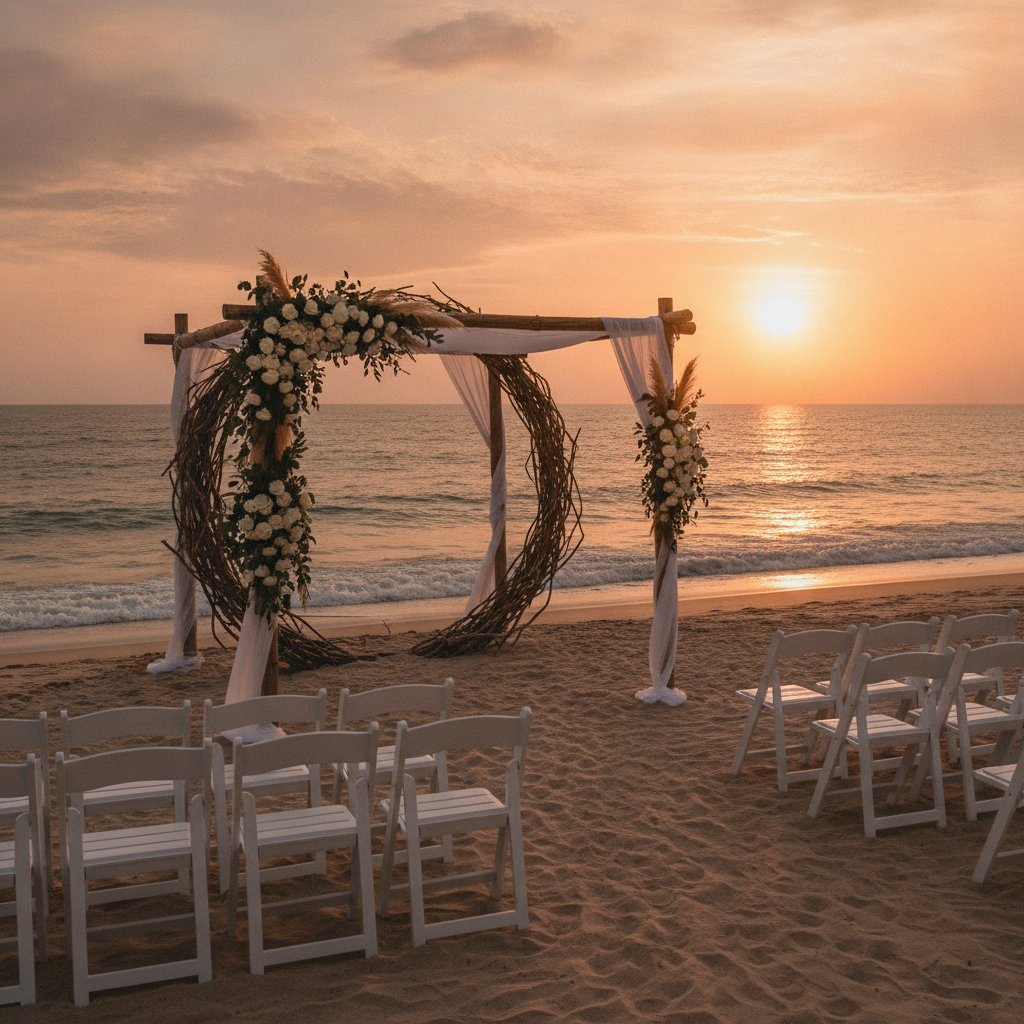
- Beach: Sunset nikkah or pheras work well with ocean breeze. Confirm wind loads for mandap florals, sand-friendly aisles, and lighting stability.
- Palace/Heritage: Grand processions and folk musicians feel at home. Review heritage rules on décor attachments, flame use, and fireworks.
- Vineyard/Countryside: Golden-hour portraits are stunning. Assess airport distance, shuttle cadence, and late-night sound curfews.
- City Rooftop: Skyline backdrops deliver drama. Rain tents, elevator capacities, and load-in plans matter for baraat and staging.
- Resort Buyout: Privacy and stylistic cohesion. Align spa and kids’ programming with the wedding flow; confirm quiet hours.
Venue research goes smoother when you use structured prompts. This third-party guide to selecting a resort can help you think in checklists even before you speak to a planner: how to choose the perfect resort. For South Asian–specific venue factors, this venue checklist offers a helpful lens on power, stages, and procession routes.
| Venue Type | Best Season | Curfew / Noise | Ritual Fit | Backup Space Tips |
|---|---|---|---|---|
| Beach | Dry months; sunset | Often strict near residences | Nikkah, pheras, welcome night | Indoor ballroom or tented lawn |
| Palace / Heritage | Cooler months | Rules-driven; confirm early | Gujarati pheras, baraat, folk | Arcades, courtyards, verandas |
| Vineyard | Spring–fall | Moderate; respect neighbors | Intimate nikkah, reception | Barrel room or covered terrace |
| City Rooftop | Late spring–early fall | Elevated controls; wind limits | Civil vows, cocktail hour | Adjacent penthouse/indoor level |
| Resort Buyout | Year-round (check monsoons) | Flexible; property-wide | All rituals + sangeet | Secondary lawn + ballroom |
If you’re weighing multiple destinations, we can map climate curves, curfews, and airport access on one page, then layer your rituals and guest mobility needs. That’s often where the clear winner appears.
Best Practices from 500+ Events
Lock ceremony times to climate, design wind-proof décor, and secure power redundancy. Share travel details early and rehearse sangeet cues. One master timeline and a single decision channel eliminate last-minute chaos and protect the guest experience.
- Climate-first timings: Morning or late afternoon ceremonies; reserve midday for rest and glam. We anchor pheras away from peak heat.
- Redundancy: Backup power, duplicate sound paths, and rain plans with pre-modeled layouts. We test generators during setup.
- Guest care: Hydration, shade, shuttle cadence, and clear wayfinding. Hospitality desks shorten wait times at check-in and shuttles.
- Culture-forward: Ritual briefings for local teams; seating and dietary customs respected at every meal service.
- Design durability: Weighted centerpieces, low-profile candles, and wind-tested fabrics for seafront or hilltop venues.
- Media-ready: Shot lists for photographers and cinematographers, plus golden-hour buffers for portraits.
For a deeper dive into foundations and sequencing, our London-focused wedding planning guide connects destination best practices back to at-home prep—so fittings, gifting, and paperwork stay on pace.
Tools and Resources We Actually Use
Use a shared planning dashboard, a digital RSVP portal, airline and passport guidance, and local ceremony rules. Verified resources reduce guesswork, and centralized tools keep families aligned across time zones, devices, and comfort levels.
- Planning hub: Cloud checklists, timelines, and lookbooks. Everyone sees the latest version—no inbox hunting.
- Guest portal: Dates, dress codes, airport transfers, and dietary forms in one place. Rooming and shuttle lists sync daily.
- Vendor brief packs: Ritual run sheets, stage plots, lighting notes, and power maps with contact trees.
- Local rules: Noise windows, fireworks permissions, and outdoor flame policies verified before signing contracts.
- Research aids: Independent venue thinking improves shortlists; this resort-selection primer is useful as you brainstorm: choose the perfect resort. For additional inspiration, browse a venue’s dedicated weddings page such as this example to spot layout options.
Midway through planning, we publish a private microsite with your program, maps, and contacts. It cuts traveler anxiety and reduces one-off messages during the final 30 days.
Mini Case Studies and Real Examples
Real results come from local fluency and disciplined timelines. Our London teams delivered Udaipur palatial receptions, Goa beachfront pheras, and European vineyard nikkahs by unifying vendors under one plan with clear guest communications and climate-first schedules.
- Udaipur, Heritage: Multi-ritual Gujarati wedding with palace courtyard pheras. We wind-rated the mandap, scheduled morning ceremonies for comfort, and staged folk music within heritage rules.
- Goa, Beachfront: Welcome night on lawns, sunset pheras on sand, and a sangeet indoors with power backup and sound isolation. Shuttle cadence kept 180+ guests on time.
- Europe, Vineyard: Intimate nikkah overlooking vines with shaded aisle, misting fans, and a golden-hour photography window. Barrel room held contingencies for wind or rain.
Across these examples, the constants are simple: early legal clarity, vendor verification, and a single decision channel. That’s how we protect your vision while keeping families relaxed and focused on joy.
Related Guides to Explore
If you’re comparing approaches or want templates, cross-reference destination steps with London-focused planning and common pitfalls. Linking these guides helps you build a confident plan without reinventing the wheel.
Explore the full journey with our destination checklist, refine your vendor approach with our planner guide, and stress-test your plan by reviewing overseas mistakes we’ve seen across real events. If you’re earlier in research, our London wedding planning article connects at-home prep to destination timelines.
Frequently Asked Questions
London couples mostly ask about timelines, legal steps, guest logistics, and blending South Asian rituals with destination layouts. Aim for 12–18 months of lead time, verify documents in month one, and align ceremonies to climate with a planner who has proven destination partners.
How far in advance should we start planning?
Plan 12–18 months ahead for popular seasons. This protects venue holds, room blocks, and flight options. Shoulder windows can work within 9–12 months, but you’ll want documents verified and a venue shortlist confirmed in the first four weeks.
Can we blend South Asian rituals with a beach or vineyard venue?
Absolutely. We routinely stage pheras, nikkah ceremonies, and vibrant sangeet nights in non-traditional settings. The key is early design and logistics alignment—wind-rated décor, shaded seating, and sound plans that respect local rules and guest comfort.
Do we need to visit the venue in person?
A pre-wedding visit is helpful but not essential. With robust virtual tours, live video walkthroughs, and local vendor references, many London couples book confidently. We verify details on-site during the event week and secure contingency spaces in advance.
How do we keep guests informed without overload?
Create a simple portal with dates, packing tips, transfers, and dress codes. Send a save-the-date early, then milestone updates. For multi-day celebrations, a one-page daily brief in the welcome hamper keeps everyone synced without constant messaging.
Conclusion and Next Steps
Start with legal clarity, secure venues and core vendors early, and design for climate and culture. A London-based, destination-fluent planner unifies everything so you can focus on family and joy while an expert team handles the moving parts.
- Define must-have rituals, accessibility, and guest needs.
- Shortlist 3–5 destinations and validate access, curfews, and backup spaces.
- Centralize communications for guests and vendors on one portal.
- Book a London discovery call to align timeline, venues, and travel windows.
Thinking about taking the next step? We’ll map your vision to a 12–18 month plan and introduce verified destination partners. Let’s start with a consultation in London and build your confident path from save-the-date to farewell brunch.