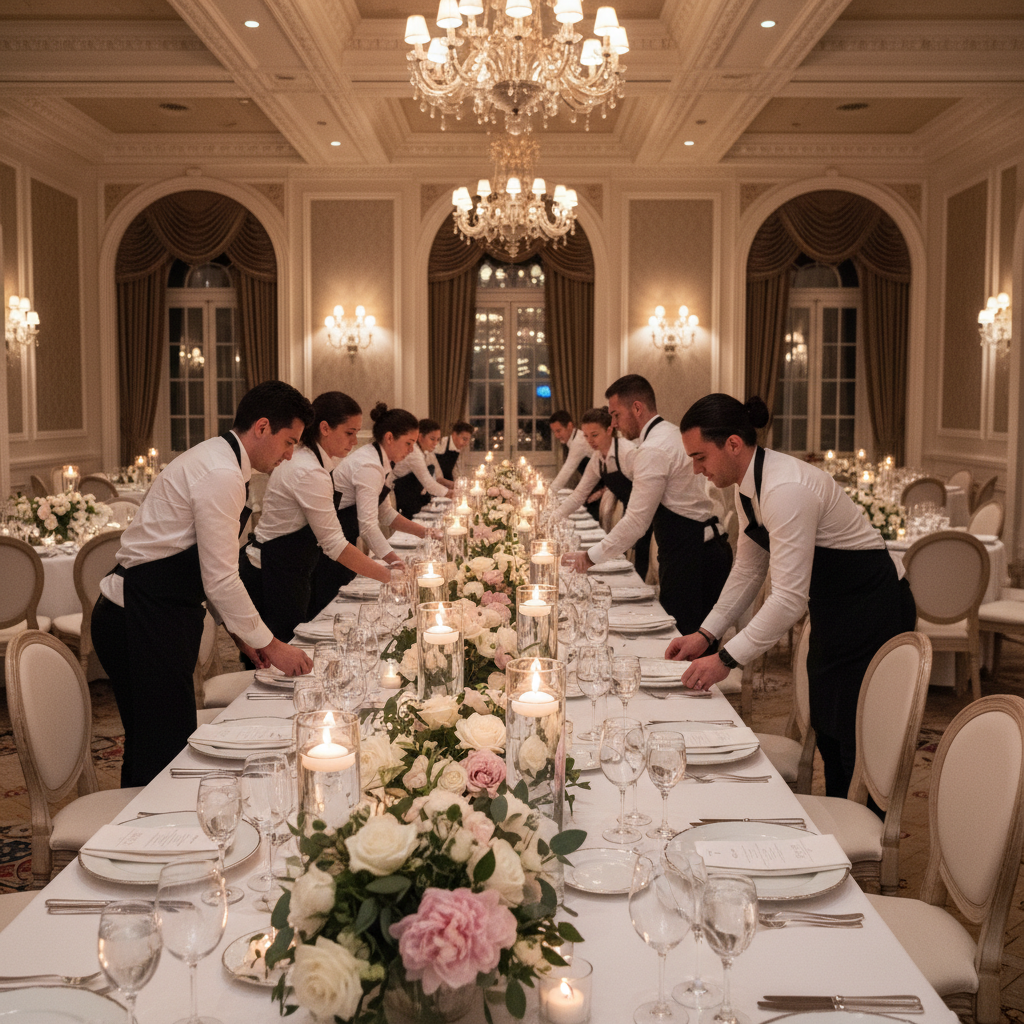
Wedding planner prices refer to the professional fees for designing, coordinating, and delivering your wedding from concept to celebration. In HA3 0PB at Abercorn Garden, Patel Events guides couples through planning, styling, and logistics so budgets match vision. This guide explains how planners structure services, what drives value, and how to plan with confidence.
By Shani Patel — Patel Events
Last updated: June 13, 2026
Quick Summary
Wedding planner costs are driven by service level (full, partial, or day-of), guest count, design complexity, venue logistics, and timeline. The best way to budget is to align scope with priorities, then sequence decisions in the right order—venue, design, vendors—so every pound serves your vision without waste.
Here’s what you’ll learn and be able to apply right away.
- What wedding planner prices really include (and don’t)
- How scope, logistics, and timing shape value
- Service levels compared: full-service, partial, and day-of coordination
- Specific planning factors for South Asian weddings and destination events
- Step-by-step budgeting workflow you can follow today
- Tools, checklists, and vendor sequencing to avoid rework
What Wedding Planner Prices Actually Cover
Wedding planner prices cover strategy, supplier sourcing, timeline management, design direction, on-the-day production, and risk control. You’re paying for time, expertise, and a proven process that safeguards your event from avoidable stress, delays, and quality issues—especially across dozens of moving parts and vendors.
At Patel Events, we manage the full journey: concept, venue fit, production schedules, décor and floral styling, transportation and hospitality, ceremonial choreography, and show-calling on the day. With 27+ years of experience and 500+ events delivered, our team blends creative direction with operational precision.
Core inclusions you can expect
- Blueprint & timeline: Milestone planning, vendor windows, and contingency buffers that keep decisions on track.
- Design leadership: Mood boards, color palettes, and tablescape styling shaped to your cultural and personal aesthetic.
- Vendor ecosystem: Access to 50+ trusted partners—venues, caterers, décor, DJ, cinematography—coordinated under one plan.
- Contract support: Scope clarity and risk checks so you know what’s included, what’s extra, and where lead times matter.
- Run of show: Ceremony and reception cueing, rehearsal guidance, and technical coordination for smooth handoffs.
In our experience, even “simple” weddings involve 10 or more vendor categories. A seasoned team turns complexity into order and protects your time—one reason our client satisfaction rate stands at 98% across hundreds of celebrations.
Why the Investment in a Planner Matters
A planner’s value is risk reduction and quality uplift. The right partner prevents timeline drift, vendor gaps, and design mismatches—issues that often cost more later. With a planner, decisions are sequenced properly, contracts are watertight, and your hours are reclaimed for what matters most.
Here’s the thing: weddings compress hundreds of choices into a fixed date. When decisions slip, late changes ripple across rentals, staffing, transport, and rehearsal time. Our team’s production calendars, budget guardrails, and vendor briefings keep downstream costs and stress contained.
Benefits couples actually feel
- Time saved: We filter suppliers to a curated shortlist—no endless calls or guesswork.
- Design cohesion: One aesthetic language across florals, lighting, linens, stationery, and staging.
- Operational calm: Run sheets for every supplier; escalation paths if the unexpected happens.
- Cultural fluency: For nikkah, sangeet, and Gujarati traditions, we align rituals with venue and schedule.
- Vendor leverage: Our 50+ partner network streamlines availability checks and setup logistics.
Couples often tell us the most valuable outcome is peace of mind. When you’re not chasing emails or solving last-minute layout puzzles, you enjoy the moments you planned for.
How Wedding Planning Works from First Call to Final Dance
Effective planning follows a sequenced workflow: discover goals, secure venue, set the production calendar, lock priority vendors, shape design, finalize details, and direct show day. Each stage gates the next, ensuring choices line up with budget and experience goals.
Our end-to-end workflow
- Discovery: Vision, guest size, rituals, dates, and must-haves. We align goals and constraints on day one.
- Venue fit: Capacity, access, power, noise, turnaround windows, and cultural accommodation.
- Production calendar: Critical path with sequencing and buffers. This reduces late-change risk.
- Vendor locking: Catering, décor, audiovisual, photography/cinematography, entertainment, transport, and staffing.
- Design detailing: Mood boards, sample centerpieces, stage sketches, and lighting looks.
- Run-throughs: Table mockups, ceremony choreography, and technical checks.
- Show day: We show-call the entire event so you can be fully present.
For destination weddings, we add travel logistics, freight, and local compliance checks. For corporate-style receptions, we layer stage management and brand presentation into the program.
Service Levels Compared: Full, Partial, and Day-of
Choose service level by time available, complexity, and comfort with vendor management. Full-service covers concept to curtain call. Partial planning partners with you mid-journey. Day-of coordination focuses on execution—ideally with a handover 4–6 weeks before.
| Service Level | Best For | What We Lead | Your Role |
|---|---|---|---|
| Full-Service Planning | Complex, multi-ritual or destination weddings | Strategy, vendors, design, logistics, and show-calling | Key approvals and experience choices |
| Partial Planning | Core vendors booked; support needed for design and run of show | Design cohesion, vendor integration, production calendar | Provide prior contracts and decisions |
| Day-of Coordination | DIY planners who want professional execution | Show-calling from rehearsal to final send-off | Finalize timings; share confirmed vendor briefs |
Picking the right tier is a major driver of wedding planner prices because scope sets the hours required. Not sure which fits? We’ll map your plans to workload, then recommend the leanest service that still protects quality.
What Drives Value in South Asian Weddings (UK)
For South Asian weddings, value hinges on ritual count, guest size, venue turnover windows, décor complexity, and entertainment scale. Coordinating nikkah, sangeet, and reception programs demands expert sequencing so culture, comfort, and timing flow without friction.
Patel Events specializes in South Asian ceremonies across London and the wider UK. Our team brings deep fluency in rituals and staging—whether a serene nikkah, a vibrant sangeet night, or a palatial Gujarati reception. This cultural alignment is why couples trust us for once-in-a-lifetime details.
Planning elements that shape scope
- Multi-day programs: Rehearsals, separate wardrobes, and distinct design languages for each function.
- Guest logistics: Welcome desks, hospitality, and coach or car schedules for smooth transfers.
- Staging & dance floors: Sangeet performance flows, sound checks, and specialty lighting looks.
- Floral & décor layers: Mandap builds, immersive entrances, and feature tablescapes and centerpieces.
- Food & beverage: Multi-course service pacing aligned with performances and blessings.
We’ve executed 500+ events with a 98% satisfaction rate—evidence that cultural detail and production discipline can live in harmony. The result is a celebration that feels both authentic and effortless.
Destination Weddings: How They Work Without the Headaches
Destination planning layers travel, freight, and local supplier management onto the standard process. The key is early venue vetting, reliable on-the-ground partners, and realistic lead times for décor, entertainment, and permits.
Our destination portfolio spans India and overseas venues, including Udaipur and Goa. The workflow adds venue availability calendars, travel windows, and local supplier checks. Freight decisions—ship, build locally, or hybrid—are made after design is locked.
Checklist we follow for smooth execution
- Venue due diligence: Access, power, weather plans, and ceremony permissions.
- Local network: Vetted floral, décor, entertainment, and technical teams.
- Freight and fabrication: What travels and what’s built locally to spec.
- Travel & hospitality: Group flights, rooming lists, and on-site welcome desks.
- Run of show: Multi-day cueing and rehearsal time built in.
When couples ask about wedding planner prices for destinations, we focus first on scope and logistics. Once everyone sees the moving parts, the path to a clear, tailored proposal becomes obvious.
Tools and Resources to Build a Realistic Plan
Use a production calendar, vendor tracker, and design brief to control scope. Lock the venue first, then confirm your highest-impact vendors in sequence. Centralize decisions and files so the team can execute cleanly.
We provide couples with shared checklists and trackers, which cut duplicate work and last-minute pivots. A clear design brief prevents re-sourcing linens or florals. For kitchen and venue timelines, venue guides and catering playbooks can help you visualize service pacing and setup flows.
- See a venue planning checklist style resource similar to this wedding venue checklist for ideas you can adapt.
- Explore catering pacing concepts in a menu planning overview to align courses with programming.
- Review reception layout inspiration from a weddings gallery to spark your own seating and staging plan.
Centralizing these references into your planner’s tracker saves time for everyone. It also makes approvals faster and keeps your event vision consistent across suppliers.
Mini Case Studies from Patel Events
Real events show how scope and sequencing shape outcomes. With 500+ events executed and a 98% satisfaction rate, Patel Events applies repeatable systems—then personalizes them to your story, rituals, and venue realities.
Harrow nikkah + reception, Greater London
- Scope: Intimate nikkah followed by a refined reception.
- Value driver: Early venue access negotiated; saved hours on flips and sound checks.
- Design: Soft florals, neutral palette, tailored tablescapes.
- Outcome: Punctual ceremonial flow and relaxed guest experience.
Gujarati wedding with vibrant sangeet
- Scope: Multi-ritual program with dance performances and live band.
- Value driver: Staggered rehearsal slots avoided overtime resets.
- Design: Statement mandap, layered lighting, color-forward florals.
- Outcome: Tight show-calling kept energy high and dinner pacing smooth.
Destination celebration in Goa
- Scope: Three-day celebration with outdoor ceremonies.
- Value driver: Local fabrication for décor elements cut freight complexity.
- Design: Coastal palette with tropical florals and sunset lighting.
- Outcome: Seamless guest transfers and on-time programs across venues.
In each scenario, value came from sequencing decisions and removing friction. That’s the core logic behind wedding planner prices—the more moving parts, the more professional hours required to do it right.
Best Practices to Maximize Value from Your Planner
Decide in sequence, centralize approvals, and lock the longest-lead suppliers first. Share your non-negotiables early and keep one source of truth for design and logistics to avoid redo loops and weekend overtime.
Make every hour count
- Clarify must-haves: Rank top five priorities—venue, catering, music, design, or photography—so effort lands where it matters.
- Single design brief: A 2–3 page brief prevents color and linen rework later.
- Batch decisions: Approve items by category to reduce back-and-forth.
- Vendor cadence: Confirm venue, catering, entertainment, and décor in that order.
- Rehearsals matter: Allocate time for show-calling; it’s where on-the-day calm is built.
When we follow this playbook, we consistently see smoother installs and more relaxed couples. That’s the compounding return of an organized plan.
Local Planning in HA3 0PB and Greater London
Planning near HA3 0PB in Greater London benefits from accessible transit, diverse venues, and strong supplier networks. The key is smart timing—book early for popular weekends and plan logistics around venue access windows and city traffic patterns.
Our Harrow roots give us practical knowledge of load-in routes, neighborhood rhythms, and trusted local partners. That’s crucial when you’re coordinating multiple ceremonies, guest transfers, and décor builds in a single day.
Local considerations for HA3 0PB
- Schedule guest arrivals with transit in mind; proximity to Preston Road Station can simplify transfers.
- Peak summer Saturdays book fast; align venue holds with photography and makeup timelines to avoid crunch.
- Allow buffer for venue turnovers; tight flips need extra staffing and earlier vendor access.

How to Choose the Right Planning Partner
Evaluate track record, cultural fluency, vendor network depth, and clarity of process. Ask for a sample production calendar and design brief. Your best-fit planner translates vision into operations—and communicates in a way that keeps you calm and informed.
Evaluation checklist
- Experience signals: Years operating, events delivered, and satisfaction rates. We’ve completed 500+ events with 98% positive feedback.
- Cultural expertise: For South Asian weddings, look for mastery across nikkah, sangeet, and Gujarati rituals.
- Network access: A vetted roster (we maintain 50+ partners) accelerates sourcing and problem-solving.
- Process transparency: Clear timelines, handover points, and escalation paths.
- References & reels: Cinematography and galleries reveal production quality and styling consistency.
If you’re comparing wedding planner prices, weigh process and people as much as portfolio images. Great chemistry and clear systems are worth their weight in calm.
Frequently Asked Questions
These short answers address the questions couples ask most about planners, scope, and working styles. For a tailored conversation, schedule a discovery call so we can map your goals to the most efficient planning path.
What does a wedding planner actually do?
A planner leads strategy, vendor sourcing, timelines, design direction, rehearsals, and show-calling. We coordinate suppliers, solve constraints, and protect your time so the day runs to plan—without you having to manage dozens of moving parts.
How far in advance should I book a planner?
Book as soon as you have your ideal date window. Popular summer Saturdays and bank holiday weekends fill quickly. Early booking secures vendor availability and reduces rush stress, especially for multi-ritual or destination celebrations.
Do I still need a planner if my venue has a coordinator?
Venue coordinators protect the venue and its timeline. Your planner protects your overall vision, vendor integration, design, and guest experience across all locations and functions—before, during, and after the event.
Can you work with my already-booked vendors?
Yes. We integrate existing suppliers, fill any gaps, and build a production calendar everyone follows. A clean handover 4–6 weeks before the date keeps show day smooth and aligned.
Conclusion, Key Takeaways, and Next Steps
Treat wedding planner prices as an investment in quality and calm. Align scope to your priorities, sequence decisions in the right order, and lean on a planner’s systems so your celebration looks and feels exactly as intended.
- Key takeaways:
- Scope and complexity—not just date and venue—drive planner workload.
- Sequenced decisions and a single design brief prevent expensive rework.
- Cultural fluency and a strong vendor network deliver smoother installs.
- Choose the lightest service level that still protects your day.
Next steps:
- Define your top five priorities and must-have moments.
- Lock venue dates, then confirm high-impact vendors in order.
- Share your story with us—we’ll map the most efficient path forward.
Ready to plan with calm? Book a discovery call with Patel Events in Harrow/Greater London. We’ll align your vision, timeline, and vendor plan so your day unfolds beautifully.