
Wedding planner cost refers to the overall investment behind planning expertise, design direction, logistics, and on-the-day orchestration—shaped by scope, timeline, and complexity. From our base on Abercorn Gardens in HA3 0PB, Greater London, Patel Events helps couples understand these cost drivers so they can prioritize confidently without discussing specific prices.
By Shani Patel — Patel Events
Last updated: 2026-06-12
Above-Fold: Quick Answer
Wedding planner cost is shaped by service level (full, partial, day-of), guest count, venue logistics, cultural rituals, design/styling depth, and planning timeline. Align your scope with goals, set milestones, and lock key vendors early to reduce risk and protect your budget—especially for multi-event South Asian weddings.
Here’s what you’ll get in this complete guide crafted by Patel Events in Greater London:
- Plain-English definitions of what drives the investment behind a planner
- Service scopes explained (full, partial, day-of, and destination)
- South Asian wedding nuances that affect coordination time
- Checklists, timelines, and a comparison table you can use today
- Actionable ways to save without sacrificing guest experience
Summary
Think of wedding planner cost as the value of time saved, errors avoided, and details professionally executed. The biggest levers are scope, timeline, design complexity, and logistics. Choose a scope that fits your goals, confirm cultural needs, and reserve key partners early for the best outcomes.
In our experience delivering 500+ events with a 98% satisfaction rate, the most successful couples decide on scope early, commit to a planning rhythm, and centralize communication. Those habits directly reduce friction and protect the experience for you and your guests.
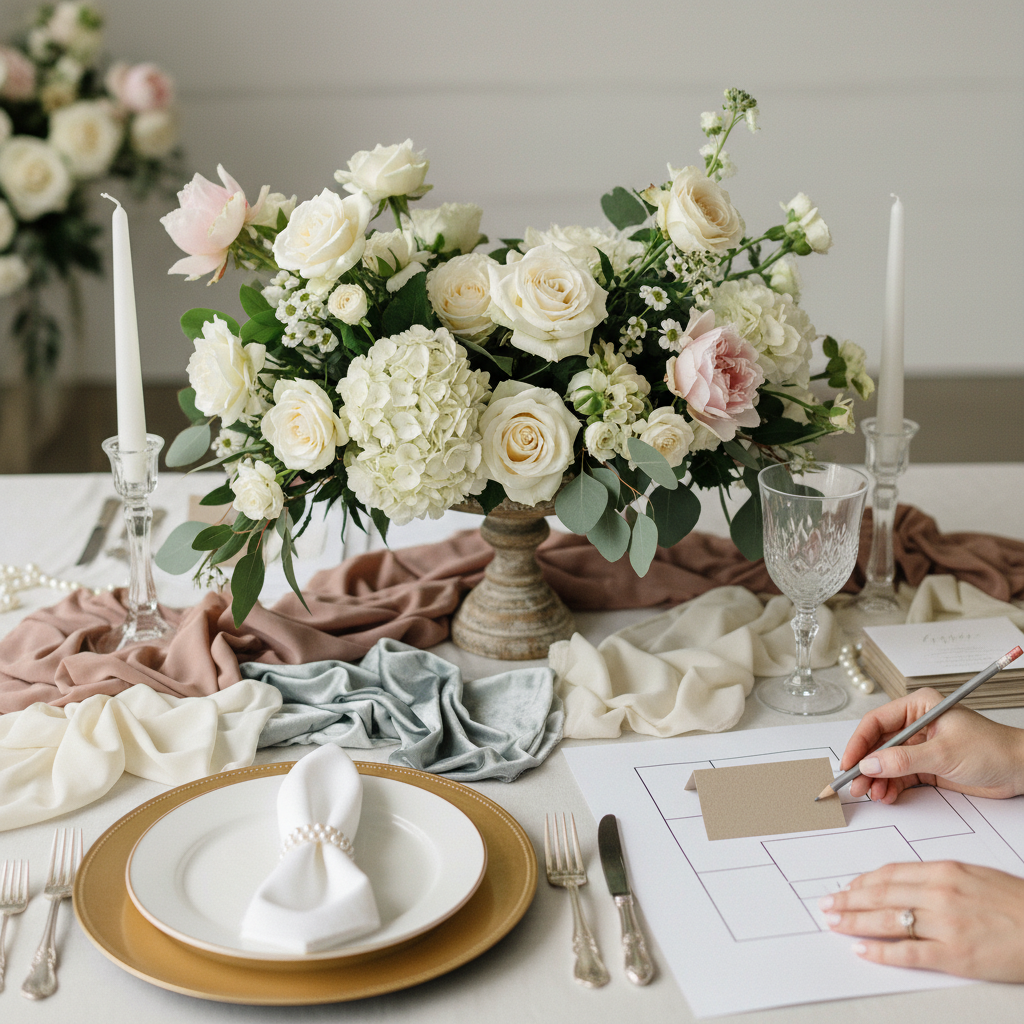
What Is Wedding Planner Cost?
Wedding planner cost is the investment tied to professional planning services that translate your vision into a seamless event. It includes strategy, timelines, vendor coordination, design guidance, and on-site execution. Scope, complexity, and culture-specific rituals determine how much expertise and time your celebration requires.
Wedding planning is more than booking vendors. It’s a structured, months-long orchestration of design, logistics, and stakeholder management that culminates in flawless execution. For South Asian weddings, that often spans multiple events—nikkah, sangeet, garba, ceremony, and reception—each with its own run-of-show, seating, and technical needs.
- Strategic planning: Vision mapping, timeline creation, venue fit, and runs of show.
- Vendor leadership: Sourcing, vetting, negotiating, and day-to-day coordination across 10–20+ partners.
- Design direction: Florals, décor, tablescapes, and guest experience flow.
- Technical production: AV, lighting, staging, entertainment, and power logistics.
- On-site control: Rehearsals, cueing, changeovers, and contingency management.
Patel Events is built for this complexity: 27+ years of delivery, 500+ events, and a vetted network of 50+ trusted vendors across Greater London and beyond. That ecosystem compresses timelines and de-risks your day.
Why Wedding Planner Cost Matters
Understanding wedding planner cost helps you channel resources into the moments that matter most. Clear scope and priorities reduce decision fatigue, protect timelines, and prevent last-minute overruns—especially in multi-ritual celebrations where coordination hours quickly multiply.
The reality is simple: weddings contain hundreds of micro-decisions and dozens of logistics threads. When those threads cross, small misses cascade. A senior planner buffers against that risk, keeps commitments visible, and turns your design vision into a cohesive experience guests actually feel.
- Time saved: Professional workflows eliminate guesswork and rework.
- Fewer change fees: Early decisions reduce timeline squeezes and vendor reshuffles.
- Guest comfort: Clear arrival, seating, and service flow reduce downtime.
- Creative cohesion: Florals, lighting, and music connect into one narrative.
For South Asian weddings, we routinely synchronize rituals and hospitality across three to five events. That orchestration is where a planner’s value becomes obvious to families and guests.
How Wedding Planning Actually Works
Professional planning follows a cadence: discovery and scope; venue and vendor selection; design and guest experience planning; timeline engineering; and on-site execution. Each stage has defined deliverables that prevent chaos and keep decisions moving.
Planning cadence and milestones
- Discovery: Goals, guest count, culture-specific rituals, and must-haves captured.
- Venue and vendors: Shortlist, site visits, risk checks, and holds secured.
- Design system: Mood boards, florals, tablescapes, and ceremony flows.
- Production plan: Timelines, cue sheets, staffing, and transport logistics.
- Execution: Rehearsals, run-of-show management, and rapid issue resolution.
For timeline context, a planning resource from Revel Entertainment outlines how multi-day celebrations benefit from earlier vendor locks and layered schedules. The earlier your anchor decisions, the smoother your final weeks.
Deliverables you should expect
- Decision tracker: One source of truth for scope, roles, and due dates.
- Comprehensive timeline: Task lists from venue holds to post-event teardown.
- Run-of-show packets: For each event (nikkah, sangeet, ceremony, reception).
- Floor plans and seating: Diagrammed layouts for efficient service.
- Vendor matrix: Contacts, commitments, and contingency options.
We’ve found that couples who attend one structured planning session per month keep decisions aligned and enjoy the process more. Rhythm reduces stress.
Pricing Factors (Without Numbers)
Planner investment scales with scope, event count, design ambition, logistics complexity, and timeline. Multi-day South Asian weddings, venue changeovers, and elevated production (lighting, staging, entertainment) typically require more planning hours and senior oversight—without quoting specific prices.
Core drivers of planner investment
- Scope: Full, partial, day-of, or destination coordination.
- Event count: Single-day vs. multi-event (nikkah, sangeet, ceremony, reception).
- Guest volume: Higher counts impact seating, service, and transport.
- Venue logistics: Load-in windows, restrictions, power, and access routes.
- Design depth: Custom florals, draping, stage builds, and tablescape details.
- Production level: AV, lighting, live music, DJs, and special effects.
- Timeline: Lead time, decision cadence, and rehearsal needs.
Service scopes compared
| Scope | Ideal For | Key Outputs | Planning Rhythm |
|---|---|---|---|
| Full Planning | Busy couples and multi-ritual weddings | End-to-end leadership, vendor ecosystem, design, and production | Monthly strategy, milestone reviews, on-site rehearsals |
| Partial Planning | Couples with venue/vendors secured | Gap-filling, timeline engineering, design refinement, day-of team | Bi-monthly check-ins, focused deliverables |
| Day-of Coordination | Hands-on couples who need execution support | Run-of-show, vendor cueing, guest flow, troubleshooting | Final-month ramp-up, rehearsal, event-day command |
| Destination Planning | Out-of-country venues (e.g., Udaipur, Goa) | Travel logistics, local vendors, customs/ritual alignment | Quarterly macro-planning, site visit(s) |
If you’re early in the journey, a venue checklist like the one shared by Mississauga Convention Centre can clarify access, load-in, and layout realities that influence planning time.
Types of Planning Engagements (With South Asian Nuance)
The right engagement depends on your bandwidth and cultural needs. Full planning covers concept-to-closure. Partial planning supports mid-journey couples. Day-of coordination safeguards execution. Destination planning layers in travel and local-vendor leadership for overseas venues.
Full planning
- Who it serves: Couples balancing careers, families, and multi-event traditions.
- What you get: Vision mapping, vendor ecosystem access, cohesive design, and end-to-end leadership.
- Why it matters: Hand-offs are crisp; risks surface early; families enjoy the celebration.
Partial planning
- Who it serves: You’ve booked the venue and a few vendors; now you need structure and momentum.
- What you get: Timeline engineering, design refinement, and targeted vendor guidance.
- Why it matters: Prevents mid-journey drift and stressful final weeks.
Day-of coordination
- Who it serves: Hands-on couples who want professional execution on event day(s).
- What you get: Rehearsal support, run-of-show, vendor cueing, and guest-flow management.
- Why it matters: You stay present while a senior team manages operations.
Destination planning
- Who it serves: Couples planning overseas venues (e.g., Udaipur palaces, Goa resorts).
- What you get: Local vendor leadership, travel coordination, and culture-rich ceremony alignment.
- Why it matters: Minimizes cross-border risk and language barriers.
Patel Events has delivered destination weddings across India and overseas, pairing design with logistics to keep every ritual on time and in character.
Wedding Planner Cost in Greater London (HA3 0PB)
In Greater London’s HA3 0PB area, venue access windows, traffic patterns, and multi-vendor coordination add real-time demands that shape planner workload. Cultural events like sangeet and nikkah also expand schedules, so syncing load-ins, rehearsals, and hospitality is essential to control cost drivers.
Greater London’s venues run a wide spectrum—from historic halls to contemporary spaces—each with unique access routes, service elevators, and noise policies. Those details impact timelines and staffing, especially when performances or staging are involved. The more we know early, the more precisely we can engineer setup, rehearsals, and changeovers.
Local considerations for HA3 0PB
- Build travel buffers if family or vendors arrive via Preston Road Station; arrival waves affect rehearsal timing.
- Peak-season weekends fill fast; align vendor holds and hotel blocks early to keep schedules realistic.
- For multi-event weekends, confirm load-in and sound policies; proximity to Northwick Park station helps guest flow planning.
Best Practices to Control Your Investment
Decide scope early, confirm must-have rituals, and lock anchor vendors first. Centralize communication, set monthly planning check-ins, and pre-approve designs. These habits shrink decision drift, reduce rush work, and keep wedding planner cost aligned with your goals.
- Lock anchors first: Venue, date, cinematography, and entertainment set downstream timelines.
- One decision owner: Nominate one point of contact to sign off designs and run books.
- Monthly cadence: Short, focused reviews keep momentum and surface risks early.
- Design once, deploy many: Choose a core design language and extend it across all events.
- Consolidate vendors: Bundling florals, décor, and production reduces coordination overhead.
- Realistic rehearsals: Book time blocks that match performance and ritual needs.
We’ve found that setting no more than three “must-haves” per event (e.g., ceremony stage, headline entertainment, signature floral moment) minimizes decision sprawl while preserving impact.
Tools and Resources for Smarter Planning
Use a central dashboard to track decisions, timelines, and vendor commitments. Layer in venue checklists, design boards, and run-of-show packets for each ritual. Clear artifacts keep everyone aligned and prevent last-minute thrash that inflates effort.
- Decision tracker: Scope, roles, due dates, and approvals in one place.
- Venue checklist: Access, power, loading routes, and layout constraints. See a helpful example from Mississauga Convention Centre.
- Timeline templates: A South Asian wedding timeline illustrates how earlier vendor holds de-risk complex weekends.
- Production briefs: Lighting plots, stage elevations, cue sheets, and backline notes.
- Design boards: Florals, draping, linens, signage placement, and tablescape details.
For venue capacity visuals and layout inspiration, browse a weddings gallery like Palacio Event Centre. Use the imagery to benchmark space use and guest flow.
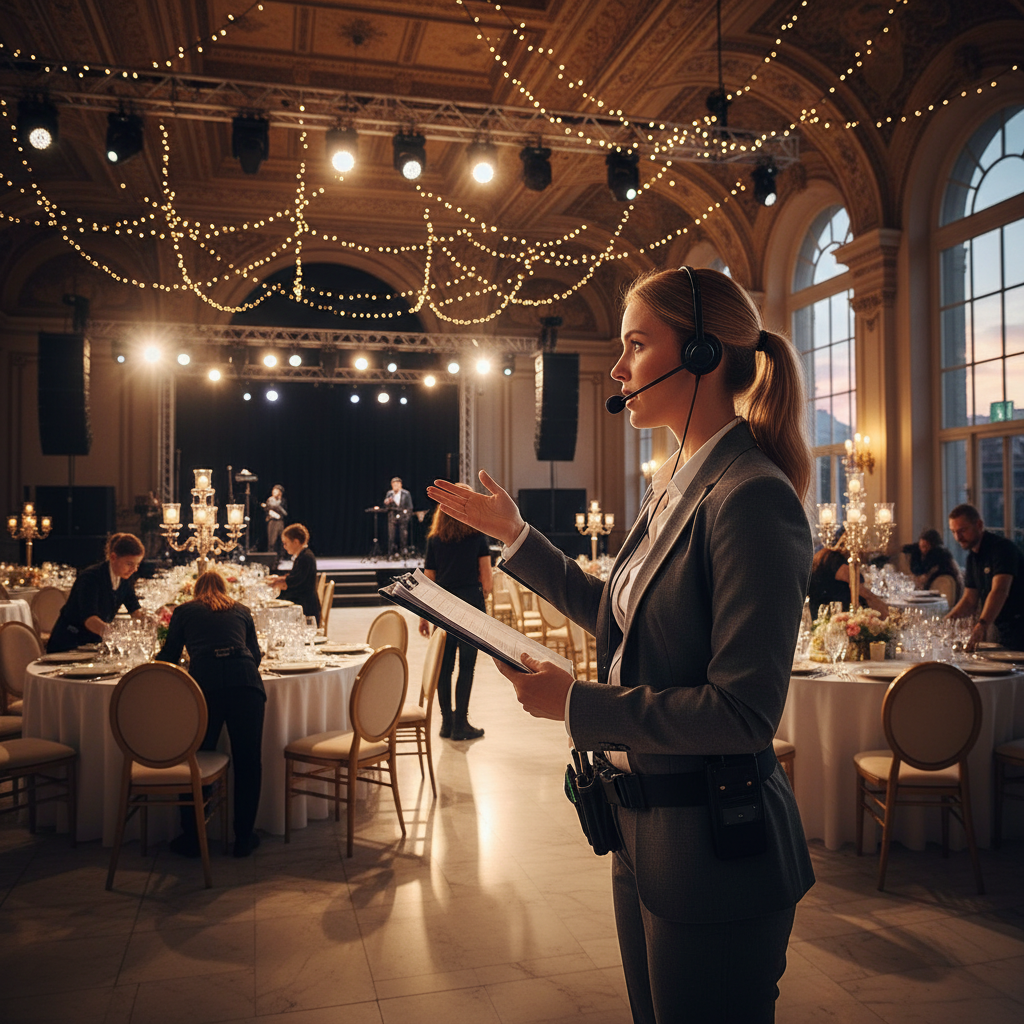
Case Studies: How Scope Shapes the Work
Three mini-scenarios show how scope, culture, and logistics shape planning hours. Each example mirrors real patterns we deliver in London and destination settings—without quoting prices—so you can picture the right engagement for your family.
Gujarati ceremony + reception (Greater London)
A central London venue with tight load-in windows required granular scheduling of florals, mandap build, and AV. We sequenced rehearsals the evening prior, coordinated family entrances, and managed a same-room flip from ceremony to reception. Result: on-time vows, smooth changeover, and high guest comfort.
- Scope: Full planning
- Drivers: Tight venue timeline, stage build, same-room flip
- Outcomes: Zero missed cues; dining service began on schedule
Multi-day sangeet weekend
Multiple performances demanded a clearer run-of-show and staging plan. We organized sound checks, dress rehearsals, and a performance cueing system. Hospitality stations and traffic flow were mapped to reduce bottlenecks between acts.
- Scope: Partial planning with day-of
- Drivers: Performance staging, rehearsal blocks, guest flow
- Outcomes: High-energy evening with predictable transitions
Destination wedding (Udaipur)
We paired local vendors with our design team, aligning customs documentation, guest transfers, and venue-specific rules. The mandap and reception stage were engineered to local wind/loading guidance. Families enjoyed full-immersion rituals with reliable timings.
- Scope: Destination planning
- Drivers: Travel logistics, local-vendor leadership, cultural alignment
- Outcomes: On-time rituals, comfortable guest flow, cohesive design language
Across these scenarios, the common thread is leadership. A senior team with a 50+ vendor network can compress the unknowns and keep decisions on track.
Frequently Asked Questions
These concise answers address common hiring and planning questions—without discussing prices. Each response is designed for voice search and quick scanning so you can act with confidence.
What should I prepare before meeting a wedding planner?
Bring estimated guest count, preferred dates, cultural rituals, top three priorities, and any venue shortlists. Share inspiration photos for design tone. With this, a planner can map scope, spot risks, and recommend the right engagement level for your celebration.
How far in advance should we start planning?
Start as early as practical. Multi-event South Asian weekends benefit from earlier vendor holds and rehearsals. A clear cadence—monthly strategy check-ins—keeps momentum and reduces last-minute stress.
Do we still need day-of coordination if we’re hands-on?
Yes, if you want to stay present. Day-of teams manage vendor cueing, guest flow, and troubleshooting so you can enjoy the celebration. It’s especially helpful when venues have tight access windows or room flips.
What makes South Asian weddings unique from a planning standpoint?
Multiple rituals across two to three days, performance-heavy sangeets, and stage-forward ceremonies increase scheduling and technical needs. A planner with cultural fluency keeps rituals authentic while protecting timelines and guest comfort.
Conclusion and Key Takeaways
Treat wedding planner cost as a strategic investment in time, clarity, and guest experience. Define scope, lock anchors early, and keep a steady planning cadence. That’s how you avoid stress, protect your weekend, and get the celebration you envisioned.
- Define scope early: Full, partial, day-of, or destination.
- Sequence wisely: Venue, entertainment, and cinematography guide schedules.
- Design with intent: One cohesive language across all events.
- Keep rhythm: Monthly reviews prevent last-minute thrash.
Next step: If you’re planning in Greater London or abroad, we’d love to help. Book a discovery session with Patel Events in HA3 0PB to align scope and timelines around your vision.
Soft CTA: Ready to map your weekend? Contact Patel Events for a scope and timeline consultation tailored to your rituals and venues.