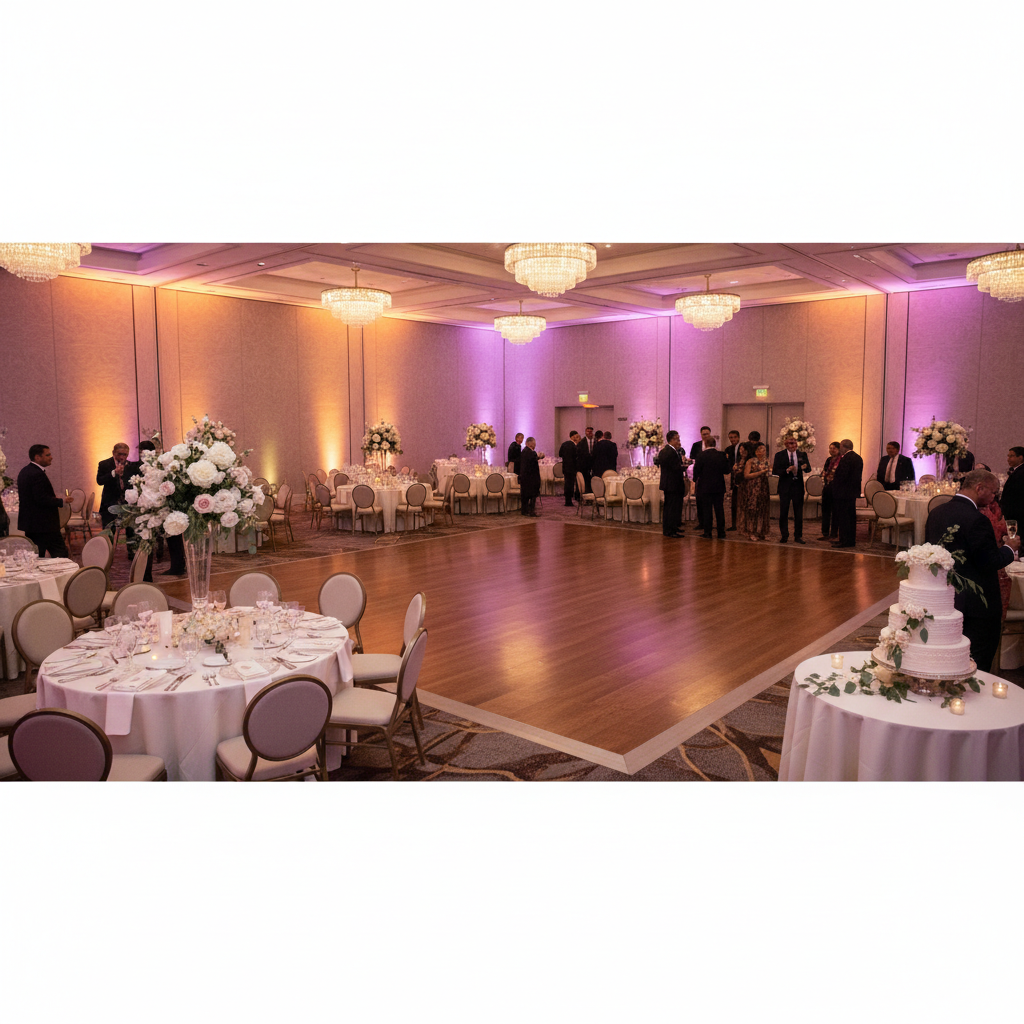
Wedding event organizers are end-to-end planning partners who design, coordinate, and manage every element of a wedding so couples can enjoy the day. They align vision, rituals, design, logistics, and vendor teams into one seamless plan. Based out of Abercorn Garden (HA3 0PB) in Greater London, Patel Events delivers this full-service model for South Asian and multicultural celebrations.
By Shani Patel • Last updated: 2026-06-04
Quick Summary and Guide Map
This guide explains what wedding event organizers do, why it matters, and how the process works from discovery to day-of. It includes timelines, checklists, cultural ritual planning, a comparison table, local HA3 0PB insights, and Patel Events examples drawn from 27+ years and 500+ celebrations.
Here’s what you’ll find below and how to use it fast.
- What organizers actually handle vs coordinators vs venue teams
- Step-by-step workflow from inquiry to post-wedding wrap
- South Asian rituals (nikkah, sangeet, Gujarati traditions) planning cues
- Design, florals, cinematography, and entertainment integration
- Destination planning (Udaipur, Goa) logistics overview
- Local HA3 0PB and Greater London planning tips
- Actionable timelines, checklists, and a mid-article consultation CTA
What Wedding Event Organizers Do
Wedding organizers translate your vision into a master plan, align vendors, manage budgets and schedules, and run the show on the day. They cover design, décor, production, and logistics—and coordinate cultural rituals—so the couple and family can stay present.
In our experience at Patel Events, couples want one accountable partner to guide every detail and keep momentum. Here’s what that looks like in practice.
Core responsibilities (end-to-end)
- Vision & scope: Discovery workshops, mood boards, priorities, guest journey mapping.
- Design & décor: Floral styling, tablescapes and centerpieces, lighting, staging, room flow.
- Ritual planning: Nikkah sequence, sangeet performances, Gujarati customs, vow logistics.
- Vendor ecosystem: Sourcing, shortlisting, contracting, and managing 50+ trusted partners.
- Run of show: Detailed timelines for pre-events through reception; cueing all teams.
- Production management: Power, sound, lighting, AV checks; entertainment and DJ integration.
- Day-of leadership: On-site command, risk checks, guest flow, transport and timing.
- Post-event wrap: Breakdown, returns, feedback, highlights reel with cinematography partners.
Patel Events brings 27+ years of pattern recognition here—useful when weather shifts, a ritual runs long, or transport is delayed. We keep the plan moving without sacrificing guest experience.
Why Wedding Event Organizers Matter
Organizers protect your vision, time, and emotional bandwidth. They reduce risk, prevent schedule slip, and turn dozens of moving parts into one cohesive experience, especially across multi-ritual South Asian weddings with packed guest lists and complex vendor mixes.
Weddings layer design, emotion, and logistics. The more elements you add—cultural rituals, performances, travel—the more orchestration you need. Here’s why couples and families rely on dedicated organizers.
Benefits you actually feel
- Clarity: One plan, one timeline, one decision log; no crossed wires.
- Continuity: A single team tracking every commitment from inquiry to breakdown.
- Risk control: Contingencies for weather, transit, power, and timeline drift.
- Guest experience: Smooth arrivals, clear signage, welcoming flow, and attentive service.
- Cultural fluency: Respectful staging of nikkah, sangeet, and Gujarati traditions.
- Momentum: Decisions move; vendors stay aligned; progress is visible.
Patel Events’ track record—500+ events with a 98% satisfaction rate—comes from this focus: design artistry paired with disciplined operations.
How Wedding Planning Works (Step-by-Step)
A proven wedding workflow moves from discovery and design into vendor alignment, production planning, rehearsals, and day-of command. Each phase has clear outputs—scope, timeline, floor plans—so decisions stick and vendors execute without guesswork.
From first call to final sparkler
- Discovery & goals: Vision, cultural priorities, guest count, venue fit, date windows.
- Design draft: Mood boards, palette, florals, tablescape mockups, stage and lighting concepts.
- Venue & vendors: Shortlists, site visits, holds; align cinematography, catering, entertainment.
- Master timeline: Ceremony sequences, transport, hair/makeup calls, photography blocks.
- Floor plans: Seating, staging, dance floor, rigging points, emergency egress.
- Run of show: Minute-level cueing for rituals, entrances, performances, speeches.
- Rehearsals: Walkthroughs for processional, AV line checks, emergency procedures.
- Day-of command: On-site leadership, vendor check-ins, guest flow, and rapid decisions.
- Post-event: Breakdown, returns, gratitude communications, highlight footage coordination.
Documents that keep everyone aligned
- Scope sheet: What’s in, what’s out, and who owns it.
- Timeline: Shared, minute-specific, version-controlled.
- Seating and floor plans: With accessibility and sightlines checked.
- Contact matrix: Vendors, point people, emergency numbers.
- Cue sheets: For entrances, music, performances, and speeches.
Types of Wedding Support: Organizer vs Coordinator vs Venue
An organizer manages the entire journey; a coordinator focuses on final-month execution; a venue manager protects the venue. Most complex, multi-ritual weddings benefit from a dedicated organizer to own design, logistics, and cross-vendor delivery.
| Role | Primary Focus | Typical Scope | Best For |
|---|---|---|---|
| Organizer (Planner) | End-to-end leadership | Design, vendors, timelines, production, rituals | Multi-ritual, large, destination or design-led weddings |
| Coordinator | Final-month execution | Confirm details, build run of show, manage the day | Smaller, simpler, DIY-heavy weddings |
| Venue Manager | Venue operations | House rules, facilities, in-house services | Any wedding (but not a replacement for an organizer) |
When weddings include nikkah, sangeet, and a reception, a planning partner who drives both design and logistics prevents trade-offs later.
South Asian Rituals and Cultural Fluency
Cultural fluency turns rituals into moving experiences. For South Asian weddings, organizers stage nikkah with dignity, produce vibrant sangeets, and honor Gujarati traditions—coordinating timing, space, sound, and family roles so every moment feels authentic.
Patel Events specializes in South Asian ceremonies and blends reverence with production detail. We choreograph sequences with both meaning and momentum.
Nikkah
- Setting the nikah space: Elevated yet intimate, with clear sightlines for elders.
- Program flow: Contract signing, duas, announcements; microphones checked; processional cued.
- Guest experience: Modesty-first layouts, prayer accommodations, and gentle sound.
Sangeet
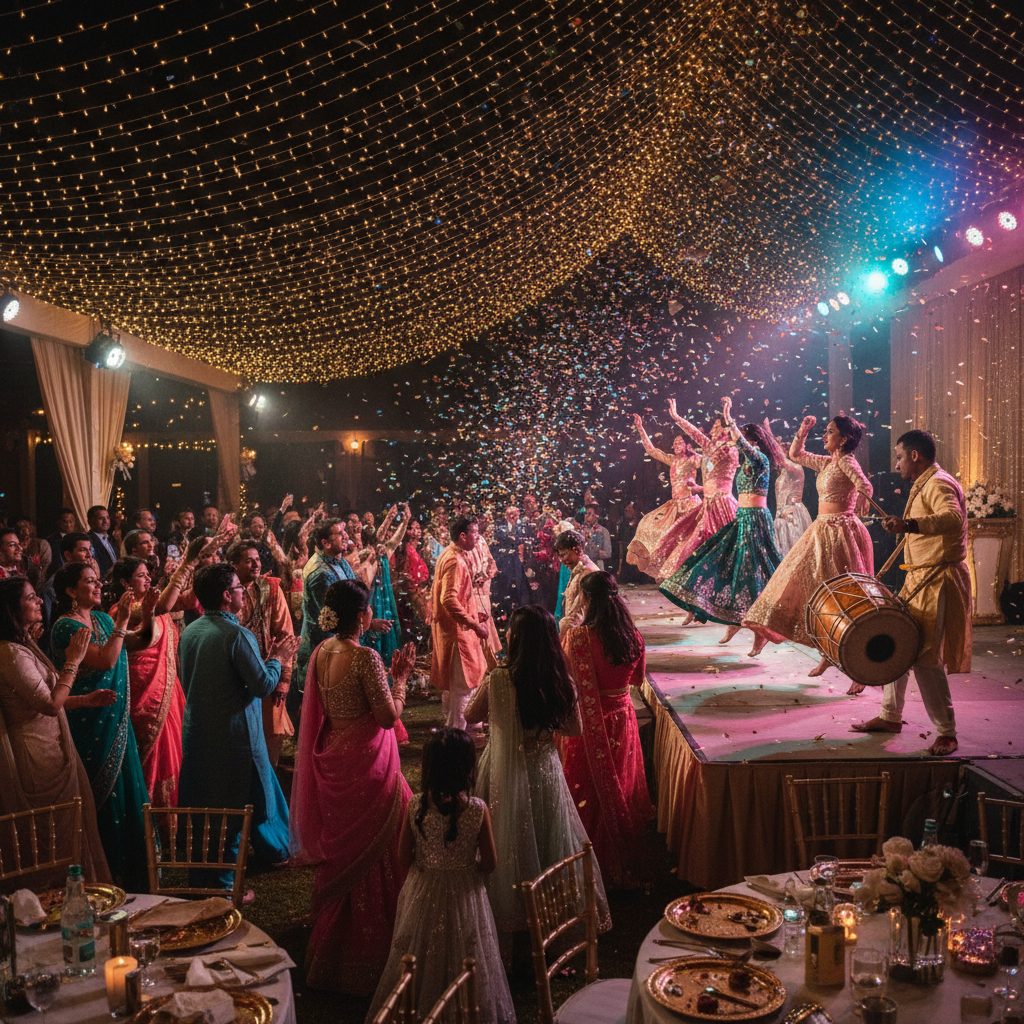
- Stage and lighting: Color-rich backdrops, dynamic washes for dance energy.
- Run of show: Anchored by dhol entrances, family acts, surprise performances.
- Entertainment: Live musicians, DJ sets, and smooth transitions.
Gujarati traditions
- Mandap design: Floral architecture, canopy balance, ceremonial access paths.
- Ritual cadence: Antarpat reveal, pheras, vidaai timing with buffers.
- Hospitality: Welcomes, refreshments, and seating appropriate for elders.
Our vendor ecosystem (50+ partners) makes this work possible—specialist florists, AV teams, and cultural performers who understand the assignment.
Planning in HA3 0PB and Greater London
For HA3 0PB couples, wedding organizers factor London transit, venue access, and seasonal timing. Proximity to Kenton station and Northwick Park supports guest travel, while Greater London’s busy calendar makes early holds and buffers essential for smooth arrivals.
Local context shapes real decisions—load-in routes, parking, late-night noise windows, and weekend travel peaks. We build plans that work with the city, not against it.
Local considerations for HA3 0PB
- Use Kenton station for straightforward guest arrivals; schedule signage and ushers for wayfinding.
- Account for summer festival weekends and holiday traffic; add 15–30 minute buffers for key moves.
- Confirm late‑night noise and load-out windows early; align entertainment and DJ cue sheets accordingly.
Design, Florals, and Guest Experience
Design drives emotion and memory. High-impact florals, balanced tablescapes, lighting, and a choreographed guest journey turn a venue into your story—without compromising flows, safety, or accessibility.
Great design isn’t only visual; it’s navigational. Guests need to know where to go, feel welcomed, and never hit a bottleneck.
Design moves that matter
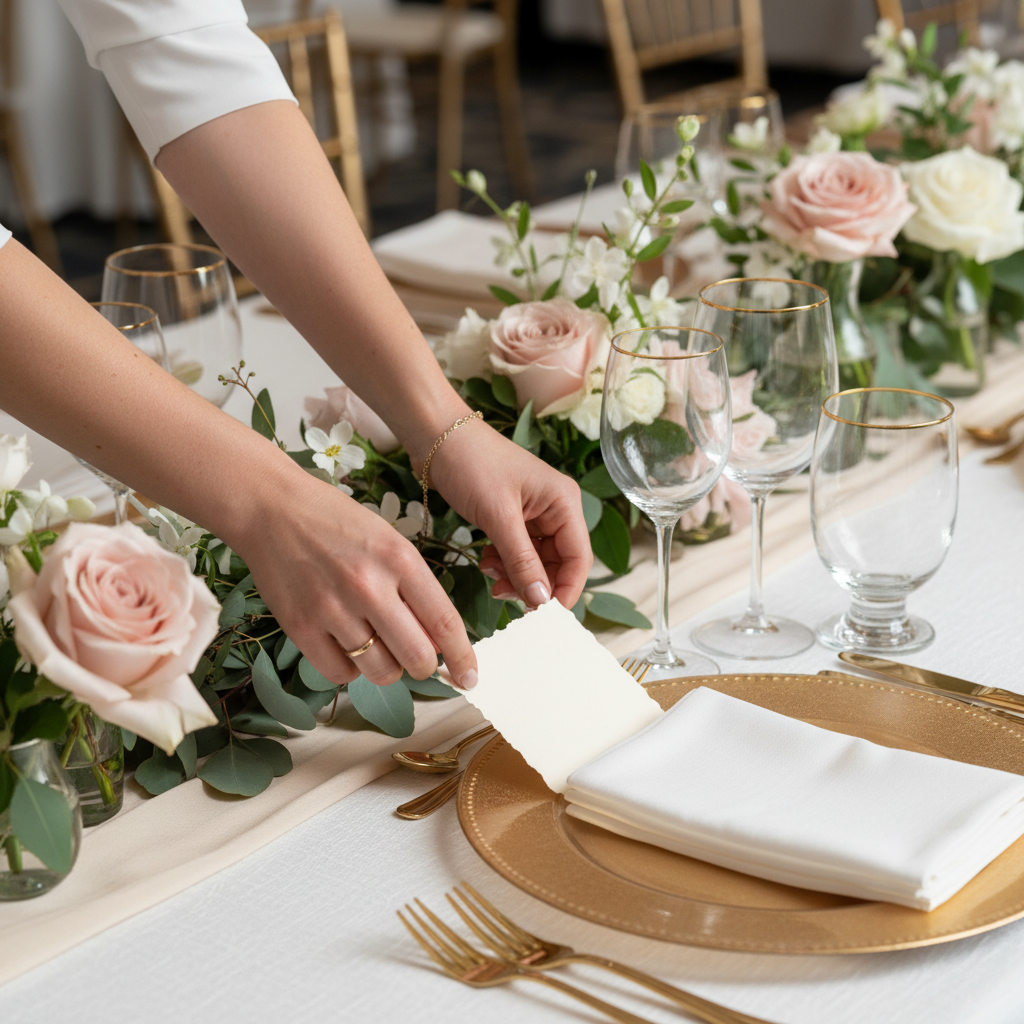
- Tablescapes and centerpieces: Height variety and sightline checks for speeches.
- Lighting layers: Ambient, task, and feature lighting for photos and mood.
- Wayfinding: Entrance focus points and gentle cues; staff stationed where needed.
- Comfort design: Lounges, airflow, hydration, and elder-friendly seating.
Floral and styling cadence
- Mockups before approval to avoid surprises on event day.
- Blooms selected for season and longevity (heat and lighting considered).
- Placement plans that survive crowd movement and camera traffic.
Destination Wedding Planning (Udaipur, Goa, Overseas)
Destination weddings succeed with early holds, vendor scouting, and on-site leadership. Organizers bridge time zones, permits, cultural etiquette, and logistics—from guest travel to power, sound, and staging—in scenic locations like Udaipur and Goa.
Patel Events plans destination weddings across India and overseas. We combine local specialists with our core production standards so the experience feels both authentic and reliably delivered.
How we de-risk destination logistics
- Site surveys: Signal strength, power access, rigging points, guest flow, and shade.
- Local partners: Shortlists for florals, entertainment, transport, and hospitality.
- Contingencies: Weather backups, tenting, AV redundancies, and crew swaps.
- Guest support: Clear itineraries, welcome desks, and on-call coordination.
We’ve seen the difference a scout day makes—venue quirks become non-issues when resolved weeks ahead.
Timelines, Checklists, and Milestones
The most reliable weddings run on shared, version-controlled timelines with clear owners for each milestone. Organizers keep decisions moving, document changes, and ensure every vendor knows the plan before load-in.
Suggested milestone timeline
- 12–15 months: Vision, date windows, guest count, venue holds, destination scouting.
- 9–12 months: Design draft, priority vendors (catering, cinematography, entertainment).
- 6–9 months: Ritual planning, florals, lighting, staging; transport mapping.
- 3–6 months: Invitations, seating logic, accommodation blocks, rehearsal plans.
- 1–3 months: Final menus, shot lists, speeches, and performance run-throughs.
- Final 2 weeks: Master timeline lock, confirmations, crew briefings.
- Show week: Site walk, line checks, and contingency briefings.
Your working checklist (starter)
- Define non-negotiables and aesthetic likes/dislikes.
- Confirm rituals, officiants, and cultural requirements.
- Prioritize vendors to book early; hold backups.
- Map guest journey from arrival to final dance.
- Plan signage and usher placement for bottlenecks.
- Prepare weather and transit fallback plans.
Tools and Resources Organizers Use
Organizers rely on shared timelines, contact matrices, cue sheets, and floor plans—plus rehearsal agendas and load-in schedules. Add disciplined communications, and vendors execute like one team.
Organizer toolkit (what we maintain)
- Master timeline: Minute-by-minute, color-coded for departments.
- Floor plans: Scaled layouts with power and lighting notes.
- Contact matrix: Vendor leads, backups, and emergency lines.
- Cue sheets: Entrances, tracks, lights, and camera marks.
- Logistics packs: Load-in, access, parking, and security notes.
- Rehearsal agendas: Who, where, when, and what to bring.
Want examples of third-party planning checklists and venue prompts? This venue checklist example shows the kind of questions to consider when touring ballrooms.
Case Studies from Patel Events
Real results come from disciplined planning and cultural fluency. These snapshots show how we align design, rituals, and logistics to deliver stress-free celebrations for families across the UK and abroad.
Harrow nikkah with elegant reception
- Challenge: Intimate nikkah followed by a polished reception the same day.
- Moves: Quiet ceremony staging; quick-turn room flip; soft lighting and florals.
- Outcome: On-time transitions and thoughtful hospitality for elders.
Vibrant sangeet + grand Gujarati wedding
- Challenge: High-energy program, many performances, and a large guest list.
- Moves: Strong stage management, tight cue sheets, and experienced AV crew.
- Outcome: Seamless flow and a packed dance floor before dinner service.
Destination mandap in Udaipur
- Challenge: Outdoor ceremony with heat, power, and vendor access constraints.
- Moves: Site survey, shade planning, AV redundancy, and hospitality stations.
- Outcome: Moving vows under a floral canopy with cool, comfortable guests.
For more inspiration on room setups, these wedding room visuals illustrate classic ballroom configurations you can adapt with your planner.
Best Practices from 27+ Years
The best weddings combine creative design with operational discipline. Decide early, document clearly, confirm often, and rehearse the moments that matter—especially entrances, rituals, and speeches.
What works consistently
- Decide early on anchors: Date, headcount range, and must-have elements.
- Share decisions in writing: Keep one source of truth for vendors.
- Rehearse transitions: Processionals, performances, and speech tech checks.
- Respect buffers: Build 10–15 minute cushions for key moves.
- Protect guest experience: Hydration, seating comfort, and wayfinding.
- Own the final two weeks: Confirm details; prevent last-minute drift.
We’ve found that the final-week rehearsal lowers stress immediately—families see timing, test AV, and sleep better.
Food, Beverage, and Cinematography Integration
When F&B and cinematography are integrated with the timeline, service runs smoothly and the most meaningful moments get captured. Organizers coordinate kitchen pacing, special diets, and shot lists with speeches and performances.
Coordination tips
- Menu flow: Match service style to program beats; keep speeches tight.
- Dietary needs: Centralize requirements; brief service leads.
- Shot list sync: Time formalities for best light and camera movement.
- Vendor meals: Schedule so production crews stay energized.
For creative menu thought-starters, explore these menu planning ideas to spark a tasting conversation with your caterer and planner.
Request a 20-minute Planning Conversation
A quick discovery call helps you clarify priorities, timelines, and must-have experiences. You’ll leave with next steps and a planning cadence tailored to your vision and calendar.
We schedule short, focused calls to map what matters most—rituals, design, guest experience, and timing. We’ll discuss venues across London and destination options like Udaipur and Goa, then outline a realistic decision plan.
- Perfect if you’re juggling multiple rituals or venues
- Helpful when you want a single source of truth for vendors
- Grounded in our 27+ years and 500+ celebrations
Ready to get organized? Reach out via our website and mention this 2026 guide.
FAQ: Wedding Event Organizers
Get clear, direct answers to common questions about planners, coordination, timelines, and cultural rituals. These responses are concise enough for quick scanning and voice results.
What’s the difference between a wedding planner and a day-of coordinator?
A planner leads the entire journey—design, vendors, timelines, and production. A day-of coordinator usually steps in during the final month to confirm details and run the wedding day. Large or multi-ritual weddings benefit most from a dedicated planner.
How early should we book a wedding organizer for a South Asian wedding?
Aim for 12–15 months before the wedding, especially if you have multiple events like nikkah, sangeet, and a grand reception. Early holds secure venues and priority vendors, and they give time to choreograph rituals and performances well.
Do organizers help with cinematography and entertainment?
Yes. Organizers coordinate cinematography shot lists, lighting and sound checks, and entertainment cue sheets with the master timeline. This ensures speeches, performances, and key moments are captured without service interruptions.
Can a venue manager replace a full-service organizer?
No. Venue managers focus on the property, house rules, and in-house services. A full-service organizer leads design, vendor orchestration, and the guest journey across all locations and rituals, working closely with the venue team.
Key Takeaways and Next Steps
Choose a wedding event organizer when you want one accountable partner to design, plan, and produce your celebration. Align early on vision and rituals, keep one master timeline, and rehearse the transitions that matter most.
- One leader: End-to-end accountability simplifies decisions.
- One plan: A shared, detailed timeline and floor plan.
- One experience: Design, rituals, and logistics moving in sync.
- Next step: Schedule a short discovery call to set your planning cadence.
Related Guides in Our Event Planner Series
Explore deeper topics that pair with this guide—ritual staging, timelines, and design frameworks. Use them to pressure-test your plan and brief vendors with clarity.
- How to map a multi-ritual wedding weekend
- Designing mandaps and stages for sightlines and flow
- Building guest journeys that balance comfort and energy