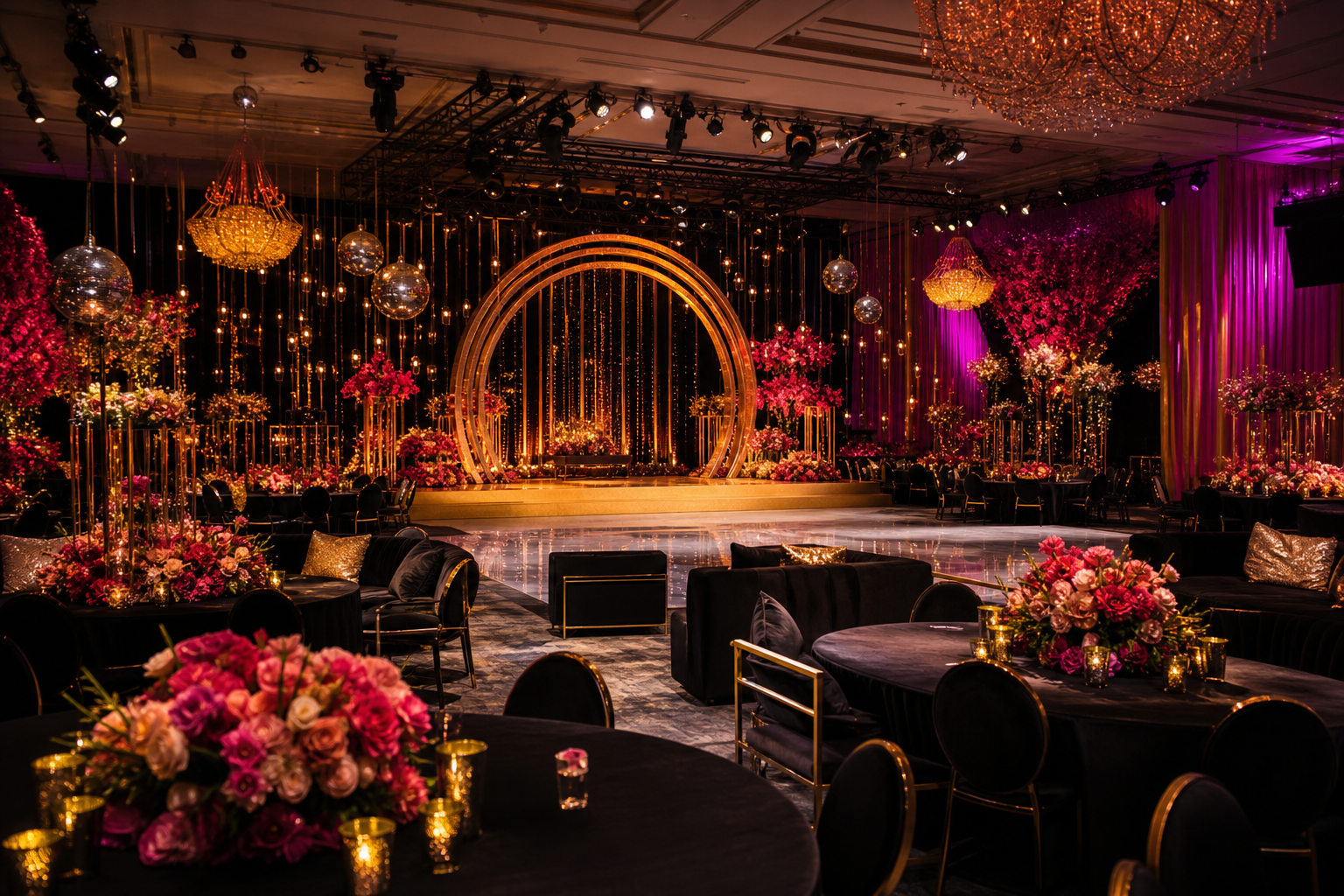
Sangeet night planning in London: decisions, timelines, and a no-stress checklist
A sangeet is where the wedding’s heart beats loudest—songs, skits, and dance set the tone for the days ahead. If you’re tackling sangeet night planning in London, you’re balancing cultural tradition with a modern city backdrop, diverse venues, and a lively guest list. This guide distills the big decisions, timelines, and a practical checklist so you can shape an evening that moves smoothly and feels unmistakably yours.
Define your vision and set the guardrails
Before you compare venues or playlists, clarify the feel of the night and key boundaries. A few decisions upfront will simplify every choice that follows.
- Format: Do you want an open-mic, talent-show vibe or a tightly produced stage program with MCs, cues, and transitions?
- Scale: Intimate (under 100), mid-size (100–250), or large (250+). Headcount informs venue capacity, staging width, and audio needs.
- Cultural blend: Traditional folk, Bollywood hits, Garba/Raas segments, or a fusion with Western pop. Align music with family expectations and your personal taste.
- Energy curve: Decide how you want the evening to rise—welcome, icebreaker, family acts, a headline performance, then an open dance floor.
- Non-negotiables: Examples include a parents’ song, a best-friends’ medley, or a couple’s dance. Lock these in first.
- Comfort priorities: Seating for elders, nursing/quiet space, or step-free access. Make these part of your venue and layout brief.
Choose a venue that fits the program
When your night is performance-led, the right space goes beyond aesthetics. As you evaluate London venues, bring a performance and flow lens to every walkthrough.
- Stage footprint and sightlines: A clear front area that comfortably fits group choreography (often 6–10 dancers at once) and keeps sightlines open from most seats.
- Ceiling height: Enough clearance for lighting trees, truss, or hanging décor elements without impeding dancers.
- Green room and warm-up space: A behind-the-scenes area for outfit changes and pre-show run-throughs.
- Load-in access: Ask how bands, DJs, and décor teams bring gear in and out; check lift sizes, door widths, and time windows.
- Sound considerations: Discuss house systems versus external PA, subwoofers for dance energy, and microphone needs for MCs and singers.
- Dance floor: Define the size, placement, and whether it remains open all night or only after the stage program.
- Catering layout: Ensure bars and food stations don’t block pathways to the stage or create guest bottlenecks.
Tip: Bring a simple scale drawing or tape out measurements during a site visit. Visualizing stage, dance floor, and guest flow on the spot can prevent late changes.
Shape the music and program flow
Music is the sangeet’s engine. Plan for energy curves and quick transitions so the room never stalls.
- Opening 15 minutes: Set the tone with a warm welcome track, ambient lighting, and a short icebreaker segment or emcee intro.
- Family and friends’ acts: Group similar energy together (e.g., back-to-back upbeat medleys), and intersperse with brief emcee moments to reset the crowd.
- Headline moment: The couple’s dance or a special performance should land after momentum builds but before attention wanes.
- Open dance floor: Transition immediately from a high-energy act into the first public track; avoid long speeches right before the dance floor opens.
- Playlists and cues: Provide timed playlists, version notes (clean edits, lengths), and backups on separate devices.
Balance live and recorded elements. A live singer or dhol player can lift atmosphere; a DJ ensures continuity and on-the-fly read of the room. If using both, align tempos and key tracks during tech rehearsal.
Choreography, rehearsals, and stress-proofing
Family-led acts are a sangeet hallmark—and a planning hotspot. Protect everyone’s time and confidence with light structure.
- Keep pieces tight: Aim for 90 seconds to 3 minutes per act. Shorter sets keep energy high and transitions swift.
- Unify styles: Share a master BPM/tempo range if you want seamless medleys and smoother DJ mixing.
- Central files: Store all tracks and final edits in a shared folder with clear naming: “Act-03_Bridesmaids_Medley_FINAL_100bpm.mp3”.
- Video run-throughs: Ask each group for a phone video of their routine. It helps your emcee set expectations and your AV team focus cameras and lights.
- Stage map: Mark entry/exit sides and standing positions. Print a one-page diagram for each act.
- Dress rehearsal: Even 30 minutes on site helps normalize nerves, mic checks, and spacing.
Décor, lighting, and a camera-friendly stage
Your guests enjoy the show live; your photos and videos retell the story for years. Design with both in mind.
- Backdrop: Choose textures and colors that separate performers from the background and avoid visual noise behind their faces.
- Lighting layers: Combine a warm stage wash, side light for depth, and gentle backlight to outline movement. Keep uplights off faces.
- Sightline-aware décor: Flank the stage with florals or arches instead of blocking the center with tall pieces.
- Seating plan: Reserve front rows for elders and immediate family; use low-profile tables near the stage.
- Flooring: If installing a dance floor, check finish for traction. Cue maintenance for quick sweeps if confetti or petals are used.
- Signage: Simple cue cards backstage and minimalistic program boards up front help guests follow the flow without clutter.
Food timing and guest experience
Hungry guests don’t dance. Match catering cadence to your show arc so people remain energized and engaged.
- Arrival snacks: Quick bites at the entrance or passed canapés keep early arrivals happy while the room fills.
- Hydration: Water stations near the dance floor and backstage for performers.
- Main service window: Start after a mid-program peak or just before opening the dance floor, not during signature acts.
- Dietary visibility: Clear, large labels for vegetarian, vegan, or allergen-friendly options.
- Late-night boost: Consider a quick refuel (tea, coffee, dessert bites) to sustain the final hour.
Layer small hospitality touches—shawls for chilly guests, simple kids’ packs near family tables, and a quiet corner for elders—to make the evening welcoming for all ages.
AV, sound checks, and a clean run of show
Strong audio and smooth transitions make the difference between “fun” and “unforgettable.” Treat your run of show as a mini production schedule.
- Inputs and mics: Confirm how many wireless mics, instrument lines, and backups are needed. Label each mic for fast handoffs.
- Playback plan: Keep primary audio from a dedicated device in airplane mode, with a separate backup device ready to plug in.
- Cue sheets: For each act, list track start/stop times, lighting mood, and any special effects.
- Stage manager: One point person calls acts to the wings two numbers early and monitors timing.
- Changeovers: Pre-stage the next group while the current performance ends to shrink dead air.
- Sound check: Walk the room during rehearsal to balance volume for front, middle, and back seating areas.
Programming ideas that keep momentum
Blend predictability (so guests know what’s next) with surprise (so energy pops). Consider a few of these modular elements.
- Welcome procession: A brief dhol-led entrance for the couple to ignite the room.
- Generations medley: Elders choose a classic; cousins counter with a modern remix.
- Couple’s story in three songs: Meet, milestone, proposal—narrated by the emcee between clips.
- Friendly dance-off: Two families trade 30-second routines. Keep it playful and short.
- Open dance launch: Teach a simple hook step to everyone in 60 seconds, then drop the first floor-filler.
Run-of-show template (customize to your evening)
Use this as a starting point and adapt to your preferences and venue constraints.
- Doors open + welcome tracks (30 min)
- Emcee intro + couple entrance (10 min)
- Family/friends performances block 1 (30–40 min)
- Interactive moment or skit (10 min)
- Short break + starter service (15–20 min)
- Headline performance: couple’s dance or special act (10–12 min)
- Family/friends performances block 2 (20–30 min)
- Main service window (30–40 min)
- Open dance floor launch + live element (dhol/singer) (5–10 min)
- Open dance floor continues with DJ (60–90 min)
- Late-night bites + soft landing track (10 min)
Timeline and checklist
Every family, venue, and schedule is different. The pacing below is a practical baseline—adjust to match how quickly decisions can be made and who’s involved.
12–16 weeks out
- Define vision, scale, and must-have moments.
- Shortlist and secure venue; pencil in rehearsal time.
- Confirm core music direction and DJ/live elements.
- Invite families/friends to create acts; share time limits.
8–10 weeks out
- Lock staging concept, décor mood board, and lighting approach.
- Draft preliminary run of show with act order placeholders.
- Start choreography; set weekly check-ins for each group.
- Coordinate with caterer on service windows and layout.
4–6 weeks out
- Collect near-final music cuts; standardize file formats.
- Confirm equipment list (mics, PA, monitors) and power access.
- Finalize seating plan and guest comfort provisions.
- Send logistics sheet to performers (arrival times, green room, stage map).
2–3 weeks out
- Lock program order and exact act durations.
- Prepare cue sheets for AV and lighting.
- Collect costume details for lighting color balance.
- Walkthrough call with venue on load-in/out, storage, and access times.
Week of event
- Hold on-site tech rehearsal; adjust levels and spacing.
- Print run-of-show packs, stage map, and contact list.
- Distribute arrival windows and WhatsApp group links to all performers.
- Pack an emergency kit (safety pins, fashion tape, spare chargers, gaffer tape).
Show day
- Load-in and sound check complete before décor installation on stage areas.
- Stage manager briefs performers; emcee reviews names and intros.
- Set water stations backstage; confirm safe cable runs and taped edges.
- Begin on time; protect the headline moment from delays.
Common pitfalls and how to avoid them
- Overlong program: Cap total stage time and keep acts tight to protect energy.
- Dead air: Pre-stage the next group and keep filler tracks ready for quick covers.
- Unclear tech needs: Inventory mics, inputs, and stands early; label everything.
- Blocked sightlines: Keep tall décor off center stage; seat kids and elders where views are best.
- Mismatched lighting: Test costumes and skin tones under stage lights; reduce harsh uplighting on faces.
- Food timing clashes: Avoid main service during key acts or right before you plan to open the dance floor.
FAQ
How long should a sangeet stage program run before opening the dance floor?
A concise, engaging stage program often lands well between 60 and 90 minutes total, split into two blocks with a short break or interactive moment in between. This length showcases family performances while preserving excitement for an open dance floor.
What’s the best way to keep transitions fast between acts?
Use a stage manager, pre-cue the next group, and minimize reconfiguration between performances. Keep filler tracks ready, set common lighting looks, and ask performers to provide a single continuous audio file per act if they’re using a medley.