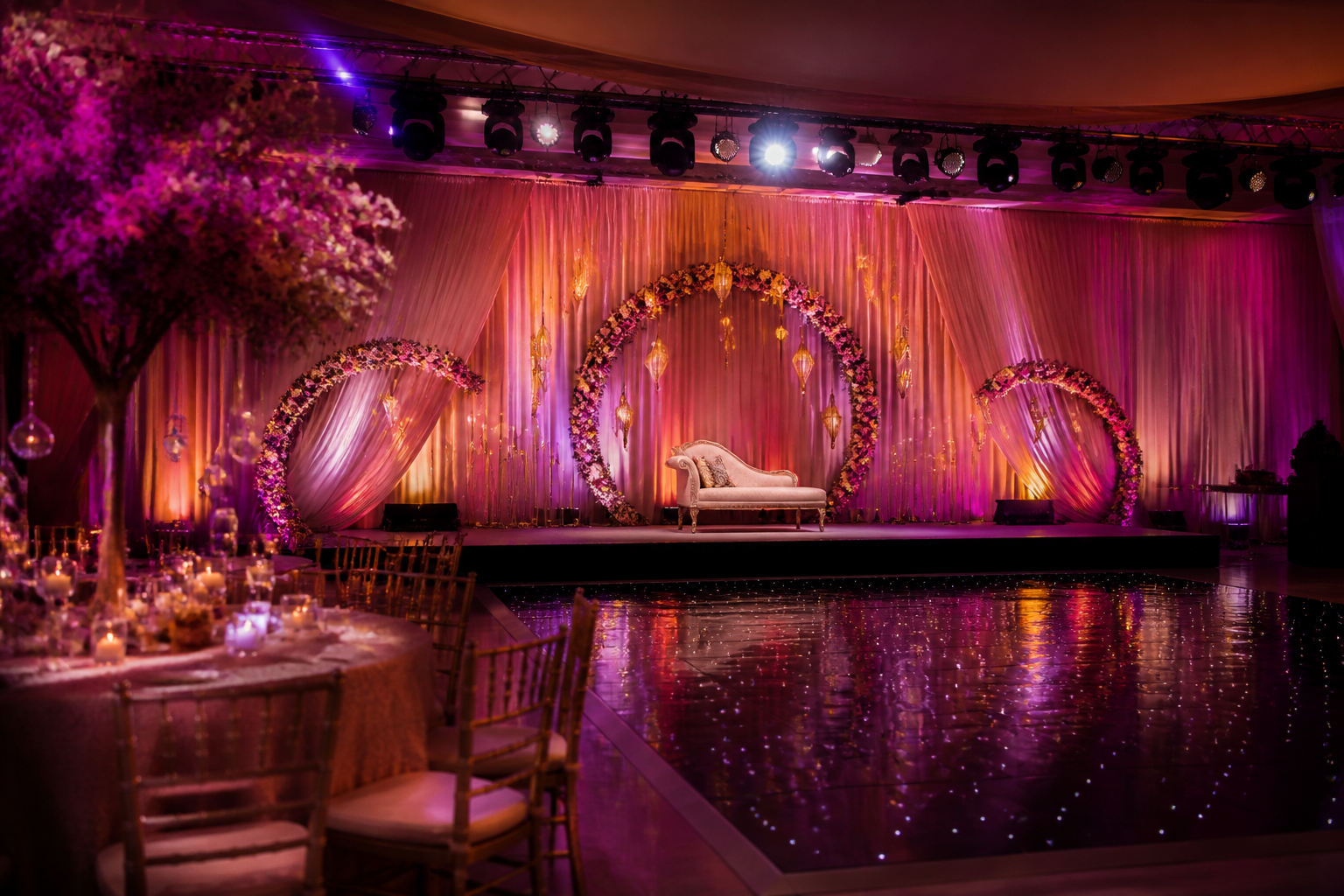
Sangeet night planning in Harrow: timeline, décor, music, and logistics checklist
Sangeet is the heartbeat of many South Asian wedding journeys—an evening where families meet on the dance floor, stories are shared through performances, and excitement builds for the days ahead. If you’re tackling sangeet night planning in Harrow, a clear framework will help you translate inspiration into a smooth, joy‑filled event that reflects your family’s traditions and personality. This article walks through a practical timeline, decisions to make early, how to shape your program, and the logistics that protect your vision on the day.
Set your vision and guest list
Start by aligning on what you want your sangeet to feel like. The format can range from an intimate mehfil‑style evening of songs and storytelling to a full dance‑forward party with rehearsed family performances, a live band or DJ, and open dance time. Clarifying this vision early will guide every other choice—from venue size to staging, lighting, and flow.
- Guest profile: Are you inviting primarily close family and the wedding party or a broader circle of friends and community?
- Atmosphere: Cozy, lounge‑style seating and acoustic sets—or high‑energy, club‑style lighting with a central dance floor?
- Traditions: Consider segments like welcome aarti, couple’s entry, garba/raas, dandiya, medley performances, games, and special dedications.
- Accessibility and comfort: Provide clear wayfinding, seating for elders, and space for prams or wheelchairs where needed.
Build a practical planning timeline
Use this high‑level timeline as a starting point and adjust to your wedding week schedule, vendor availability, and rehearsal needs.
- 12–9 months out: Align on budget ranges, estimated headcount, and short‑list potential venues that fit your preferred capacity and layout. Start a mood board for décor and styling.
- 9–6 months out: Confirm date and venue hold. Research and speak with DJs/bands, choreographers, MCs, and décor/styling teams. Identify key performers among family and friends.
- 6–4 months out: Lock in music, sound/lighting, and décor partners. Outline the run of show with approximate durations for each segment. Begin choreography and performance rehearsals.
- 4–2 months out: Finalize menu approach with your chosen caterer or venue (including dietary notes). Confirm stage size, dance floor, and AV requirements. Plan guest communications.
- 2–3 weeks out: Collect final performance tracks, emcee notes, and cue sheets. Share a consolidated timeline with all vendors and the wedding party.
- Event week: Conduct a technical run‑through if possible. Reconfirm delivery windows, access details, and on‑the‑day contacts.
Choose a venue layout that serves your program
Great sangeet experiences come from layouts that make it easy to watch, participate, and move. Prioritize sightlines and circulation while keeping elders and children comfortable.
- Stage and dance floor: A slightly raised stage helps visibility for speeches and performances; position the dance floor centrally to encourage participation.
- Seating plan: Combine banquet rounds (for dinner and conversation) with lounge clusters near the dance floor for energy and flexibility.
- Flow zones: Keep clear paths between entry, stage, bar, and dining to avoid bottlenecks. Place photo ops and guestbook moments where queues won’t block service routes.
- Green room: Reserve a small area for performers to warm up and store props/costumes.
- Accessibility: Ensure ramp or lift access where needed and reserve seating with good visibility for elders.
Craft a balanced run of show
A well‑paced program keeps guests engaged while leaving breathing room for mingling and dance. Consider this structure as a template you can adapt:
- Guest arrivals and welcome (30–45 minutes): Light music, live acoustic set, or instrumental background to set the mood.
- Couple’s entry (10 minutes): A dedicated entrance with a favorite track, sparklers or petals (venue‑approved), and a brief welcome from parents or emcee.
- Family and friends performances (60–90 minutes): Mix solos, duets, and group medleys. Keep sets to 3–5 minutes each and group by family or theme for momentum.
- Interactive segment (15–20 minutes): Couple’s game, dance‑off, or a dedication circle to involve the wider guest list.
- Open dance + dinner service (90–120 minutes): Alternate mini dance sets with food service peaks so guests can enjoy both without long waits.
- Closing moments (10 minutes): Thank‑yous, a final song, or a short teaser for the wedding day to leave guests excited.
Music, DJ/band, and sound
Music is the engine of a sangeet. Whether you prefer a live band, DJ, or a hybrid approach, lock in these essentials early.
- Playlist plan: Balance golden classics with contemporary hits across Bollywood, Tollywood, Punjabi, Gujarati garba/raas, and global dance tracks.
- Performance audio: Collect final, high‑quality MP3/WAV files, labeled with performance order and cue points. Share backups on a USB and cloud link.
- Microphones: Provide handhelds for emcee/speeches, headsets or lapels for choreographed acts if needed, and a spare for unplanned dedications.
- Speakers and subs: Scale to room size and guest count; confirm positioning to avoid feedback and dead zones.
- Lighting: Programmed scenes for entries and performances lift energy. Add wash lighting to flatter skin tones and spotlights for the stage.
Décor, styling, and ambience
Define a cohesive look that feels festive and photogenic while supporting your program’s movement.
- Theme and palette: Options include royal jewel tones, pastel garden party, desert sunset, or a monochrome glam look. Carry the palette through linens, florals, and lighting gels.
- Backdrops and stage: Layered fabrics, textured panels, or floral frames create depth for performances and photos.
- Tablescapes: Consider low centerpieces for clear sightlines, with candles or LEDs for warmth. Number tables in a high‑contrast style for easy wayfinding.
- Photo corners: A single well‑placed feature wall can reduce crowding and deliver consistent photo quality.
- Practical magic: Use battery candles in high‑traffic areas, stable stands for props, and tap‑down cables for safety.
Food, beverage, and service flow
Food should match the energy of the evening and respect dietary preferences. Consider pacing service so guests can enjoy both performances and plates.
- Menu shape: Live stations, passed canapés, or a seated/plated segment—choose a style that suits your audience and program length.
- Dietary clarity: Label vegetarian, vegan, Jain, halal, dairy‑free, nut‑free, and gluten‑free options clearly.
- Service timing: Coordinate with the emcee and DJ so food peaks occur between performance blocks and not during speeches or key dances.
- Hydration and non‑alcoholic focus: Position water and signature mocktails where guests enter the dance area to keep energy up.
Choreography, rehearsals, and guest engagement
Performances are a highlight, and light structure keeps them delightful rather than drawn‑out.
- Set lengths: Aim for 3–5 minutes per act. If you have many groups, create two curated blocks split by a short interactive game.
- Rehearsal rhythm: Agree on two to three key rehearsals and one technical check with audio cues and entrances if the venue permits.
- Inclusive moments: Teach a simple garba step or a dandiya sequence to open the dance floor to all ages.
- MC brief: Provide pronunciations, relationships to the couple, and one fun line per act to personalize intros without overruns.
Logistics that protect your vision
Even the most beautiful concept needs strong logistics. Consolidate details in one master plan shared with everyone involved.
- Run of show: Minute‑by‑minute schedule with who, what, where, and cues for sound/light.
- Contact sheet: On‑the‑day mobile numbers for key family members, vendors, venue coordinator, and emcee/DJ.
- Floor plan pack: Final layout with stage specs, dance floor dimensions, seating zones, bars, buffets, and emergency exits.
- Deliveries and access: Define earliest access times, load‑in routes, lift dimensions, and any noise or setup windows communicated by the venue.
- Power and AV: Confirm available power points, distribution, and any additional requirements for lighting, video walls, or live acts.
- Contingencies: Spare cables, extra mics, extension leads, gaffer tape, sewing kit, safety pins, stain wipes, and a printed cue pack.
Budget basics without sticker shock
Create ranges rather than single numbers so you can adjust across categories as decisions evolve.
- Big anchors: Venue, production (sound/light/stage), music/DJ or band, décor/styling, catering.
- High‑impact accents: Entry moment, photo backdrop, dance floor design, feature lighting.
- Hidden lines: Extra setup hours, extended entertainment time, power distribution, late‑night snacks, and next‑day collections.
- Buffer: Hold a contingency percentage for last‑mile needs or guest count shifts.
Coordination with the wedding week
Your sangeet doesn’t stand alone—fit it into the overall rhythm of your celebrations.
- Energy management: Keep program lengths realistic for performers and elders, especially if other rituals are scheduled nearby.
- Look continuity: Reuse florals or staging elements across events where it makes sense to do so.
- Content capture: Share the run of show with your photo/video teams so they can anticipate the high‑emotion beats.
- Next‑day reset: Plan collections and returns to minimize disruption to subsequent ceremonies.
Checklist: print and share
Use this short‑form checklist to align your team and vendors. Add timing details and initials next to each item for ownership.
- Vision defined: vibe, guest count, traditions to include
- Venue booked: layout confirmed, access windows, load‑in/out routes
- Vendors secured: DJ/band, sound/lighting, décor/styling, photo/video, catering
- Run of show: entries, performance order, speeches, games, open dance
- Audio assets: final tracks labeled, backup copies ready
- Stage + dance floor: sizes, positioning, and lighting scenes agreed
- Seating and tablescapes: sightlines protected, numbers visible
- Menu and labels: dietary notes prepared and displayed
- MC brief: pronunciations, bios, and key lines
- Contact sheet: all on‑the‑day numbers consolidated
- Contingency kit: tools, spares, and quick‑fix items packed
FAQ: sangeet night planning in Harrow
How long should a sangeet program run before open dancing?
Most guests enjoy 60–90 minutes of curated performances broken into two blocks, followed by a generous open dance segment. Keep individual acts to 3–5 minutes and intersperse short emcee moments so the pace stays lively.
What’s the difference between sangeet and mehndi—can they be combined?
Sangeet centers on music and dance with family performances and crowd‑energy moments. Mehndi focuses on henna application and can feel more relaxed and conversational. Some families host them on separate days; others blend select elements. If combining, keep the program light so guests can enjoy both activities comfortably.
What should the emcee prepare in advance?
Pronunciations of names, relationships to the couple, brief intros for each act, clear timing cues, and two to three interactive prompts for audience engagement. Provide the emcee with the final run of show and contact details for the production lead.