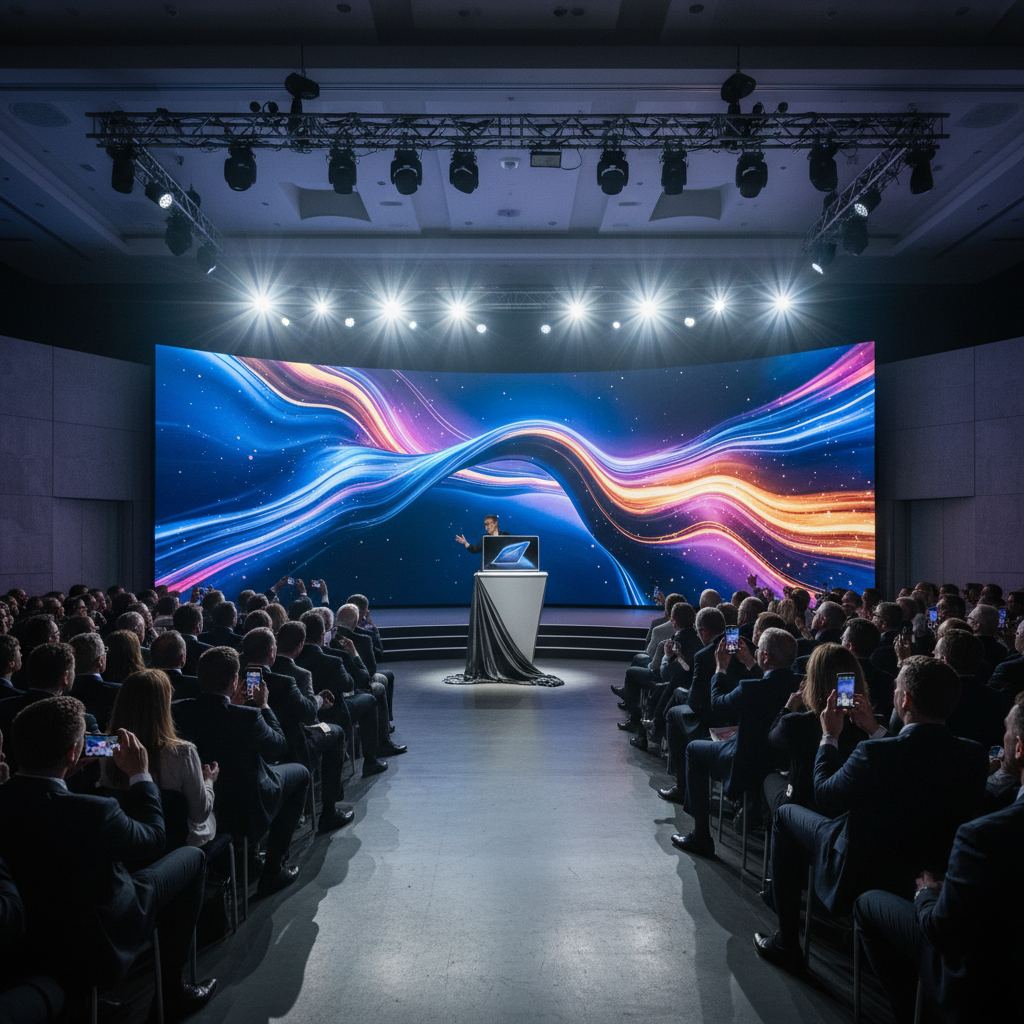
Product launch event mistakes are preventable missteps that derail brand impact, earned media, and early sales—typically stemming from unclear messaging, untested AV, or thin stage management. From our base in HA3 0PB at Abercorn Garden, Patel Events helps Greater London teams avoid these pitfalls through rehearsal-first planning and disciplined run-of-show control.
By Patel Events • Last updated: 2026-05-20
Quick Summary & Table of Contents
Avoid launch-day risk by locking a single message house, stress-testing AV, and rehearsing presenters on the real stage. In HA3 0PB and across Greater London, we engineer clean reveals using a master production workbook, contingency plans, and precise cue-calling. Use this guide to audit your plan, fix gaps, and launch confidently.
- What a modern product launch event includes
- Why mistakes matter for brand trust and revenue momentum
- How a launch works: step-by-step process
- Formats and their specific risk profiles
- 15 common product launch event mistakes to avoid
- Best-practice playbook and tools
- Mini case studies from London, Leicester, Kent, and Tooting
- FAQ, key takeaways, and next steps
Local considerations for HA3 0PB
- Time guest arrivals around evening rush near Preston Road Station; add 20–30 minutes to check-in windows to avoid late keynotes.
- Winter sunsets change photo lighting; book indoor reveal lighting or schedule golden-hour shots in Greater London for natural warmth.
- Near Northwick Park station, secure crew load-in bays early and stagger vendor call times to prevent back-of-house bottlenecks.
What Is a Product Launch Event?
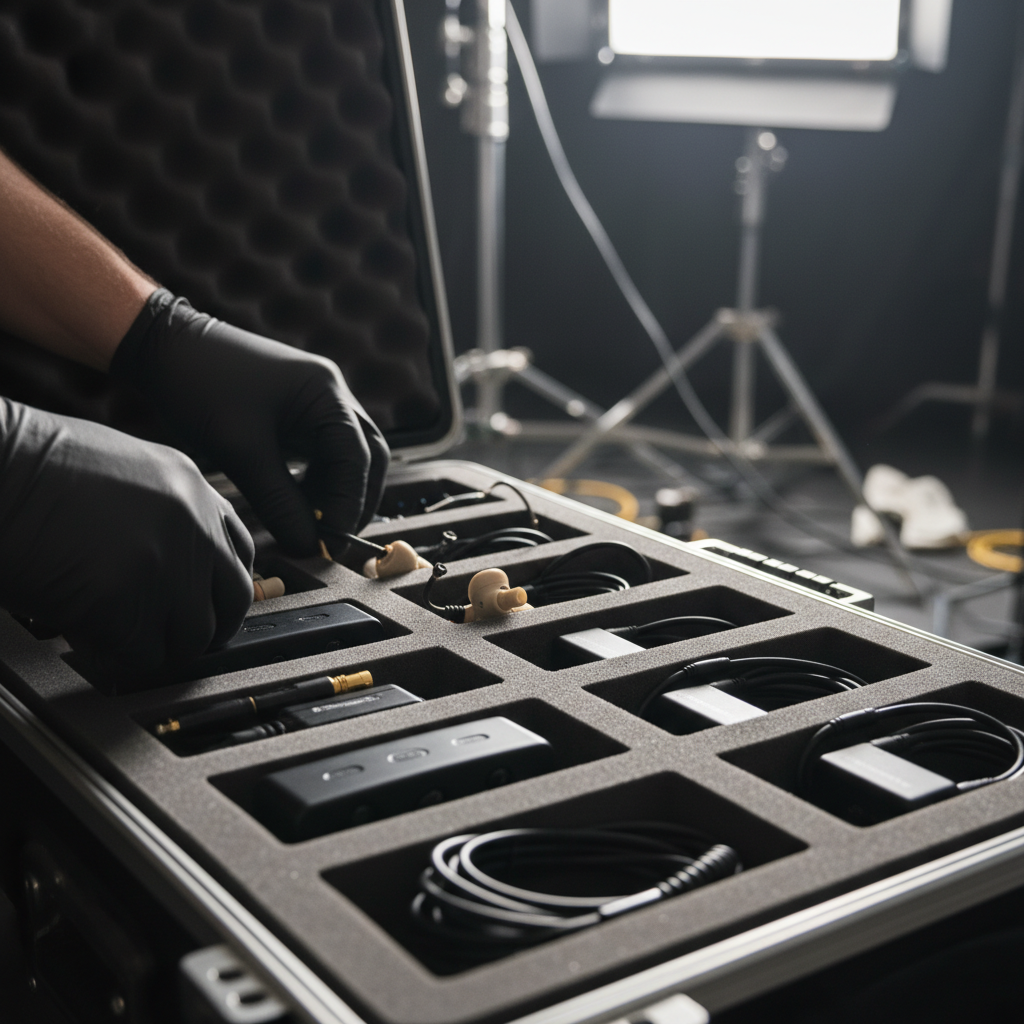
A product launch event is a staged moment to reveal a new product to press, customers, partners, and influencers. It combines a clear narrative, striking visuals, and a proof-driven demo to spark coverage and demand. Success requires message discipline, flawless production, and post-event follow-through.
A high-performing launch answers three questions without friction: What’s new? Why does it matter now? How does it work? That means a tight keynote, a crisp demo, and assets ready for immediate sharing. In our experience, even a 30–45 second delay during the reveal cuts applause energy and shortens media clips.
- Essential components: message house (3–5 key points), reveal sequence, live demo or product film, press kit, and a next-step CTA.
- Audiences: journalists, influencers, customers, partners, investors, and internal teams who need enablement immediately after.
- Measurable signals: on-time start, error-free AV, engagement rates during the keynote, and post-event actions (sign-ups, trials, partner meetings).
For corporate teams in London and across the UK, Patel Events handles the full arc—from creative development to run-of-show calling—so your presenters stay energized and focused on the product story, not the clip-on mic.
Why Product Launch Mistakes Matter
Launch mistakes depress trust, press pickup, and social amplification. Small glitches compound into bigger perception issues: a missed cue becomes a shaky demo, which becomes a headline about failure. Getting day one right drives a flywheel; getting it wrong forces costly damage control.
Here’s the thing: perception scales faster than corrections. A single unresponsive demo or dimly lit reveal can live on in 10-second clips. We’ve found that when brands invest in early AV integration and a full-fidelity rehearsal, presenter confidence rises, and error rates drop significantly. Create a simple goal: zero surprises, maximum story clarity.
- Compounding effect: one tech hitch steals focus from benefits; two hitches shift the room into skepticism; three hitches become the story.
- Time-to-coverage: if your press assets aren’t ready within minutes, your competitors and commentators will shape the narrative first.
- Momentum window: the first 48 hours matter most for top-of-funnel buzz; plan your content calendar to saturate that window with proof points.
How a Product Launch Works: Step-by-Step
A reliable launch follows seven beats: narrative, assets, venue, run-of-show, technical design, rehearsals, and go-live. Assign one owner per beat, document decisions, and stress-test demos under real conditions. Stage management keeps the show on rails when the room goes live.
Seven-beat production arc
- Narrative & KPIs: Align on positioning, 3–5 proof points, and a measurable goal (e.g., demo requests). Capture in a one-page brief.
- Assets: Build the keynote, demo script, sizzle film, and press kit. Lock versioning with timestamps and a file-naming convention.
- Venue & staging: Confirm power, rigging, sightlines, and accessibility. Pre-plot camera positions and VIP routes.
- Run-of-show: Create a minute-by-minute with cues, handoffs, and contingencies. Add a 2:1 buffer to transitions.
- Technical design: Specify audio, lighting, screens, playback, comms, and redundancy. Map a color-coded patch list.
- Rehearsals: Block speakers, test demos, and run show-length rehearsals. Time the walk-on; optimize mic handoffs.
- Go-live & capture: Call cues, monitor social, and route media to press immediately; schedule next-day follow-ups.
Process table: owners, risks, artifacts
| Phase | Primary owner | Typical time | Top risks mitigated | Core artifacts |
|---|---|---|---|---|
| Narrative | CMO/Product Lead | 1–2 weeks | Mixed positioning, off-message quotes | Message house, FAQ, press angles |
| Assets | Creative/Agency | 2–4 weeks | Inconsistent visuals, missing media | Keynote deck, demo script, film, stills |
| Venue & staging | Event Producer | 2–3 weeks | Power limits, blocked sightlines | CAD plot, lighting plan, camera map |
| Run-of-show | Show Caller | 1 week | Late handoffs, dead air | Minute-by-minute, cue sheet, comms map |
| Technical design | Technical Director | 1–2 weeks | Audio dropouts, playback fails | Patch list, redundancy plan, test script |
| Rehearsals | Stage Manager | 1–2 days | Presenter nerves, timing drift | Blocking notes, timing logs, backup cues |
| Go-live | Show Caller | Event day | Off-cue reveals, missed capture | Run sheet, comms, media routing plan |
Tip: Use a simple RACI across workstreams (Responsible, Accountable, Consulted, Informed). For example, Tech Director is Accountable for audio; Show Caller is Responsible for cue timing; PR is Consulted for press handoffs; leadership is Informed at gates.
Types/Methods/Approaches: Choosing the Right Launch Format
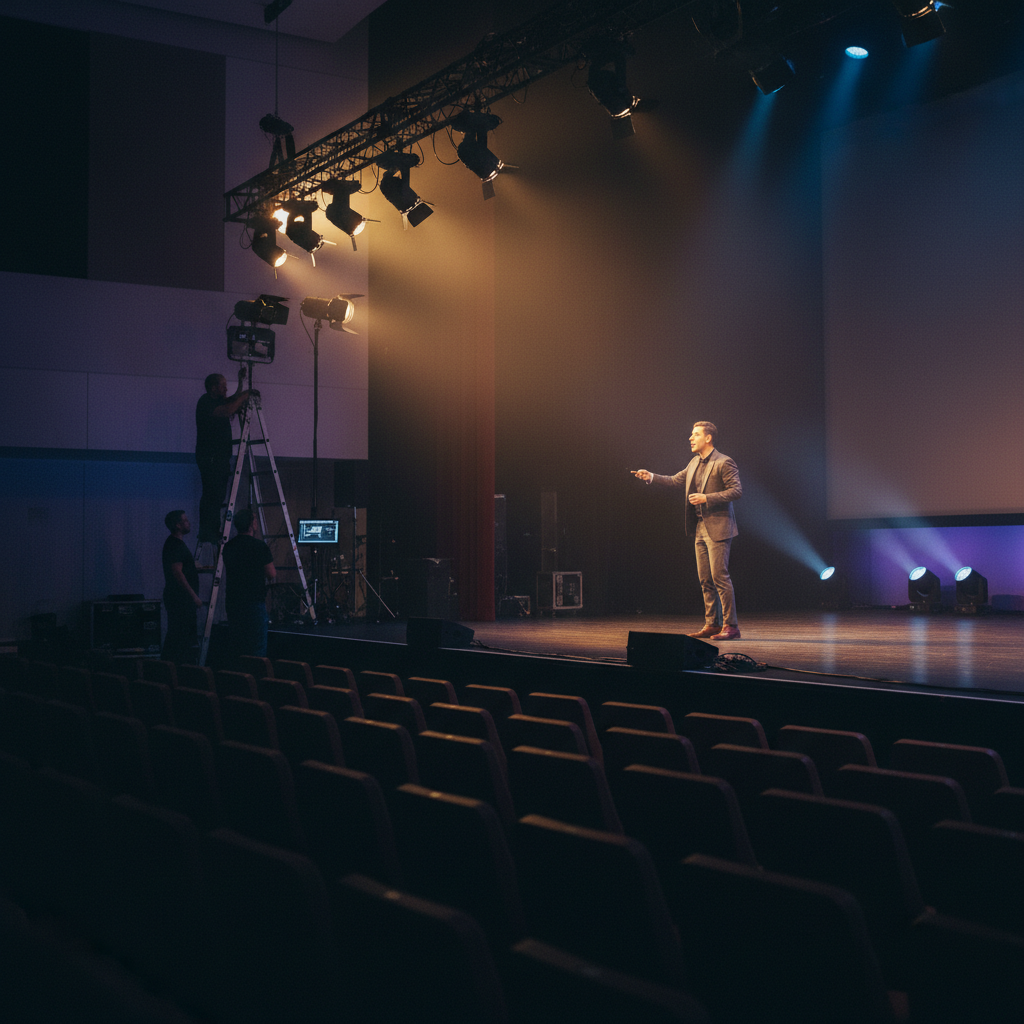
Choose format by audience and story, then tailor QA. Live keynotes inspire but raise production complexity; hybrid adds stream failure modes; media-only briefings reduce AV risk but demand airtight assets. Match format to objectives, then engineer contingencies per failure mode.
Common formats and risk hotspots
- Live keynote + demo: Highest excitement and scrutiny; mitigate with redundant playback and a demo “kill switch.”
- Media preview: Lower AV load; success depends on rock-solid assets and hands-on experience zones.
- Hybrid broadcast: Adds encoder, bandwidth, and platform risk; rehearse stream failovers and add a backup uplink.
- Roadshow/pop-up: Repetition helps polish delivery; standardize kits and label cases for fast resets.
- Influencer-first: Content velocity wins; curate shot lists, set lighting looks, and pre-clear story angles.
Format comparison table
| Format | Primary objective | Main risks | Key mitigations |
|---|---|---|---|
| Live keynote | Emotional impact | AV hitches, demo drift | Full-fidelity rehearsal, redundant playback, stage manager |
| Media preview | Press coverage | Thin story, missing assets | Message house, press kit, onsite product experts |
| Hybrid | Reach + intimacy | Stream failure, latency | Backup encoder/uplink, pre-roll slate, chat moderation plan |
| Roadshow | Hands-on trials | Inconsistent setups | Standardized kits, laminated SOPs, site surveys |
15 Product Launch Event Mistakes to Avoid
The most common launch errors are unclear messaging, late AV testing, weak or risky demos, and missing stage management. Fix them with a message house, technical rehearsals, backups for every critical cue, and a show caller who owns the timeline.
Messaging and content
- No single message house: Without 3–5 agreed points, speakers wander. Publish a one-pager and insist on quote discipline.
- Overlong keynote: After 18–22 minutes, attention drops. Keep segments bite-sized and punctuate with visuals.
- Last-minute content swaps: Version drift creates playback errors. Freeze content 48 hours prior and route any change via show caller.
Technical and staging
- Untested demo paths: Demos fail in new venues. Build a sandbox and stress-test under live network and power conditions.
- Underpowered audio/lighting: If guests can’t see or hear, the reveal underwhelms. Confirm lux levels and mic patterns in situ.
- No redundancy: Single-point failures sink reveals. Add backup playback, spare mics, and dual power feeds where possible.
People and logistics
- Unassigned decision rights: Debates at T–15 wreak havoc. Create a RACI and empower the show caller to make final calls.
- Thin stage management: Without a dedicated caller, cues slip. Assign a stage manager separate from the emcee or producer.
- VIP gaps: Missed greenroom cues or transport delays derail sequencing. Give VIPs buffers and a single handler.
Media and follow-through
- Missing press assets: If media kits aren’t immediate, pickup lags. Prepare stills, b-roll, factsheets, and quotes in advance.
- Neglecting influencers: Creators need time, light, and angles. Build content bays and pre-approve shot lists.
- No capture plan: Without a capture grid, you lose the best moments. Assign camera roles and create same-day edits.
Risk and compliance
- Safety oversight: Pyro, fog, or drones require approvals. Loop compliance early and brief the crew.
- Accessibility gaps: Overlooked aisles or captions alienate guests. Map ADA-friendly routes and enable live captioning.
- Weather blind spots: Outdoor reveals need shelters and lighting revisions. Build rain plans and test under low temps.
Best Practices for Flawless Launches
Engineer reliability. Freeze content 48 hours before showtime, run a full show-length rehearsal, and assign a caller to own cues. Standardize kits, label everything, and maintain a single source of truth so presenters and crew execute with confidence.
- Rehearse like live: Run at full length with comms on. Time walk-ons and applause breaks to smooth pacing.
- Standardize gear: Color-code cables and label road cases for fast resets and easy troubleshooting.
- Build buffers: Add 5–10 minute cushions at major transitions. Buffers buy options when surprises occur.
- Greenroom protocol: Quiet zones, hydration, and a mic tech present. A calm presenter is a clear presenter.
- Capture-first mindset: Pre-plan b-roll, cutaways, and quotes. Publish highlights within hours, not days.
We apply the same rigor across our corporate events, conferences, and annual galas, drawing on 27+ years, 500+ events, and a vetted network of 50+ vendors to keep execution tight and on-brand.
Tools and Resources We Rely On
Operational discipline beats bravado. Use a master production workbook, run-of-show, speaker briefs, AV checklists, and a risk register. These artifacts align teams, document decisions, and make execution predictable under pressure.
- Master production workbook: Centralizes narrative, assets, and logistics with version control and change logs.
- Run-of-show (ROS): Minute-by-minute with cue owners, handoffs, and contingencies; printed and on tablets.
- Speaker briefs: One page per presenter with timing, mic type, slide triggers, and greenroom notes.
- AV checklist: Patch list, levels, backups, and comms channels. See the comprehensive Event AV checklist from Mississauga Convention Centre for structure inspiration.
- Risk register: Top 10 risks, triggers, owners, and pre-planned actions; review at each gate.
- Press kit repository: Stills, b-roll, specs, bios, and quotes in share-ready folders for rapid media routing.
- Planning checklist: Gate-by-gate tasks; compare with the corporate event planning checklist by Mississauga Convention Centre to cross-check gaps.
For campaign cadence ideas, study a documented “launch week” rhythm such as this launch week recap by Inngest; while software-focused, the sequencing principles translate well to physical events.
Patel Events produces product launches, conferences, and annual galas across London and the wider UK. We handle narrative, staging, AV integration, and stage management so your team can focus on the story and stakeholders.
Case Studies/Examples
Real launches prove the process. Across London and the UK, our shows open on time, demos run clean, and media assets route within minutes. The pattern is consistent: clear story, early AV integration, and disciplined rehearsal culture.
Fintech keynote, Central London
- Challenge: A dual-screen demo with live data, plus an investor Q&A immediately after the reveal.
- Approach: Built a “safe demo” path, mirrored playback, and a hard content freeze at T–48.
- Outcome: Clean demo delivery, confident Q&A, and rapid media circulation of pre-cleared stills.
Consumer tech showcase, Leicester
- Challenge: Tight strike-and-reset between two product families with different lighting looks.
- Approach: Color-coded cases, labeled risers, and a 7-minute buffer between reveals.
- Outcome: Smooth transitions and strong attendee dwell time at hands-on zones.
Healthcare partner roadshow, Kent
- Challenge: Consistent experience across varied venues with strict compliance rules.
- Approach: Standardized kits, laminated SOPs, and a compliance pre-brief for every site.
- Outcome: Consistent delivery and high engagement in product demo bays.
Influencer-first pop-up, Tooting
- Challenge: Maximize content velocity from a compact space with dynamic lighting.
- Approach: Pre-built shot lists, staged lighting presets, and a dedicated content concierge.
- Outcome: Fast turnaround of creator content and strong social reach within 24–48 hours.
Frequently Asked Questions
These quick answers cover the questions we hear most—timelines, rehearsals, demos, and press coordination—so your team can plan with clarity and avoid avoidable risks.
When should we lock the run-of-show?
Freeze the run-of-show 48 hours before doors, and route any change through the show caller. Earlier is better, but a T–48 freeze keeps playback, content, and comms aligned while preserving a small window for critical tweaks.
How long should rehearsals be?
Plan one full show-length rehearsal plus targeted re-blocks for walk-ons and demo sequences. Most teams benefit from 2–3 hours on stage the day before and a shorter brush-up on event morning.
What’s the safest way to run a live demo?
Create a “safe path” with pre-seeded data, a local network, and mirrored playback as a fallback. Rehearse both paths under venue power and real bandwidth so you can pivot instantly if a variable changes.
How do we prepare for press questions?
Publish a message house, align quotes with legal, and prep a one-page FAQ. Stage brief on-ramps after the keynote and route media to a staffed press desk with b-roll, stills, and bios ready to share immediately.
Key Takeaways
Great launches look effortless because they’re engineered: clear story, early AV integration, disciplined rehearsals, and a show caller who owns the timeline. Back up every critical cue and route media assets within minutes.
- Lock the narrative early and publish a one-page message house.
- Integrate AV weeks in advance; rehearse at full fidelity on the real stage.
- Freeze content at T–48 and enforce cue ownership via the show caller.
- Design for capture: pre-plan b-roll, stills, and same-day highlights.
- Give every major risk a pre-approved plan B you’ve actually tested.
Conclusion
Protect day-one momentum by eliminating preventable errors. Build a message-first plan, integrate AV early, and rehearse with intent. With disciplined show-calling and rapid media routing, you’ll avoid common pitfalls and convert attention into action.
Patel Events supports corporate launches, conferences, and annual galas across London and the wider UK. If you want an experienced team to own the details—so your leaders can own the message—let’s talk.