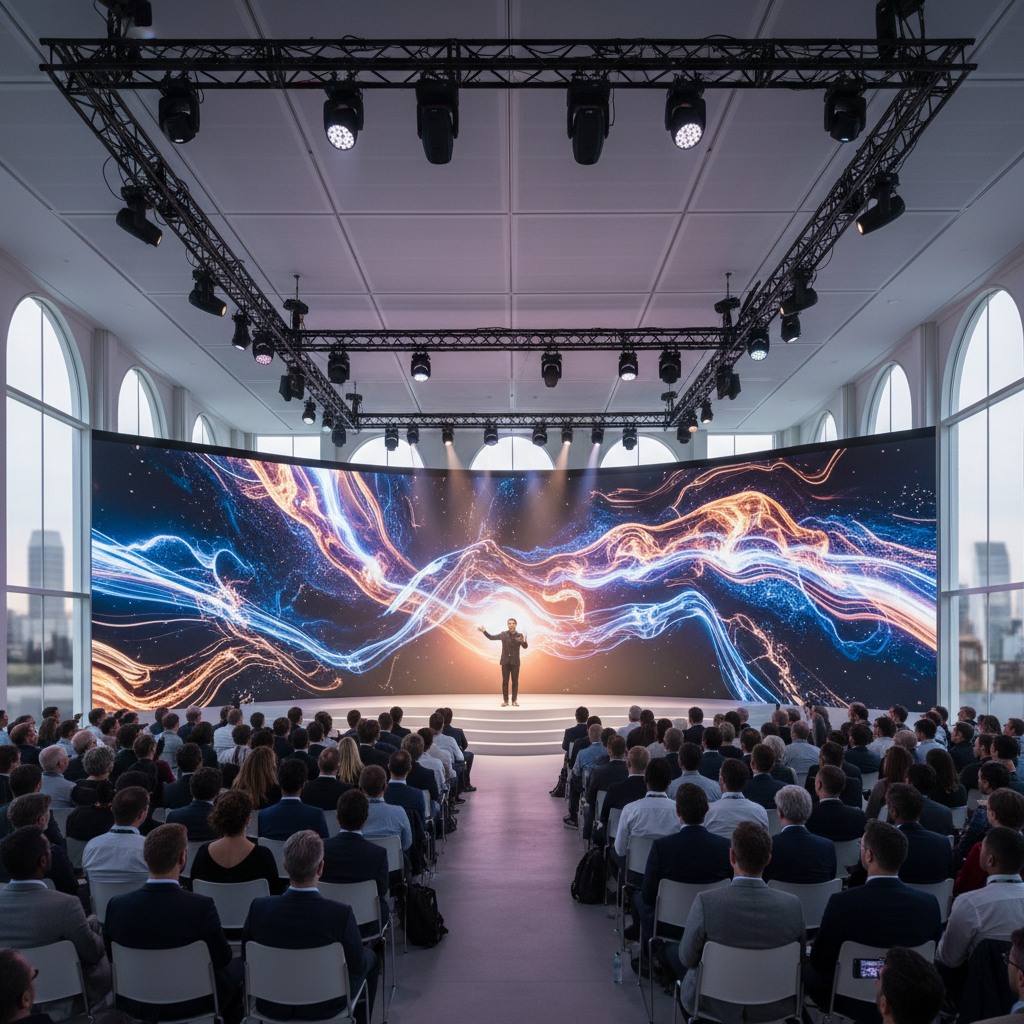
Product launch event management is the end-to-end planning, production, and execution of a launch moment that introduces a new product to market and drives demand. From our base in HA3 0PB (Greater London), Patel Events coordinates strategy, creative, logistics, and measurement so your launch lands cleanly and amplifies brand momentum.
By Shani Patel — Patel Events
Last updated: 2026-05-28
Plan Your Product Launch at a Glance
A successful launch aligns your story, audience, and experience into one tight run-of-show. Map objectives, choose the right format, lock logistics early, rehearse like live TV, and measure outcomes. This guide gives you an end-to-end roadmap grounded in Greater London operations and Patel Events’ 27+ years of production.
Here’s what you’ll find in this complete, practical guide—built for busy brand, product, and event teams.
- Clear definition of product launch event management and what it covers
- Why in-person launches still move the market in 2026
- Step-by-step planning workflow from strategy to debrief
- Formats that fit different goals: press, pop-ups, activations, previews
- Best practices, checklists, and a ready-to-use run-of-show template
- Tools we rely on for AV, guest ops, and post-event content
- Greater London and HA3 0PB logistics tips that save time
- Real-case examples from 500+ events with a 98% satisfaction rate
Overview
- Who this is for: brand managers, product leads, PR, and corporate event teams
- Timeframe: plan backward 8–12 weeks for focused city launches
- Outcomes to target: qualified media coverage, influencer content, partner enablement, and sales activation
- What is product launch management?
- Why launch events matter
- How it works: step-by-step
- Formats and when to use them
- Best practices
- Tools and resources
- Case studies and examples
- Local logistics in Greater London
- FAQ
- Conclusion and next steps
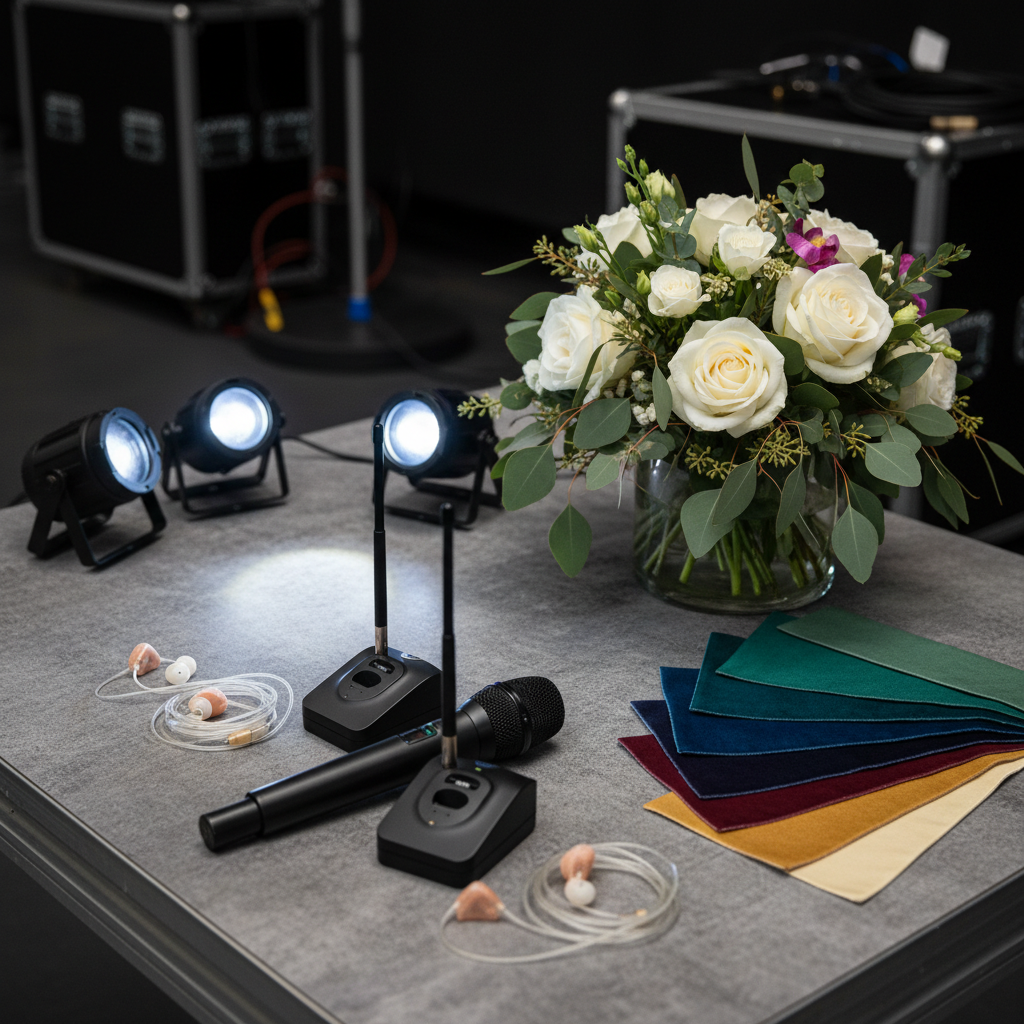
What Is Product Launch Event Management?
Product launch event management is the professional planning, production, and on-site control of a live experience that debuts a product. It spans strategy, venue, AV, stagecraft, guest operations, content capture, and post-launch measurement—executed as a single, cohesive show that advances go-to-market goals.
Think of launch management as a cross-functional sprint. It connects product marketing, PR, sales enablement, partners, and customer experience into one moment. Done well, the event becomes the story engine—feeding earned media, social proof, and sales collateral for weeks.
- Scope: strategy, creative, logistics, risk management, technical direction, rehearsals, live showcalling, vendor orchestration, backstage ops, media staging, and analytics.
- Outputs: clear narrative, high-impact reveal, smooth guest journey, broadcast-quality content, and measurable pipeline signals.
- Patel Events advantage: 27+ years, 500+ productions, 50+ vetted vendors, and deep stagecraft learned across weddings, galas, and corporate shows.
In our experience, treating the launch as a TV broadcast raises the bar. That mindset tightens timing, improves transitions, and prevents surprises. It also simplifies decision-making: the audience sees and feels only what advances the story.
Why Product Launch Events Matter
Launch events create concentrated attention and credibility. They synchronize product story, brand, and community in a single moment—generating media, influencer content, and partner momentum faster than asynchronous campaigns alone. The right room, reveal, and run-of-show can accelerate adoption and internal alignment.
Attention is scarce. A live reveal, even for a focused audience of 80–200, concentrates signal and sets narrative context. We’ve seen compact, high-design launches outperform larger campaigns because they convert attention into assets—photo, video, quotes, and first-hand testimonials—within 120 minutes.
- Velocity: one evening can yield weeks of cross-channel content when cinematography and social capture are planned into the run-of-show.
- Credibility: curated guest lists (media, analysts, creators, partners) turn private reactions into public proof fast.
- Enablement: live demos and Q&A arm sales and partners with talking points that stick.
For London-based brands, proximity to media and creators matters. Operating from HA3 0PB lets our team secure vendors, stage managers, and stylists quickly across Greater London—reducing risk and expanding format options.
How Professional Launch Management Works
The most reliable workflow moves from strategy to story, then to format, logistics, rehearsals, and measurement. Sequence decisions, lock dependencies early, and run table-top and on-stage rehearsals. Treat the event as a broadcast: every cue has a purpose, owner, and fallback.
Step-by-step planning (12 essential steps)
- Define objectives: pick 2–3 outcomes (e.g., tier-one coverage, 20 creator posts, partner commitments). Align with GTM milestones.
- Craft the narrative: articulate the problem, product promise, and proof. Build a 10–12 slide visual spine and 2–3 signature moments.
- Select the format: press briefing, experiential pop-up, brand activation, partner summit, or hybrid preview.
- Venue and date: hold a space that fits production needs (ceiling height, rigging, load-in path) and guest flow. Time for commute patterns.
- AV and stage design: specify screens, audio, lighting, demo rigs, and reveal mechanics. Design sightlines and camera positions.
- Guest operations: build RSVP flow, check-in, wayfinding, accessibility, green rooms, and VIP paths.
- Vendors and staffing: lock a showcaller, TD, audio lead, lighting director, florals/styling, photography, cinematography, and floor managers.
- Run-of-show: write minute-by-minute cues with owners, assets, and contingency notes. Keep segments tight (3–8 minutes).
- Media and creator plan: embargo flow, demo stations, interview corners, and post-event asset delivery within 24–48 hours.
- Rehearsals: table-read, tech rehearsal, then full show run. Record and review.
- Risk and safety: capacity, egress, electrical loads, trip hazards, and backup power. Brief staff on incident protocols.
- Measurement and debrief: track coverage, social output, lead quality, partner follow-ups, and lessons learned.
Artifacts you’ll produce
- Creative brief, staging diagram, lighting plot, and demo scripts
- Guest journey map, staffing matrix, call sheet, and contingency plans
- Run-of-show with timestamps, cue owners, and comms channels
- Post-event reel shot list and asset distribution schedule
Patel Events leverages cross-discipline expertise—from floral styling to DJ/MC direction—to keep the energy calibrated throughout. The same precision that delivers palatial receptions translates into crisp corporate stagecraft.
Launch Event Formats and When to Use Them
Match format to objective. Press briefings drive coverage, pop-ups fuel community buzz, activations build experiential recall, and partner summits enable sell-through. Choose by target audience, story complexity, demo needs, and content capture plans.
Common formats
- Press briefing: concise narrative, staged demo, and controlled Q&A for reporters and analysts.
- Experiential pop-up: open-hours demo zones for creators and customers; strong for social content and trials.
- Brand activation: immersive, designed set pieces that create distinct photo/video moments.
- Influencer preview: small-group, high-touch walkthroughs with guided storytelling.
- Partner summit: roadmap, positioning, and hands-on enablement for resellers and alliances.
Format comparison
| Format | Primary Goal | Ideal Audience Size | Strength | Notes |
|---|---|---|---|---|
| Press Briefing | Coverage & credibility | 20–60 | Controlled story | Requires tight embargo plan |
| Pop-up | Trial & social buzz | 100–500 (flow) | Volume of content | Plan staffing in waves |
| Activation | Brand memory | 50–300 | Immersive visuals | Design for capture |
| Preview | Creator advocacy | 10–30 | Depth of demo | Personalized moments |
| Partner Summit | Enable sell-through | 30–120 | Roadmap clarity | Workshops & kiosks |
SCU: If your goal is tier-one coverage with clean messaging, choose a press briefing with a 45–60 minute program and immediate asset drop. For grassroots buzz and trials, a pop-up with rolling demos wins. When brand memory is the priority, go activation and design 3–5 signature photo moments.
Best Practices for High-Impact Launches
Start with a single story line, sequence cues for energy, and rehearse like prime-time. Build capture into the show, not after. Lock critical vendors early, over-communicate with call sheets, and deliver press and social assets within 24–48 hours.
Creative and story
- Write a one-sentence promise, three proof points, and one demo that proves it live.
- Create 2–3 “camera magnet” moments with lighting and styling built-in.
- Use music and walk-in/exit cues (our DJ team nails pacing that keeps attention high).
Operations and logistics
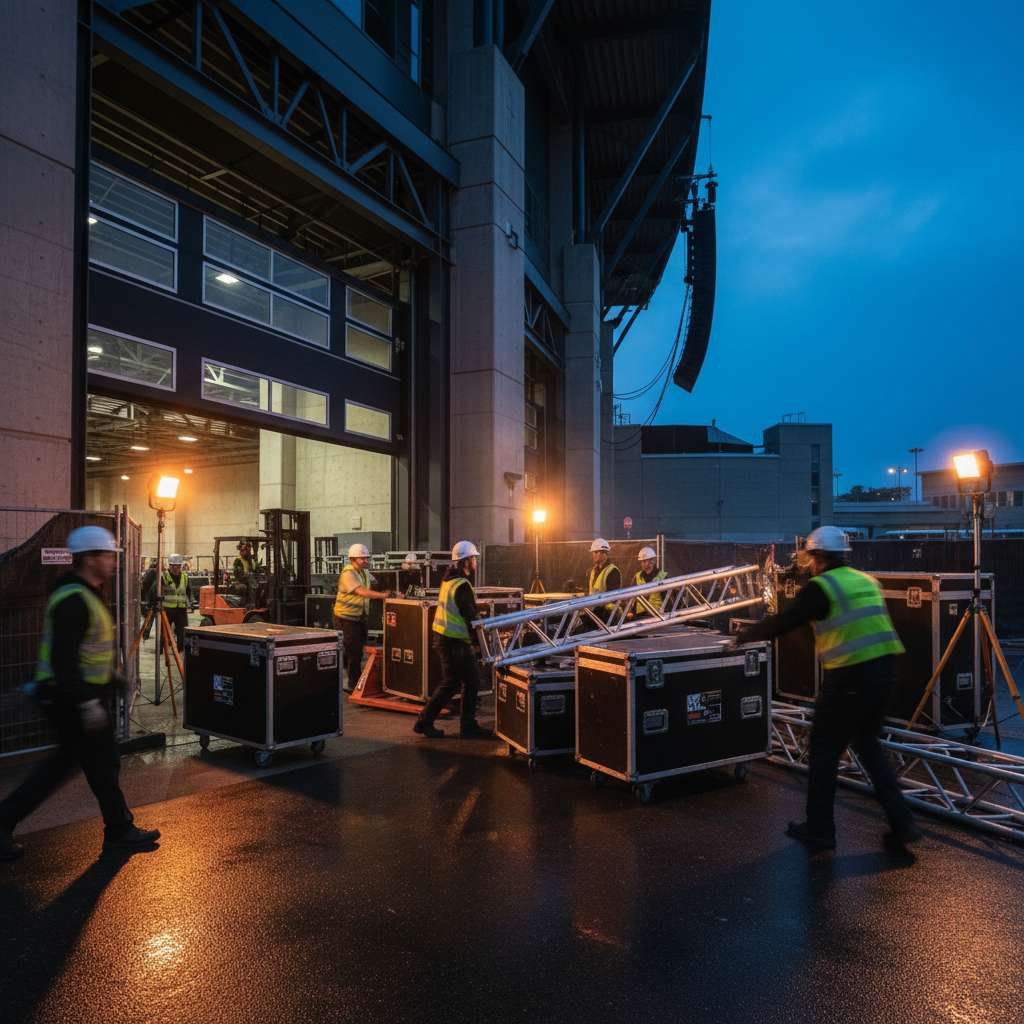
- Lock load-in plan, freight elevator access, and electrical loads; confirm with a signed tech spec.
- Assign a showcaller and channel plan (comms devices, channel 1 for cues, 2 for floor, etc.).
- Staff in layers: registration, ushers, stagehands, demo leads, talent wranglers, and safety.
Media and content
- Prepare a press kit: fact sheet, presenter bios, product imagery, and a 60–90 second sizzle.
- Schedule photographer and cinematography teams with a shared shot list.
- Deliver assets within 24–48 hours; momentum is highest in the first 72 hours.
We bring wedding-grade timing discipline to corporate launches. The result: clean transitions, controlled reveals, and a guest journey that feels intentional throughout.
Tools and Resources We Use
Combine reliable production tech with simple collaboration tools. Use cloud run-of-show docs, comms headsets, cue lights, and proven AV rigs. Add fast-turn photo/video workflows so media and creators can publish within 24–48 hours.
- Planning: shared run-of-show docs, risk registers, and asset trackers.
- AV: line-array PA, wireless mics with redundancy, LED walls, cue lights, and confidence monitors.
- Stage: modular risers, blackout drape, and scenic elements that frame demos.
- Guest ops: fast check-in, ADA-friendly flows, clear signage, and VIP holding spaces.
- Content: dual photographers, mobile editing bay, and a same-night teaser reel plan.
Want to see how a major tech brand sequences its event content drops? Review this real-world cadence from a recent London creator program hosted by Shopify London and the way editions events roll content across channels post-show.
Case Studies and Examples from Greater London
Three patterns win repeatedly: a tight press briefing with a signature reveal, an experiential pop-up with rolling demos, and a partner preview that converts advocates. Each format scales across Greater London with the right vendors, staging, and rehearsals.
Signature press moment
- Challenge: a B2B brand needed clear positioning and tier-one coverage.
- Approach: 55-minute briefing, single live demo, and immediate press kit delivery.
- Outcome: controlled story, on-message articles, and a library of usable visuals.
Experiential pop-up
- Challenge: consumer product seeking trial and creator buzz.
- Approach: 2-day open-hours demos, styled vignettes, and roaming creators.
- Outcome: hundreds of trials and a week of user-generated content.
Partner preview
- Challenge: enable resellers with hands-on understanding.
- Approach: roadmap session, guided stations, and leave-behind playbooks.
- Outcome: stronger pipeline signals and aligned messaging.
Across 500+ productions, we’ve found the constant isn’t size—it’s clarity and rehearsal. When the story is sharp and the cues are owned, even compact rooms deliver outsized impact.
Local Logistics in Greater London (HA3 0PB)
Greater London launches benefit from transit access, dense creator networks, and vendor availability. From HA3 0PB, we stage fast load-ins, route VIPs efficiently, and time doors to commute patterns. Choose venues with clean freight paths and plan around rush-hour windows.
Local details shape real outcomes. A two-hour shift in doors can double on-time arrivals. A better load-in bay can cut rigging by an hour. Proximity to our Harrow base means we can mobilize trusted vendors and stylists quickly when plans change.
Local considerations for HA3 0PB
- Leverage nearby transit such as Preston Road Station to simplify attendee routing and crew shifts.
- Aim reveals before evening rush; weeknights work well for media and creator availability in Greater London.
- Confirm venue load-in rules early; some sites limit late-night load-outs, so sequence truss and LED first.
FAQ: Product Launch Event Management
Great launch FAQs focus on timing, formats, measurement, and team roles. Keep answers direct. Align your choices to objectives and resources, then lock dependencies early. Below are concise answers we give London clients most often.
How far in advance should we plan a launch?
For focused city launches in Greater London, plan backward 8–12 weeks. That window lets you secure venue, AV, and talent; align PR outreach; and run table and stage rehearsals. Complex builds or pop-ups with permits may require earlier holds.
What format works best for media coverage?
A 45–60 minute press briefing with one signature demo and controlled Q&A is most reliable. Keep the story tight, share assets immediately, and schedule brief interviews in a nearby, quiet space to capture strong quotes on the night.
How do we measure success beyond attendance?
Track coverage quality, creator content, partner enablement signals, demo conversions, and post-event meetings booked. Deliver photo/video assets within 24–48 hours and watch for momentum in the first 72 hours, when share velocity is highest.
What’s the biggest mistake teams make?
Trying to do too much on stage. Keep segments short, stay on message, and rehearse transitions. Design the room for capture—lighting, styling, and sightlines—so every moment looks intentional in photos and video.
Conclusion and Next Steps
Great launches are simple stories, executed precisely. Choose the right format, rehearse like broadcast, design for capture, and deliver assets fast. With a seasoned show team, even compact rooms can produce outsized results and momentum.
Key takeaways
- One clear promise + one live proof beat complex programs.
- Sequence energy: opening spike, core demo, testimonial, and call to action.
- Design for capture so photos and video carry your story for weeks.
- Lock vendors early and rehearse transitions like prime-time TV.
- Measure what matters: coverage quality, creator output, partner signals.
Action steps
- Define 2–3 business outcomes and pick the best-fit format.
- Draft your run-of-show and staffing matrix this week.
- Book site visit and technical walkthroughs before you sign the venue.
- Pre-build your press kit and content shot list for rapid post-event drops.
- Map a two-week post-launch content plan to extend momentum.
Need a seasoned show team? Patel Events brings 27+ years, 500+ productions, and a 50+ vendor network to launches across Greater London and the UK. Book a discovery session in HA3 0PB to align objectives, format, and timeline.
Explore event content strategies collected from creators and event programs like those hosted by Shopify London and practical post-launch playbooks curated here: post-launch marketing guides.