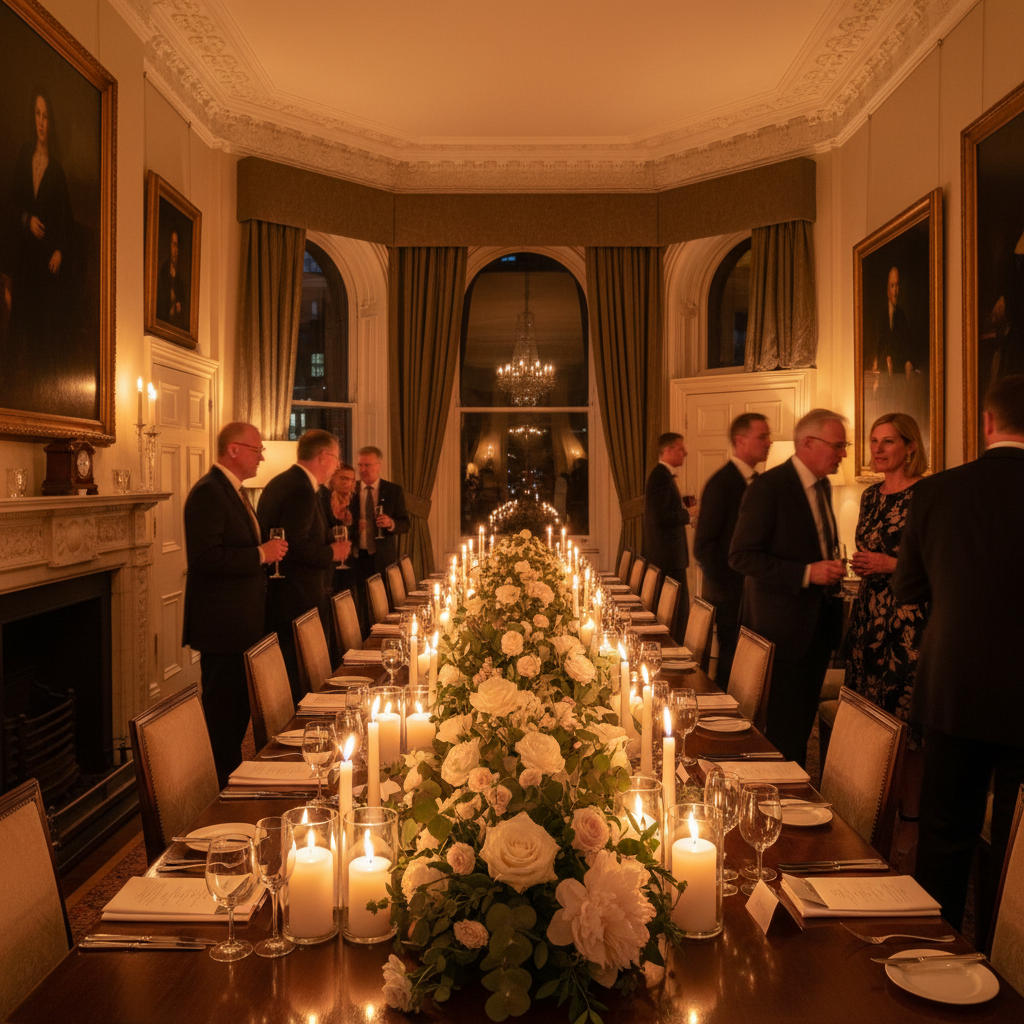
A private celebration planning checklist is a step-by-step roadmap that turns your ideas into a guest-first experience across vision, venue, vendors, timelines, and flow. For hosts near HA3 0PB on Abercorn Garden, Patel Events applies this checklist to birthdays, anniversaries, and milestone dinners so every moment feels seamless, personal, and stress-free.
By Patel Events • Last updated: May 21, 2026
Overview and table of contents
This complete private celebration planning checklist helps you define your vision, map deadlines, coordinate vendors, and protect guest comfort from arrival to farewell. Inside, you’ll find step-by-step tasks, a buying guide with a comparison table, practical tools, local HA3 0PB and Greater London tips, plus real examples from Patel Events.
This guide is built for scanning. Use the table of contents to jump to what you need, then return as plans evolve.
- What this checklist covers
- At a Glance: Summary
- Step-by-step checklist
- Why this matters
- How it works
- Types and approaches
- Buying guide + comparison
- Best practices
- Tools and resources
- Case studies + local tips
- FAQ
- Key takeaways
- Conclusion + next steps
What is a private celebration planning checklist?
A private celebration planning checklist is a sequenced list of tasks that moves your event from concept to applause. It clarifies who owns each deliverable, when milestones land, how the room is styled, and what guests experience at every touchpoint—so nothing slips on the day.
At Patel Events, our checklist blends creative design with operations discipline. It covers discovery, vendor orchestration, décor and floral styling, entertainment, hospitality, and on-site run-of-show. That balance lets you honor culture and story while keeping timing, safety, and comfort tight.
- Scope clearly: Define event type (birthday, anniversary, milestone dinner, baby shower), expected headcount, and experience goals.
- Sequence tasks: Lock the venue first, then catering, décor, and entertainment in waves.
- Assign owners: Name who is accountable for each deliverable and who has final say on day-of decisions.
- Document everything: Keep floor plans, schedules, and contacts in one source of truth.
- Review and refine: Add short debrief notes after the event for future wins.
At a Glance: Summary
Organize six pillars: vision, venue, vendors, timeline, guest experience, and run-of-show. Confirm dietary needs early, finalize décor two weeks out, rehearse critical cues, and assign one decision-maker. This cadence reduces surprises, shortens lines, and keeps energy high from welcome to farewell.
- Vision: Theme, palette, must-have moments
- Venue: Capacity, access, layout, house rules
- Vendors: Catering, décor/florals, entertainment, photo/video
- Timeline: Backward-plan from event date with buffers
- Guest Experience: Wayfinding, hospitality, accessibility
- Run-of-Show: Minute-by-minute cues, contacts, contingencies
Private Celebration Planning Checklist: Step-by-step
Follow this 12-week roadmap. Start with outcomes and dates, secure the venue, then book core vendors. Design the guest journey, lock details two weeks out, rehearse cues, and protect comfort with small hospitality touches. On the day, run from a cue-based schedule with clear roles.
12–10 weeks out: set foundations
- Define outcomes: Write three success measures (e.g., “all speeches on time,” “smooth dietary service,” “dance floor full by 9 PM”).
- Choose date range: Pick two or three feasible dates to widen venue options.
- Shortlist venues: Match capacity, access, noise guidelines, and parking/transit info.
- Outline the theme: Palette, ambiance, and any cultural elements (e.g., Gujarati motifs or modern minimalist).
- Create a master doc: Centralize contacts, deadlines, layouts, and the evolving run-of-show.
- Risk notes: Indoor plan for rain/wind; identify equipment requiring power distribution.
9–7 weeks out: secure your core vendors
- Catering: Decide plated, buffet, or stations; collect dietary notes with RSVPs.
- Entertainment: DJ for high-energy nights; acoustic or strings for chef’s table pacing.
- Decor and florals: Entrance moment, tablescapes, centerpieces, accent lighting; confirm setup/teardown windows.
- Photo/Video: Build a shot list for highlights and intimate moments; align on any rituals or reveals.
- Specialty features: Mixology bar, dessert cart, cultural performance, or live painter.
6–4 weeks out: design the experience
- Guest journey: Arrival greeting, welcome drinks, icebreaker, signature moment, and lounge wind-down.
- Wayfinding: Entrance signage, restroom markers, and discreet dietary labels.
- Seating: Balance energy by mixing social connectors with quieter guests.
- Program beats: Plan two or three highlight moments 30–45 minutes apart.
- Technical checks: Power, mic tests, playlist backups, and lighting scenes.
- Transport guidance: Parking notes, ride-hailing pickup points, and nearest transit.
3–2 weeks out: lock details
- Finalize guest list: Build flexible seating and catering margins for last-minute changes.
- Approve décor: Centerpieces, linens, candles, and any statement installs.
- Confirm vendors: Arrival times, access routes, power needs, and pack-down expectations.
- Run-of-show draft: Minute-by-minute with cues, contacts, and contingency triggers.
- Emergency kit: Chargers, tape, stain sticks, mini tools, and first-aid basics.
7–1 days out: rehearse and prepare
- Walkthrough: On-site check with key vendors if possible; validate cue points.
- Brief the team: Assign one decision-maker and a guest-comfort lead.
- Print packs: Floor plan, run-of-show, vendor contacts, and any venue permits.
- Weather plan: Heaters/fans ready; indoor fallback if wind or rain picks up.
- Guest message: Final reminder with dress code, access, and timing.
Event day: execute with calm
- Arrivals: Stagger vendor load-in; mark staging and check-in.
- Audio/visual: Sound check, lighting test, and playlist backup device.
- Hospitality: Water stations, clear restroom signage, and comfortable lounge seating.
- Timekeeping: Pace highlight moments; pad five minutes between segments.
- Wrap-down: Use a pack-out checklist; document venue handover with quick photos.
Why a checklist matters for guest happiness
A tight checklist prevents bottlenecks, protects pacing, and ensures everyone feels taken care of. It aligns design, staffing, and timing so guests arrive smoothly, find their place easily, enjoy signature moments, and leave with lasting memories instead of small frustrations.
Patel Events’ portfolio spans 500+ events with a 98% client satisfaction rate. We’ve seen how disciplined planning translates into calmer hosts, on-time programs, and fuller dance floors. The secret isn’t luck—it’s sequencing, clarity, and communication.
- Faster settling-in: Clear welcome points, coat drop, and a beverage reduce first-15-minute friction.
- Balanced energy: Short speeches and spaced highlights avoid long lulls.
- Inclusive hospitality: Dietary and accessibility notes are built into service.
- Confident ops: Crew knows cues, routes, and responsibilities before doors open.
How the workflow works in practice
Set three outcomes, reverse-plan milestones, then lock venue, vendors, and layouts. Rehearse the critical beats, finalize a cue-based run-of-show, and designate a single decision-maker. On the day, follow cues, watch buffers, and keep a guest-comfort lead scanning the room.
In our experience across London and the wider UK, a simple rhythm protects quality and calm:
- Set outcomes: Decisions flow faster when you know the win-state.
- Reverse-plan: Place immovable deadlines first; add buffers for delivery and staging.
- Lock logistics: Confirm access, power, safety pathways, and vendor comms.
- Rehearse: Walk the space, test mics, and practice entrances.
- Execute: Run the show with radios or a messaging hub; adapt with clear roles.
Types of private celebrations and approaches
Most private events fit birthdays, anniversaries, milestone dinners, baby showers, and cultural rites. The same pillars apply, but timing, décor, entertainment, and communications flex to the occasion so rituals and highlights land with meaning.
14 common formats we produce (with quick tips)
- Milestone birthdays: Build a reveal or toast moment; favor dynamic lighting.
- Surprise parties: Craft a decoy invite and dual-entry plan; brief vendors quietly.
- Anniversary dinners: Storytelling centerpieces and vow renewals; low-profile florals for sightlines.
- Engagement parties: Photo-friendly vignettes and an announcement cue; signature beverage.
- Baby showers: Comfort-first seating and playful stations; gentle playlists.
- Welcome home gatherings: Warm lighting, memory wall, and casual buffet for mingling.
- Mundan Sanskar: Respectful choreography of rituals; clear schedule for family members.
- Graduation celebrations: Highlight reel, awards-style moments, and upbeat closer.
- Retirement parties: Tribute speeches, timeline displays, and relaxed lounge areas.
- Chef’s table dinners: Pacing driven by courses; acoustic sets keep conversation audible.
- Thematic soirées: Consistent palette across linens, florals, lighting, and attire guidance.
- Garden parties: Weather plan, pathway lighting, and bug-friendly candle strategy.
- Family reunions: Flexible seating, all-ages activities, and a big group photo cue.
- Micro-celebrations at home: Scale décor, coordinate neighbors, and schedule quiet teardown.
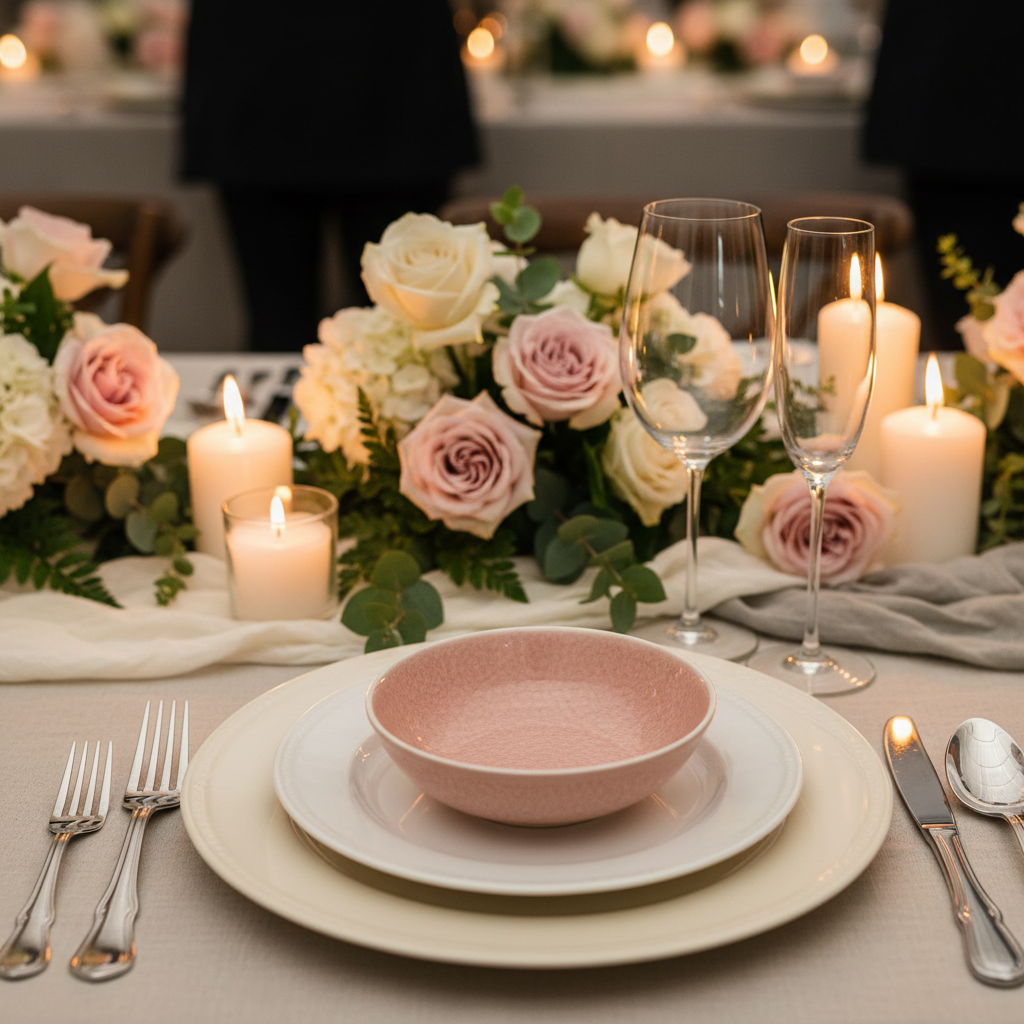
Buying guide: DIY vs venue coordinator vs full-service planner
Pick your delivery model by time available, event complexity, and desired polish. DIY suits small gatherings, venue coordinators manage in-house logistics, and full-service planners orchestrate design, multi-vendor flow, and day-of control for the smoothest guest experience.
Quick decision lens
- Time: If you have limited planning hours, guided or full-service support saves your evenings.
- Complexity: Four or more vendors, entertainment, or cultural rites benefit from a planner.
- Standards: If ambiance and storytelling matter deeply, design expertise elevates the room.
| Option | Best for | Pros | Watch-outs | Who leads comms |
|---|---|---|---|---|
| DIY host-led | Small, simple gatherings | Personal touch; flexible decisions | Time-intensive; split focus on the day | Host (often ad hoc) |
| Venue coordinator | Events using in-house layouts and basic logistics | Knows the space; clear access windows | Usually won’t manage external vendors end-to-end | Venue (space-first scope) |
| Full-service planner (Patel Events) | Multi-vendor, high-touch experiences | Design + logistics + day-of control | Requires early engagement to maximize impact | Planner (holistic scope) |
For structured task lists from adjacent contexts, see this corporate planning checklist overview and this event checklist walkthrough. When shaping menus, this perspective on vegetarian party snacks can inspire crowd-pleasing options.
Best practices that protect guest experience
Protect arrivals, pacing, and comfort. Confirm access details, space out program peaks, and add hospitality cues (water, shawls, charging spots). Assign one decision-maker and one guest-comfort lead so operations and empathy both have clear owners throughout the night.
- Create a one-page brief: Objectives, must-haves, and deal-breakers keep the team aligned.
- Design the room in thirds: Welcome zone, main zone, and lounge with distinct lighting and seating.
- Sequence energy: Warm welcome → signature moment → open mingle to encourage natural flow.
- Over-communicate: Share maps, timings, dress code, and access notes with VIPs and vendors.
- Rehearse critical cues: Entrances, speeches, music transitions, and mic handoffs.
- Document handovers: Three-minute on-site huddles reduce missed details.
- Monitor the room: A guest-comfort lead scans for bottlenecks, temperature, and seating needs.
- Plan teardown grace: Quiet pack-down and neighbor-friendly timing for at-home events.
Tools and resources (templates you’ll actually use)
Centralize everything in a simple project hub. Use a master timeline, vendor roster, run-of-show template, floor plan with power notes, and a guest tracker. Even a lightweight toolkit keeps teams in sync and cues on time.
Simple toolkit
- Master timeline: Backward-planned dates with dependencies and buffers.
- Vendor roster: Company, on-site lead, arrival, load-in route, comms channel, and pack-down.
- Run-of-show: Minute-by-minute cues, mic notes, and contingency triggers.
- Floor plan: Seating, stages, bars, and power distribution points.
- Guest tracker: RSVPs, dietary, accessibility, and seating notes.
Checkpoints that catch issues early
- 30-second radio check: Ensure all crew comms are clear pre-doors.
- Lighting lookbook: Three scenes you can switch between for mood shifts.
- Menu labeling: Discreet labels increase guest confidence and flow.
- Backup kits: Batteries, cables, gaffer tape, and basic tools on standby.
Case studies, examples, and local considerations
Real-world snapshots show how checklists translate into memorable nights. Here are brief examples from Patel Events plus hyperlocal guidance for HA3 0PB in Greater London so your plans match neighborhood rhythms, logistics, and guest travel patterns.
Mini case snapshots (Patel Events)
- Milestone dinner in Harrow: 60 guests, chef-led pacing, and three lighting scenes. Outcome: crisp speeches, relaxed mingling, and a room that felt intimate yet celebratory.
- Surprise birthday near the Wembley corridor: Decoy invitations, dual-entry reveal, DJ + sax. Outcome: zero entrance confusion and a dance floor that filled quickly after the reveal.
- Baby shower with cultural touches: Photo-friendly vignettes, soft palettes, and comfort-first seating. Outcome: smooth flow for the parents-to-be and relaxed guests.
Local considerations for HA3 0PB
- Share transit pointers for guests using Kenton station; wayfinding notes reduce late arrivals.
- Greater London evenings can be breezy; for gardens, plan discreet heaters and a quick indoor backup.
- Load-in windows on residential streets benefit from quiet kit and tight timing—brief vendors on routes and staging.
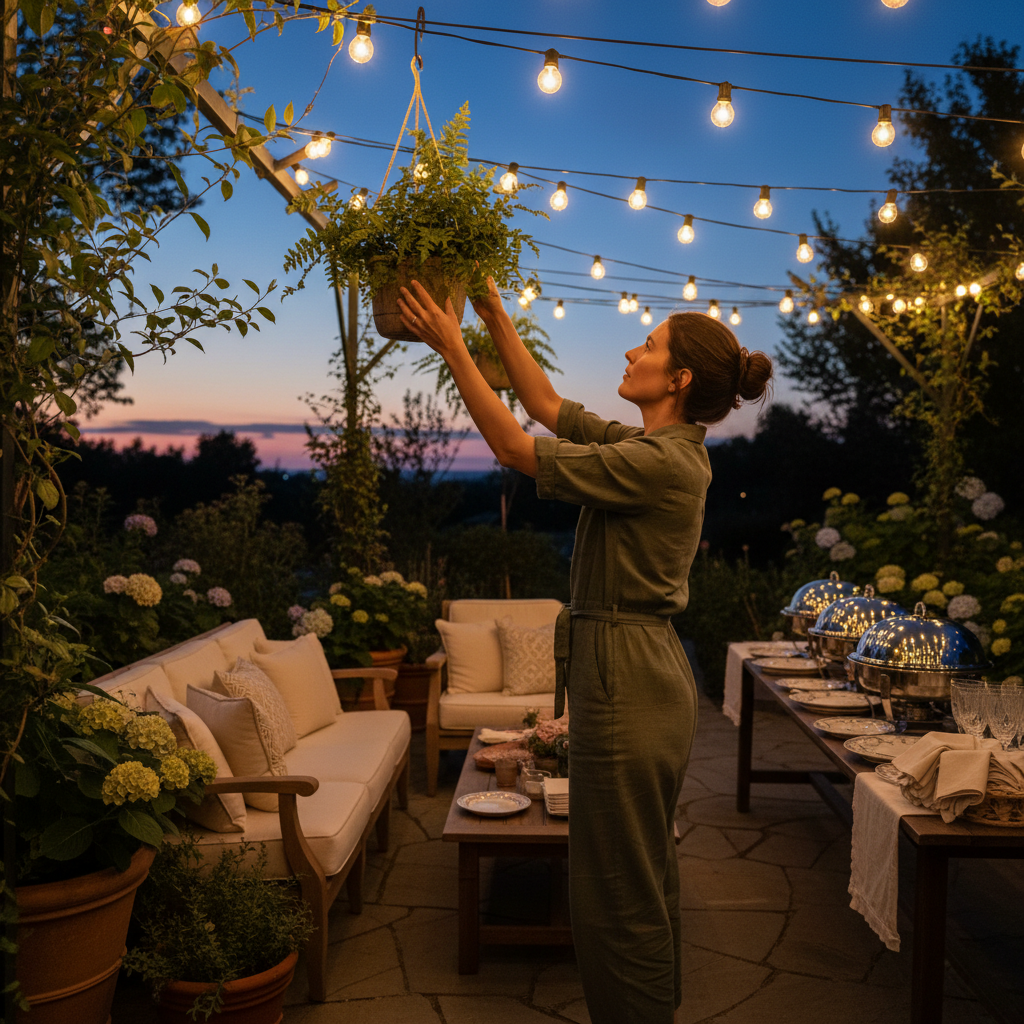
Frequently asked questions (FAQ)
These quick answers resolve common planning questions. They’re optimized for voice assistants and fast scanning, with clear next steps if you want deeper help from a planner.
What should be the very first step?
Decide your top three outcomes—what success looks like. Then set a realistic date range. With outcomes and dates aligned, you can shortlist venues and book core vendors confidently.
How early should I book a venue?
Aim 8–12 weeks ahead for popular dates. Book earlier if you need specific access windows or outdoor space. Early holds protect better layout options and smoother delivery timing.
What’s the biggest mistake to avoid?
Splitting focus on the day. Assign one decision-maker and a guest-comfort lead. Clear ownership prevents missed cues and frees you up to enjoy your own celebration.
How do I plan for dietary needs?
Collect dietary notes with RSVPs and confirm with your caterer two weeks out. Provide discreet labeling for vegetarian, vegan, and allergen-friendly options so guests navigate confidently.
When should I bring in a planner?
If you’re coordinating multiple vendors, have complex design goals, or limited planning hours, engage a planner. You’ll gain design alignment, logistics discipline, and day-of calm.
Key takeaways
Anchor to clear outcomes, book the venue early, and pace the night with two or three highlights. Assign distinct roles, centralize documents, and run from cues so the celebration feels effortless for guests and enjoyable for you.
- Outcomes and a date range unlock fast, confident decisions.
- Venue, catering, décor, and entertainment benefit from early holds.
- Guest comfort rises when wayfinding and hospitality are deliberate.
- Run-of-show and role clarity reduce stress and errors.
Conclusion and next steps
Your private celebration planning checklist turns ideas into a polished, guest-first experience. With the right sequence, buffers, and roles, you’ll protect flow, comfort, and joy—so you can be fully present when it matters most.
Want a quick sanity check or a full-service partner? Patel Events brings 27+ years, 500+ events, a 98% satisfaction rate, and a network of 50+ trusted vendors. We’d love to help you craft something unforgettable that honors your story.
Soft CTA: If you’d like a 15-minute review of your plan, reach out to our team at Patel Events. We’ll highlight gaps and share templates tailored to your goals.
Final CTA: Ready to plan with confidence? Book a discovery session near HA3 0PB in Greater London—Patel Events will help you design, sequence, and deliver a celebration your guests will love.