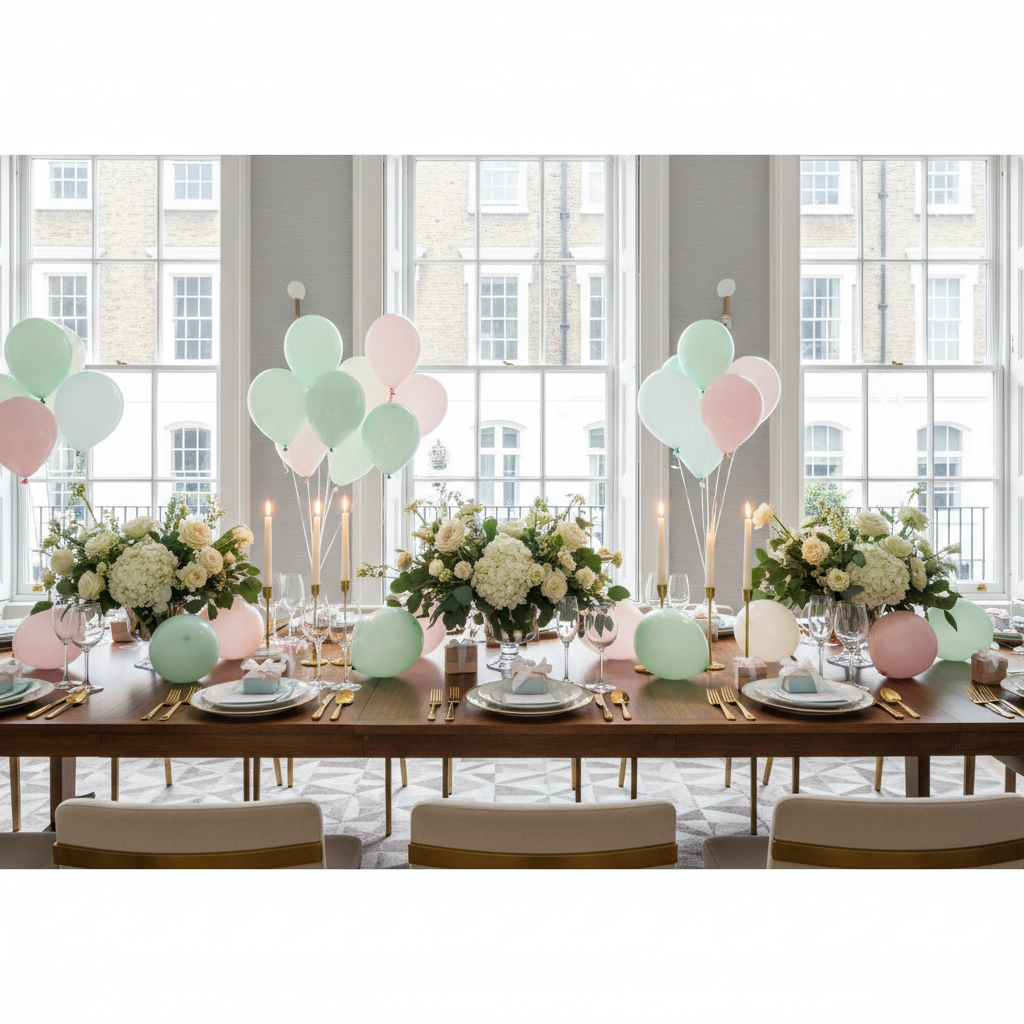
Planning a birthday party is the structured process of defining a theme, guest list, venue, food, entertainment, and timeline to create a memorable celebration. For hosts near HA3 0PB (Abercorn Gardens) in Greater London, Patel Events supports Private Celebrations with décor, DJ services, and cinematography so your plan becomes a polished, stress-free event.
By Shani Patel — Patel Events
Last updated: 2026-06-11
At a Glance: Your Birthday Party Checklist
Use a simple plan: set your goal, pick a date and venue, confirm a theme, send invites, book vendors, organize food and entertainment, and script the run-of-show. Aim for a 6–8 week timeline, keep dietary needs central, and build a 10–15% buffer in schedule and supplies.
This overview primes you to move quickly and avoid last-minute issues. Think of it as your baseline before you personalize details for the guest of honor’s style, age, and cultural traditions.
- Define the brief: Occasion, guest of honor’s preferences, must-haves, non-negotiables.
- Pick date/time: Cross-check school terms, holidays, and key family commitments.
- Estimate guest count: Adults vs. kids; consider 10–15% no-show on average.
- Choose venue: Home, venue, outdoor; ensure restrooms, load-in, and accessibility.
- Confirm theme: Colors, mood, dress code, photo moment, cultural elements.
- Send invitations: Include RSVP by date, allergies/diet, parking/transport notes.
- Book vendors: Entertainment, DJ, décor/florals, cake, photography/cinematography.
- Plan menu: Balanced savory/sweet; vegetarian/halal/kosher options where relevant.
- Run-of-show: Welcome, speeches, cake, games, dance set, close.
- Contingencies: Weather plan, power strips, extra ice, first-aid kit.
What Is Birthday Party Planning?
Birthday party planning is the end-to-end coordination of theme, logistics, vendors, and guest experience for a single-day celebration. It blends project management with creative design to deliver a smooth flow, from invitations and décor to cake, entertainment, and a tidy wrap-up.
The heart of planning a birthday party is aligning the guest of honor’s personality with a crisp plan that guests find welcoming and fun. For Patel Events, that means fusing décor and styling with on-the-day stage management, entertainment cues, and culturally fluent hosting when traditions matter.
- Creative direction: Theme boards, color palettes, focal points, signature moments.
- Logistics: Venue access times, vendor load-in, equipment needs, power, waste.
- Guest journey: Clear signage, coat drop, welcome drinks, seating, activities.
- Run-of-show: Minute-by-minute cues for MC, DJ, speeches, cake, and games.
- Vendor management: Briefs, timelines, confirmations, and on-site coordination.
In our experience, the most successful parties read as effortless—because the effort was invested upfront. A concise plan prevents delays, keeps caterers on pace, and ensures your DJ’s first track lands at the perfect energy level.
Why Smart Birthday Planning Matters
Smart planning reduces stress, protects your budget, and elevates the guest experience. It also enables dietary safety, age-appropriate activities, and a reliable timeline—so the cake-cutting, photos, and dance floor all hit at the right emotional peak.
Great parties feel natural. That happens when hosts anticipate needs and remove friction. A clear plan unlocks small wins—faster coat checks, fewer lines at the bar, better speech timing—that add up to a standout night.
- Experience over chaos: A 6–8 week plan avoids last-minute shortages and rush fees.
- Guest comfort: Build zones—welcome, mingle, activity, and dining—to prevent crowding.
- Dietary confidence: Label vegetarian, vegan, halal, and allergen-friendly items; separate serving utensils.
- Photos that matter: Pre-list five must-capture moments; align with your cinematography team.
- Energy management: Alternate high-energy entertainment with seated moments to keep stamina strong.
Here’s the thing: most “average” parties stumble on timing. Speeches run long, kids get restless, and the cake enters too late. A tight schedule with 10-minute cushions keeps the night flowing and the mood high.
Planning a Birthday Party: Step-by-Step Timeline
Run a simple timeline: 8 weeks out set your brief and venue; 6 weeks confirm theme and vendors; 4 weeks send invites; 2 weeks finalize menu and rentals; week-of rehearse cues; day-of execute the run sheet with a dedicated coordinator or trusted friend.
We’ll keep this practical. Treat your plan like a small production—because it is. Use the checkpoints below and adapt the lead times if your venue has stricter access windows or your theme requires custom builds.
8–6 weeks out
- Write the brief: purpose, vibe, must-haves, and guest count bands (e.g., 30/50/80).
- Shortlist venues: home, hired hall, or outdoor; verify accessibility and noise rules.
- Pick a theme: colors, dress code, photo backdrop concept, and a signature drink.
- Reserve core vendors: DJ, entertainment, décor/florals, cake artist, and cinematography.
6–4 weeks out
- Design invitations: include RSVP date, allergies/diet field, arrival window, and parking.
- Plan the menu: balance hot/cold, vegetarian/vegan options, and kid-friendly bites.
- Map the floor plan: welcome table, activity zone, cake reveal, dance floor, and quiet corner.
- Draft the run-of-show: welcomes, games, cake, speeches (keep to 5–7 minutes total).
4–2 weeks out
- Send invitations and track RSVPs; set reply deadline 10 days before the event.
- Confirm rentals: tables, linens, chairs, lighting, microphones, and outdoor heaters if needed.
- Create signage and labels: arrival arrow, gift table, restroom signs, and allergy icons.
- Finalize playlist highlights with your DJ: open, peak-hour set, and last dance.
Week of the party
- Run a 15-minute cue rehearsal with your MC or coordinator; align on hand signals.
- Prepare a hospitality kit: tape, scissors, zip ties, markers, extension cords, and wipes.
- Reconfirm delivery windows and load-in routes with all vendors.
- Prepare favor bags and a thank-you board for guests and helpers.
Day-of execution
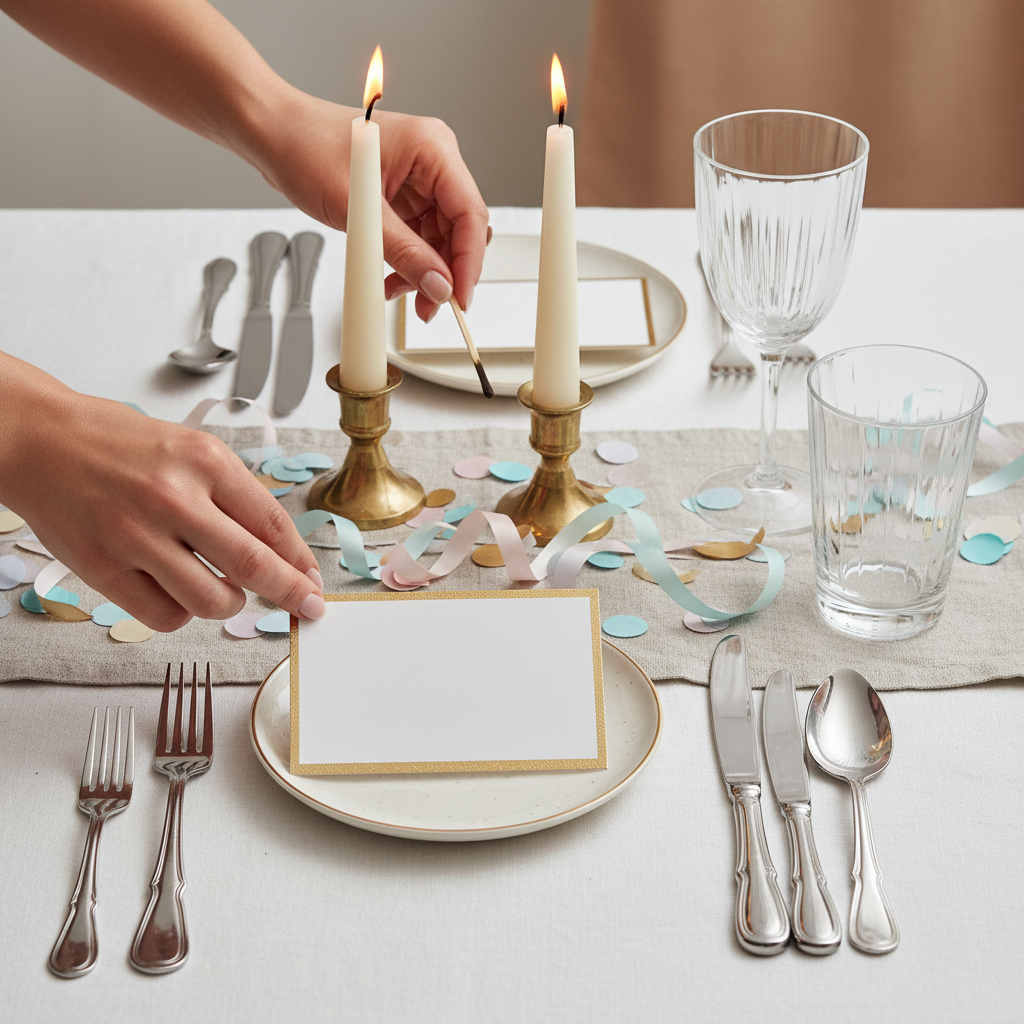
- Set up early: layout checks, sound test, candle test, cake delivery inspection.
- Host arrival cue: welcome drinks and music at a conversational volume.
- Keep segments tight: 20–30 minutes for activities; cake by hour 1.5–2 for kids, hour 2–2.5 for adults.
- Close with intent: final track, lights up, favor hand-off, and a clear farewell moment.
Local considerations for HA3 0PB
- For transit-friendly arrival, reference one nearby stop like Preston Road Station on your invite; it reduces parking strain.
- Winter birthdays: plan for early sunsets; schedule key photos before dusk if you want natural light.
- Noise and neighbors: coordinate quiet-down timing and loading routes—especially in Greater London terraces—so teardown runs smoothly.
Types of Parties and Theme Approaches
Choose a format—at-home, hired venue, or outdoor—and pair it with a theme that suits the guest of honor. Build around a focal moment (grand entrance, cake reveal, or surprise). Then align décor, games, and music to that narrative.
There’s no single “right” birthday format. The best fit reflects age, personality, and guest mix. Use the ideas below to shape your plan and make every design choice reinforce that story.
Popular formats
- At-home soiree: Cozy, flexible, great for 15–40 guests; mind furniture flow and neighbors.
- Hired venue: Access to sound, lighting, and staff; predictable load-in/out windows.
- Outdoor gathering: Park or garden; always plan for shade, wind, and rain backup.
- Destination twist: A weekend city rental or countryside lodge for a milestone year.
Theme concepts
- Color story: Monochrome chic, pastel garden, jewel-toned glam.
- Era: 90s throwback, old Hollywood, disco shimmer.
- Cultural flavor: South Asian-inspired palette, mithai dessert cart, and garba dance set.
- Experience-led: Murder mystery, casino night, karaoke lounge, or outdoor movie.
Design anchors
- Entrance moment: Balloons or floral arch; lighting that frames photos beautifully.
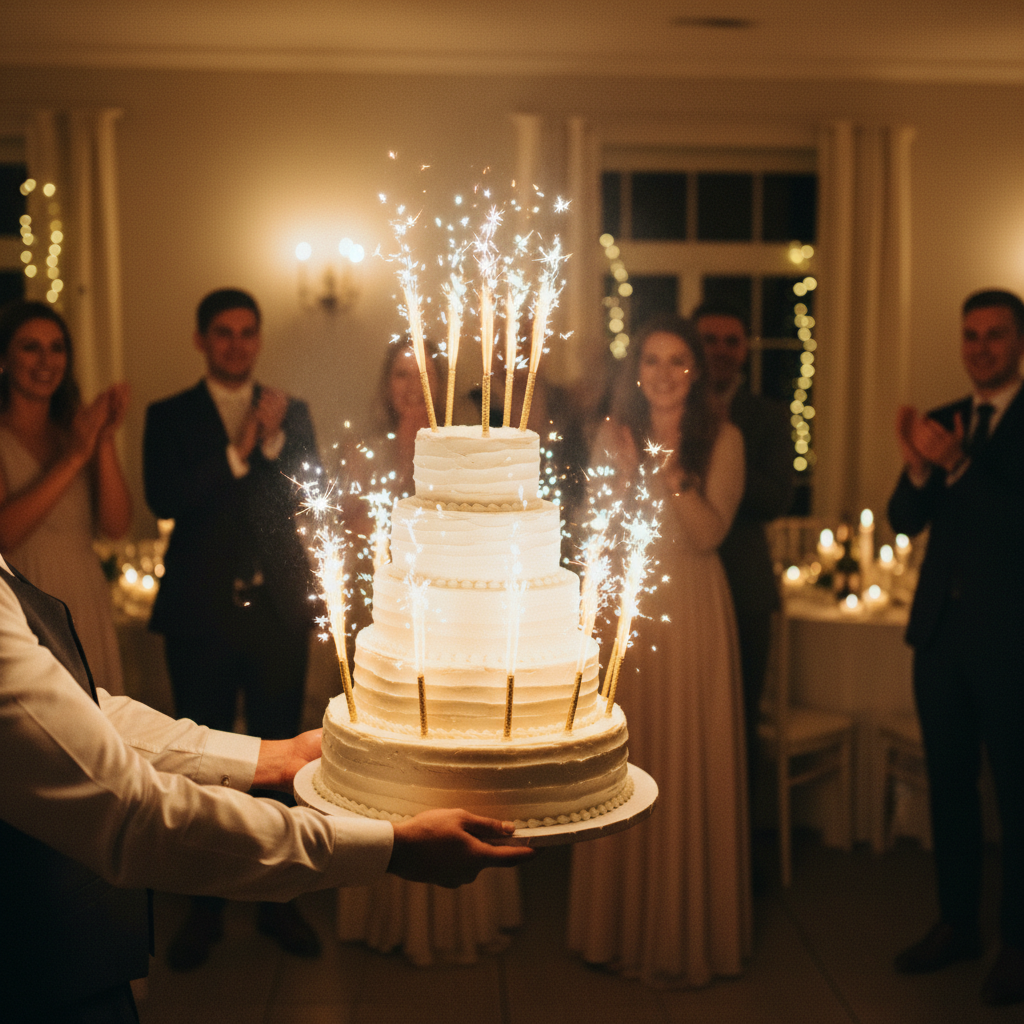
- Cake reveal: Use a spotlight and a 15-second sound cue to gather energy.
- Tablescape: Linen runner, layered plates, coordinated glassware, and low florals for conversation.
- Photo backdrop: Branded step-and-repeat or themed vignette near high foot traffic.
Need inspiration for milestone styles? Explore polished ideas from an established venue’s perspective in these milestone birthday themes; use them as prompts you can localize to Greater London tastes and spaces.
| Format | Best For | Pros | Watch-outs |
|---|---|---|---|
| At-Home | Intimate groups (≤40) | Personal, flexible, low venue restrictions | Space, parking, neighbor noise |
| Hired Venue | 40–150 guests | Equipment, staff, predictable timing | Fixed access windows, vendor rules |
| Outdoor | Daytime, family-friendly | Fresh air, kid space, casual vibe | Weather plan, power, restrooms |
Best Practices for a Seamless Party
Build clear zones, schedule peaks, and design for all ages. Label allergens, stage the cake reveal, and keep your DJ and MC on a shared run sheet. A 10-minute cushion between segments protects the energy and prevents bottlenecks.
We’ve found that great guest flow is a design choice. Zones reduce crowding and empower your host team to spot needs before they become problems.
- Four-zone layout: Welcome (check-in, favors), mingle (sofas/high-tops), activity (games/photo), and dining (buffet/seated).
- Timing cues: Announce transitions with music or lighting changes to guide the room.
- Kid pacing: Alternate 15–20 minutes of activity with snack or story time.
- Allergy clarity: Keep ingredient cards near each dish and separate serving utensils.
- Sound strategy: Conversational level for arrivals; raise for games; peak for the dance set.
- Photo protocol: Pre-brief on three “must” shots (arrival, cake, group) to ensure coverage.
For parties that blend generations, create a quiet corner with softer lighting and comfortable seating. It signals thoughtfulness and gives everyone a breather between high-energy moments.
Tools and Resources for Modern Hosts
Use simple tools: a planning spreadsheet, cloud RSVP form, shared vendor timeline, and a digital run-of-show. Add a floor plan sketch, shot list, and a packing checklist. Keep everything in one shared folder for your helpers and vendors.
Planning a birthday party is easier when your tools are centralized. Keep it light: documents you’ll actually open on the day. Here’s a practical kit you can build in under an hour.
Your digital toolkit
- Master sheet: Tabs for timeline, vendors, RSVPs, menu, rentals, and budget guardrails.
- Online RSVP form: Capture allergies, plus arrival and departure windows.
- Run-of-show: Minute-by-minute, who does what, with phone numbers.
- Shot list: Top moments; note names for family and friend groups.
- Floor plan: Simple sketch with load-in path and power points.
Reliable idea banks
- For children’s formats, browse a venue’s planning take for inspiration in this kids’ party overview and adapt to your space and guest mix.
- Looking at vegetarian-friendly snack sets can spark a menu; skim this catering perspective for platter structure and serving flow ideas.
Keep links, mocks, and phone numbers in a single cloud folder shared with your trusted helper. That one move cuts back-and-forth on the day and reduces decision fatigue.
How the Moving Parts Work Together
A party is a sequence of micro-moments. Décor sets tone, music paces energy, food manages flow, and the MC binds it all. When each role has cues and buffers, the experience feels effortless for guests and hosts alike.
Think of your event like a small theater production: the set (décor), the soundtrack (DJ), the script (run-of-show), and the cast (hosts and helpers). Clarity keeps surprises magical and mishaps minimal.
- Décor and lighting: Define mood and frame photos; set dimmers or lamp layers if possible.
- Music as timeline: Low-volume welcome set, mid-party games set, peak dance set.
- Food tempo: Stagger platters; keep one hot item in reserve for energy dips.
- MC glue: Brisk announcements prevent drift and keep attention where it matters.
- Cake as crescendo: Build a countdown, cue the song, sparkler moment, then serve.
When you synchronize these parts, you gain the freedom to enjoy the celebration. That’s the real win.
Catering, Dietary Needs, and Serving Flow
Plan for variety and clarity: mix hot and cold bites, label allergens, and create two serving lines for 60+ guests. Separate kid-friendly options and set water stations near the dance area to keep guests comfortable.
Menu planning is both hospitality and logistics. Balanced menus travel well, reheat safely, and delight a mix of palates. Your serving plan shapes lines, chatter, and dance-floor momentum.
- Menu balance: 1–2 hot savories, 2–3 cold bites, one hero main, a fresh salad, and a signature dessert.
- Dietary notation: Use icons for vegetarian/vegan; separate serving utensils for allergen-free dishes.
- Kid zone: Keep mild flavors and familiar textures in a dedicated platter.
- Flow setup: Two-sided buffet for 60+ guests; circulating canapés for narrow rooms.
- Hydration: Water station at both the bar and the dance area; restock every 30 minutes.
For buffet inspiration and platter sequencing, it can help to review a caterer’s framework like this birthday catering overview and then customize to your tastes and cultural preferences.
Entertainment, DJ, and Cinematography
Think in beats: welcome music, an interactive game or icebreaker, a surprise element, cake reveal, and a final dance set. Pre-brief your DJ and cinematographer with a run-of-show and three “must-capture” camera angles for the cake moment.
Entertainment isn’t background noise—it’s the emotional engine. When the DJ, MC, and camera crew share cues, transitions feel intentional and guests stay engaged.
- Interactive opener: Low-stakes trivia, a photo scavenger hunt, or a guestbook prompt.
- Signature surprise: A short performance, video montage, or remote toast on screen.
- Dance arc: Build from throwbacks to peak-hour anthems; save two encores.
- Capture plan: Wide crowd shot, tight cake frame, and reaction cutaways.
- Audio checks: Mic test before doors; keep a spare handheld within reach.
When working with families in Greater London, we find a 90-minute peak set sustains energy across generations, especially if you interleave two short interactive moments between songs.
Case Studies and Real-World Examples
Translate principles into practice: tailor the plan to the guest of honor, space, and culture. Lock timing, brief vendors, and choreograph the cake reveal. Small, precise choices—like zone layout or a 15-second music cue—produce big, memorable moments.
Three snapshots show how structured planning creates impact while keeping stress low.
Neighborhood garden party, HA3 0PB
- Setting: A Harrow back garden near Northwick Park station with 45 guests.
- Plan: Outdoor lounge, kids’ craft table, and a compact dance floor under bistro lights.
- Flow: Cake at sunset; 20-minute acoustic set; then a 60-minute DJ peak.
- Outcome: Smooth transitions thanks to a run sheet and weather backup canopies.
Surprise 40th at a local hall
- Setting: Hired hall with predictable load-in/out and on-site staff.
- Plan: Bold jewel-tone color story, a video montage, and a short roast before cake.
- Flow: Guest arrival decoy, lights drop, surprise entrance; then speeches capped at 5 minutes.
- Outcome: Emotional beats landed right on cue; photos captured each reveal.
Family-friendly brunch in Greater London
- Setting: Private dining room; stroller parking plan; quiet corner with books.
- Plan: Short craft activity, quick cake moment before nap windows, and soft-play corner.
- Flow: 90-minute program; staggered departures with favor bags near the exit.
- Outcome: Low-stress hosting with clear zones and age-aware pacing.
Across these examples, the constant is clarity: a purpose-driven plan aligned to guest needs and the space’s constraints.
Safety, Accessibility, and Guest Care
Design for comfort first. Provide clear wayfinding, seating variety, and good lighting. Keep a small first-aid kit, water within easy reach, and a dedicated contact for accessibility questions. Thoughtful details make guests feel seen and welcome.
Guest care is the quiet hero of great parties. It shows up in tiny touches that reduce friction and make celebration easier for everyone.
- Wayfinding: Door arrows, restroom signs, and a visible host station.
- Seating mix: Sofas, bar stools, and a few chairs with arms for support.
- Lighting layers: Avoid harsh overheads; aim for warm, dimmable light with task lamps near food.
- Quiet space: A low-stimulus nook for guests who want a break.
- Allergy readiness: Ingredient cards, separate tongs, and a comfortable way to ask for help.
Make one helper the “guest care lead.” Their only job is to circulate, spot needs, and solve them quietly. It’s a simple assignment that transforms the guest experience.
Common Mistakes to Avoid
Avoid overloading the schedule, underestimating setup time, and skipping a backup plan. Confirm vendor arrival windows, label dietary items, and keep speeches brief. A lean, realistic run-of-show beats an ambitious but brittle program.
We’ve seen brilliant themes stall because the timeline was too tight. Protect your setup hours and stick to the essentials.
- Too many activities: Pick two great games, not six. Leave room for conversation.
- Late cake: Don’t wait past the energy peak; serve while guests are excited.
- Unclear RSVPs: Always include a reply-by date and an allergy field.
- No power checks: Test your sound and lighting before doors open.
- Ignoring teardown: Assign two helpers to manage rentals and trash quickly.
When in doubt, simplify. Fewer, stronger beats create a cleaner experience and better photos.
When to Hire an Event Planner
Bring in a planner when your guest count is 50+, the theme requires multiple vendors, or you want to enjoy the night without managing logistics. A planner translates your vision into a cohesive timeline and executes it with vendor alignment.
For families balancing work and caregiving, a planner turns complexity into clarity. At Patel Events, we coordinate décor, entertainment, cinematography, and vendor logistics so your only job is to celebrate.
- Signals you’ll benefit: Multiple age groups, special dietary needs, or a surprise reveal.
- What you gain: A single point of contact, risk planning, and on-the-day management.
- How to prep: Share your brief, must-play music, cultural elements, and any sensitivities.
Even if you prefer DIY, consider a day-of coordinator. They run cues while you’re in photos and greetings.
Checklists You Can Copy
Use modular checklists: timeline, vendor confirmations, packing list, and run-of-show. Copy, adapt, and keep them in one folder. On the day, check items off and delegate individual lists to helpers for speed and clarity.
Here are simple lists you can customize in minutes.
Run-of-show highlights
- Doors open; welcome drinks and light music
- Icebreaker or game; quick prize
- Main activity or surprise element
- Cake reveal and song; photo sequence
- Dance set; two encore tracks
- Favor hand-off and clear farewell moment
Day-of packing
- Candles, lighters, cake knife, and dessert plates
- Extension cords, power strips, gaffer tape, and zip ties
- Markers, pens, name cards, and signage
- First-aid kit, wipes, gloves, and trash bags
- Spare balloons, command hooks, and scissors
Vendor confirmations
- Arrival window and load-in route
- Contact on the day (name and phone)
- Power needs and sound checks
- Serving plan and labeling
- Payment method and thank-you note prep
FAQ: Planning a Birthday Party
The fastest way to plan a birthday party is to lock the venue and guest count first, then book entertainment and food. Use a six-week window, keep a tight run-of-show, and delegate three helpers: guest care, vendor wrangler, and timekeeper.
How far in advance should I start planning a birthday party?
Give yourself 6–8 weeks for a small at-home party and longer for hired venues or complex themes. This window lets you book entertainment, confirm dietary needs, and sequence a run-of-show without rushing decisions.
What’s the best order of tasks when planning?
Lock guest count and venue, choose a theme, send invites, and book key vendors (DJ, décor, cake, cinematography). Finalize the menu and layout, rehearse cues in the week prior, and keep a printed run-of-show on the day.
How do I manage food allergies and diets at a party?
Collect dietary notes during RSVP. Label dishes with simple icons, separate serving utensils for allergen-free items, and keep ingredient lists available. Assign one helper to answer questions discreetly at the buffet.
What time should I do the cake?
Time cake for the emotional peak—about 90–120 minutes into the event for adults, a bit earlier for kids. Signal the moment with a lighting change and a short music cue so everyone gathers quickly for photos.
Conclusion and Next Steps
A winning birthday party blends clear planning with thoughtful design. Lock the essentials early, keep the timeline light, and choreograph the highlights. When in doubt, simplify—and delegate execution so you can celebrate fully.
- Key takeaways: Start 6–8 weeks out, keep a lean run-of-show, and build clear zones.
- Guest-first lens: Dietary labels, comfortable seating, and natural photo moments matter.
- Energy design: Music and lighting guide the room; use them intentionally.
- Delegate: Assign guest care, vendor wrangler, and timekeeper roles.
If you’re near HA3 0PB or across Greater London and want a calm, polished celebration, we’re here to help coordinate décor, DJ, and cinematography—so your birthday feels as effortless as it looks.