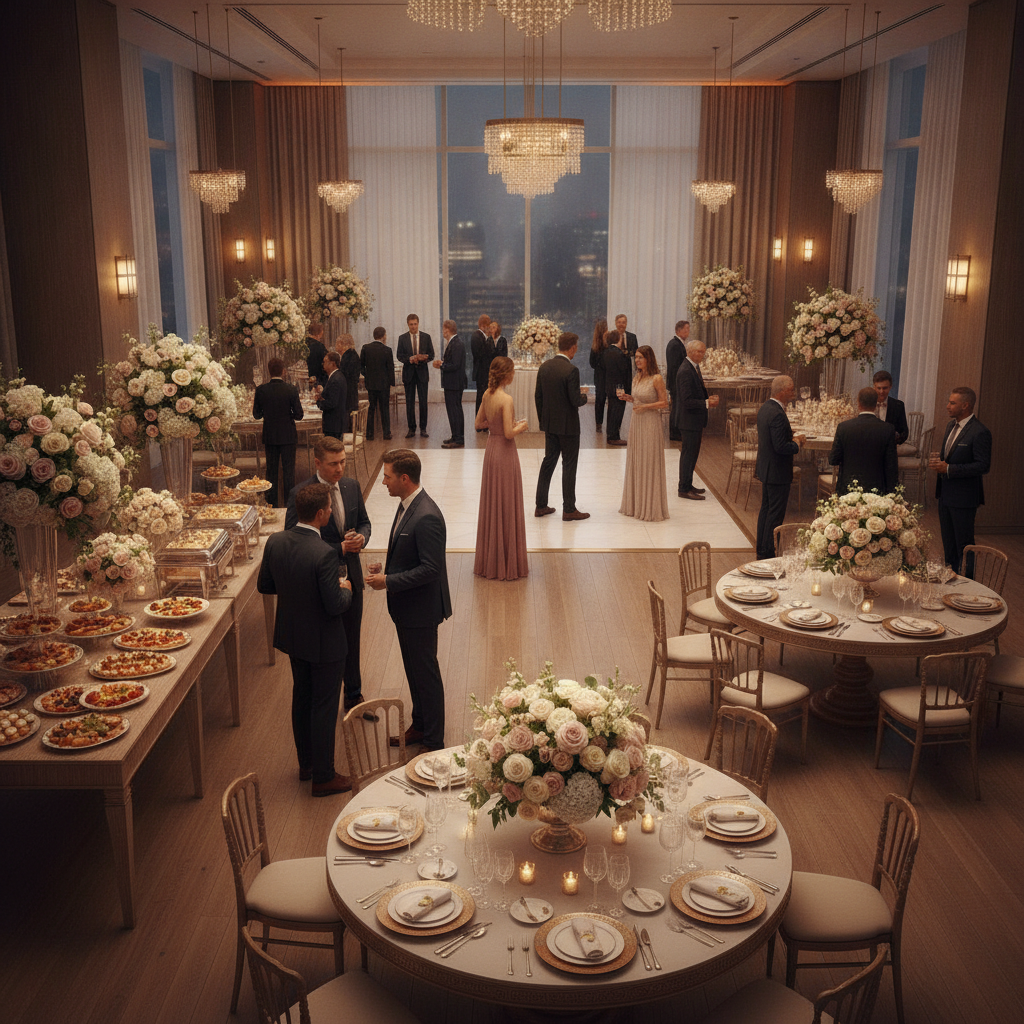
Party planning is the professional coordination of design, logistics, and vendor management to deliver a seamless celebration. At 25 Abercorn Gardens, HA3 0PB, our party planner team at Patel Events handles décor, timelines, and guest flow from start to finish. The result is lower waste, fewer surprises, and happier guests—without you juggling dozens of details.
By Shani Patel — Patel Events
Last updated: 2026-06-10
Start Here: Your 2026 Party Planner Playbook
Use this playbook to scope your event, choose the right planner, and make smart trade-offs that cut waste while elevating the guest experience. You’ll see proven steps, local tips for Greater London, and checklists we use across 500+ events to keep celebrations on time, on brand, and unforgettable.
Here’s what you’ll get in this complete guide, built from 27+ years of hands-on planning across London and the UK.
- Plain-English definitions and roles of a modern party planner
- Why a planner reduces risk and boosts guest satisfaction
- Step-by-step planning process with timelines and templates
- Approaches for weddings, sangeets, nikkah, birthdays, and corporate
- Best practices to cut waste without cutting wow
- Tools, checklists, and resources we actually use onsite
- Mini case studies drawn from real London engagements
What Is a Party Planner?
A party planner is a specialist who designs the experience, coordinates vendors, and runs event-day logistics so hosts can actually enjoy their celebration. The role spans creative design, timeline control, and risk management—converting ideas into a coherent plan that dozens of suppliers can execute precisely.
In practice, a planner translates your vision into a workable blueprint. We map design elements, vendor deliverables, and guest journey touchpoints so the day feels effortless. For South Asian events, that includes cultural fluency across nikkah, sangeet, and Gujarati rituals—details many venues overlook.
- Experience matters: Patel Events brings 27+ years, 500+ events, and a 98% satisfaction record—evidence that process beats luck.
- What we actually manage: design direction, décor and floral styling, entertainment and DJ coordination, timeline and run sheet, transportation, hospitality, and on-the-day show-calling.
- Why it works: One point of accountability aligns 50+ vendor actions, minimizing friction at every hand-off.
Here’s the thing: most event issues aren’t dramatic—they’re cumulative. Five-minute delays, unclear responsibilities, and small layout errors stack up. A seasoned party planner removes these micro-frictions before they touch your guests.
Why Hiring a Party Planner Matters
Hiring a party planner reduces risk, saves hours of coordination, and raises guest satisfaction. Centralized decision-making compresses timelines, unlocks vendor efficiencies, and ensures details—like flow, lighting, and sound—work together. The payoff shows in smoother arrivals, fuller dance floors, and fewer last-minute scrambles.
The benefit compounds across planning stages. We’ve seen hosts reclaim 30–50 hours per event simply by offloading vendor sourcing, schedule building, and supplier communications. Meanwhile, consolidated rentals and design revisions remove duplication—real waste that adds no joy.
- Consistent guest journey: From signage to speeches, each cue is timed so guests never wonder what’s next.
- Quality assurance: Checklists, site walks, and rehearsal notes reduce execution errors by catching them days—sometimes weeks—earlier.
- Risk management: Backup suppliers, weather plans, and power redundancy protect your timeline and sound quality.
- Cultural fluency: For South Asian weddings, ritual timing and staging are optimized so elders and families feel respected and involved.
Bottom line: a planner aligns design, logistics, and hospitality so your celebration feels intentional. The result is measurable—fewer overruns, cleaner changeovers, and higher participation in key moments.
How Professional Party Planning Works
Professional planning follows a repeatable sequence: discovery, scope and budget guardrails, venue fit, vendor lineup, experience design, and show-calling. Clear milestones—usually 6–12 months out—keep decisions timely. On the day, a run sheet with minute-by-minute cues aligns every supplier and host responsibility.
Core planning milestones
- Discovery (Week 0): Vision, guest count bands (e.g., 80/120/200), dietary needs, and cultural rituals.
- Scope & guardrails (Week 1–2): Non-negotiables vs. flex items; prioritize 3–5 “must-wow” moments.
- Venue fit (Week 2–4): Capacity, access, noise limits, load-in, parking, and blackout dates.
- Vendors (Week 3–8): Shortlist 3 options per category; confirm 10–12 categories (catering, DJ, florals, photo/video, rentals, AV).
- Experience design (Week 6–10): Floor plan, stage, procession order, speeches, and transitions.
- Run sheet (Week 10+): Minute-by-minute cues; assign owners; bake in 10–15 minute buffers.
- Rehearsal & site walk (T–14 days): Test mic, lighting scenes, and processional timing.
- Show day execution: Call times, comms protocol, and rapid issue triage.
| Stage | Owner | Output | Typical Timeline |
|---|---|---|---|
| Discovery | Planner + Hosts | Vision brief | Day 1–7 |
| Vendor line-up | Planner | Confirmed suppliers | Week 3–8 |
| Design & layout | Planner + Stylists | Floor plan, mood board | Week 6–10 |
| Run sheet | Planner | Minute-by-minute cues | Week 10–12 |
| Show-calling | Planner | Live coordination | Event day |
In our experience, the most reliable events lock their vendor team by Week 8 and finalize a guest-ready layout by Week 10. That cadence leaves room for rehearsals and signage revisions—two areas that dramatically improve guest confidence.
Types of Parties and Approaches We Plan
Great planners tailor approach to party type, culture, and venue. We adapt timelines and vendor mixes for weddings, sangeets, nikkah, birthdays, anniversaries, corporate launches, conferences, and destination weekends—so every event balances spectacle with smooth guest flow.
Weddings & sangeets (South Asian expertise)
- Nikkah ceremonies: Respectful staging for vows, seating sightlines for elders, and clear procession cues.
- Gujarati weddings: Mandap construction, pheras timing, and priest coordination integrated into the run sheet.
- Sangeet nights: 10–14 performances require clockwork stage changes and sound checks to keep energy high.
Private celebrations
- Birthdays and milestones: Emcees keep the pace, while DJs manage a three-part arc—arrival, peak, close.
- Anniversaries and dinners: Lighting scenes and music beds elevate speeches and toasts into core memories.
Corporate experiences
- Product launches: Stage design, reveal moments, and press flow; brand-aligned visuals at every touchpoint.
- Conferences and galas: Multi-room schedules, breakout turnover, and AV resilience for keynotes.
Looking for style inspiration? Explore how a dedicated venue frames wedding flow on this helpful example of wedding layouts and services or see how a venue positions corporate event capabilities to understand must-have logistics like staging and backstage access. For menu planning structure, this overview of wedding catering planning outlines course sequencing you can adapt to any cuisine.
Best Practices to Cut Waste and Boost Joy
Cut waste by focusing spend where guests notice most: food, flow, and sound. Combine rentals, reuse florals across segments, and time speeches. Boost joy with clear signage, a tight run sheet, and 10–15 minute buffers. These small moves lift satisfaction while protecting the schedule.
Design and logistics moves that matter
- Bundle wisely: Consolidate rentals and transport across ceremony, cocktail, and reception; fewer trucks mean faster changeovers.
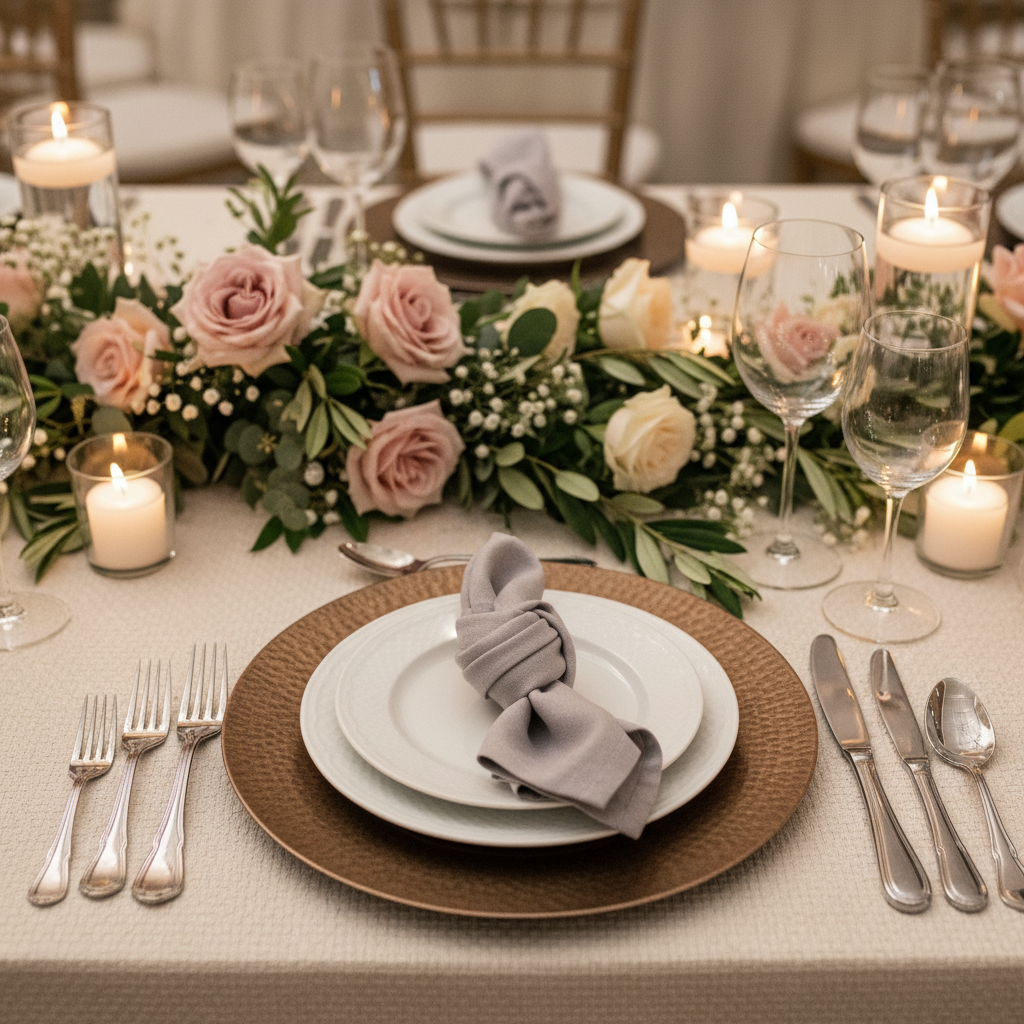
- Florals that travel: Repurpose ceremony installs as reception photo backdrops; reuse 60–80% of stems with careful mechanics.
- Time your arc: Open dance floor within 90 minutes of guest arrival; late-night bites at the 3-hour mark keep energy up.
- Speech discipline: Cap toasts at 3–4 minutes each; anchor two in the first hour and one ahead of dessert.
- Sound first: Prioritize a competent DJ/AV partner; great playlists can raise dance-floor participation by 20–30% versus unmanaged streams.
- Signage clarity: 3–5 directional cues reduce bottlenecks and repeated “where’s the restroom?” questions.
Local considerations for HA3 0PB
- Transit timing: Build arrival windows around peak service to and from Preston Road Station; add 10-minute buffer to guest seating.
- Seasonality: In Greater London winters, plan covered load-ins and coat check early; wet-weather mats protect high-traffic zones.
- Noise and neighbors: For residential-adjacent venues near HA3 0PB, confirm DJ decibel limits and curfew in writing to safeguard the timeline.
We’ve found these moves consistently reduce friction. Even small changes, like resetting lighting scenes before speeches, can lift perceived production value by a full level without adding inventory.
Tools and Resources Your Planner Uses
Planners rely on shared timelines, annotated floor plans, and vendor comms to keep teams aligned. Expect a detailed run sheet, contact tree, labeled site map, and a real-time radio channel. Together, these tools prevent drift, speed decisions, and keep service timing predictable for guests.
- Run sheet: Minute-by-minute program with owners and phone/radio channels.
- Floor plan + elevations: Seating charts, stage, walkways, and service routes.
- Contact tree: Primary/backup for 10–12 vendors; one escalation path.
- Inventory tracker: Rentals by zone; in/out counts to avoid loss.
- Hospitality notes: Dietary flags, VIP handling, and accessibility plan.
- Rehearsal checklist: Microphone tests, cue lights, procession spacing by seconds—not guesses.
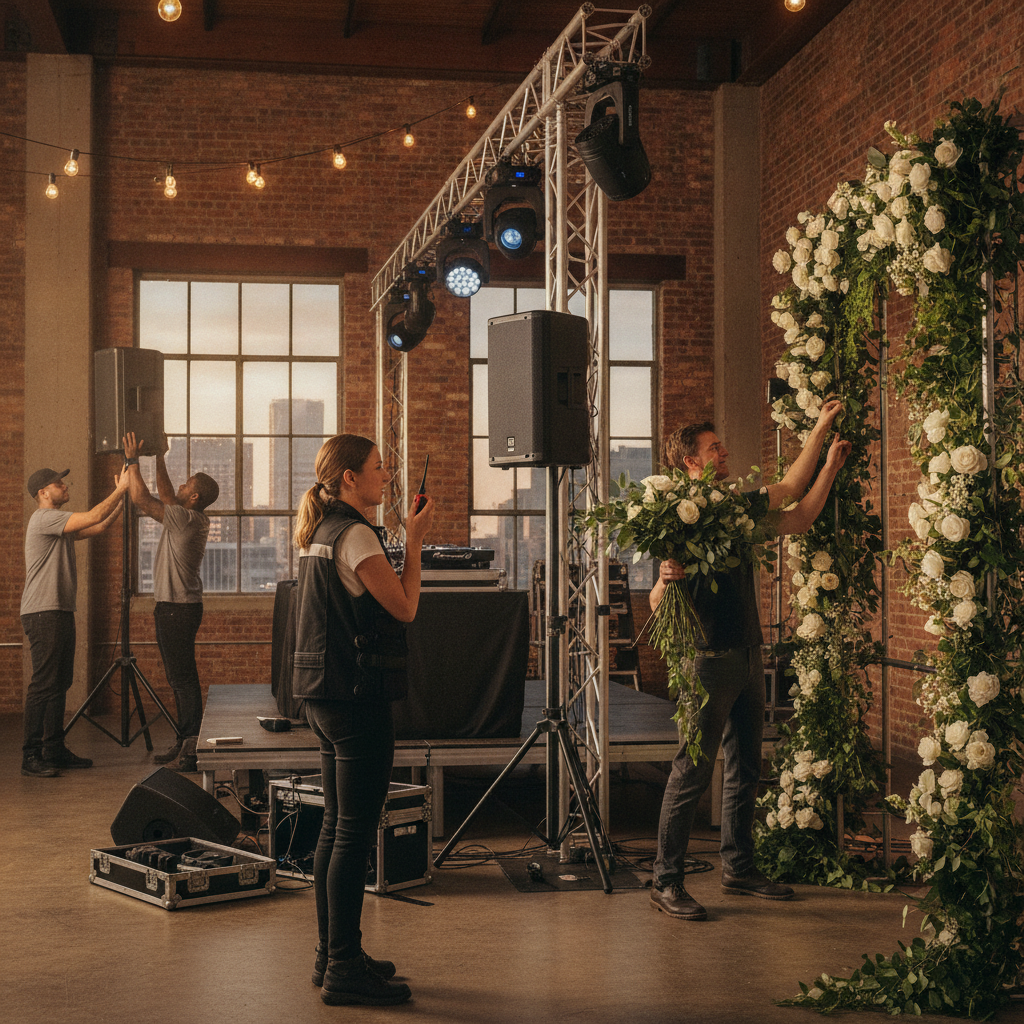
Great tools only matter if used. Our teams huddle at T–60, T–30, and T–10 minutes, then debrief post-show. That cadence keeps decisions crisp and captures learnings that raise the bar event after event.
Free planning assessment: If you’re hosting in Greater London or near HA3 0PB, we’ll map your top three priorities into a draft run sheet you can use immediately. Book a quick consultation.
Case Studies and Real-World Examples
The fastest way to understand planning value is through real shows. These anonymized summaries highlight logistics, vendor count, and the guest outcomes our clients cared about most—full dance floors, on-time ceremonies, and stress-free hosts.
- Gujarati reception, Greater London: 300 guests, 12 vendor teams, 3 staging scenes. Solution: rolling repurpose of florals and a 2-minute mic check before each toast. Result: on-time program and a packed dance floor within 75 minutes.
- Sangeet night, West London: 10 performances, 2 emcees, 1 live band + DJ. Solution: color-coded cues and stagehands per segment. Result: zero dead air and 100% of acts starting within 60 seconds of call.
- Intimate nikkah: 120 guests, 4 cultural touchpoints. Solution: seating plan prioritizing elder sightlines, segmented photo schedule. Result: faster blessings line and calmer portrait time.
- Corporate launch: 400 attendees, press window of 30 minutes. Solution: two-stage reveal, dedicated press corral, and separate guest entrance. Result: clean media shots and crowd flow with no choke points.
- Destination wedding (Udaipur): 3 days, 8 vendor teams, 4 venue moves. Solution: pre-rig lighting, duplicate run sheets by hotel zone, and weather contingency. Result: zero missed cues across five ceremonies.
Each example demonstrates the same pattern: clear ownership, tight cues, and smart reuse. By locking these fundamentals, you can add the spectacle where it counts—mandap design, entertainment reveals, or dramatic room flips—without risking the schedule.
Local Party Planner Considerations in Greater London (HA3 0PB)
For parties around HA3 0PB in Greater London, plan extra buffer for transit, confirm noise limits, and coordinate residential access and parking. Build weather coverage for winter months and prioritize vendors familiar with local load-in rules to keep timelines intact.
- Access & parking: Identify service entries during the site walk; note height limits for trucks and shared docks.
- Permits & curfews: Verify event hours and any amplified sound limits to avoid late-program disruptions.
- Guest journey: Expect 10–15 minute variance in arrivals when trains are busy; use staggered canapés and welcome drinks.
- Vendor familiarity: We lean on a 50+ vendor network that already knows local constraints—faster load-ins and fewer surprises.
Local knowledge pays off. Even minor routing changes—like a different lift or earlier AV rig—can save 20–30 minutes per setup. That time goes straight back into guest experience.
Frequently Asked Questions
These quick answers address the most common questions hosts ask before they hire a planner—timelines, responsibilities, cultural coordination, and how to prepare for your first consultation.
What does a party planner actually do on event day?
We manage vendor arrivals, confirm the floor plan, run sound checks, cue the ceremony or formalities, and show-call the timeline minute by minute. We also handle guest flow, troubleshoot issues, and coordinate resets so you can enjoy the party.
How early should I book a party planner in Greater London?
For peak seasons, 8–12 months out is ideal. For private celebrations and smaller gatherings, 3–6 months can work. Booking early secures preferred vendors and gives you more options for dates and design.
Can you coordinate South Asian wedding rituals like nikkah and sangeet?
Yes. Our team is fluent in South Asian traditions, including nikkah, Gujarati pheras, and sangeet programming. We integrate rituals into the run sheet, manage priest and family cues, and stage sightlines so elders feel included.
What should I prepare for the first planning call?
Bring a rough guest count, preferred date range, 3–5 inspiration images, any must-have rituals, and dietary notes. If you have a venue shortlist, share it. We’ll turn this into initial guardrails and a draft timeline you can review.
Conclusion and Next Steps
The best events feel effortless because they’re engineered that way. Use a clear process, prioritize guest-facing details, and rely on experienced partners. With tight cues and smart reuse, you’ll cut waste while creating the moments people remember.
Key takeaways
- Center your plan on food, flow, and sound—guests notice these most.
- Lock vendors by Week 8; finalize layout by Week 10 to protect quality.
- Reuse florals and rentals across segments to reduce waste.
- Use 10–15 minute buffers to maintain momentum without stress.
- Leverage local knowledge in HA3 0PB for smoother access and curfews.
Action steps
- Write your top three outcomes and non-negotiables.
- Shortlist venues with clear access, staging, and noise policies.
- Schedule a consult to translate ideas into a run sheet.
Ready to plan with confidence? Connect with Patel Events to map your guest journey and bring your celebration to life in Greater London and beyond.