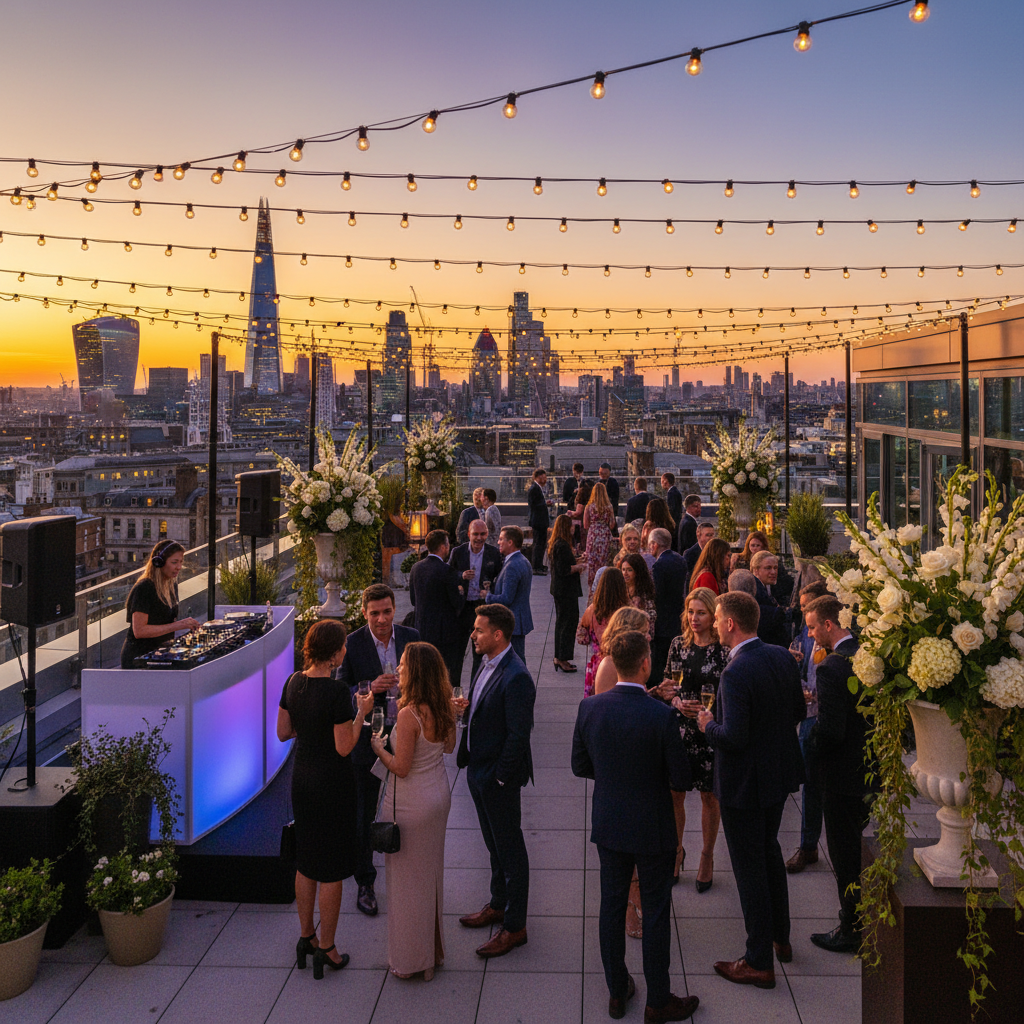
The phrase “party organisers London” refers to professional planners who design, coordinate, and run celebrations across Greater London. Based near HA3 0PB on Abercorn Garden in Harrow, Patel Events provides end-to-end planning so hosts enjoy stress-free birthdays, sangeets, nikkah ceremonies, receptions, and corporate functions while a seasoned team manages timelines, suppliers, and on-the-day delivery.
By Shani Patel — Patel Events
Last updated: 2026-05-31
At a Glance: Your London Party-Planning Game Plan
This guide shows you how to hire the right party organizer in London, avoid common pitfalls, and plan a beautiful, well-run event. You’ll get definitions, a clear hiring process, a DIY-versus-planner comparison, London-specific logistics, practical checklists, and real examples from Patel Events’ 500+ engagements.
If you want a quick overview before diving deep, use this section to orient your plan and timeline.
- What a party organizer does and when you need one
- Step-by-step hiring and planning workflow
- DIY vs. hiring comparison table
- London logistics (licensing, transport, access)
- Vendor coordination, décor, entertainment tips
- Templates: timeline, contact sheet, inventory
- Case studies from Patel Events (Harrow roots, UK-wide)
What Is a Party Organizer?
A party organizer is an event professional who turns your goals into a practical plan, coordinates vendors, and leads on-the-day execution. They align design, logistics, and timing so hosts can enjoy the moment, handling details like venue access, décor, entertainment, and guest flow with precision.
In our experience, clarity beats complexity. A good organizer translates your vision into a clear brief, drafts a realistic run-of-show, and unifies suppliers around a single timeline.
Core responsibilities you can expect
- Concept and brief: distill goals, guest count, non-negotiables, and style.
- Venue sourcing: shortlist, site visits, access rules, and back-of-house mapping.
- Scheduling: minute-by-minute timelines, vendor contact trees, buffer planning.
- Vendor orchestration: caterers, florists, DJs, AV, rental houses, transportation.
- Design & styling: florals, tablescapes, lighting, and room flows that feel purposeful.
- Entertainment: stage plans, sound checks, show-calling, and cue sheets.
- Guest experience: RSVPs, dietary flags, seating logic, and wayfinding.
- Risk & compliance: access windows, insurance, RAMS, and contingency notes.
Patel Events brings 27+ years of delivery, 500+ events, a 98% satisfaction rate, and 50+ trusted vendors to this process, balancing creativity with operational discipline.
Why Party Planning Help Matters
Hiring a party organizer reduces risk, saves time, and protects your vision. Complex events involve many suppliers, overlapping schedules, and tight access windows. Experienced planners anticipate bottlenecks, negotiate tradeoffs early, and keep everyone aligned so your celebration feels effortless.
Here’s the thing: the more moving parts, the more value coordination brings. Weddings and sangeets can span multiple rituals; corporate launches juggle staging, brand moments, and media timelines.
- Time back: reclaim 50–150 hours otherwise lost to vendor searching and coordination.
- Risk reduction: fewer missed permits, double-booked deliveries, or noise issues.
- Quality control: vetted specialists who deliver under pressure and respect house rules.
- Cultural fluency: for nikkah, sangeet, and Gujarati customs, accuracy is non-negotiable.
Without a planner, we often see incomplete run sheets, AV checks squeezed too tightly, and décor that doesn’t integrate with guest movement. A single point of command with radios and a disciplined cueing system changes that reality.
How Hiring a Planner Works (Step-by-Step)
The hiring journey moves from discovery to scope, venue hold, vendor assembly, and final rehearsals. You get a single timeline, clear roles, and contingency plans. The outcome is a calm show day where your focus is guests and moments—not logistics.
Use this framework to stay in control while your organizer manages the details.
- Discovery call: goals, guest count, priorities, sensitivities (20–40 minutes).
- Scope alignment: written inclusions, decision cadence, and key milestones.
- Venue hold & site visit: access, power, back-of-house, noise thresholds.
- Vendor core: catering, décor, entertainment/DJ, cinematography, transport.
- Run-of-show: minute-by-minute plan, floor plans, cue sheets, and staffing.
- Rehearsals & confirmations: show-calling practice; insurance and licensing checks.
- Delivery & debrief: on-the-day leadership, strike plan, and learnings.
Documents you should expect
- Written scope and inclusions with milestone dates.
- Draft budget structure for alignment (no pricing here).
- Vendor contact sheet with backups and escalation paths.
- Floor plans, seating logic, entertainment cues.
- Risk register and contingency notes (weather, transport, power).
DIY vs. Planner: Which Is Right for You?
DIY suits small, simple gatherings with flexible timelines. A professional organizer is best for multi-vendor, time-bound events, or where cultural or brand precision matters. Use this comparison to decide where expert coordination will improve outcomes and peace of mind.
| Factor | DIY Approach | Hire a Party Organizer |
|---|---|---|
| Complexity | Okay for 1–3 vendors | Ideal for 5–15+ vendors |
| Lead time | Flexible; nights/weekends | Structured milestones and holds |
| Risk | Higher; single point of failure | Lower; backups and contingencies |
| Cultural/brand accuracy | Varies by research | Expert fluency and proofing |
| Show day | Host manages issues | Dedicated show-caller and crew |
We’ve found that events with more than five suppliers, live entertainment, or ceremonial sequences benefit most from professional planning. That’s where 27+ years of patterns and vendor chemistry save hours and protect the guest experience.
Types of Parties and Planning Approaches
Party organizers in London support private celebrations, South Asian weddings and sangeets, corporate programs, and destination gatherings. Each type requires tailored rosters, lead times, and ceremonial or brand knowledge. Matching planner strengths to your event type drives better outcomes.
Private celebrations (birthdays, showers, milestones)
- Lead times: often 3–8 weeks; quick decisions and fast vendor holds.
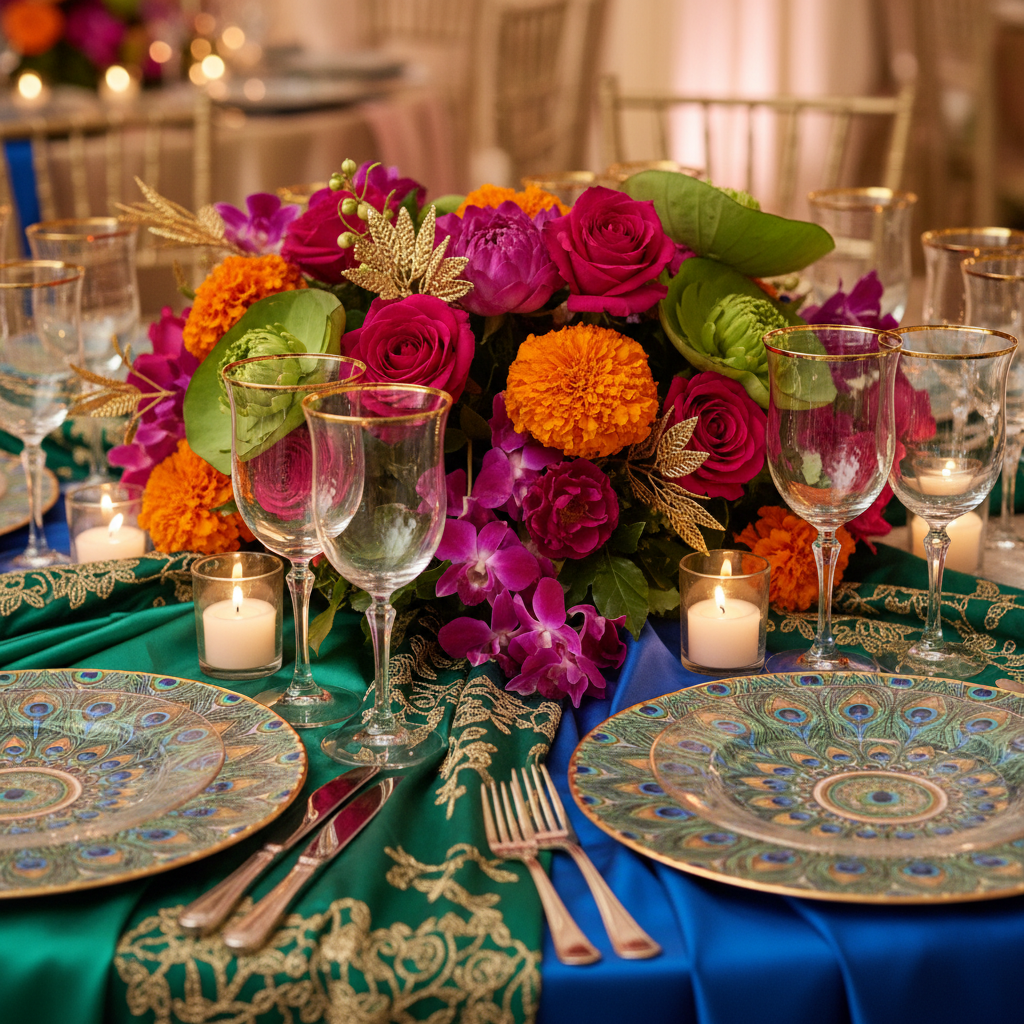
- Design: statement tablescapes, themed styling, and candlelit ambiance.
- Entertainment: DJs, live musicians, or surprise moments; tight cue sheets.
Weddings & sangeets (nikkah, Gujarati, receptions)
- Ritual fluency: sequencing for nikkah or pheras; elders’ access and comfort.
- Floral & staging: mandap or stage builds, soft florals, aisle management.
- Guest flow: respectful transitions; photo moments without bottlenecks.
Corporate events (launches, conferences, galas)
- Brand alignment: signage, color palettes, and experience zones aligned to brief.
- Production: stage management, AV specs, show-calling, and media windows.
- Metrics: engagement moments, dwell time, and post-event debriefs.
Destination events (Udaipur, Goa, overseas)
- Local partners: trusted crews; customs, permits, and backup inventory.
- Travel buffers: staggered arrivals; remote rehearsals; weather alternatives.
- Continuity: design consistency across venues and days.
Patel Events’ portfolio spans all four, with photo-forward styling, disciplined logistics, and a vendor network that’s comfortable in both luxury ballrooms and private estates.
Best Practices London Hosts Swear By
In Greater London, plan for transport, venue access, and licensing before design details. Hold key vendors early, build 15-minute buffers, and appoint a single show-caller with radios. These simple habits prevent the top causes of stress on event day.
Locking the operational spine early gives design room to breathe. Then the creative elements can shine without compromising flow or compliance.
- Confirm licensing: some private sites may require a Temporary Event Notice; verify with your venue or local authority.
- Align delivery windows: note loading bays, elevators, and quiet-hour policies.
- Run realistic show flows: add 15-minute buffers around speeches and live sets.
- Create a contact tree: primary, backup, and emergencies on one page.
- Lock entertainment cues: sound checks and thresholds signed off in advance.
Local considerations for HA3 0PB
- Plan guest arrivals around Kenton station schedules if using evening set times; share last-train info on invites for smoother exits.
- Spring and summer dates fill fast in Greater London; lock rehearsal and sound-check slots early to avoid rush-hour delays.
- For residential venues, agree on a hard stop and noise plan; coordinate taxi pickup zones to keep neighbors happy near Northwick Park.
Tools, Templates, and Vendor Tips
Use cloud-based timelines, shared vendor sheets, and labeled inventories. Confirm insurance and RAMS, provide floor plans early, and set clear SLAs for arrival, sound checks, and strike. Strong vendor communication is the fastest way to de-risk show day.
Our toolkit is simple but disciplined. A shared run-of-show plus a living contact sheet removes ambiguity and accelerates decisions.
- Working files: day-of timeline, vendor contacts, seating, cue sheets, inventory.
- Supplier readiness: insurance verified, risk assessments signed, power maps shared.
- Communication rhythm: confirmation emails, rehearsal notes, show-calling roles.
For inspiration on operational checklists, you can browse a sample planning checklist or explore a venue operations overview to see how professional venues stage-load and staff shows. For inventory ideas, compare approaches from a London event supply blog.
London-Specific Logistics That Change the Plan
London adds transport windows, venue access rules, and neighborhood noise policies to your plan. Build logistics first, then layer design and entertainment. This sequence keeps the plan workable and beautiful—without last-minute compromises.
We plan around peak traffic, loading bay bookings, and quiet hours. For late finishes, align on extensions well in advance.
- Transport and parking: reserve van bays and plan for alternate routes if rail issues arise after 11 p.m.
- Access and compliance: lift sizes, stair runs, and on-site power distributions affect décor choices.
- Neighborhood policies: set sound thresholds and communicate taxi pickup points on the run sheet.
Case Studies and Real Examples (Harrow to Central London)
Real engagements show how planning choices drive outcomes. These concise snapshots highlight cultural fluency, vendor sequencing, and guest-first design, grounded in our Harrow base and delivered across London and the UK.
Sangeet night in North West London
Goal: joyful, dance-led energy with respectful flow for elders.
- Stage layout for live dhol and DJ, with safe cable runs and clear sight lines.
- Rehearsed bridal party cues and mic handoff to avoid dead air between segments.
- Load-in sequenced to prevent bottlenecks; 20-minute buffer ahead of first performance.
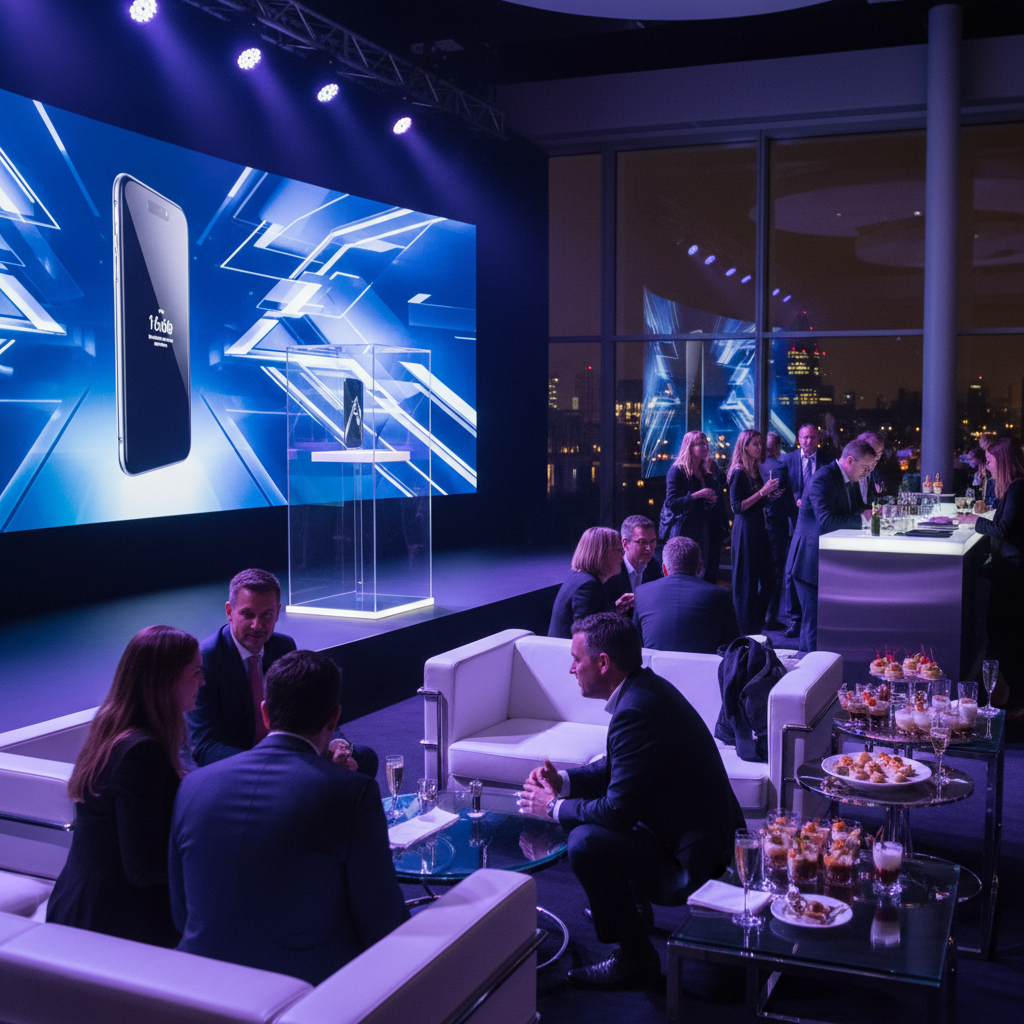
Corporate product launch, Central London venue
Goal: brand-forward program with smooth press interactions.
- Show-calling with media windows timed to the keynote and live demo.
- Branded lounge zones and photo moments mapped to guest flow.
- AV and catering handoffs scripted; late-night strike completed within venue window.
Intimate nikkah, Harrow
Goal: serene ceremony with natural light and discreet service.
- Soft florals, minimal aisle clutter, and calm guest seating logic.
- Private family space with tea service; photographer brief to capture vows respectfully.
- Quiet show-calling to preserve stillness; departures scheduled in waves.
Let’s Co-Create Your Celebration
If you want expert coordination with cultural fluency and polished styling, we can help. Book a short discovery call to align on goals, timeline, and must-haves. From there, we’ll translate your vision into a clean, workable plan.
Ready when you are. Share your date range, approximate guest count, and priorities. We’ll recommend venues, assemble your core vendor team, and build a timeline that protects the guest experience.
Frequently Asked Questions
These quick answers address common questions London hosts ask about hiring party organizers, timelines, cultural fluency, and vendor coordination. Each response is direct so you can move forward with confidence.
How early should I book a party organizer in London?
For peak months, start 6–12 months ahead. Smaller private celebrations can work on shorter lead times if the venue and core vendors align. Early holds on entertainment and rentals protect the plan.
Can a planner handle cultural rituals like nikkah or sangeet?
Yes. Choose a partner with demonstrated fluency in your traditions. Patel Events specializes in South Asian ceremonies—including nikkah, Gujarati weddings, and sangeet nights—so rituals are observed with respect and precision.
What documents should I expect from a professional planner?
Expect a written scope, a run-of-show timeline, vendor contact sheet, floor plans and seating logic, cue sheets for entertainment, and a brief risk register with contingencies for weather, transport, and power.
Do I need special licenses or notices in London?
Many venues cover licensing. For private properties or outdoor settings, permissions or notices may apply. Confirm with your venue and local authority well in advance to avoid last-minute issues.
Key Takeaways and Next Steps
Decide early whether your event’s complexity warrants a planner. Build logistics before décor, lock key vendors, and keep one source of truth for schedules. If you want a calm show day and culturally accurate delivery, partner with an experienced London team.
- Match planner strengths to event type (private, wedding, corporate, destination).
- Sequence: logistics → design → entertainment; add buffers around live moments.
- Maintain one timeline and contact sheet; confirm insurance and access details.
- For HA3 0PB and Greater London, plan around transport windows and neighborhood policies.