A Practical Guide to Nikkah Planning Near Harrow
Planning a nikkah near Harrow starts with a clear vision, a grounded checklist, and a timeline you can actually keep. Whether you are hosting a small, intimate gathering or a larger celebration, this practical guide breaks the process into manageable steps—from setting intentions and choosing a venue to coordinating the ceremony flow, hospitality, décor, and day-of logistics.
Set your vision and priorities
Begin by discussing the core purpose and tone of your nikkah. Some couples want a quiet, family-first ceremony; others envision a more elaborate celebration with extended guests. Aligning on the essentials early helps every other choice fall into place.
- Purpose: spiritual focus, family bonding, or a broader community celebration
- Scale: intimate (under 50), medium (50–150), or large (150+)
- Atmosphere: traditional, modern, or a balanced blend
- Key experiences to prioritize: ceremony sanctity, heartfelt speeches, photography, hospitality, or décor
- Non-negotiables: preferred date window, separate seating, or specific cultural touches
Create a practical planning timeline
Use this sample framework as a starting point and adapt to your date and guest count.
- 6–9 months out: confirm vision, draft guest list, shortlist venue criteria, set a working budget, begin conversations with an officiant, and outline décor and catering preferences.
- 4–6 months out: lock in venue, officiant date, and core vendors (catering, décor/styling, photography/videography, sound). Start invitation design.
- 2–3 months out: finalize guest list, send invitations, plan ceremony seating and stage layout, coordinate supplier logistics, and confirm menu.
- 3–4 weeks out: confirm RSVPs, finalize run sheet, assign family roles, share timelines with vendors, and prepare emergency kits.
- Event week: reconfirm all times, inspect setup plans, prepare envelopes/contract documents, and designate a day-of point person.
Set a workable budget
Allocate your funds to the areas that matter most to you. A simple split can keep planning decisive and transparent for families involved.
- Venue and logistics: room hire, staging, chairs/tables, lighting, and accessibility
- Ceremony needs: officiant arrangements, microphones, signing table, prayer area
- Décor and styling: backdrop, florals or greenery, aisle accents, tablescapes, signage
- Hospitality: catering, desserts, non-alcoholic beverages, water stations, tea/coffee service
- Photography and videography: ceremony coverage, family portraits, couple portraits
- Sound and music: speech microphones, background nasheeds or instrumentals, playback checks
- Print and stationery: invitations, programs, seating plans, place cards
- Contingency: a buffer for last-minute adjustments
Choose the right venue criteria
Rather than chasing a long list of options, define the criteria that will make your day comfortable, dignified, and smooth for guests.
- Capacity fit: choose a space that suits your confirmed guest count with room for prayer and circulation.
- Layout flexibility: space for a nikah stage or signing table, clear guest seating, and optional separate seating or partitions.
- Accessibility: step-free entry, accessible restrooms, and consideration for elders and children.
- Acoustics and AV: reliable sound for vows, khutbah, and speeches; confirm microphone and speaker positions.
- Vendor access: load-in timings, on-site kitchen or catering access, power points, and setup windows.
- Quiet, respectful setting: ensure the ceremony area can remain calm during the nikkah.
Plan the ceremony flow and roles
Agree the structure of your nikkah with your officiant and families. Clarify names and sequence well in advance so the moment remains focused and serene.
- Processional and seating: who is seated where; whether the couple enters together or separately.
- Introduction and khutbah: microphones tested; water and seating for the officiant.
- Offer and acceptance: confirm wording and audibility.
- Mahr presentation: prepare any documentation or symbolic presentation table.
- Signing: accessible signing table, pens, and witness positioning.
- Concluding supplications and blessings: minimize disruptions; designate a coordinator to manage transitions.
Guest experience and hospitality
Thoughtful hospitality turns a meaningful ceremony into a warmly remembered gathering. Keep comfort and clarity front and center.
- Arrival: clear signage from entry to ceremony area; ushers for seating and prayer arrangements.
- Comfort: water stations, pram space, and a quiet corner for young children if needed.
- Catering style: plated, buffet, canapés, or a tea reception; label dishes clearly.
- Prayer considerations: appropriate space and timing; provide shoe racks and prayer mats if requested.
- Communication: a concise program card helps guests understand the sequence.
Décor and styling essentials
Design with purpose: every element should support the sanctity of the moment and the comfort of your guests.
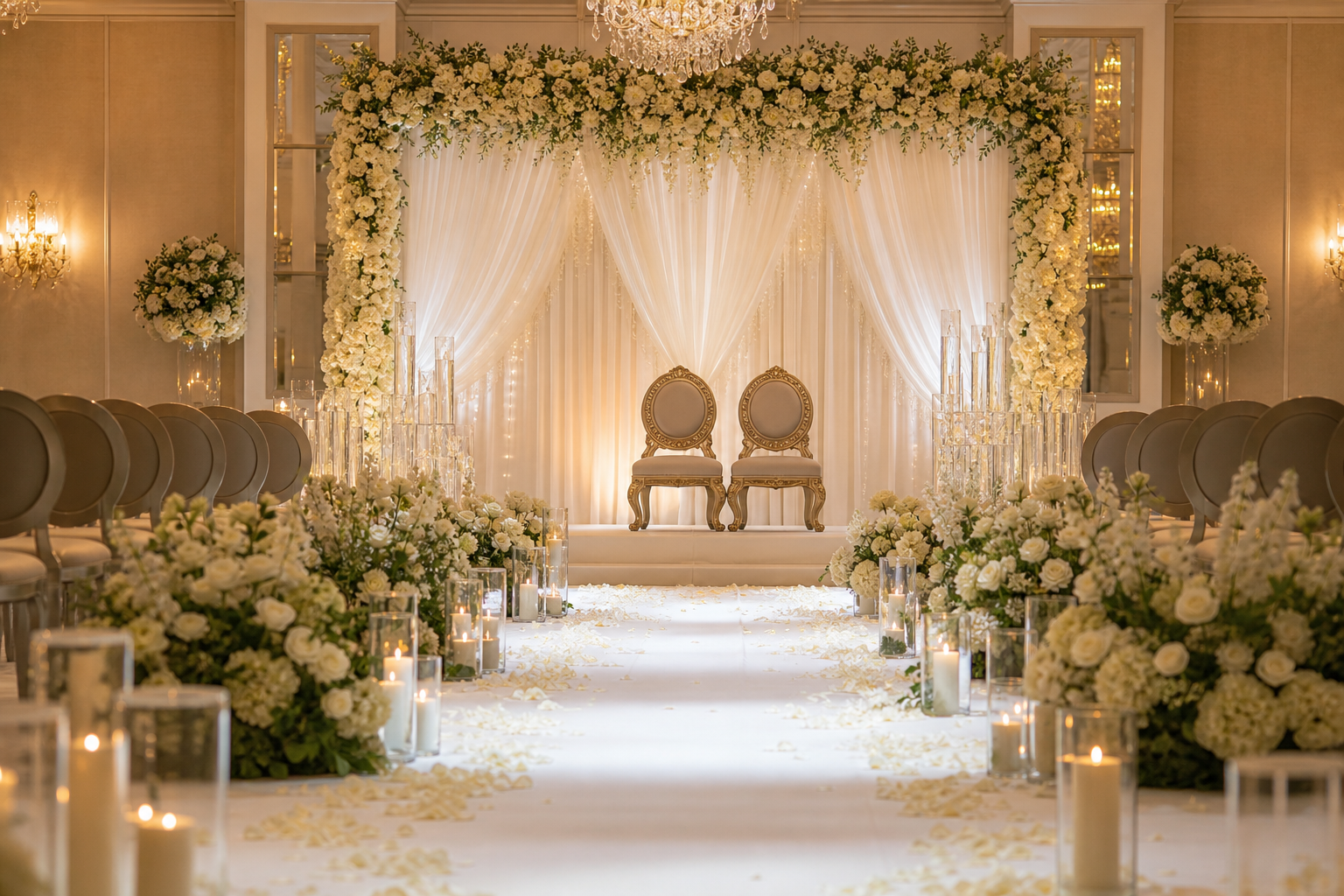
- Focal point: a tasteful backdrop or arch for the ceremony stage and signing area.
- Textiles and palette: complementary linens, soft draping, and a color story that suits your vision.
- Florals and greenery: low-profile arrangements for clear sightlines; consider fragrance sensitivity.
- Lighting: even, warm lighting for faces; avoid harsh uplights behind speakers.
- Signage: welcome board, seating plan, and directional signs to restrooms and prayer spaces.
Photography and videography checklist
Create a short shot list and share it in advance to keep coverage organized and respectful of the ceremony.
- Pre-ceremony: details of rings, mahr tokens, attire, invitation suite, and stage décor.
- Ceremony: offer and acceptance, mahr moment, signing, and dua.
- Portraits: couple, parents, immediate family, grandparents, siblings, and close friends.
- Candid hospitality: greetings, tea service, receiving line, and group smiles.
- Audio plan: confirm microphones and ambient recording for vows and supplications.
Coordination with vendors
Assign one coordinator (a trusted friend or hired planner) to manage communications. Share a single run sheet with contacts, timings, and floor plans.
- Key contacts list: officiant, venue manager, catering lead, décor lead, photographer, videographer, and AV.
- Load-in and load-out: specify windows for each vendor and a map for access points and parking.
- Stage diagram: backdrop width, signing table location, microphone stands, and cable runs.
- Sound check: test before guest arrival; assign a mic runner for backups.
- House rules: agree on volume, food service sequence, and any modesty or photography considerations.
Day-of run sheet template
Use this sample as a guide and customize to your schedule and venue policies.
- 08:00–10:00: vendor load-in and stage setup; sound and lighting checks.
- 10:00–11:00: décor finishing touches; stationery and signing table setup.
- 11:00–11:30: officiant arrives; private brief with couple and witnesses.
- 11:30–12:00: guest arrivals; ushers guide seating; background nasheeds or instrumentals.
- 12:00–12:30: ceremony begins; offer and acceptance; mahr; signing; concluding supplications.
- 12:30–13:00: receiving line and family portraits at the stage.
- 13:00–14:30: hospitality service; tea/refreshments or meal; toasts or brief speeches.
- 14:30–15:00: final portraits; guest farewells.
- 15:00–16:30: vendor load-out; stage breakdown; final checks.
Respectful cultural touches
Small, intentional details can make your nikkah feel personal and dignified while supporting guest comfort.
- Program cards: include transliterations or brief notes on the ceremony’s meaning.
- Modesty and seating: if preferred, arrange separate or family seating with clear signage and ushers.
- Quiet space: set aside an area for reflection or children who need a break.
- Meaningful favors: dates, sweets, or a small card with a thoughtful message.
Contingency and stress reduction
Build in buffers and prepare for the few things most likely to go off-script.
- Weather backup: a covered or indoor plan if any part of your day is outside.
- Sound redundancy: spare microphones and fresh batteries on-site.
- Printed copies: run sheet, shot list, vows (if shared), and contact list in a folder.
- Emergency kit: safety pins, tape, stain wipes, tissues, and a small sewing set.
- Time buffers: 10–15 minutes between major segments for calm transitions.
Sample invitation wording ideas
Keep invitations clear and concise. Include the essentials and any special notes for guests.
- Names of couple and hosts (if applicable)
- Date, time, and precise address
- Dress guidance and seating notes (e.g., separate or family seating)
- Prayer arrangements or quiet reflection space notice, if provided
- RSVP method and deadline
Frequently asked questions
What is a typical nikkah ceremony sequence?
Sequences vary, but many follow a respectful flow: guest seating and welcome, an introduction and khutbah, offer and acceptance, presentation of mahr, document signing with witnesses, and concluding supplications. Confirm specifics with your officiant and families so everyone is aligned in advance.
Final checklist
- Vision and priorities agreed with families
- Confirmed date window and venue criteria
- Officiant aligned on ceremony flow and documents
- Vendors booked: catering, décor/styling, photography/videography, AV
- Seating plan, stage layout, and signage finalized
- Program cards printed; invitations sent and RSVPs tracked
- Run sheet shared with all stakeholders
- Contingency plans and emergency kit prepared