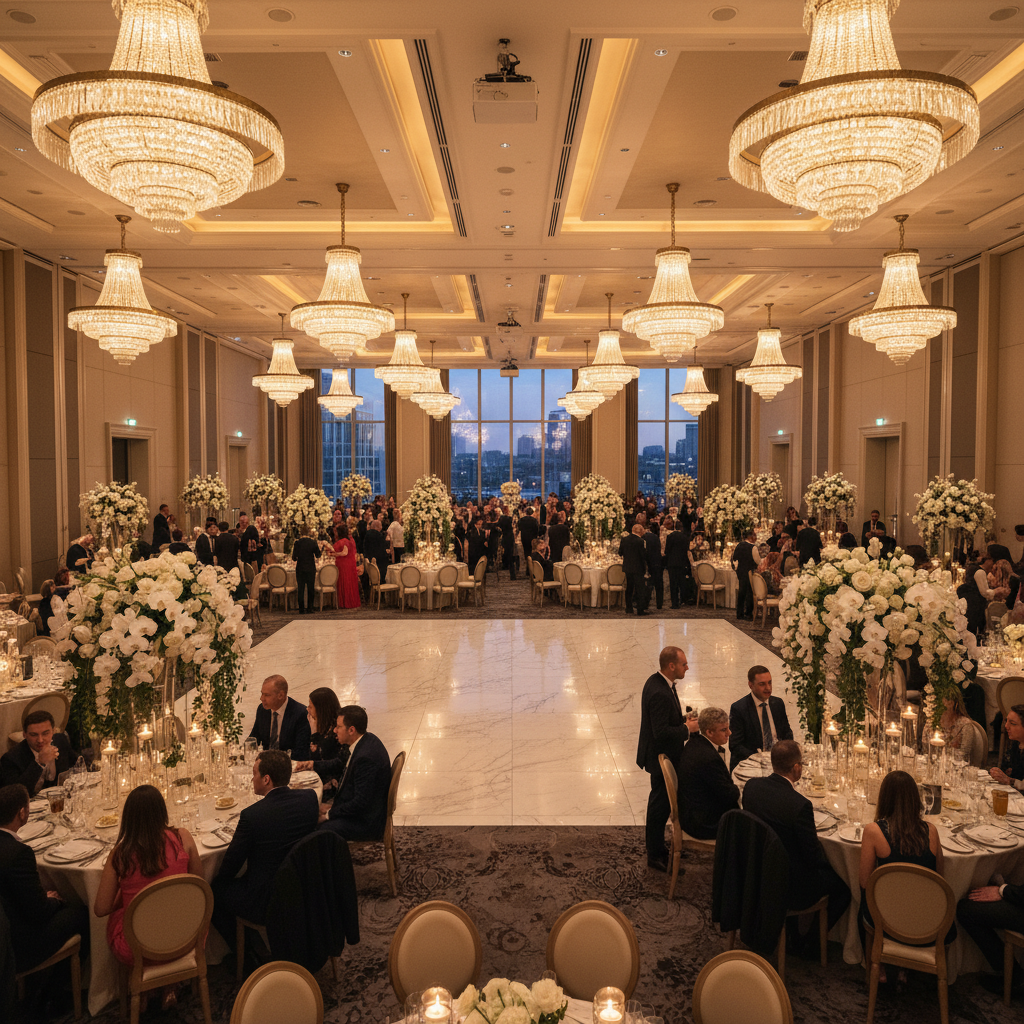
How to plan a grand reception refers to organizing a large-scale, style-forward celebration with a clear vision, precise timelines, and coordinated vendor execution. The process spans 6–12 months and covers venue, design, entertainment, guest flow, and on-the-day control. From our base in HA3 0PB at Abercorn Gardens, Patel Events leads end-to-end planning for elegant receptions in Greater London.
By Patel Events — Shani Patel
Last updated: 2026-05-07
Overview
A grand reception succeeds when vision, guest experience, and logistics align. Define your theme, map a timeline, secure high-caliber vendors, and design smooth guest flow from arrival to last dance. Lock key decisions early, then sequence rehearsals, contingencies, and on-the-day control for a seamless, unforgettable evening.
Planning a grand wedding reception or gala can feel like a thousand moving parts. Here’s the good news: with a structured plan and a seasoned partner, the path gets clear fast.
- What you’ll learn: a practical, step-by-step method that scales to 150–600 guests.
- Why this works: we combine 27+ years, 500+ events, and 50+ vetted vendors into one proven framework.
- Who this is for: couples hosting Gujarati or mixed-ceremony weddings, vibrant sangeets, and corporate teams planning annual galas in Greater London.
- Outcome: strong creative direction, confident vendor management, and smooth show-calling.
Before You Start (Prerequisites)
Set your reception up for success by confirming must-haves first: guest count range, date flexibility, must-include rituals, and a draft budget band. Align vision and non-negotiables with all decision-makers, then shortlist venues that fit capacity, access, and style before contacting vendors.
Strong starts prevent late-stage compromises. A few hours clarifying your direction will save weeks later.
Core inputs to gather
- Guest count bands: Plan for a realistic range (e.g., 250–300) to size venues, staging, and catering.
- Rituals and program: Nikkah signing, Gujarati pheras timing, sangeet performances, toasts, first dance, cake reveals.
- Accessibility and transport: Coach drop-off, valet zone, lifts, and elder-friendly seating.
- Design direction: Palette, textures, florals, lighting temperature, and cultural motifs.
- Decision process: Who signs off on creative, contracts, and last-minute changes.
Documents we create at kickoff
- One-page creative brief: Mood, palette, inspiration images, do’s/don’ts.
- Master timeline: 6–12 months of milestones; critical path highlighted.
- Preliminary floor plan: Stage, dance floor, top table, flow lanes, and bar points.
- Vendor matrix: Roles, response SLAs, backups, and rehearsal needs.
Local considerations for HA3 0PB
- Leverage proximity to Kenton station for guest arrival guidance and post-event departures.
- Peak season in Greater London runs late spring to early fall; lock dates early and plan weather contingencies.
- Noise cutoffs vary by venue; align your DJ and live band cues with house policies to avoid overruns.
How to Plan a Grand Reception: Step-by-Step
Build your reception in ten steps: choose capacity-fit venues, fix the show flow, secure the right vendors, design the room, map the run sheet, rehearse, stress-test logistics, confirm guest services, lock contingencies, and show-call with precision. Each step reduces risk and amplifies guest impact.
You can treat this section like a checklist. Adjust the pace for destination settings like Udaipur or Goa, where freight and permits add lead time.
Step 1 — Lock the venue shortlist and hold dates
- Capacity-fit first: Prioritize clear sightlines to stage and dance floor; avoid pillars blocking speeches.
- Load-in realities: Check service lifts, bay hours, and elevator dimensions for staging and floral rigs.
- Acoustics and power: Assess house PA vs. production-grade audio and 3-phase power availability.
Tip: Create a simple matrix ranking venues across capacity, access, power, curfew, and aesthetics.
Step 2 — Design the guest journey
- Arrival to wow moment: Entry florals, lighting cues, and a short welcome beverage lane.
- Wayfinding: Clear signage to restrooms and seating zones; staff the choke points.
- VIP care: Quiet lounge, prayer space if needed, and discreet concierge for elders.
We map every pause, pivot, and path so the evening feels intuitive and generous.
Step 3 — Set the creative direction
- Theme and palette: From palatial ivory-gold to modern monochrome; define your lighting warmth (e.g., 2700–3000K).
- Signature moments: Floral stage reveal, choreographed first dance, or sangeet-style performances.
- Tablescapes: Layer linens, runners, chargers, and candle heights to build depth and glow.
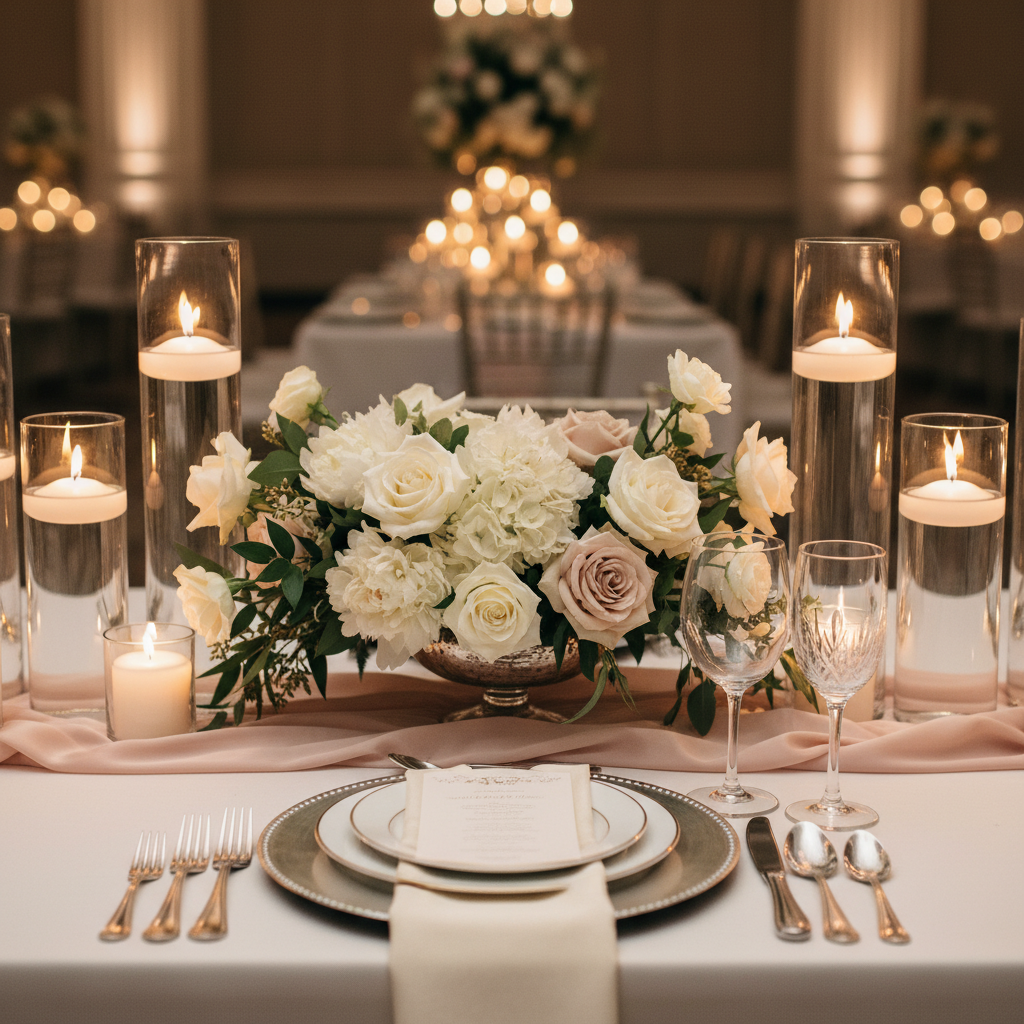
In our experience, edited palettes photograph better and read more upscale in person.
Step 4 — Build the program (run of show)
- Micro-timings: 5–7 minutes per toast; 12–15 minutes for first dance + family dances; 40–60 minutes per dinner course.
- Energy arcs: Alternate speeches and performance blocks to avoid lulls.
- Transitions: Use lighting sweeps and DJ stings to punctuate scene changes.
For a helpful overview of sequence thinking, see this reception timeline planning guide.
Step 5 — Confirm the core vendor team
- Catering: South Asian multicourse service, live stations, and late-night bites; align menu with service style.
- Entertainment: DJ for Events plus live elements (dhol, sax, string quartet) to vary texture.
- Production: Staging, truss, intelligent lighting, and on-site engineer for changeovers.
- Media: Cinematography team for speeches, first dance, and crowd reactions; confirm on-board audio capture.
Vendor synergy is everything. We use a shared comms channel and a day-of cue stack so handoffs are crisp.
Step 6 — Design the room (layouts that move)
- Flow lanes: Keep 6–8 feet between clusters to reduce bottlenecks.
- Dance floor sightlines: Place the top table and stage so every guest can see the high points.
- Service zones: Bar and beverage stations positioned opposite the kitchen path.
We mock up in 2D first, then walk the space with tape to confirm distances and sightlines.
Step 7 — Menu curation and service choreography
- Menu balance: Combine heritage dishes with contemporary plating; flag allergens early.
- Service style: Plated vs. family-style vs. stations; match to guest demographics and pacing.
- Back-of-house timing: Stagger fire times to land courses around speeches.
For perspective on building reception menus, explore this menu planning overview.
Step 8 — Rehearsals and show-calling
- Run-of-show rehearsal: Walk principals through entrances, mic handoffs, and stage blocking.
- Tech check: Line-check mics, test walk-in music, and verify lighting cues.
- Contingency brief: Backup mics, spare in-ears, and a generator plan if needed.
Our show-caller owns the clock, cues, and comms. One voice, no drift.
Step 9 — Guest services and experience elevaters
- Staffing ratios: Brief hosts per 30–40 guests to handle seating and wayfinding.
- Quiet zone: Provide a seated lounge for elders and nursing parents.
- Photo ops: Build one interactive moment (e.g., floral arch, vintage car backdrop) to concentrate crowd energy.
These touches turn a good event into a generous one guests talk about for years.
Step 10 — The night-of command center
- Ops table: Copies of floor plan, vendor list, power map, and cue stack.
- Incident log: Record and resolve issues in real time; close loops before final song.
- Strike plan: Protect floors and walls; confirm rental counts on egress.
We close with a brief huddle, then a morning-after debrief with highlights and learnings.
Process, Timeline, and Roles
Map milestones by month and assign clear owners. A simple table clarifies who decides what and when. Keep decisions front-loaded (venue, vendors, design) and rehearse the program 1–2 weeks out. On the day, a single show-caller runs cues and protects timing.
| Phase | Milestones | Primary Owner |
|---|---|---|
| 6–9 months | Venue holds, creative brief, vendor shortlist | Planner + Couple |
| 4–6 months | Menu tastings, layout drafts, entertainment booked | Planner + Catering + DJ |
| 2–3 months | Final designs, AV plots, invites, transport plan | Planner + Production |
| 1–2 weeks | Rehearsals, run sheet lock, vendor briefings | Planner (Show-caller) |
| Event day | Load-in, soundcheck, guest services, show-call | Planner (Show-caller) |
Troubleshooting
When things wobble, stabilize the timeline, simplify the program, and protect guest comfort. Use backups for sound and power, have a rain or heat plan, and keep a small strike team for surprises. A disciplined show-caller prevents small ripples from becoming waves.
Common issues and fast fixes
- Program running late: Combine two speeches into a joint toast; tighten walk-on music to 8–10 seconds.
- Dance floor empty: Switch to a live dhol/sax drop-in for 6 minutes to reset energy.
- Audio feedback: Swap to a wired mic, reduce stage monitor gain, and re-check mic placement.
- Weather swing (outdoor elements): Activate tent sides or move cocktail hour to the pre-staged indoor lounge.
- Catering delay: Extend a performance block; deploy tray-pass bites to hold the room.
Risk mitigations we bake in
- Redundant audio: Spare handheld and lapel mics; clear RF plan.
- Power resilience: Generator contingency and protected circuits for critical loads.
- Medical readiness: First-aid kit on ops table; venue AED location noted.
- Security brief: Clear bag policy for crew; vendor wristbands to control access.
Advanced Tips (Optional)
Elevate your reception with layered lighting, dynamic entertainment arcs, and culturally resonant details. Use previsualization to test looks, pace the night with live and DJ elements, and weave Gujarati or nikkah traditions into modern design for meaning and memorability.
Design and production upgrades
- Lighting layers: Wash + pinspot + candlelight + intelligent movers for scene changes.
- Previz: Review 3 looks (arrival, dinner, party) and set cue stacks ahead of time.
- Stagecraft: Floating floral canopy or mirrored riser for a heightened focal point.
Entertainment that breathes
- Texture shifts: Alternate DJ sets with 8–12 minute live cameos.
- Interactive moments: Short group dance tutorial or celebrity video message reveal.
- Quiet magic: Bring in a roaming illusionist or tabla duo during dinner transitions.
Cultural depth without cliché
- Ritual framing: Use modern typography-free signage and warm lighting rather than props heavy on text.
- Music curation: Blend classic garba with contemporary remixes to bridge generations.
- Meaningful favors: Regionally inspired, sustainably packaged keepsakes handed out by hosts.
Mini Case Examples (Patel Events)
Real scenarios show what works. We highlight three quick wins: a pillar-free layout that rescued sightlines, a 12-minute energy reset that refilled the dance floor, and a Gujarati-meets-contemporary design that photographed beautifully and moved efficiently.
- Harrow reception, 320 guests: We reoriented the stage to eliminate pillar blockages, widened flow lanes to 8 feet, and boosted pinspots—speeches landed and service sped up.
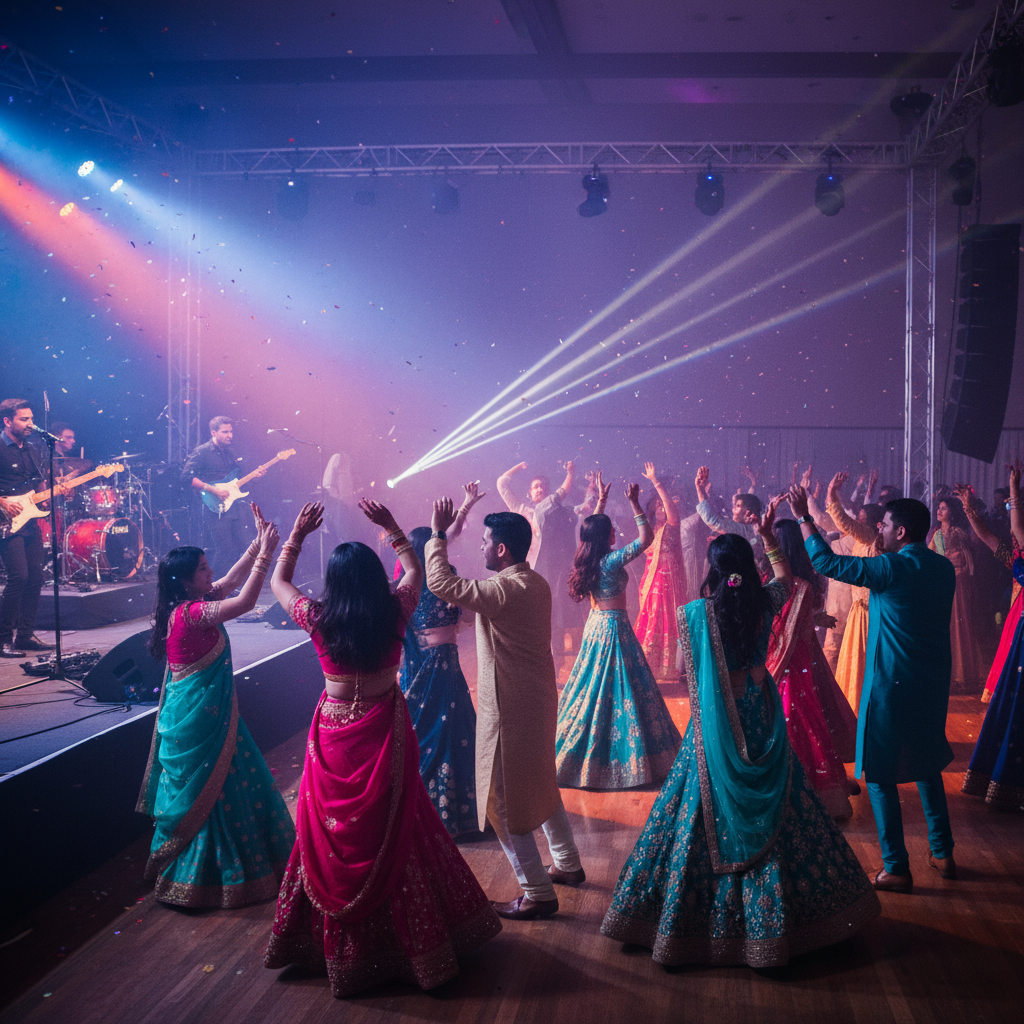
- Central London sangeet night: The floor dipped after dinner; a live dhol and sax cameo plus lighting chase refilled it within 12 minutes.
- Gujarati reception palette: Ivory-gold base with emerald accents and 2700K lighting; the look felt opulent yet warm on camera and in person.
Frequently Asked Questions
Key answers in one place: timelines, vendor order, rehearsal needs, menu pacing, and what a show-caller does. These direct, short responses help you confirm the plan and avoid common pitfalls when hosting a large, style-forward reception.
How far in advance should we start planning a grand reception?
Begin 9–12 months out for peak season venues in Greater London. This window lets you secure capacity-fit spaces, the right entertainment mix, and a cohesive design direction. With shorter timelines, tighten the program and prioritize high-impact elements first.
What’s the ideal order of events for the evening?
A common flow is arrival drinks, couple entrance, first dance, starters, toasts, main course, performance block, cake moment, open dance, and late-night bites. Keep transitions tight with lighting cues and short music stings to maintain energy.
Do we need a rehearsal for a reception?
Yes—run a brief rehearsal for principals one to two weeks out. Walk entrances, mic handoffs, and stage marks. A quick run-through avoids awkward pauses, keeps speeches on time, and gives everyone confidence on the night.
How do you keep the dance floor full?
Alternate DJ sets with short live cameos to vary texture, seed the floor with your wedding party at key drops, and time dessert or late-night snacks to land after a peak song—not during it. These cues keep momentum high.
Additional Resources
Use these prompts as you plan: a run-of-show template, a vendor matrix, and a floor plan checklist. Even without downloads, capturing these three artifacts early prevents drift and keeps every decision aligned with your vision and guest experience.
- Run-of-show template: Segment the night into 5–15 minute blocks; pair each with a cue and owner.
- Vendor matrix: List names, channels, backups, and arrival/strike windows.
- Floor plan checklist: Sightlines, flow lanes, bar/service points, and emergency egress.
Plan with confidence. If you want a seasoned partner for design, logistics, and show-calling, we’d love to help.
Soft CTA: Request a planning chat with Patel Events for your grand reception or annual gala in Greater London.
Conclusion
A grand reception thrives on three things: clear creative direction, disciplined logistics, and a show-caller who protects momentum. Lock early decisions, rehearse the big beats, and design generous guest flow. Do that, and your celebration feels effortless—and unforgettable.
- Key takeaways:
- Front-load choices: venue, vendors, layouts, and lighting.
- Design the guest journey as carefully as the decor.
- Write a precise run sheet and rehearse it.
- Build contingencies for power, weather, and program drift.
Next steps: Outline your brief, map your timeline, and assign owners. Want help? Book a discovery session with our team in HA3 0PB—near Greater London’s key transit links—for a calm, confident plan.