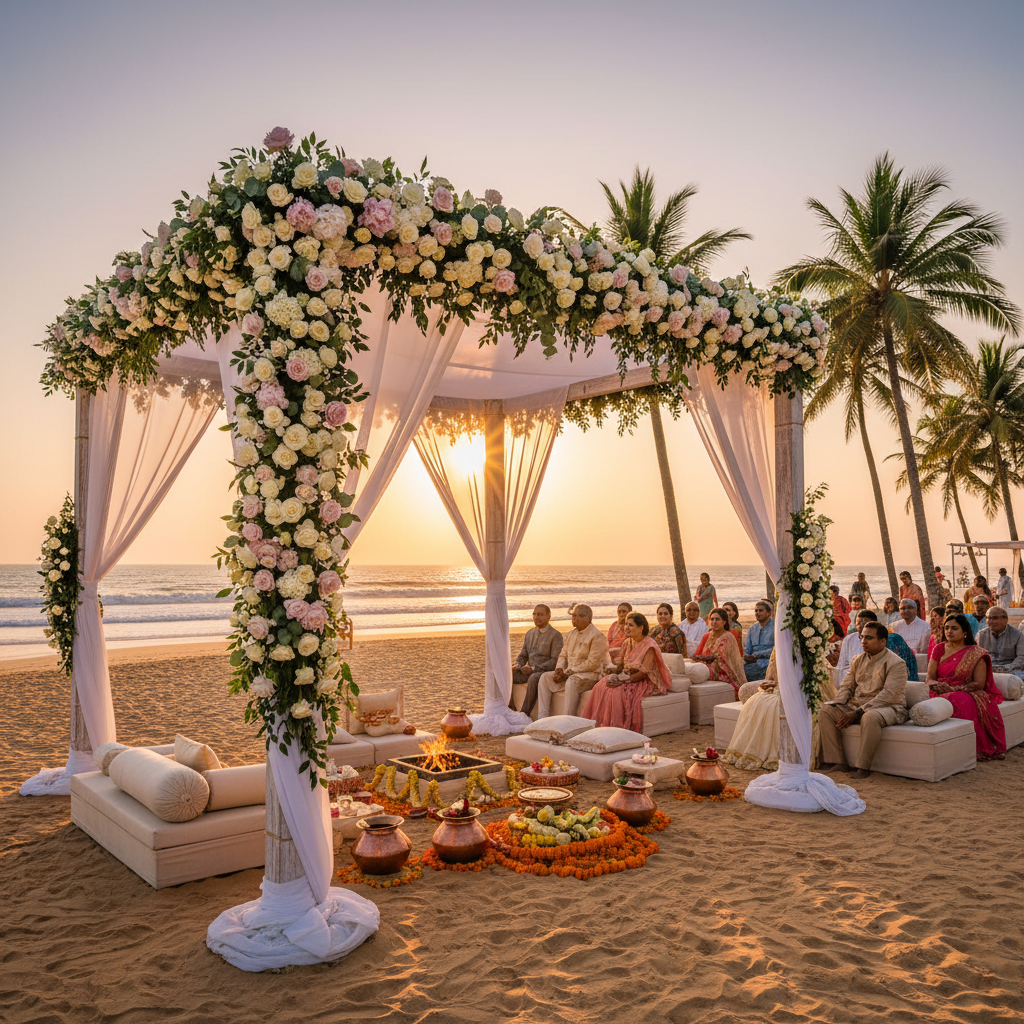
How to plan a Goa destination wedding: define your rituals, secure legal paperwork, book a suitable beach or resort venue, and coordinate travel and styling from our HA3 0PB base at Abercorn Garden. Patel Events handles design, logistics, and vendor management so your celebrations flow across sangeet, ceremony, and reception without stress.
By Patel Events — London/Harrow-based destination wedding planners
Last updated: 2026-05-16
Summary
Planning a destination wedding in Goa starts with a clear vision, 10–12 months of lead time, and a vendor team aligned to your rituals and style. From our HA3 0PB Harrow base in Greater London, we orchestrate venue selection, décor, travel, and ceremony flow so your multi-event celebration feels effortless and culturally faithful.
In this guide, you’ll learn how to shape your vision, choose the right season and region, align vendors, and build an airtight plan for sangeet, ceremony, and reception. We’ll highlight on-the-ground realities in India while showing how our London team coordinates details so you can enjoy the journey.
- Actionable prerequisites to start in the right order
- 9-step planning process from vision to on-site execution
- North vs South Goa comparison for faster venue shortlists
- Real-world troubleshooting and contingency tactics
- Advanced tips drawn from 27+ years and 500+ events
Introduction
A Goa destination wedding blends sunlit beaches, vibrant rituals, and hospitality into a multi-day experience. Success depends on disciplined planning: early dates, vendor alignment, cultural fluency, and weather-ready logistics. Our Harrow-based team connects UK timelines to Indian operations so design and ceremony details land perfectly on the day.
Patel Events specializes in South Asian weddings—nikkah, Gujarati pheras, and colorful sangeet nights—plus polished receptions that feel elevated yet relaxed. We combine décor mastery with vendor coordination, from florals and staging to entertainment and cinematography, so every moment looks refined and runs on time.
Before You Start (Prerequisites)
Set your foundation before contacting venues: define guest count, rituals, dates, and decision roles. Establish a realistic timeline and documentation needs. With these locked, vendor conversations move faster, quotes are comparable, and you protect the creative vision from scope creep and last-minute stress.
Clarify the celebration scope
- Events in scope: Welcome mingles, sangeet, haldi/mehndi, ceremony (pheras or nikkah), cocktail hour, reception, farewell brunch.
- Guest count bands: Intimate (under 80), mid (80–200), large (200+). Counts drive venue, room blocks, and staging.
- Ceremony format: Plan priest/imam availability, language needs, and sacred materials (havan items, nikkah-nama logistics).
Choose a season and hold dates
- Weather windows: Peak sunshine typically runs November–February; summer is hotter; monsoon rains usually June–September.
- Lead times: In our experience, 10–12 months yields the best venue and vendor availability for destination setups.
- Date holds: Place soft holds with two venues to keep options while you validate guest travel patterns.
House rules for decision-making
- Roles: Assign a final decision-maker, a cultural lead (ritual accuracy), and a logistics approver.
- Communication: Weekly check-ins with a shared tracker; escrow key approvals (layouts, menus, entertainment run sheets).
- Documentation: Passports, parental consent if applicable, permits for beach sound and pyrotechnics where used.
Completing these steps turns vendor outreach into apples-to-apples decisions. You’ll know venue capacity needs, weather risk, and ceremony flow—so your shortlist tightens quickly.
Step-by-Step Process
Plan your Goa destination wedding in nine steps: define vision; set season and dates; shortlist regions/venues; map legalities; book core vendors; design sangeet and ceremony; coordinate guest travel; finalize timelines and backups; then rehearse for smooth on-site execution. Each step compounds confidence and protects the creative vision.
Step 1: Define your vision and numbers
Anchor everything to a creative and operational brief.
- Theme and tone: Minimalist ivory-and-sand, vibrant marigold, or palatial glam—tie décor and attire to venue architecture.
- Ritual priorities: Time-sensitive elements like sunset pheras or a dawn nikkah shape run sheets and light design.
- Guest math: Estimate day-by-day attendance; sangeet often sees the highest participation.
Example: For a London-based Gujarati couple hosting 160 guests, we built a “sunset to starlight” narrative: warm haldi palette by day, metallics and candlelight for the reception, keeping travel gaps under 30 minutes between events.
Step 2: Pick season and target dates
- Climate logic: Favor months with lower rain risk for outdoor pheras or reception dinners.
- Light windows: Sunset ceremonies need 90 minutes of pre-dusk setup and a post-ceremony portrait window.
- Religious calendars: Consider auspicious dates and fasting periods to align rituals and catering.
Step 3: North vs South Goa shortlist and site-inspect
Use this quick comparison to point your search in the right direction.
| Factor | North Goa | South Goa |
|---|---|---|
| Vibe | Lively, trend-forward, nightlife nearby | Quieter, resort-centric, serene beaches |
| Access | Often closer to busier hubs | More spread-out; tranquil drives |
| Event privacy | Buzzier surroundings; screen for privacy | Stronger privacy for intimate ceremonies |
| Style fit | Bold sangeets, after-parties | Classic pheras, refined receptions |
- Site inspections: Evaluate ceremony sightlines, wind exposure, back-of-house paths, and rain cover near main lawns.
- Room blocks: Confirm inventory for your peak nights and late check-outs after reception.
- Resort fit: For an objective framework, see these resort selection tips to sharpen your criteria.
Step 4: Map legalities and cultural protocols
- Ceremony documentation: Coordinate religious officiants early; secure letters, witness plans, and any venue-specific permissions.
- Name and document consistency: Passport and booking names should match to avoid check-in friction and certificate edits.
- Permissions: Beach sound windows and drone usage often require prior notice or permits—build them into the timeline.
Step 5: Book your core vendor team
- Venue and catering: Lock the venue, then menus and service style. Use menu planning guidance to balance regional Goan flavors with guest dietary needs.
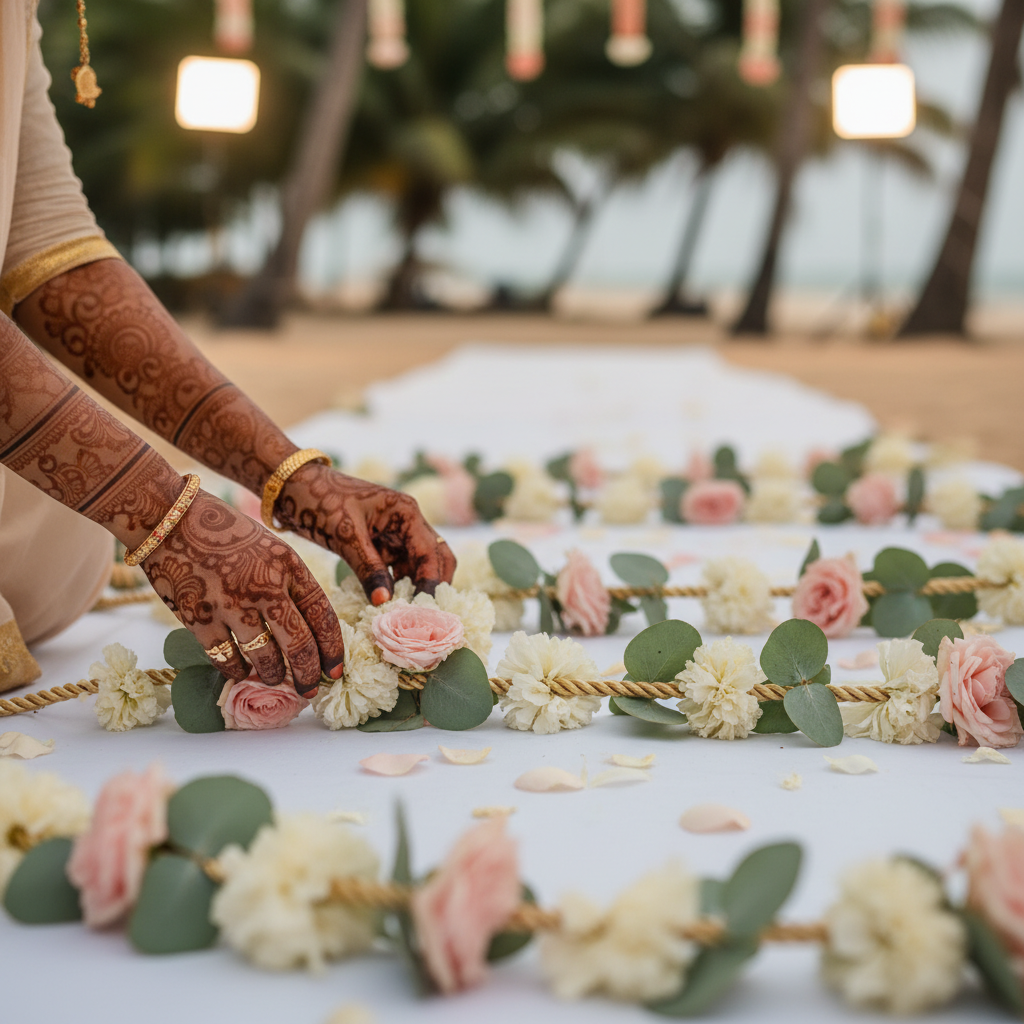
- Design and décor: Mandap or nikkah canopy engineering, florals, stage design, aisle treatments, and lighting.
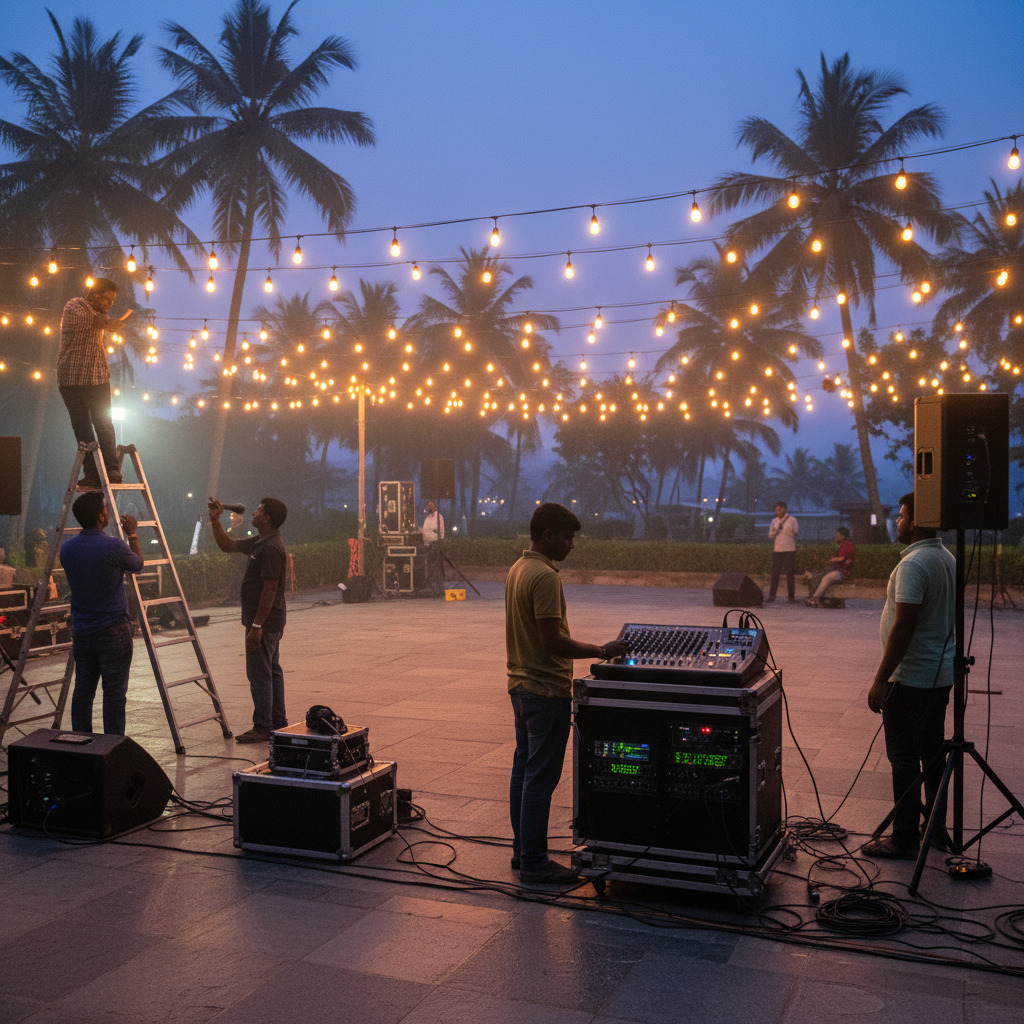
- Capture and sound: Cinematography, photography, DJ/band, and an AV lead who understands outdoor acoustics.
Step 6: Design the sangeet and main ceremony
We script a dramatic arc so each event feels distinct yet cohesive.
- Sangeet flow: Rehearsed performances, live singers or DJs, and a dance floor reveal that photographs beautifully.
- Pheras/Nikkah: Sacred timing, aisle lengths, seating comfort, and mic’ing for vows and speeches.
- Visual continuity: Palette evolves from mehndi/haldi brights to ceremonial elegance to reception sparkle.
Step 7: Lock guest travel and hospitality
- Travel patterning: Cluster arrivals to simplify shuttles; staggered check-ins keep lobby flow smooth.
- Welcome touchpoints: Hydration stations, sunscreen trays, welcome bags, kids’ kits, and prayer-time accommodations.
- Guest briefings: Clear dress codes and footwear notes for sand or lawn surfaces help everyone relax.
Step 8: Finalize master timeline and contingencies
- Minute-by-minute run: Transport, décor drops, sound checks, and photo calls align to golden-hour windows.
- Rain and wind plans: Covered alternates, sand-friendly staging, and non-slip runner paths.
- Power and compliance: Backup generators sized to AV load; documented handovers for safety elements.
Step 9: Rehearse and go live
- Stage walk-throughs: Processional order, cue lights, and mic tests for vows and speeches.
- Showcalling: A single showcaller keeps vendors synced and the couple stress-free.
- Debriefs: Quick post-event huddles ensure setup learnings roll into the next function.
Troubleshooting: Preventing Last-Minute Surprises
Most destination wedding issues trace back to unclear scope, weak backups, or delayed decisions. Fix them early: freeze priorities, document backups for weather and power, and assign a single showcaller. With clear roles and daily debriefs, small hiccups never snowball into program delays.
Common pitfalls and fixes
- Weather pivots: Keep a covered site mapped and styled; decide at a set “go/no-go” time to protect vendor hours.
- Sound spill or curfews: Calibrate PA coverage and monitor levels; open with high-energy blocks earlier in the night.
- Overheating guests: Shade sails, misting fans, cool towels, and chilled welcome drinks ease midday events.
- Delayed shuttles: Build float in the timeline and place a coordinator at pick-up and drop-off points.
- Ritual materials missing: Pre-pack sacred items per event; have a labeled backup kit on-site.
Rapid recovery checklist
- Execute the rain plan as pre-approved—no design debates on event day.
- Switch to a condensed photo list if daylight fades.
- Re-sequence sangeet acts to maintain crowd energy when a performance runs long.
We treat every contingency as choreography. The couple stays present; the show keeps momentum.
Advanced Tips From 27+ Years of Planning
Elite outcomes come from micro-optimizations: design for wind, keep guest paths short, script audio like theater, and pre-approve layouts. We front-load decisions in London, then execute with precision in Goa so the celebration feels effortless and photogenic at every turn.
Design and logistics that elevate the experience
- Wind-aware styling: Favor wired florals and weighted bases; secure fabric with hidden anchors.
- Lighting arcs: Warm wash for welcome, jewel tones for sangeet, candle-forward ceremony, twinkle-heavy reception.
- Guest flow: Keep walks under 5 minutes between spaces; cluster hydration and shade near photo spots.
- Show flow: Break speeches into short segments between courses to avoid energy dips.
- Hospitality cues: Offer barefoot-friendly paths on sand and heel savers on lawns.
Team structure that keeps you calm
- One point of truth: A master production deck with final layouts, cue sheets, and contact trees.
- Vendor village: Consolidate back-of-house for faster resets; stage labeled crates per event.
- London-to-Goa bridge: Our Harrow team runs approvals on UK hours; our India crew executes on-site.
Local considerations for HA3 0PB
- Plan consultations around London commuting windows; we’re minutes from Kenton station for swift in-person design reviews.
- Schedule virtual walk-throughs during India’s evening so both teams are fresh the next morning in Greater London.
- When hosting fittings or décor samples near Preston Road Station, reserve parking windows for vendor load-ins.
Frequently Asked Questions
Couples ask about timing, on-site roles, and weather pivots most often. Lock dates 10–12 months out, appoint a single showcaller, and pre-approve rain plans. With these in place, the rest of Goa wedding planning—menus, décor, performances—becomes focused and far less stressful.
How far in advance should we start planning?
Begin 10–12 months before the wedding. That window secures quality venues and vendors, protects your preferred dates, and gives time for visas, room blocks, and design approvals. Shorter timelines work, but expect fewer options and tighter decision cycles.
Do we need to visit Goa before booking?
It’s helpful but not mandatory. We often run virtual site tours with measurement photos, wind notes, and live video. When possible, we schedule a focused 48-hour inspection to finalize layouts, rain covers, and hospitality paths.
How do you keep rituals culturally accurate?
We collaborate with your priest or imam early, confirm language and ritual materials, and script cues into the showcall. Sacred items are pre-packed with backups, and audiovisual support ensures vows and prayers are heard clearly without disrupting sanctity.
What if it rains on the day?
Have a covered alternate booked and styled in advance. We set a decision time, re-map processional paths, adjust audio to reduce feedback, and bring in wind-secured florals. Guests are guided with clear signage and ushers so flow stays intact.
Conclusion
A standout Goa destination wedding comes from early decisions, ritual fluency, and airtight logistics. Define scope, respect climate and access, build a trusted vendor team, and rehearse the show flow. With London approvals and Goa execution, your celebration will feel seamless, personal, and unforgettable.
- Key takeaways: lock dates early, design for wind and sun, protect backups, and keep one showcaller in charge.
- Next steps: finalize your guest count bands, choose season and region, and schedule a planning huddle with our team.
Ready to start? Let’s map your Goa celebration from our HA3 0PB base—rituals, venues, and guest journeys—so you can focus on the joy.
Additional Resources
Use concise tools to stay in control: a one-page creative brief, a master timeline, and a site map for Plan A/B setups. With these, approvals run faster, vendor notes stay synchronized, and event-day execution becomes calm and predictable.
- One-page creative brief template covering theme, palette, and must-have moments.
- Master timeline with travel floats, golden-hour notes, and cue sheets.
- Plan A/B site maps with power, audio, and hospitality positions clearly marked.
- Performance cue tracker for sangeet acts and speeches.
- Ritual materials checklist per event with labeled backups.
For venue frameworks, these resort selection criteria are a helpful sanity check. For hospitality design, Indian wedding planning tips can spark useful checklists. For menu structure, see menu planning guidance to balance regional tastes.