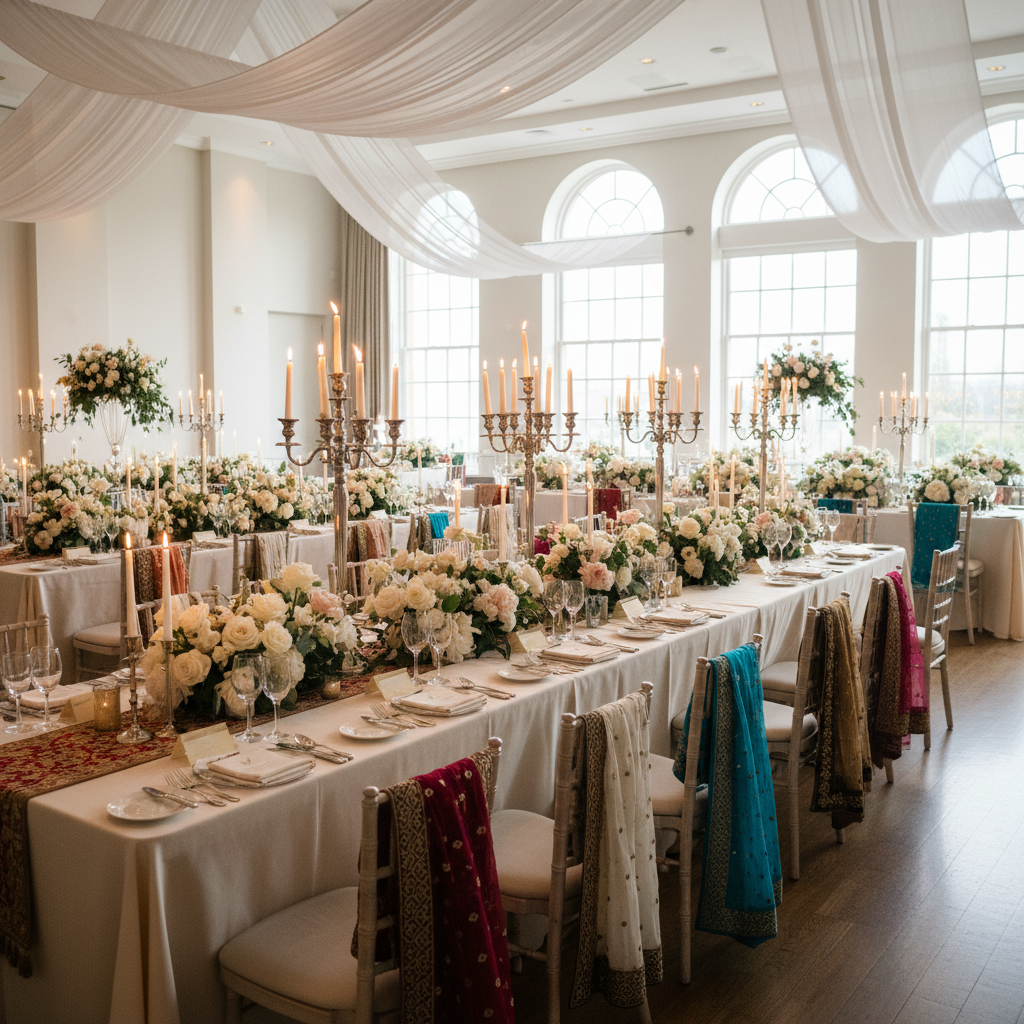
Choosing a wedding decor style is the act of translating your story into a cohesive palette, textures, and cultural accents that guide every design decision. For couples near HA3 0PB in Greater London, Patel Events uses a clear, step-by-step approach so you know exactly how to choose wedding decor style with confidence and cultural integrity.
By Patel Events • Last updated: 2026-05-01
Quick Summary
Define your priorities, set design guardrails, and choose one anchor inspiration that shapes everything else. Validate the look against venue rules, guest comfort, and rituals. Then lock vendors and timelines. This guide delivers a practical framework you can apply today, including steps, troubleshooting, and advanced tips.
We’ve delivered 500+ events with a 98% client satisfaction rate across London and beyond. That experience informs a simple framework any couple can use. You’ll see where culture, logistics, and style meet—so your decor stays beautiful, feasible, and true to you.
Local considerations for HA3 0PB
- Confirm vendor load-in windows around Kenton station rush times to avoid congestion near residential streets.
- Winter in Greater London gets dark early; plan ceremony lighting layers and warm color temperature for photographs.
- If guest arrivals use Preston Road Station, add clear wayfinding decor at the entrance to streamline flow.
Before You Start (Prerequisites)
Clarify your non-negotiables, guest count, venue rules, rituals, and timeline before choosing a wedding decor style. These constraints become helpful design guardrails, saving weeks of revisions and ensuring vendors can execute safely and on schedule.
Strong foundations prevent design drift. In our experience planning South Asian weddings and Western ceremonies across Greater London, couples who set constraints early land decisions 2–3x faster. Here’s how to establish those guardrails.
Set your design guardrails
- Define the feeling: Three words only (e.g., "palatial, floral, joyful"). This aligns every choice.
- Pick one anchor: A mandap style, heirloom textile, or venue chandelier that everything else supports.
- Identify cultural must-haves: Nikkah stage geometry, sangeet dance area, garba-friendly floor space.
- Decide guest comfort priorities: Sightlines for elders, accessible aisles, temperature control around candles.
Audit logistics before aesthetics
- Venue realities: Ceiling height, flame policies, rigging points, loading dock distance, noise curfews.
- Timeline: Ceremony length, room flips, sound checks, and sangeet rehearsals determine feasible decor.
- Guest count and table math: Table diameters impact centerpiece scale and aisle width.
- Vendor ecosystem: With 50+ trusted partners, we match designs to florists, fabricators, and lighting crews that fit your brief.
Document and decide
- Create a 1-page brief: Anchor image, three words, palette swatches, and required rituals.
- Pick decision-makers: Appoint one final approver to reduce loops.
- Lock dates early: For multi-day weddings, lock sangeet, nikkah, and reception timelines to coordinate decor flips.
Example: A Gujarati couple in Harrow chose an heirloom bandhani textile as the anchor for their mandap. We pulled its crimson and saffron into florals and lighting, then softened reception tables with neutral linens for balance. Guardrails made every downstream decision faster.
Step-by-Step: How to Choose Your Wedding Decor Style
Choose your wedding decor style by anchoring one inspiration, mapping a palette, selecting textures, pressure-testing against venue rules, and prototyping one full table or stage. Iterate once, then document vendor specs and lock the install schedule.
Here’s our proven, repeatable flow. We’ve executed this across 500+ weddings, sangeets, and receptions, from intimate nikkah gatherings to grand Gujarati celebrations.
Step 1 — Capture one true anchor
- Pick a single image or object: A floral mandap photo, sari embroidery, or venue chandelier.
- State the story: In one sentence, describe why this matters to you both.
- Commit: Everything supports the anchor; if a choice fights it, it’s out.
Step 2 — Build a palette that behaves
- Choose 1 base, 2 accents, 1 metallic: Example: ivory base, saffron + peacock teal accents, brushed gold.
- Balance saturation: Keep one accent dominant; the other adds moments of surprise.
- Lighting fit: Test colors under warm candlelight and cool LEDs; hues shift significantly on camera.
Step 3 — Texture and pattern hierarchy
- Layer with intention: Linen texture, floral form, metal finish, and surface sheen should tell a single story.
- Respect cultural motifs: Jaali patterns, paisley, or geometric trellises can modernize without losing meaning.
- Use negative space: Give bold motifs room to breathe so the room feels curated, not cluttered.
Step 4 — Reality check with the venue
- Ceiling and rigging: Confirm weight limits before designing suspended florals or chandeliers.
- Open flame policies: Many venues restrict taper candles; opt for enclosed hurricanes if needed.
- Load-in path: Long corridors change what set pieces are feasible in the time available.
Step 5 — Prototype one complete unit
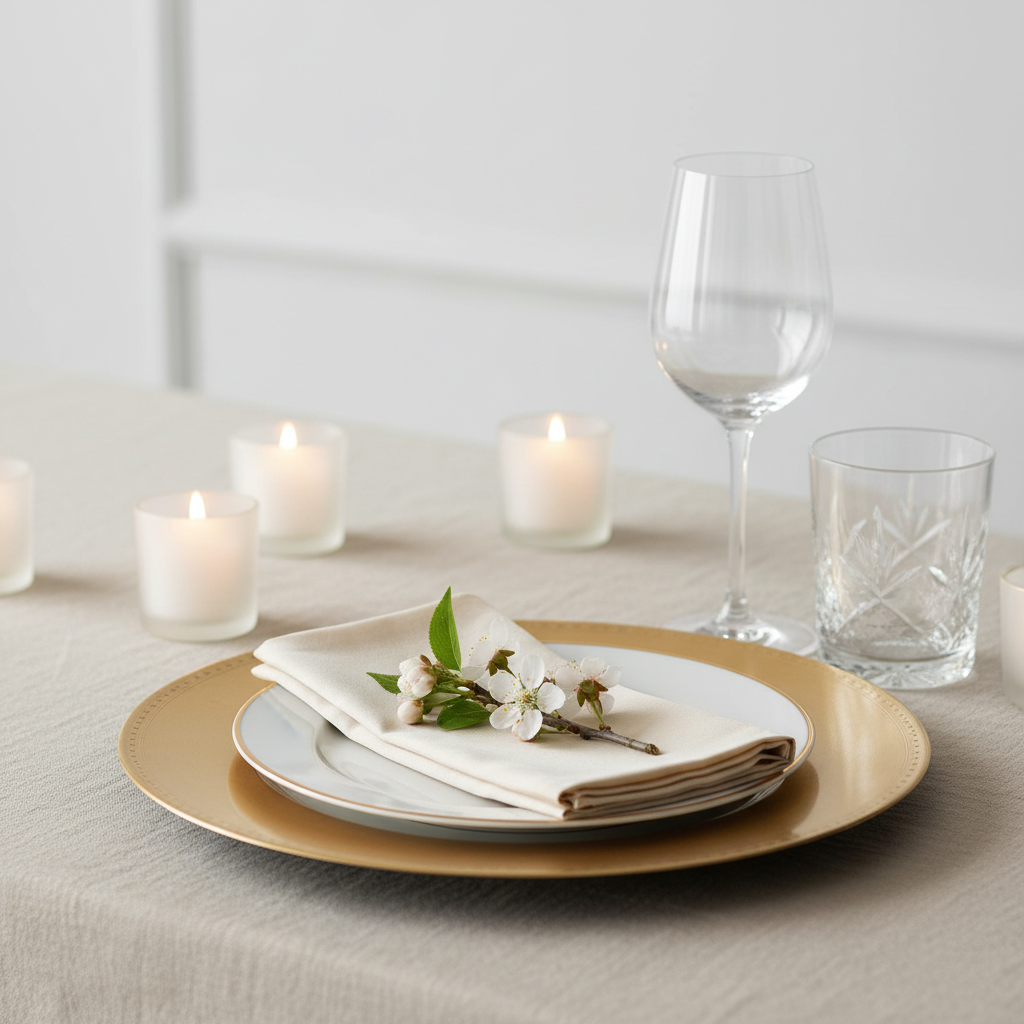
- Tablescape mock: Set one full table with linen, charger, napkin fold, menu placeholder, and centerpiece scale.
- Stage vignette: For nikkah or mandap, test backdrop height, seat spacing, and aisle framing.
- Film it: A 30-second phone video under event lighting reveals color shifts and glare you’ll miss in photos.
Step 6 — Align stakeholders
- Family walkthrough: Show the prototype; gather specific feedback tied to anchor and guardrails.
- Vendor spec sheet: Quantities, dimensions, installation order, and safety notes avoid day-of confusion.
- Finalize cultural details: Confirm placement for rituals, e.g., Qur’an stand on nikkah stage or garba dance floor layout.
Step 7 — Lock the install plan
- Create a minute-by-minute: Load-in, staging, florals, lighting focus, sound check, photo tests.
- Room flip choreography: Assign roles and time stamps for sangeet-to-reception transitions.
- Sign-off: One approver signs the plan to prevent last-minute scope creep.
| Process Stage | Goal | Output |
|---|---|---|
| Anchor | Unify decisions | 1-page brief with anchor image |
| Palette | Consistent color behavior | Base + 2 accents + metallic |
| Textures | Depth without clutter | Hierarchy of materials and motifs |
| Venue Check | Feasibility | Constraints list |
| Prototype | Proof of concept | Tablescape/stage mock |
| Alignment | Shared vision | Spec sheet + approvals |
| Install Plan | Predictable execution | Run of show |
Example: For a 250-guest reception in Greater London, we prototyped one 72-inch round table with a low floral bowl to protect sightlines. We filmed the mock under warm LEDs and replaced reflective glass chargers with brushed metallics after glare appeared on camera.
Troubleshooting Your Decor Direction
When your decor feels off, return to the anchor and remove elements that don’t support it. Re-test lighting, scale, and pathways. If conflicts persist, downshift saturation, simplify textures, or re-sequence the installation to protect guest comfort and rituals.
Even strong concepts wobble during execution. Here are the fixes we use when a design starts to drift.
Problem: It looks busy on camera
- Reduce pattern density: Move bold prints to smaller surfaces (napkins, cushions).
- Lower centerpiece height: Protect sightlines for speeches and elders.
- Unify candle hardware: Mixed metals can read messy; choose one finish family.
Problem: Family preferences conflict
- Return to the three words: Ask which option best serves the agreed feelings.
- Offer A/B mockups: Present two compact prototypes to compare impact quickly.
- Honor a heirloom: Feature one family textile or object prominently to build consensus.
Problem: Venue rules limit your idea
- Swap the medium, not the mood: If open flames are out, use enclosed hurricanes or LED candles behind frosted glass.
- Go vertical with greenery: Lightweight trellises create height within rigging limits.
- Use projection: Wash patterns or a starfield onto drape without physical weight.
Problem: Cultural elements feel token
- Scale up: A small motif looks like an accent; a large, intentional motif reads as identity.
- Repeat with rhythm: Echo the pattern in three places—stage, bar front, stationery.
- Choose authentic materials: Real textiles and florals elevate meaning over props.
Real-world fix: For a sangeet near Harrow, our initial lighting washed out the lounge textiles. We reduced blue LED intensity by 15%, warmed the whites, and the colors came alive—proof that minor recalibration can rescue a design without new spend.
Advanced Tips for a Cohesive Look
Elevate your wedding design by integrating culture at scale, choreographing lighting with color science, and prototyping one hero vignette. Treat scent, sound, and sightlines as design materials so the guest experience stays immersive and effortless.
These pro-level moves come from 27+ years in event production across the UK and destination venues. Adapt what serves your story.
Design integrations we’ve seen work best
- Mandap mechanics: Hide structural members with foliage collars and cascade florals away from guest sightlines.
- Nikkah geometry: Frame the couple with a clean arch and low seating; avoid tall pieces that block witnesses.
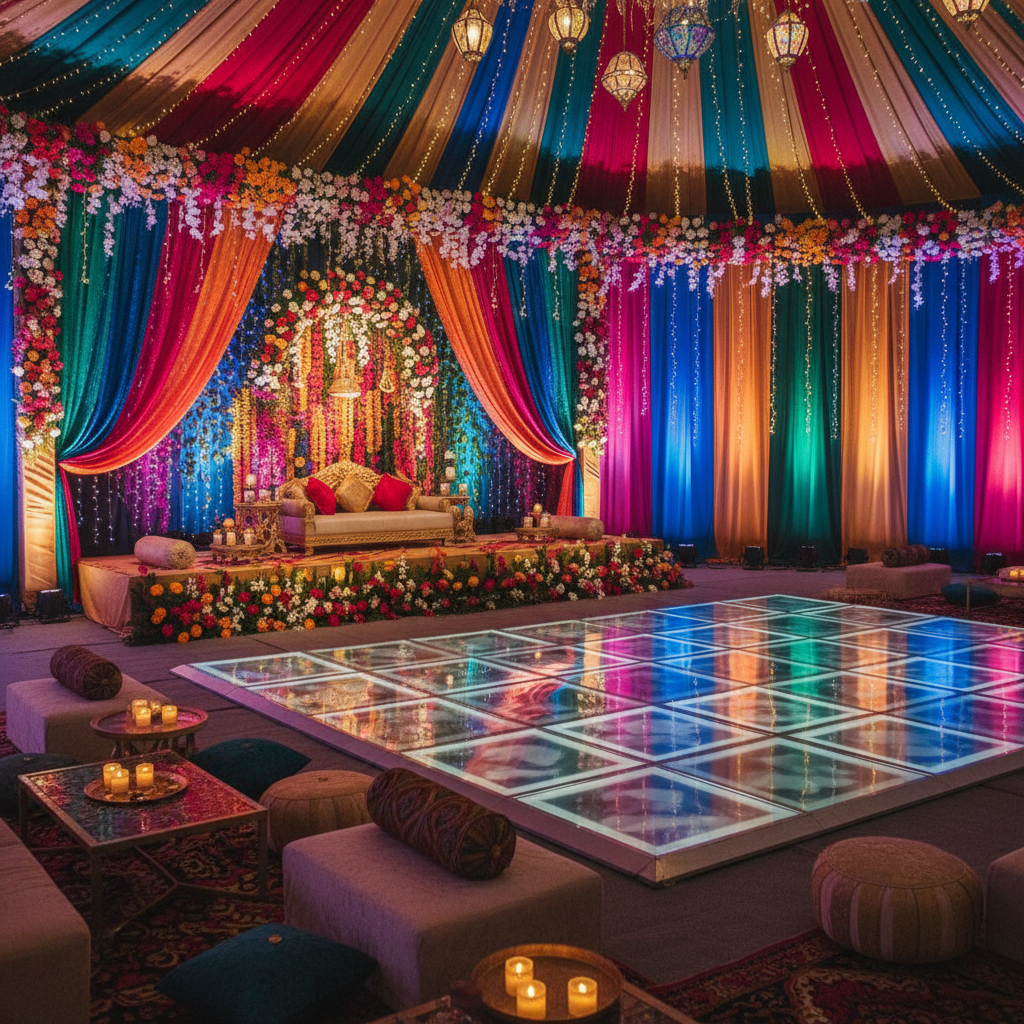
- Sangeet staging: Keep dance floor edges clear; place low lounges at 45° so energy flows toward the stage.
- Garba patterns: Echo circular rangoli motifs in gobo lighting and charger embossing.
- Textile storytelling: Use heirloom bandhani as a bar front wrap or photo backdrop, not only on tables.
- Palette discipline: For rich South Asian hues, keep linens neutral so florals and outfits pop.
- Floral efficiency: Repurpose aisle florals to the sweetheart table during a room flip.
- Lighting color science: Warm 2700–3000K for dinner; lift up to 3200–3500K for dancing.
- Sound as design: Coordinate DJ lighting scenes with your palette to avoid clashing washes.
- Scent strategy: One subtle fragrance near the entrance creates a memorable arrival without overpowering dining.
- Photo-first decisions: Matte finishes beat high-gloss under flash; reduce glare on glassware.
- Destination adaptations: In Udaipur, protect florals from midday heat; in Goa, specify salt-resistant fixtures.
- Vendor choreography: Assign a decor captain to call cues during flips; clarity protects the look.
Decor Style Comparison (Pick What Fits Your Story)
Match decor style to your venue, rituals, and wardrobe palette. If your outfits and venue are bold, choose calmer tables. If both are neutral, add a saturated floral moment to avoid flat visuals.
Use this table to shortlist two styles, then prototype one hero vignette before finalizing.
| Style | Signature Elements | Best For | Watch Outs |
|---|---|---|---|
| Classic Romantic | Ivory linens, soft draping, roses/peonies, candle clusters | Formal venues, timeless photos, mixed-age guest lists | Can feel generic without a personal anchor |
| Modern Glam | Clean lines, acrylic or metallic accents, structured florals | Urban hotels, fashion-forward wardrobes | Reflective glare; balance gloss with matte |
| Boho Luxe | Textured linens, pampas/greens, low lounges, mixed metals | Outdoor or marquee, relaxed sangeet setups | Can skew casual; add one refined element |
| South Asian Heritage Fusion | Jaali motifs, heirloom textiles, saturated accents | Multi-ritual weddings, cultural storytelling | Keep linens neutral to avoid overload |
| Minimalist | Monochrome palette, negative space, sculptural greens | Design-led venues, art museums, short timelines | Risk of feeling sparse; add one hero floral |
Shortlisting example: One London couple wearing deep emerald and ivory chose Modern Glam for the reception but kept the nikkah stage Minimalist. The contrast photographed beautifully and balanced family preferences.
FAQ: Choosing a Wedding Decor Style
Answer common questions quickly: start with one anchor, keep linens neutral if outfits are bold, and prototype one full tablescape. Align the plan with venue rules and rituals, then lock vendors and timelines.
How do I choose a wedding decor style if our outfits are very colorful?
Keep linens neutral and let florals echo one accent color from your outfits. Use your wardrobe as the anchor, then add matte finishes to reduce glare in photos. This balances vibrancy with elegance and keeps the room cohesive.
How can we honor South Asian rituals without the decor feeling heavy?
Scale cultural motifs larger and use them fewer times—stage, bar front, and one wall—so they read as identity, not clutter. Keep linens calm, and let florals carry color. This approach respects tradition while keeping the room modern.
What’s the fastest way to test if a style will work in our venue?
Prototype one full table or a mini stage vignette inside the venue at the correct lighting temperature. Record a short video to spot glare, crowding, or color shifts. Adjust once, then document exact specs for vendors.
How early should decor decisions be finalized?
Lock the anchor and palette 4–6 months out so florists and fabricators can reserve materials. Finalize the prototype and vendor specs 6–8 weeks out, and confirm the installation schedule at least two weeks before the event.
Additional Resources
Build momentum by documenting your anchor, palette, and prototype in a one-page brief. Use that sheet to align family and vendors, then update it after your mock. Consistent documentation protects your vision during fast-moving event weeks.
If you’re planning a brand event, our internal annual gala planning playbook follows the same anchor-to-install flow. For destination weddings in Udaipur or Goa, we translate this framework to local climate and venue logistics while keeping your cultural narrative intact.
Planning Help (Soft CTA)
Need a second set of expert eyes on your anchor and palette? A 20-minute review can unblock weeks of indecision. We’ll pressure-test your plan against venue rules, rituals, and guest comfort so execution stays seamless.
We’ve planned 500+ weddings, sangeets, and receptions with a 98% client satisfaction rate and a trusted network of 50+ vendors. If you want a quick audit of your anchor, palette, and prototype, reach out and we’ll share clear next steps.
Conclusion: Put Your Style to Work
Your decor style should be simple to state, easy to prototype, and practical to install. Anchor the story, build a disciplined palette, and validate with one real mock. Protect guest comfort and rituals, then lock the install plan.
- Key Takeaways
- One anchor image or heirloom drives consistency.
- Base + two accents + one metallic keeps palettes controlled.
- Prototype one full unit under event lighting.
- Align family and vendors with a one-page spec.
- Choreograph the install and any room flips.
Ready to move from inspiration to execution? Book a design huddle with our team in HA3 0PB, and we’ll help you finalize a wedding decor style that’s beautiful, feasible, and unmistakably yours.
Notes on Catering, Venues, and Flow
Your decor doesn’t live in a vacuum—menus, venue layouts, and guest flow shape what works. Coordinate tableware with the menu, confirm service routes with the venue, and place wayfinding where guests actually need it.
Food presentation affects linen and charger choices. For additional menu-planning perspective that ties into tablescape decisions, see this practical take on wedding catering menu planning. And if you’re hosting a large cultural celebration, venue case studies like this Indian wedding roundup show how dance floors and stages impact guest movement—use them as layout inspiration, not rules.