
Full-service wedding planner benefits include end-to-end design, logistics, vendor coordination, and on-the-day execution that protect your time and vision. From our HA3 0PB base on Abercorn Gardens in Harrow, Patel Events delivers culturally precise, stress-free celebrations—especially for multi-ritual South Asian weddings—so you can enjoy your engagement while experts handle the details.
By Patel Events • Last updated: 2026-05-15
What Is a Full-Service Wedding Planner?
A full-service wedding planner is your producer, designer, and project manager in one. They translate your vision into a cohesive plan, secure and direct vendors, build timelines, manage budgets, and lead rehearsals and the wedding day, ensuring every moving part lands flawlessly and on time.
Think of full-service planners as executive producers. They lead creative direction, vendor negotiations, production logistics, guest experience, and contingency planning. For multiday weddings, they coordinate rehearsal dinners, nikkah or pithi, sangeet, ceremony, and reception—keeping traditions and timing in harmony.
- Scope: Strategy, concept, design direction, logistics, vendor management, production schedules, rehearsals, day-of management, and post-event wrap.
- Depth: Cultural fluency for rituals, detailed floor plans, master run-of-show documents, and risk mitigations for weather, delays, or supplier issues.
- Output: A seamless guest experience that reflects your personal story and cultural values.
At Patel Events, our team brings 27+ years of experience, 500+ executed events, and a vetted network of 50+ partners. That depth means your decisions are simpler, timelines are realistic, and rehearsals align everyone—including officiants, elders, and MCs—behind a single, confident plan.
Full-Service Wedding Planner Benefits
The biggest benefits are certainty and time. Full-service planners reduce decision fatigue, prevent avoidable risks, and align dozens of vendors behind one vision. Couples gain clarity, calm, and confidence while their planner handles design, schedules, rehearsals, and day-of execution to deliver a cohesive, joyful celebration.
Across 500+ Patel Events celebrations, these benefits show up again and again. If you’re weighing full-service wedding planner benefits, here’s what couples actually feel during planning and on show day:
- Single source of truth: One leader directs timelines, vendors, deliveries, and room flips so nothing is missed.
- Cultural precision: Ritual sequencing (nikkah, pithi, sangeet, baraat, pheras) is timed and staged with elders’ guidance.
- Design cohesion: Florals, lighting, linens, and stationery feel curated—not pieced together.
- Decision relief: Planners turn endless options into 2–3 right-fit recommendations.
- Vendor network: Trusted pros show up prepared, insured, and aligned with your style.
- Guest experience: Clear signage, smooth transitions, and thoughtful hospitality.
- Risk management: Backup plans for weather, transport, attire, power, and program delays.
- Family harmony: Roles, speeches, and traditions are prepped so everyone feels heard.
- Time back: You focus on the moments, not minute-by-minute logistics.
- On-the-day command: Professional stage management keeps every cue on time.
- Documentation: Master production schedules, supplier confirmations, and layout packs.
- Post-event wrap: Vendor settlements and returns handled with accountability.
- Memories protected: Cinematography and photography are coordinated for coverage.
Here’s the thing: weddings are complex projects. Without a central producer, small issues compound—late load-ins, unclear cues, or traffic delays ripple across the day. A full-service team absorbs that complexity so your family can stay present and your traditions shine.
Why Full-Service Planning Matters in HA3 0PB and Greater London
In HA3 0PB and across Greater London, venues, permits, and transport add complexity. A full-service team local to Abercorn Gardens coordinates vendors across busy corridors, navigates multiday schedules, and aligns cultural rituals with venue policies—so your celebration flows beautifully in a fast-paced metro.
Local context shapes real decisions: delivery windows, loading docks, parking restrictions, and rush-hour buffers all affect timelines. For a sangeet and ceremony on consecutive days, we often stage overnight turnovers, coordinate coach arrivals, and pad schedules for urban traffic and guest accessibility.
Local considerations for HA3 0PB
- Transit timing: Build buffer time around arrivals near Kenton station to avoid peak-hour delays for baraat or guest coaches.
- Seasonal plans: Create weather-resilient options for outdoor photos; winter sunsets come early, so adjust portrait timelines.
- Noise and logistics: Confirm venue sound curfews and coordinate vendor loading near residential areas to maintain goodwill.
We’ve found that a few numeric guardrails keep London timelines realistic. For example, allow 20–30 minutes for vendor load-ins per truck, add 10–15 minutes for elder seating during ceremonies, and buffer at least 15 minutes between staged entrances. Those small margins protect the big moments.
How Full-Service Planning Works
Full-service planning follows a clear arc: discovery and vision, design and vendor curation, production planning, rehearsal, and showtime. Each phase ends with confirmations and contingencies, so every supplier, timeline, and tradition is locked before the first guest arrives.
Here’s the typical end-to-end path we use at Patel Events, adapted to multiday South Asian programs and destination logistics when needed.
- Discovery & priorities: Define vision, guest count targets, cultural requirements, and non-negotiables.
- Concept & lookbook: Mood boards, color palettes, tablescapes, and stage concepts.
- Venue & vendors: Site visits, availability checks, shortlists, and negotiations.
- Production plan: Floor plans, load-in/load-out, lighting plots, AV, and power maps.
- Run-of-show: Cue-by-cue timeline for rehearsal, rituals, and program segments.
- Final confirmations: Consolidated call sheets, delivery schedules, and backups.
- Showtime management: Stage management, guest flow, and rapid issue resolution.
- Post-event wrap: Vendor reconciliations and returns.
| Phase | Primary Outputs | Owner |
|---|---|---|
| Discovery | Vision brief, priorities, scope | Couple + Planner |
| Design | Lookbook, palette, layouts | Planner |
| Vendors | Shortlist, contracts, timeline holds | Planner |
| Production | Floor plans, logistics, power | Planner + Venue |
| Rehearsal | Run-through, roles, cues | Planner + Wedding Party |
| Event Day | Stage management, guest flow | Planner Team |
Many couples appreciate that this mirrors a classic five-phase project arc. For a primer on that model, see this clear overview of project planning phases, then translate the ideas into your wedding context with your planner’s guidance.
Approaches: Full-Service vs Partial vs Day-Of
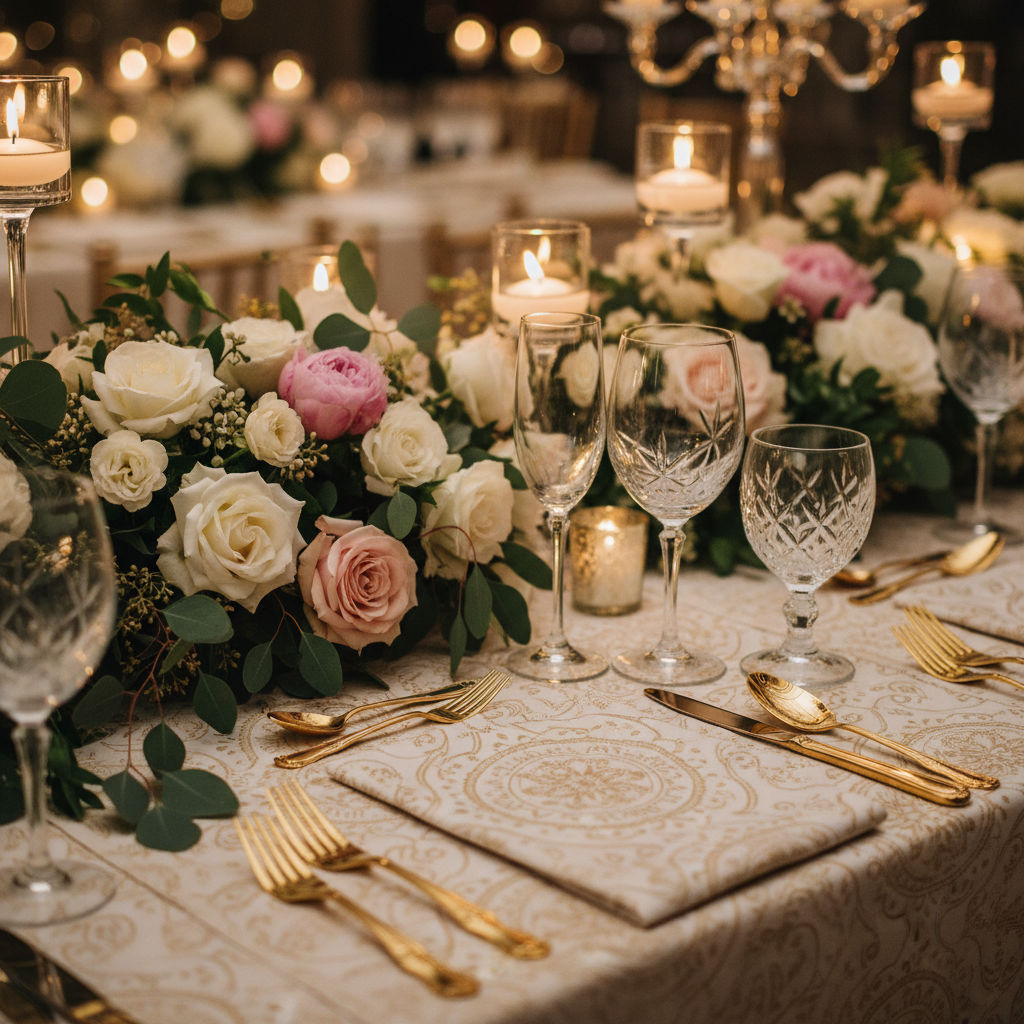
Full-service covers vision through wrap-up. Partial planning supports select phases (often design or vendor curation). Day-of coordination executes a plan you built. The more complex your wedding—rituals, venues, guests—the greater the return from a full-service approach.
Not every wedding needs full-service. If your program is simple, day-of may suffice. But complexity grows quickly with guest counts above 150, multiday rituals, split venues, or elaborate staging. Here’s a quick comparison to help you choose.
| Approach | Best For | What You Handle | What Planner Handles |
|---|---|---|---|
| Full-Service | Multiday, multi-ritual, destination | Vision and choices | Everything else end-to-end |
| Partial Planning | Single-day with some support | Some vendors and design | Specific phases (e.g., design, sourcing) |
| Day-Of | Simple programs | All planning and vendors | Execution of your plan |
In our experience, couples often choose partial planning first, then upgrade to full-service once timelines and vendor volumes expand. That’s normal. Your planner should help you right-size support to your ambitions.
Best Practices to Maximize Your Planner Partnership
Get the most from full-service planning by aligning goals early, consolidating decisions, and trusting your planner’s vendor network. Set clear response rhythms, approve lookbooks promptly, and rehearse with the right people present so cues, roles, and cultural details lock in before show day.
- Prioritize early: Identify your top three non-negotiables (ritual time, décor style, guest comfort). Write them down; revisit monthly.
- Decide in bundles: Approve cohesive sets—stage + tablescape + lighting—to maintain design integrity.
- Use one channel: Centralize feedback to keep versions and confirmations clean.
- Lean on the network: A vetted florist or DJ who already knows your planner’s process reduces risk.
- Rehearse with stakeholders: Include officiant, emcee, and key family so cultural moments run smoothly.
- Confirm logistics early: Transport, parking, and accessibility shape guest experience.
- Prep your wedding party: Share the run-of-show so entrances and speeches are on cue.
- Protect buffers: Keep 10–15-minute cushions around critical transitions.
Pro tip: A clear, visual run-of-show calms nerves. Many venues also appreciate structured documents. For a simple illustration of format, skim this event coordination timeline template and ask your planner for the wedding-specific version they use.
Tools and Resources We Use
We combine creative tools and production systems: design lookbooks, layout software, guest-flow diagrams, call sheets, and run-of-show documents. Shared dashboards keep vendors aligned. For South Asian weddings, ritual timelines ensure respectful sequencing and on-time cues.
- Design boards: Palettes, stage renders, and tablescape mockups.
- Production docs: Floor plans, lighting plots, power maps, and call sheets.
- Ritual timelines: Minute-by-minute cues for nikkah, sangeet, pheras, entrances, and special dances.
- Communication rhythm: Weekly check-ins, milestone sign-offs, and consolidated updates.
- Menu planning aides: We help align cuisine variety, dietary needs, and service flow; here’s a practical lens on wedding menu planning you can use during tastings.
Great tools don’t replace great judgment. They organize details so decisions are faster, reviews are visual, and vendors stay synchronized with your vision and cultural priorities.
Mini Case Studies (Real Scenarios)
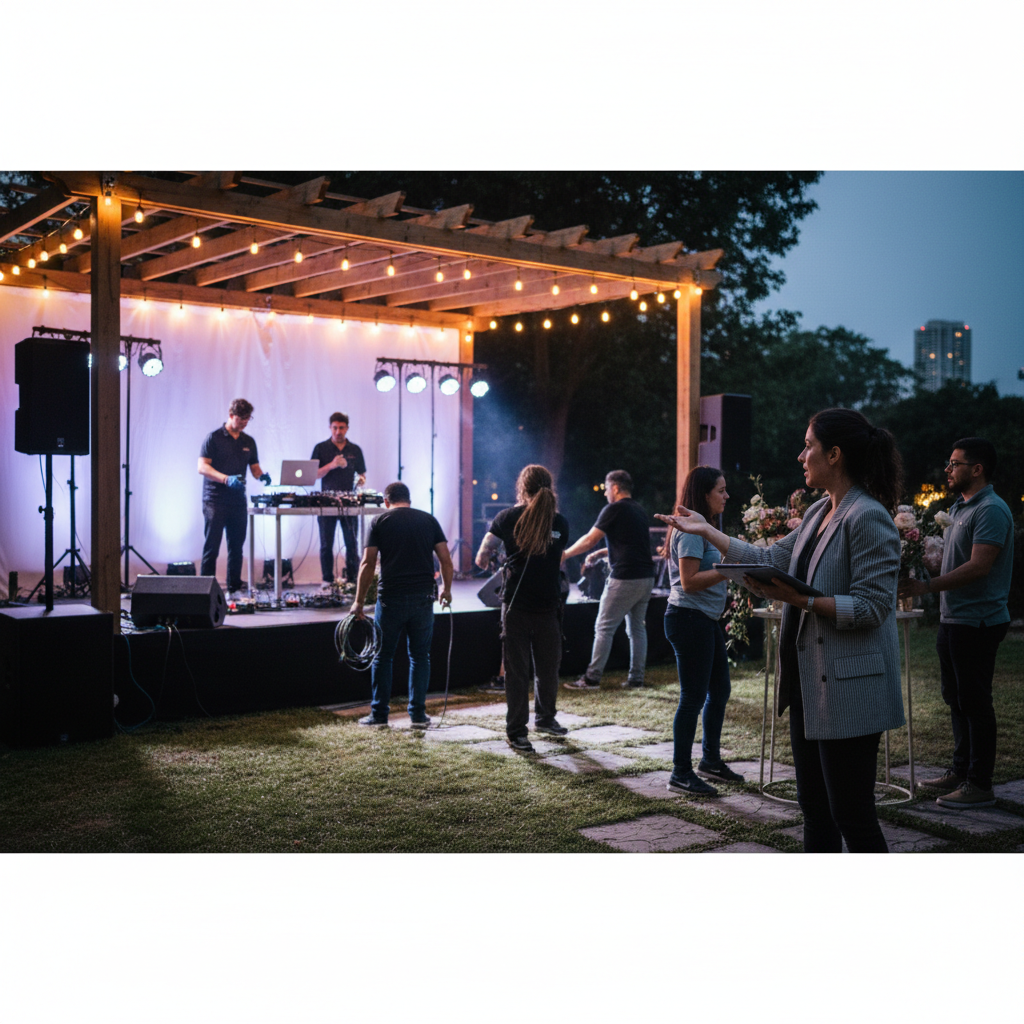
Real weddings show the value: complex rituals coordinated, designs elevated, and timelines protected. With 27+ years and 500+ events, Patel Events delivers calm, cohesive experiences—whether a London nikkah and sangeet weekend, a grand Gujarati reception, or an overseas celebration.
London nikkah + sangeet weekend
Challenge: Two venues, prayer-led timelines, and elder accessibility. Solution: Staggered load-ins, prayer-first cueing, accessible seating plans, and stage design that converted from devotional to dance-ready with a quick flip. Result: On-time transitions and energized guest flow.
Grand Gujarati ceremony and reception
Challenge: Baraat arrivals overlapping with venue deliveries. Solution: Split-call vendor schedule, early outdoor sound checks, contingency route for baraat if traffic surged, and expanded signage for guest flow. Result: No congestion, on-cue entrances, and a smooth handoff to dinner service.
Destination wedding (Udaipur inspiration)
Challenge: Diverse suppliers and customs across borders. Solution: Local partner alignment, early import/prop decisions, ceremony permissions confirmed in advance, and a run-of-show adapted for light and heat. Result: Seamless rituals and guest comfort throughout the program.
Corporate gala crossover
Challenge: A brand-led annual gala requiring polished staging and cue-to-cue precision. Solution: Show-calling discipline from our wedding playbooks—tight cues, rehearsed scripts, and design cohesion—translated into a high-production corporate setting. Result: A refined, on-brand gala that moved like clockwork.
If you’re planning a corporate celebration alongside your wedding year, our cross-discipline experience (including annual galas and conferences) becomes a force multiplier for production quality and pace.
Pricing Factors to Consider (No Numbers, Just What Drives Value)
Value depends on scope, complexity, and duration. Multiday programs, multiple venues, elaborate staging, and international logistics increase planning intensity. The right question isn’t “how much,” but “what’s included, who owns risk, and how will our day be protected?”
- Scope and days: Single-day vs multiday with rehearsals and welcome events.
- Ritual complexity: Number and length of ceremonies and cultural requirements.
- Design ambition: Custom builds, florals, lighting, staging, and live entertainment.
- Vendor volume: More suppliers, more coordination, more confirmations.
- Venues and travel: Turnovers, access windows, shuttles, and guest logistics.
- Documentation needs: Detailed call sheets and run-of-show for larger teams.
What most people don’t realize: answers to these questions shape quality and calm. When responsibilities and deliverables are clear, your day feels effortless—even when the schedule is ambitious.
Frequently Asked Questions
Couples ask about timeline, roles, and how full-service differs from day-of coordination. These concise answers clarify responsibilities, what to expect in planning rhythm, and how to decide if full-service is the right fit for your celebration.
What does a full-service wedding planner actually handle?
Everything from concept and design to vendor sourcing, production plans, rehearsals, and day-of direction. You make key choices; your planner executes the plan, manages risks, and keeps the timeline and guest experience on track.
Is full-service planning worth it for a smaller wedding?
If your program includes cultural rituals, unique design, or tight logistics, yes. Even with fewer guests, a professional handles vendor coordination, schedules, and contingencies so you can focus on the moments, not the moving parts.
How is full-service different from day-of coordination?
Day-of teams run the plan you created. Full-service teams build the plan with you over months—designing, contracting, scheduling, and rehearsing—so execution is smooth and cohesive across every ceremony and transition.
Do you work with our chosen vendors?
Yes. We integrate preferred vendors into the timeline, fill any gaps with trusted partners, and align everyone to one production schedule, call sheet, and design standard.
Next Steps and Key Takeaways
Full-service planning trades chaos for clarity. If your wedding involves multiple rituals, venues, or design ambitions, partner early with a seasoned team. You’ll gain time, protect tradition, and deliver a guest experience that feels effortless and deeply personal.
- Key takeaways: One vision, fewer risks, better guest flow, and more time together.
- Action: Draft your top three priorities and a rough guest count; bring both to your discovery call.
- Confidence: Ask to see sample timelines, lookbooks, and call sheets to understand the process.