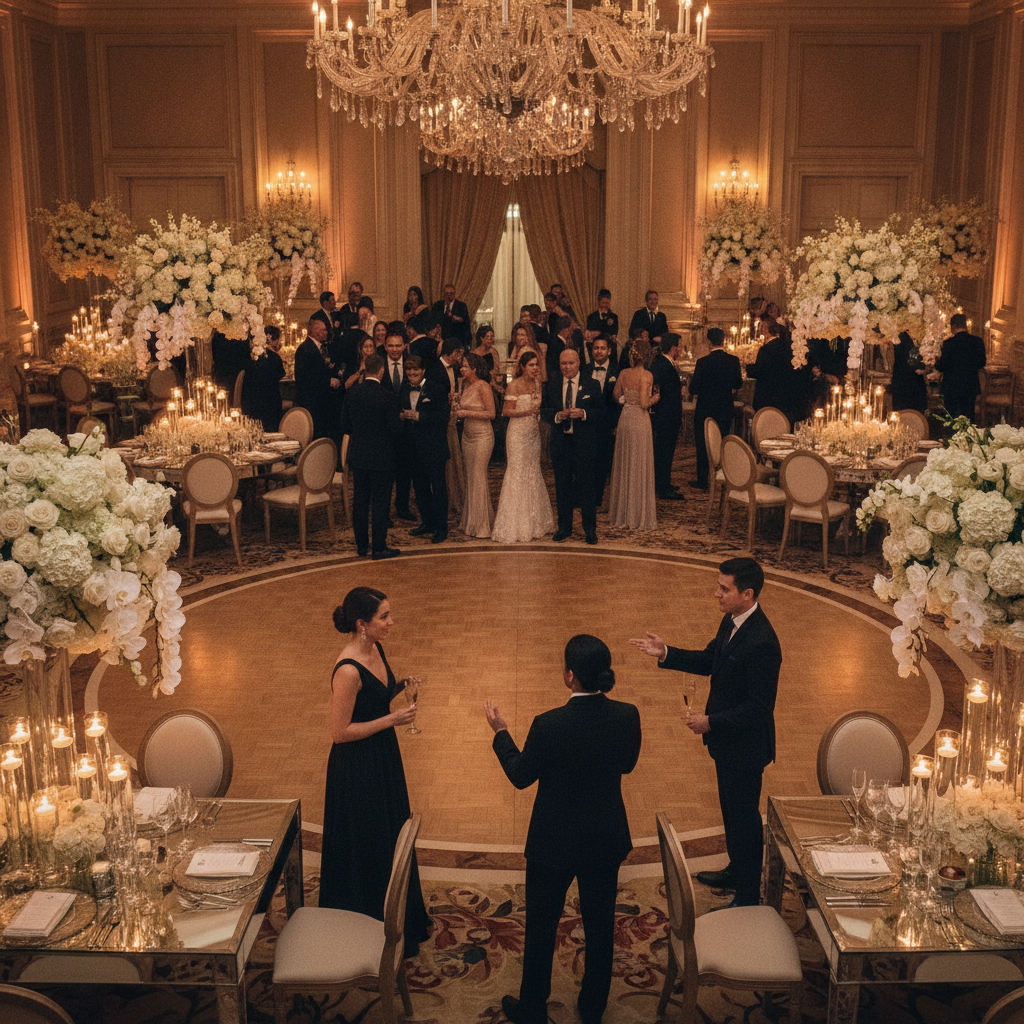
An event planner is a professional who designs, coordinates, and delivers events end to end—from concept, styling, and vendor sourcing to timelines and execution. Based at Abercorn Gardens in HA3 0PB, Greater London, Patel Events provides full-service planning for weddings, sangeets, corporate functions, and private celebrations across the UK and overseas.
By Shani Patel • Last updated: 2026-06-08
Start Here: Your Best Event Planner Options
Choose the right event planner by matching service level to your needs—full-service, partial planning, day-of coordination, destination expertise, or corporate production. Review portfolios, confirm cultural fluency, and check vendor networks. A vetted planner streamlines decisions, safeguards timelines, and elevates guest experience from first brief to final toast.
You’re here because you want your event to feel effortless. This guide explains how an experienced planner turns vision into reality—step by step, with cultural care and creative polish.
- What an event planner actually does, beyond décor and checklists
- Why planning expertise matters in Greater London’s fast pace
- How planning works: from discovery to showtime control
- Service types: full-service, partial, day-of, destination, corporate
- Best practices for smooth decisions and fewer last-minute changes
- Tools and templates planners use to keep everyone aligned
- Real case studies from 500+ Patel Events programs
Summary
If you want a seamless, culturally faithful, and beautifully styled celebration, pair your vision with a planner whose strengths match your scope. For complex, multi-ritual weddings or brand-led showcases, full-service planning ensures one accountable team curates design, logistics, and on-site execution.
In our experience across the UK, clients who clarify scope and lock key vendors early reduce last-minute changes and protect schedules during peak months. With 50+ vetted partners and 27+ years of delivery, one-team ownership simplifies decisions and raises creative quality while keeping guest flow comfortable over 5–6 hour receptions.
What Is an Event Planner?
An event planner is the central project manager for your celebration. They translate goals into a design, secure vendors, build timelines, mitigate risks, and lead on-the-day execution. The result is a cohesive experience where creativity and logistics move in lockstep.
Think of your planner as the conductor. They align venue, catering, décor, entertainment, transportation, photography/cinematography, and run-of-show into a single plan. For South Asian weddings, that means weaving rituals—nikkah, sangeet, pheras—into a flowing guest journey. For corporate events, it means staging high-impact moments that echo brand strategy and KPIs.
- Design direction: Mood boards, color palettes, floral styling, and tablescapes elevated by meticulous details.
- Vendor management: Sourcing, contracting, and QA with a proven 50+ vendor network.
- Logistics leadership: Timelines, transportation, stage management, safety, and contingency plans.
- On-site control: Build, rehearsals, guest flow, stage cues, and strike wrapped with venue handback.
Across 500+ events and a 98% client satisfaction rate, we’ve found that centralizing these roles reduces handoff risk and keeps creative choices consistent with venue constraints and guest comfort—every minute matters when doors open.
Why an Event Planner Matters (Especially in Greater London)
A seasoned planner reduces risk, protects your timeline, and amplifies guest experience. In a busy metro like Greater London, vendor availability, transport, and venue rules add complexity—coordination expertise is the difference between stressful fire-fighting and a celebration that feels effortless.
HA3 0PB sits within a fast-moving region where travel times, permits, and supplier schedules shift quickly. The right partner anticipates pinch points: rush-hour load-ins, sound checks, and dietary accommodations. For multi-ritual weddings, choreography across families and faith leaders needs cultural fluency and tact—small misalignments ripple through the entire day.
- Time protection: Decision milestones cut late changes and keep vendors aligned across 10+ dependencies.
- Quality control: A 50+ vendor ecosystem means the right specialist for each brief and venue.
- Guest comfort: Wayfinding, seating logic, and paced service maintain energy over multi-hour programs.
Local considerations for HA3 0PB
- Plan arrivals near Kenton station to stagger guest flow and ease evening parking pressure.
- Peak summer weekends fill early; lock core vendors before spring to secure preferred dates and load-in windows.
- Venue sound checks and curfews vary; coordinate with technical teams early to avoid overruns around Northwick Park station.
How Event Planning Works (Step-by-Step)
Effective planning follows a clear cadence: discovery, design, vendor alignment, timeline build, rehearsals, and showtime control. Each stage narrows decisions, documents responsibilities, and stress-tests the plan so the day runs on rails—creative first, logistics airtight.
- Discovery: Goals, guest counts, culture-specific rituals, accessibility, and non-negotiables.
- Framework: Allocate effort by impact areas—venue, décor, F&B, entertainment, media, production.
- Design development: Mood boards, palette, floral direction, staging, and experience mapping.
- Venue and vendor sourcing: Shortlist, site walks, quotes, and contract reviews.
- Critical path: Milestones for attire, invites, tastings, and transport confirmations.
- Technical production: Lighting plots, sound specs, stage cues, and safety compliance.
- Run-of-show: Minute-by-minute schedule with roles, backups, and contact sheet.
- Rehearsals: Ceremony choreography, entrances, speeches, and AV checks.
- Guest communications: Itineraries, RSVP tracking, and dietary/allergy notes.
- Showtime leadership: Build, cue-to-cue execution, guest flow, and rapid issue resolution.
- Strike and wrap: Safe breakdown, vendor sign-offs, and venue handback.
- Post-event: Debrief, thank-yous, highlight reels, and archival for future reference.
Discovery and design (weeks 1–4)
We start by translating purpose into experience. For a Gujarati wedding, that includes pheras timing, baraat route, and a reception that sustains energy for 4–5 hours. For a product launch, that means staging, lighting cues, and a reveal moment that lands within a 60–90 second window for media capture.
Clarity here saves downstream effort. We typically produce a cohesive design deck—palette, floral recipes, layout, and guest journey—and agree on must-haves vs. nice-to-haves so decisions stay focused as options expand.
Vendor alignment and contracting (weeks 4–10)
Headline vendors drive most dependencies: venue, catering, music/DJ, cinematography, and décor. With 50+ trusted partners, we match specialists to your brief and venue constraints. Contracts are checked for delivery windows, power loads, curfews, and penalties—details that protect your timeline and guest comfort.
We also map arrivals and holds—e.g., live band sound checks, kitchen prep buffers, and greenroom needs—so rehearsals, prayers, and speeches aren’t squeezed by production setup.
Run-of-show, rehearsals, and show control (final 2–3 weeks)
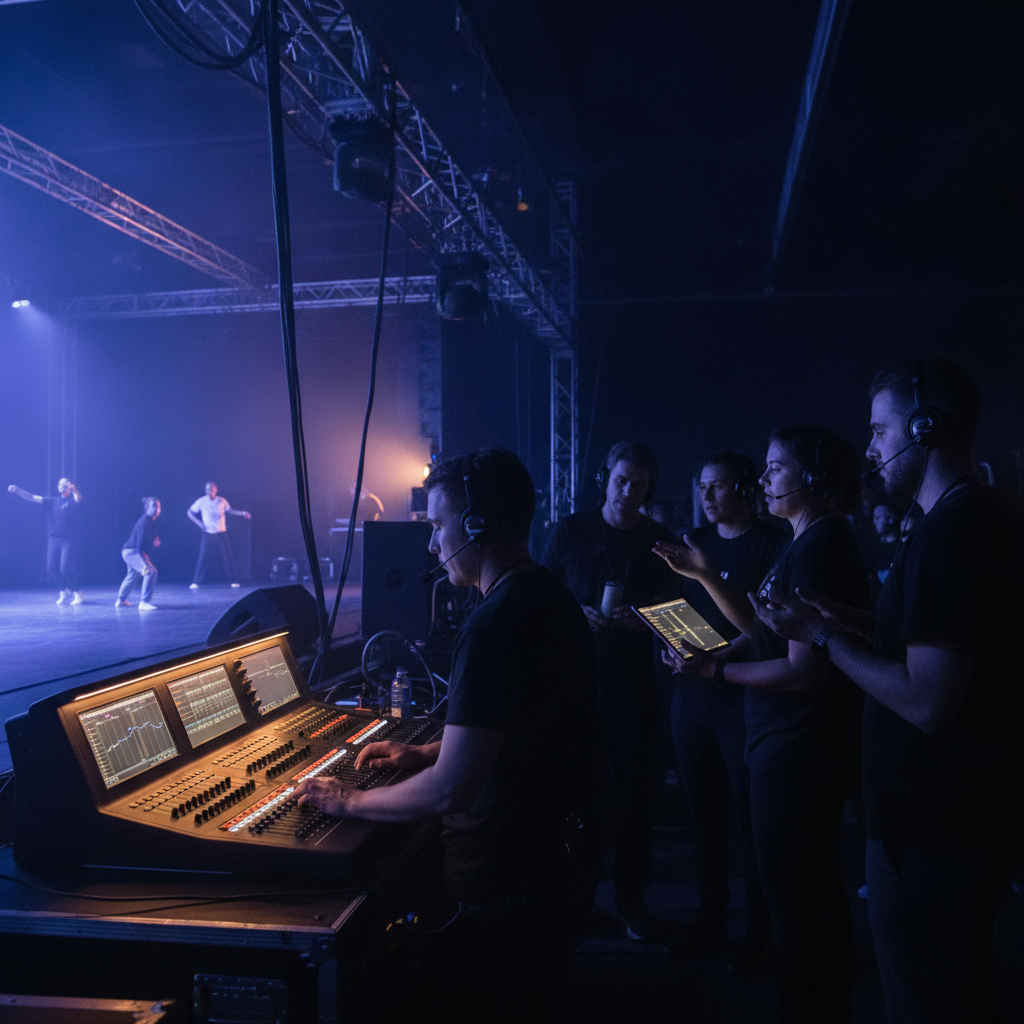
The run-of-show is your minute-by-minute blueprint. For a 150–300 guest reception, we often sequence 20–30 cues: entrances, toasts, service, performances, and transitions. Rehearsals confirm timing and mic technique; day-of control manages pacing, fills buffers, and keeps the dance floor alive.
After doors, changes are costly in energy and time. A disciplined call sheet and a single show caller keep your program smooth even when surprises surface.
Types of Event Planner Services (Pick What Fits)
Most clients choose between full-service planning, partial planning, day-of coordination, destination expertise, or corporate production. Match the model to your time, complexity, and appetite for decision-making—then let the planner orchestrate delivery with the right specialists.
| Service Type | Best For | What You Get | When to Choose |
|---|---|---|---|
| Full-Service Planning | Multi-ritual weddings; brand-led events | End-to-end design, vendors, logistics, on-site | Limited time; high stakes; many stakeholders |
| Partial Planning | DIY starters needing structure | Vendor shortlists, timelines, design refinement | Some vendors booked; need cohesion and QA |
| Day-Of Coordination | Straightforward programs | Run-of-show, final checks, on-the-day control | Plan set; need professional execution |
| Destination Planning | Overseas or multi-city events | Venue scouting, travel, local vendor network | Cross-border logistics and customs |
| Corporate Production | Launches, conferences, galas | Stage design, AV, brand alignment, rehearsals | KPIs tied to experience and message |
- South Asian weddings: Ritual sequencing (nikkah, sangeet, pheras) benefits from full-service oversight.
- Corporate teams: Sponsor deliverables and show flows favor production-led planning.
- Private milestones: Partial planning sharpens design and timeline without overhauling plans.
South Asian wedding expertise
Our team is fluent across Gujarati, Muslim, and Punjabi traditions. For a nikkah ceremony, we coordinate seating, imam timing, and photography windows that respect the sanctity of the moment. For sangeet, we build a high-energy run-of-show that keeps performances on cue without rushing family speeches.
Corporate event production
From brand activations to annual galas, production discipline matters. We translate KPIs into experience design—registration throughput, dwell time at exhibits, media-ready lighting—and hardwire them into stage cues. Sponsors get moments that matter; your brand gets a show that lands on message.
Destination weddings (Udaipur, Goa, and overseas)
Destination planning adds travel, customs, weather, and venue variability. Our playbooks include backup vendors, rain plans, and hospitality logistics so guests move comfortably across multi-day programs. In Udaipur and Goa, local partnerships and time-tested runbooks keep ceremonies precise and welcoming.
Best Practices for Working with a Planner
Set a clear brief, decide fast on high-impact choices, and centralize communication. Share cultural priorities early, align on must-haves and nice-to-haves, and lock the run-of-show with realistic buffers. Your planner can then protect the timeline and elevate creative details.
- One brief, one deck: Keep design, logistics, and contacts in a shared source of truth.
- Decide early: Venue, band/DJ, cinematography, and catering drive most dependencies.
- Rehearse key moments: Entrances, vows, first dance, and speeches deserve timing practice.
- Plan guest comfort: Seating logic, shade or heating, hydration, and quiet spaces matter.
- Respect load-in/load-out: Venues and neighbors have limits; realistic buffers prevent penalties.
We routinely see stress fall when couples and teams consolidate decisions by a design freeze date, typically 6–8 weeks before showtime for weddings and 3–4 weeks for corporate programs. With a 98% satisfaction rate, disciplined early alignment has been the biggest driver of calm delivery.
Tools and Resources a Modern Event Planner Uses
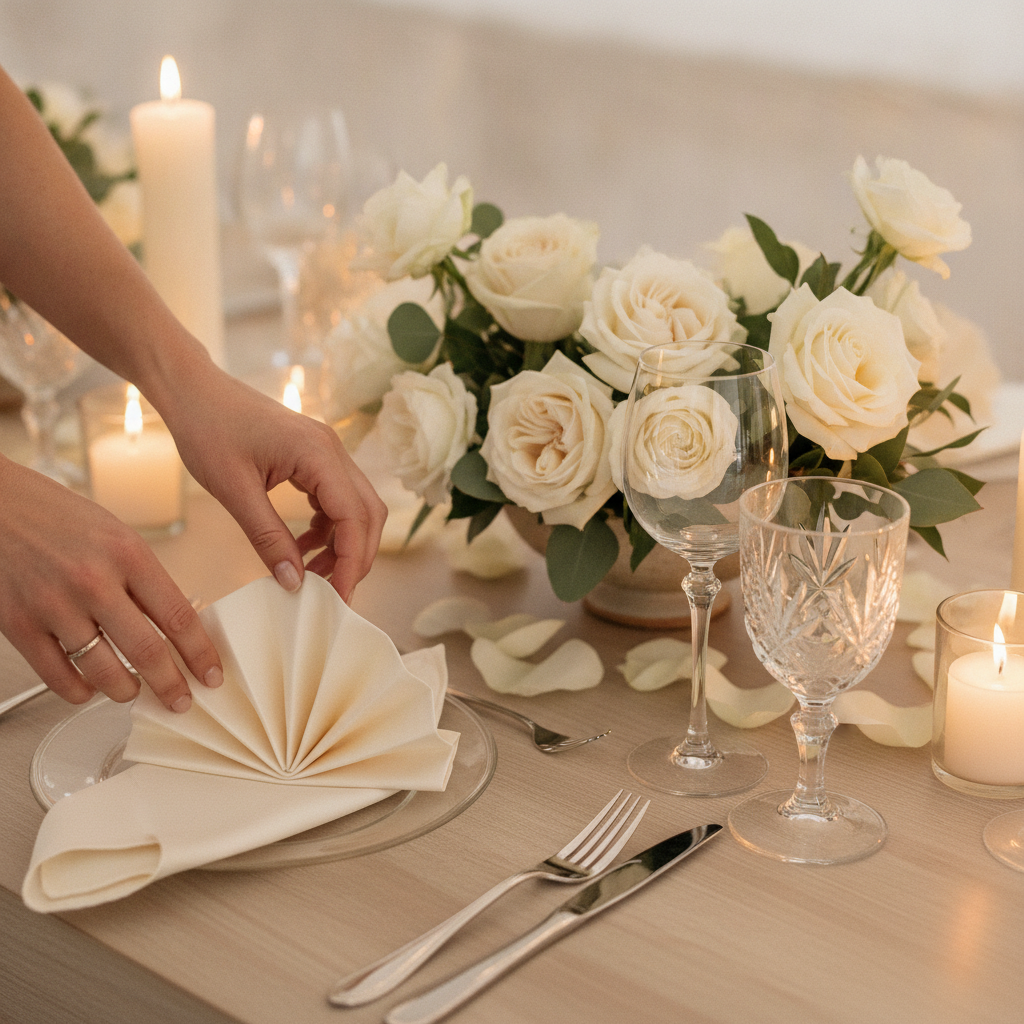
Today’s planning stack blends creative development, logistics control, and guest communications. Expect visual design tools, production schedules, contact matrices, and safety checklists—all integrated so vendors and stakeholders share the same plan.
- Design system: Mood boards, color palettes, tablescapes, and floral recipes mapped to each space.
- Critical path + run-of-show: Milestones and minute-by-minute cues for 20–30 key moments.
- Vendor matrix: Responsibilities, arrivals, permits, risk notes, and insurance checks.
- Guest ops: RSVP tracking, seating charts, dietary logs, and accessibility notes.
- Risk register: Weather, transport, curfews, power loads, and technical contingencies.
General checklists can help you visualize the flow. For corporate teams, see this concise corporate planning checklist as a reference point for pre-show tasks and on-site roles. Venue-side operations articles, like these venue operations notes, also illustrate common AV and logistics considerations to discuss early.
Menu experience is a major memory-maker. For inspiration, browse practical menu planning ideas that consider dietary needs and pacing—useful prompts when aligning tasting notes with your run-of-show.
Soft CTA — Plan with Patel Events
Want a calm, confident path from idea to applause? Share your brief and we’ll map a practical route—design, vendors, and a run-of-show that protects your energy and guest comfort.
Case Studies and Examples
Real programs show how planning choices translate to guest experience. From multi-ritual weddings to brand launches and private milestones, the throughline is disciplined timelines, cultural fluency, and vendor ecosystems tuned to each brief.
Gujarati wedding reception, Greater London
We staged a palatial reception with intricate florals and a live band. Full-service planning synchronized décor build, video capture, and guest flow. Result: doors opened on time; dinner service hit pace; the dance floor stayed full through close.
Nikkah + sangeet sequence
Across two evenings, we blended intimate vows with a high-energy sangeet. Partial planning sharpened stage transitions; day-of control kept speeches and performances on cue. Family photography slots protected time without stalling momentum.
Product launch in London
A brand-led reveal balanced stage design, AV, and sponsor content. Corporate production locked KPIs into the show flow, mapping lighting cues to messaging. Press and partners exited with visuals and video assets in hand.
Destination wedding in Udaipur
Multiple venues, multi-day rituals, and international arrivals demanded destination planning. Local vendor pairings and weather contingencies kept ceremonies precise; guests moved comfortably between events with clear wayfinding and hospitality touchpoints.
Milestone birthday in Kent
We combined a themed dinner with live entertainment. Partial planning refined the tablescape and guest pacing; day-of coordination handled performances and cake reveal. The host enjoyed the night without production concerns.
Annual gala in London
We produced a 400-guest gala with a stage program, awards, and entertainment. Critical path and rehearsals trimmed setup by hours; sponsor moments landed cleanly, and guest transitions stayed smooth between segments.
Conference in Leicester
Two tracks, one keynote, and exhibitor activations required precise timing. We coordinated AV across rooms, kept sessions on schedule, and maintained throughput at registration so attendees made it to seats before the opening beat.
Goa beachfront sangeet
Outdoor staging, humidity, and power management were core constraints. We doubled critical systems, protected instruments and wardrobe, and adjusted show flow for ocean breezes—delivering the energy of a live show without technical hiccups.
Mundan Sanskar in Tooting
An intimate ceremony needed privacy, comfort, and quick transitions for family photos. We sequenced rituals, refreshments, and seating so elders moved easily and parents stayed focused on the moment.
FAQ: Event Planner Essentials
These quick answers address scope, timing, and how to collaborate effectively with your planner. Use them to align expectations and make faster, better decisions from the start.
When should I book an event planner?
Secure your planner as soon as you set a date, especially for peak seasons. For complex, multi-ritual weddings or brand launches, earlier is better—locking venue and headline vendors first protects the rest of your timeline.
What’s the difference between full-service and day-of coordination?
Full-service covers end-to-end planning—design, vendors, logistics, and on-site control. Day-of coordination executes a plan you’ve already built, focusing on final checks, the run-of-show, and smooth delivery on the day.
Do planners handle cultural rituals like nikkah, sangeet, and pheras?
Yes—experienced teams sequence rituals with respect and precision, coordinating families, faith leaders, and performers. Early alignment on customs and timings keeps the program meaningful and on schedule.
Can a planner help with destination logistics?
A destination specialist manages venue scouting, local vendors, travel buffers, and customs considerations. That coordination keeps multi-day programs running smoothly, even with international arrivals and changing conditions.
How far in advance should invitations and RSVPs be managed?
For weddings, aim to lock your guest list and send invitations 10–16 weeks ahead; for corporate programs, invite lists often finalize 6–10 weeks prior. Early RSVPs allow accurate seating, dietary planning, and transportation timing.
Key Takeaways
Pick the planning model that matches your complexity, decide fast on high-impact choices, and keep one shared plan. That’s how you protect timelines, guest comfort, and the creative magic you’re investing in.
- Full-service for multi-ritual weddings and brand-led showcases; partial for refinement and cohesion.
- Lock headline vendors early—venue, catering, entertainment, cinematography, décor.
- Use a single run-of-show and vendor matrix; rehearse key moments.
- For HA3 0PB/Greater London, plan around transport, curfews, and peak-season demand.
Conclusion and Next Steps
Match service level to complexity, align on design and timelines early, and let one accountable team conduct the day. That’s how you protect energy, guest comfort, and the unforgettable moments you’re planning for.
- Decide your planning model—full-service, partial, day-of, destination, or corporate.
- Share cultural or brand priorities up front; protect rehearsals and the run-of-show.
- Book a discovery chat to map your brief into a clear, calm path to showtime.
We’d love to help bring your celebration to life—book a discovery session in HA3 0PB or arrange a virtual consult if you’re planning a destination program.