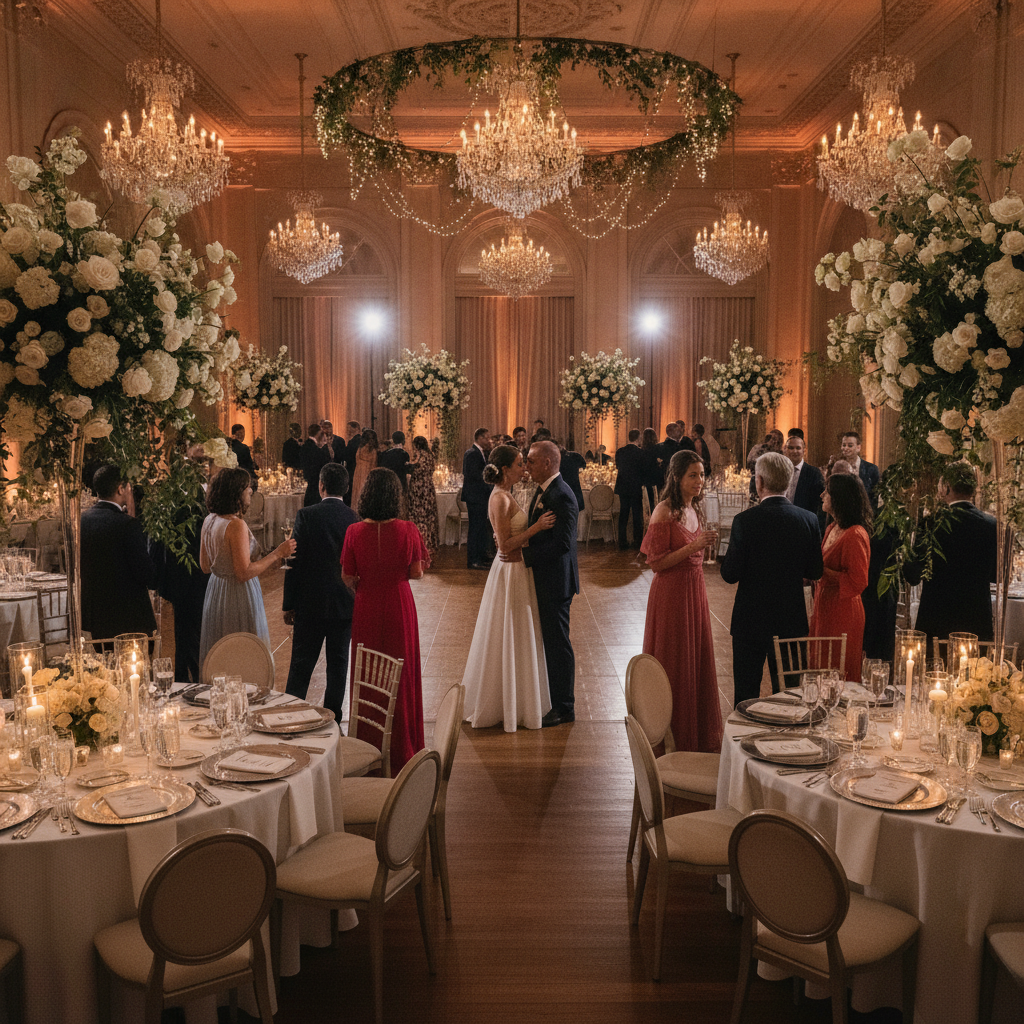
An event management company is a professional partner that plans, designs, and delivers events end to end—from strategy and venue sourcing to vendor coordination and show-day production. Based at Abercorn Garden in HA3 0PB, Patel Events serves Greater London and beyond, producing culturally fluent weddings and polished corporate experiences that run on time and feel effortless.
By Shani Patel • Last updated: 2026-06-09
Above the Fold: Hook + Table of Contents
Event success happens when strategy, design, and logistics align under one accountable team. This guide explains what an event management company does, why it matters in 2026, and how Patel Events supports weddings, sangeets, corporate launches, and destination celebrations across Greater London and the UK.
Great events aren’t lucky—they’re engineered. In the next sections, you’ll quickly see how pros reduce risk and elevate guest experience without adding noise to your schedule.
- What event management covers (and what it doesn’t)
- Why having one accountable team changes outcomes
- The step-by-step process from brief to debrief
- Approaches: full-service, design + production, and day-of
- Best practices and tools that keep work on track
- Real case snapshots from London and destination programs
- FAQ for quick, clear answers
Quick Summary
In short: hire an experienced, culturally fluent event management company when stakes are high or complexity is real. You’ll get one plan, one team, and fewer gaps—so ceremonies feel sacred, launches feel on-brand, and guests feel cared for from first welcome to last goodbye.
We connect goals to design and logistics, then call cues on show day. That single thread—from discovery to debrief—protects quality when plans evolve (and they always do).
Overview
Event management is the coordinated planning, design, and production of experiences. Based in HA3 0PB and serving Greater London, we blend creative direction with operational control across 100+ tasks and 10–30 vendor relationships so the guest journey feels seamless and intentional.
Even intimate ceremonies involve dozens of moving parts: floor plans, power loads, transportation windows, ceremonial timings, and family needs. Corporate shows often run six to twelve months from brief to debrief, while multi-ritual South Asian weddings may schedule three to five distinct functions across two to four days. Without orchestration, friction multiplies quickly.
What Is Event Management?
An event management company leads strategy, design, and logistics for your gathering. It translates goals into budgets and timelines, coordinates vendors, and directs the day so every moment flows. The strongest partners combine cultural fluency, design detail, and production rigor.
Patel Events is a London-born partner with 27+ years of delivery and 500+ events produced. We support:
- Weddings & sangeets (including Gujarati weddings and nikkah ceremonies)
- Corporate productions (product launches, conferences, annual galas)
- Private celebrations (birthdays, anniversaries, milestone dinners)
- Destination events (Udaipur, Goa, and overseas venues)
Why this matters: one accountable team reduces handoffs, closes gaps, and protects your run of show. Fewer silos mean fewer surprises, and your time stays focused on decisions that move the needle.
Why Event Management Matters in 2026
Professional management improves guest satisfaction, brand consistency, and safety while reducing schedule risk. It centralizes decisions, compresses timelines, and documents details so execution is predictable—even when plans change midstream.
Here’s the thing: complexity is normal now. Hybrid expectations, multi-day formats, cultural protocols, and stakeholder approvals add layers. A single source of truth—timeline, floor plan, and cue sheet—keeps momentum. For leaders who measure outcomes, that consistency shows up in attendance, reviews, media pickup, and how calm the day actually feels.
If you like frameworks, project management principles translate well to events. For a concise refresher on why structured management improves outcomes, see this overview of why project management is important (a useful analog for live events). Use the logic; we’ll adapt the tactics to your format.
How Event Management Works (Step-by-Step)
The process starts with discovery and ends with debrief. In between, your event manager builds strategy, secures vendors, designs the experience, and directs onsite production. Clear milestones, owners, and approvals keep work flowing and prevent last‑minute scrambles.
Core phases
- Discovery (week 1–2): Goals, guest profile, rituals, brand voice, constraints, and success metrics.
- Blueprint (weeks 2–6): Concept, budget ranges, venue shortlist, and a high-level timeline with decision gates.
- Design (weeks 6–12): Mood boards, floor plans, floral & tablescape direction, staging, lighting, and guest-flow mapping.
- Procurement (weeks 8–16): Vendor selection, contracts, service-level expectations, and access logistics.
- Pre‑production (weeks 12–event week): Detailed run sheets, rehearsal plans, transportation windows, and contingency notes.
- Show day(s): Load‑in choreography, cue calling, vendor management, guest flow, and strike.
- Debrief: Highlights, lessons learned, media delivery, and documentation for next time.
Local considerations for HA3 0PB
- Plan buffers around weekend service at Preston Road Station; a 10–15 minute margin reduces late starts for ceremonies and sessions.
- For large guest arrivals, coordinate staggered drop‑offs; Kenton station proximity helps, but schedule windows keep curbs clear.
- Peak summer weekends in Greater London book fast; lock venues eight to twelve months out and secure rain plans for outdoor elements.
Self-contained takeaway: when the master plan ties discovery to delivery—and local realities to run sheets—events feel natural in motion. People remember how it felt, not how hard it was to make it happen.
Types and Approaches
Engagement models range from full-service to partial planning and day-of direction. Choose based on complexity, lead time, and internal capacity. For multi-ritual weddings or brand launches, full-service oversight reduces risk and unifies the guest journey.
Common engagement models
- Full-service management: End-to-end stewardship across design, vendors, and production. Ideal for multi-venue or multi-day programs.
- Design + production: You manage vendor contracts; we unify creative and show flow for a polished experience.
- Month‑of / day‑of direction: Final‑mile execution with run sheet control and cue calling to land cleanly.
Event categories we deliver
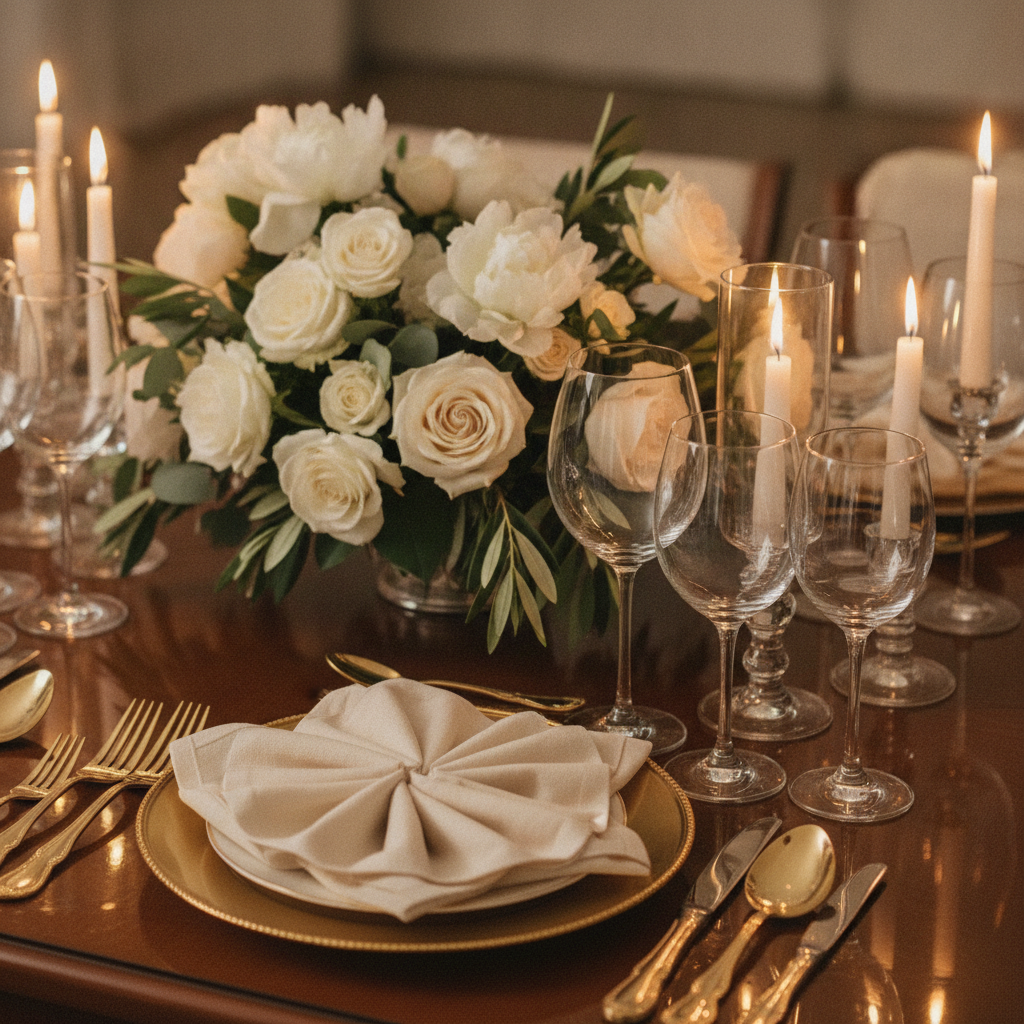
- South Asian weddings: Nikkah, sangeet, and Gujarati pheras with faithful rituals and modern styling.
- Corporate experiences: Product launches, conferences, and galas aligned to brand standards.
- Private milestones: Birthdays, anniversaries, and intimate dinners curated with intention.
- Destination weddings: Udaipur palaces, Goa beaches, and overseas properties with vetted partners.
When your program includes multiple functions, parallel crews, or layered approvals, having one accountable show caller is non‑negotiable. That role is what keeps transitions crisp and guests relaxed.
Choosing an Event Management Company
Prioritize experience in your exact format, cultural fluency where relevant, and proof of end‑to‑end delivery. Ask for playbooks, sample run sheets, and photos showing design range. Alignment on decision rights and communication rhythm is as important as creative fit.
Due-diligence checklist
- Comparable experience: Request examples matching your guest count, ritual mix, and venue type.
- Process clarity: Look for milestone maps, approval cadences, and a single source of truth.
- Vendor ecosystem: A vetted network reduces risk; ask how they brief and quality‑check partners.
- Design fluency: Review mood boards, floral direction, and tablescapes that mirror your taste.
- Show calling: Confirm who holds the cue sheet and manages conflicts in real time.
Red flags
- Vague timelines or no written run sheet
- Unclear ownership between planner, venue, and vendors
- One‑size‑fits‑all designs that ignore cultural protocols
- No rehearsal plan for key moments
Action tip: during chemistry meetings, ask the team to walk you through a five‑minute ceremony delay scenario. Their answer reveals how they think under pressure—and how they’ll protect your moments.
Best Practices That Protect Your Day
Clarity beats chaos. Lock decision rights, document the plan, and rehearse the moments that matter. Build buffers into timelines, and treat vendor briefings like mini contracts to avoid assumptions. These habits cut risk, protect rituals, and elevate guest comfort.
Checklist highlights
- One plan of record: Consolidate floor plan, timeline, cue list, and contacts—one source = fewer misses.
- 10–15% timing buffers: Apply to arrivals, transitions, and key rituals so small slips don’t ripple.
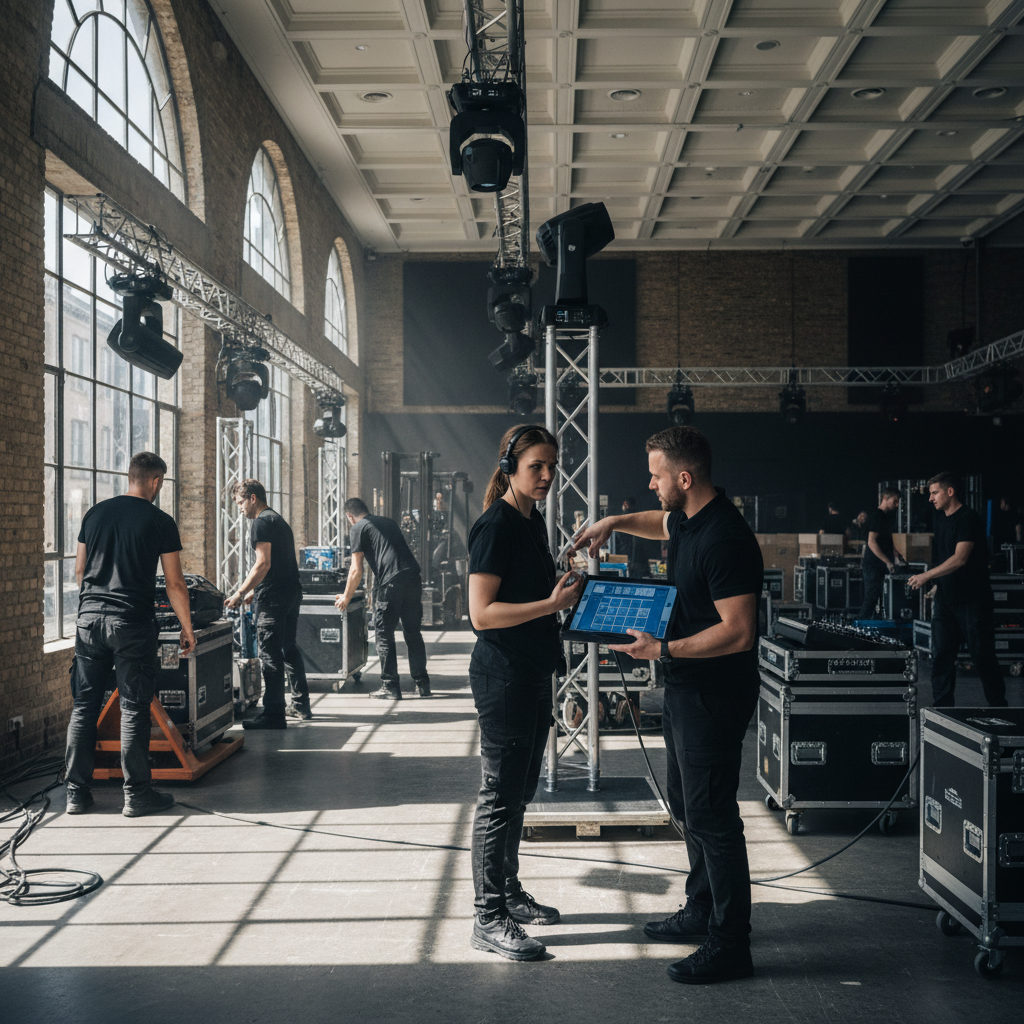
- Load‑in choreography: Stagger crews by zone; cap concurrent teams to maintain safety.
- Written briefings: Expectations for attire, arrival windows, and cultural protocols.
- Rehearsals: Run‑of‑show with principals; tech checks for audio, lighting, and media.
We treat briefings as performance notes. When every partner knows the intent behind each cue, they can make smart adjustments without breaking the narrative.
Tools and Resources
Great tools create visibility. Shared timelines, digital floor plans, and vendor dashboards keep everyone aligned. Add clear run sheets and rehearsal notes, and even complex multi‑day programs feel simple in motion.
- Timelines & run sheets: Milestones, owners, cues, and contingency notes in one place.
- Floor planning: Scaled layouts for seating, staging, decor, and power—keep revisions versioned.
- Vendor dashboards: Deliverables, access windows, and on‑call contacts to reduce day‑of questions.
- Media plan: Shot lists, processional marks, playback checks, and delivery timelines for photo/video.
Want a quick lens on planning blocks for corporate teams? This practical corporate event planning checklist is a helpful starting structure. Exploring digital support? Read about event management app development to understand features teams often request.
Case Studies and Examples
Results come from process. These snapshots show how cultural fluency, balanced design, and strong logistics deliver calm, beautiful moments—whether it’s a multi‑function wedding in Harrow or a brand launch in Central London.
Gujarati wedding weekend, Greater London
- Three functions across two days: nikkah, sangeet, and reception—about 350 guests.
- Outcome: On‑time starts within minutes; guest feedback praised “smooth flow” and “thoughtful details.”
- Why it worked: Unified vendor briefings, quiet zones for elders, precise stage cues, and protected prayer timings.
Product launch, London
- Immersive brand reveal with live demo and media wall; roughly 200 attendees.
- Outcome: Full‑capacity attendance and strong post‑event media pickup.
- Why it worked: Tight content rehearsal blocks, a single tech director, and crisp cueing between speakers and AV.
Private milestone dinner
- Intimate tablescape‑led design with floral storytelling and bespoke menu pacing for 40 guests.
- Outcome: Relaxed evening with natural transitions; speeches landed cleanly with attentive AV support.
- Why it worked: Run‑sheet anchors for kitchen, service, and toasts; lighting scenes pre‑programmed to match moments.
Destination wedding, Goa
- Beachside pheras with welcome night and reception; multi‑day guest logistics across shuttles and hotels.
- Outcome: Smooth transfers, protected ceremony window, and design that felt site‑specific and cinematic.
- Why it worked: On‑site vendor ecosystem, weather contingencies, and communications cadence aligned to time zones.
In our experience, the common thread is ownership. When one team owns the story and the schedule, guests feel the ease—and that’s what they remember.
Planner vs Venue vs In‑House
A venue coordinator protects the venue. An in‑house team protects budgets and brand. An event management company protects the entire guest journey, aligning all vendors to your goals and calling cues on the day. Here’s a clear comparison.
| Aspect | Event management company | Venue coordinator | In‑house team |
|---|---|---|---|
| Scope | End‑to‑end strategy, design, vendors, and show direction | Venue logistics, house rules, basic scheduling | Internal approvals, brand, limited vendor oversight |
| Risk control | Contingencies across all vendors and timelines | Focus on venue constraints | Varies by experience; risk sits with you |
| When to choose | Multi‑ritual weddings, launches, multi‑venue programs | Simple events in one venue | Low complexity, long lead time |
Practical rule: if multiple vendors must change state in the same 5–10 minutes (lights, music, seating, cameras, and people), you want a pro calling cues.
Frequently Asked Questions
These quick answers explain how an event management company adds value, when to book, and how roles differ from venue teams. For cultural ceremonies, your planner safeguards rituals while keeping timelines crisp and guests comfortable.
What does an event management company actually do?
It leads planning, design, vendor coordination, and show‑day direction. Your manager turns goals into timelines and cues, briefs vendors, solves issues in real time, and ensures the guest journey feels seamless from arrival to last dance.
How far in advance should I book in London?
For peak‑season weddings or major corporate programs, eight to twelve months is typical. For multi‑ritual weddings or high‑profile launches, twelve or more months protects venue choice, vendor availability, and rehearsal time. Shorter timelines are possible with focused scopes.
How is a planner different from a venue coordinator?
A venue coordinator manages the venue. A planner manages the whole event across all vendors, design, and cues. We align every partner to your goals and protect the run of show, from ceremony timings to final strike.
Do you handle nikkah and sangeet ceremonies?
Yes. We’re deeply experienced with nikkah, sangeet, and Gujarati weddings. We brief vendors on cultural protocols, sequence rituals with buffers, and style spaces so tradition and modern design feel at home together.
When should I consider a destination team?
If you’re planning Udaipur, Goa, or another overseas venue, bring a destination‑experienced team in early. Visas, shipping, weather, and local permits require longer lead times and vetted partners who know site logistics.
Key Takeaways
Choose an event management company when you want one accountable team to align design, vendors, and timing. Clarity, buffers, and rehearsals cut risk. For multi‑ritual weddings and brand launches, full‑service oversight delivers the calm, beautiful moments you want to remember.
- One plan, one team, fewer gaps
- Buffers and rehearsals protect key moments
- Cultural fluency + production rigor = seamless experiences
Conclusion
Events are living systems. When one experienced team holds the story and the schedule, everything feels easier—and looks better. If you want ceremonies that feel sacred and corporate moments that feel on‑brand, partner with a proven event management company.
If you’re planning in Greater London—or from HA3 0PB outward—and want a calm, on‑time event day, we’re here to help. Share your goals, and we’ll turn them into a clear plan of action with design intent, vendor stewardship, and a show caller who protects every cue.