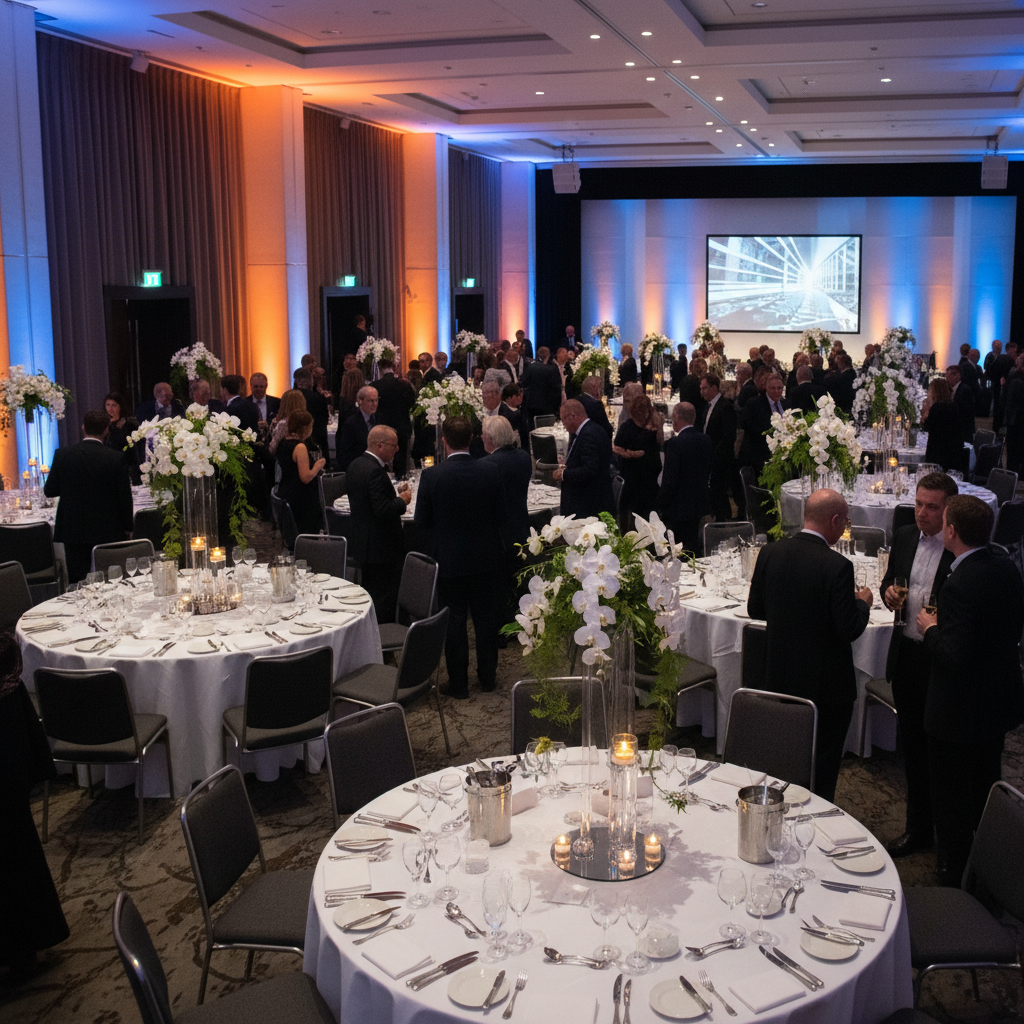
A corporate event planning checklist is a structured, repeatable framework that guides teams from brief to breakdown. At Abercorn Garden in HA3 0PB (Greater London), Patel Events uses this checklist to align design, logistics, and compliance so meetings, launches, and galas run on time and on brand—without last‑minute scrambles.
By Patel Events — Last updated: April 29, 2026
Overview: Checklist at a Glance
Use this corporate event planning checklist to move from concept to curtain call with confidence. It covers strategy, venue and vendor selection, program design, AV and staging, staffing, run‑of‑show, compliance, risk, guest experience, and post‑event wrap—optimized for Greater London operations.
Here’s what you’ll get in this complete guide, built from 27+ years and 500+ events of on‑the‑ground experience:
- Strategy: objectives, audience, message, success metrics
- Operations: venue criteria, permits, supplier matrix, timelines
- Program: agenda, speakers, entertainment, run of show
- Production: AV, lighting, stage, power, site plan
- Experience: registration, wayfinding, F&B, accessibility
- Risk & compliance: safety, hygiene, insurance, contingency
- Post‑event: teardown, vendor closeout, debrief, insights
In our experience, building buffers is a competitive advantage—10 minutes per program hour, plus a 15–30 minute pre‑doors hold for AV checks, keeps schedules trustworthy and speakers relaxed.
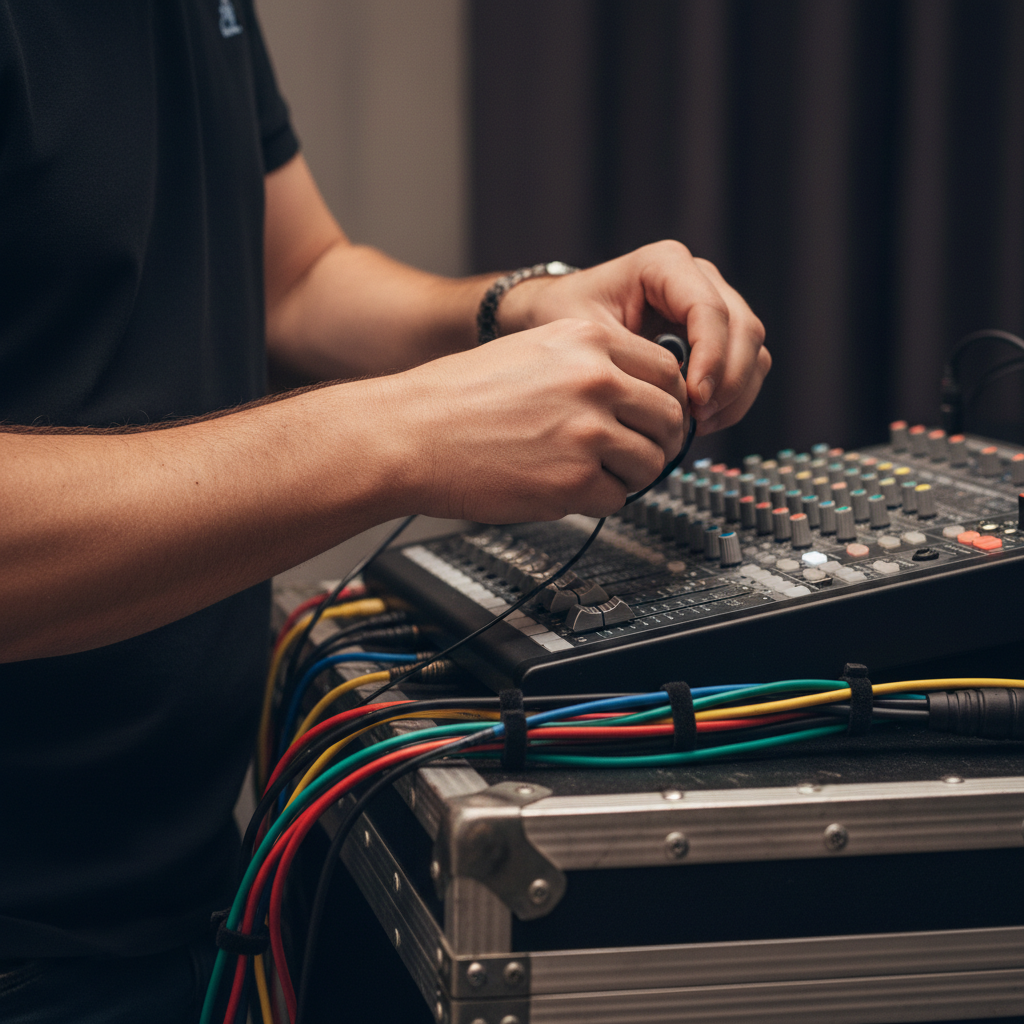
What Is a Corporate Event Planning Checklist?
A corporate event planning checklist is a step‑by‑step list of tasks, decisions, and checkpoints that ensures every function—from strategy to safety—happens in the right sequence. It reduces risk, clarifies ownership, and turns complex productions into manageable sprints.
Think of the checklist as your control tower. It organizes high‑level phases—Discovery, Design, Build, Execute, and Evaluate—into simple, time‑bound actions. The result is operational clarity: who does what, by when, and to what standard.
- Discovery: goals, audience, format, success metrics, constraints
- Design: creative theme, stage and scenic, agenda, menu, flow
- Build: vendors, contracts, project plan, site plan, show file
- Execute: load‑in, rehearsals, show call, guest services, safety
- Evaluate: debrief, closeout, KPIs, stakeholder report, archive
At Patel Events, we layer cultural fluency (for example, South Asian entertainment cadence) with corporate rigor (for example, brand approvals, VIP protocols). That blend keeps moments meaningful and logistics tight.
Why It Matters for Brands
Events shape brand memory in minutes. A robust checklist safeguards reputation, keeps messaging consistent, and prevents operational gaps—from AV glitches to crowding at registration—that erode trust and ROI.
Here’s why the right corporate event planning checklist matters to marketing, HR, and leadership teams across Greater London:
- Controls risk: mitigates single‑points‑of‑failure with backups
- Protects brand: locks creative, tone, and compliance early
- Improves guest flow: short, predictable lines; clear wayfinding
- Speeds decisions: documented criteria for venues and vendors
- Elevates experience: intentional staging, lighting, and timing
We’ve found that a defined show file (scripts, cues, contacts, contingencies) reduces on‑site queries dramatically, freeing producers to focus on audience energy and speaker coaching.
How the Checklist Works: Step‑by‑Step
Work backward from your show time. Lock strategy, then sequence sourcing, design, and production milestones. Build a show file, run rehearsals, and assign owners for every cue and contingency. Document everything; ambiguity is the enemy of pace.
Strategic foundation (Set the brief)
- Define success: why this event, why now, and how we’ll measure it
- Audience map: internal, external, VIPs, press, partners
- Format and date: conference, annual gala, product launch, awards
- Message & theme: single organizing idea; three proof points
Venue and vendor sourcing (Lock the ecosystem)
- Venue shortlist: capacity, access times, noise, power, rigging
- Supplier matrix: AV, scenic, lighting, staging, florals, catering
- Compliance: insurance, permits, accessibility, hygiene
- Contracting: deliverables, service levels, rehearsals, overtime
Program and production (Design the experience)
- Agenda arcs: open, build, peak, close; place keynotes before meals
- Run of show: minute‑by‑minute cues, responsibilities, contacts
- Rehearsals: slide reviews, walk‑ons, mic checks, timing trims
- Site plan: stage plot, seating map, signage, back‑of‑house flow
Show day execution (Make it effortless)
- Load‑in windows: stagger by vendor; protect FOH and egress
- Ops huddle: safety, cues, radios, escalation paths
- Guest services: registration, wayfinding, dietary labeling
- Stage management: clock discipline, comms, quiet wings
Wrap and learning (Close the loop)
- Teardown: reverse the load‑in plan; protect the site
- Vendor closeout: returns, sign‑offs, thank‑yous
- Debrief: what to repeat, improve, or retire next time
- Shareback: insights to leadership; archive show files
In our experience, one coordinator per 100–150 guests keeps registration queues moving and questions answered without stress. Pair this with clear signage and visible staff points.
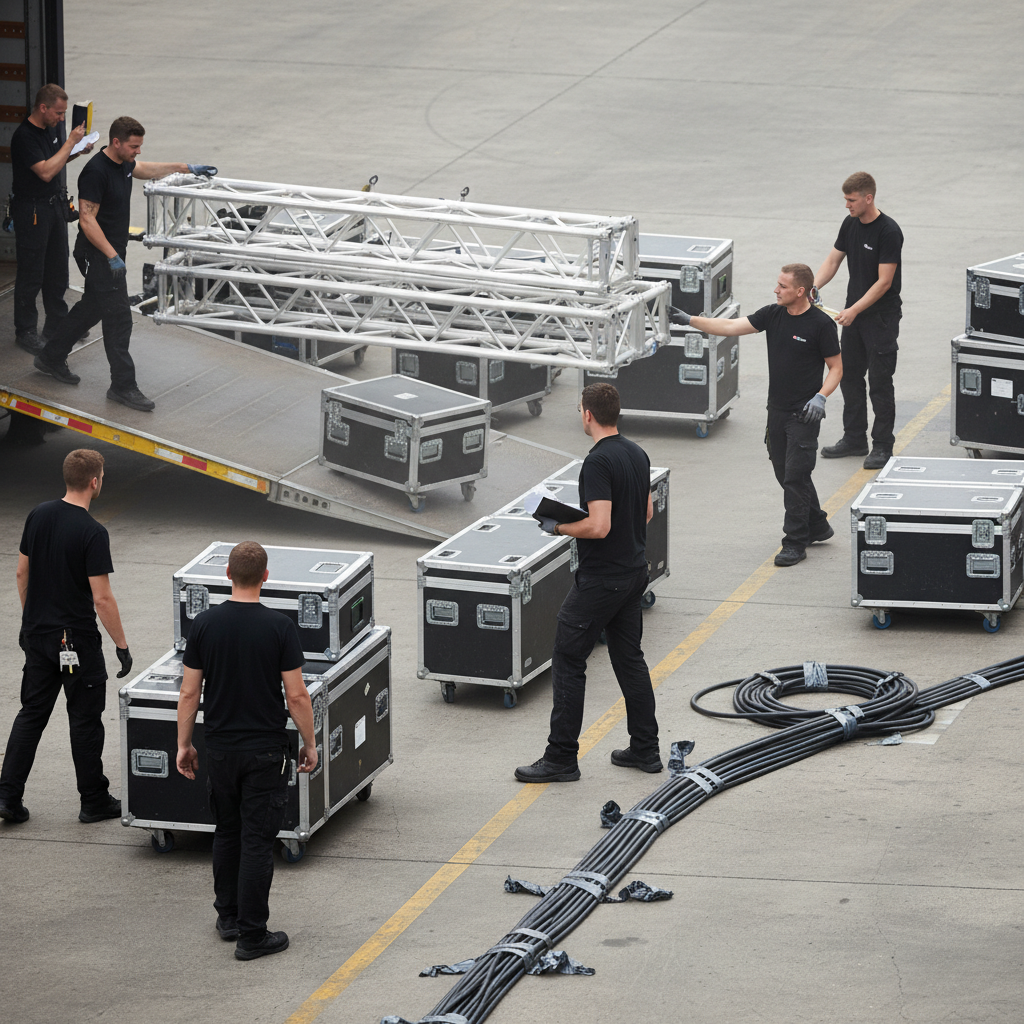
Types of Corporate Events and Approaches
Choose your approach based on stakes and complexity. Internal teams suit small meetings; agency partners excel at launches and galas; hybrid models scale cost‑effectively while protecting production quality.
Common corporate formats
- Conferences: plenary + breakouts; heavy AV and speaker support
- Annual galas: formal program, awards, entertainment, fundraising moments
- Product launches: theatrical reveals, press/VIP choreography
- Town halls: broadcast‑ready sound and staging for clarity
- Brand activations: immersive sets, interactive zones, content capture
Execution models
- In‑house: control and institutional knowledge; limited surge capacity
- Agency‑led: creative + production horsepower; predictable delivery
- Hybrid: internal owners + agency producers; best of both
Comparison: In‑House vs Agency vs Hybrid
| Model | Best For | Strengths | Watchouts |
|---|---|---|---|
| In‑house | Internal meetings, small town halls | Institutional context, closer to stakeholders | Limited vendor muscle; risk under pressure |
| Agency‑led | Launches, conferences, annual galas | Expert producers, supplier network, creative | Needs tight brief and brand guardrails |
| Hybrid | Portfolio of events year‑round | Scalable, cost‑aware, brand alignment | Define roles early; avoid duplication |
We routinely operate hybrid: your internal team defines outcomes; Patel Events designs, produces, and show‑calls with our 50+ trusted vendors. That blend keeps governance intact and delivery sharp.
Buying Guide: Venues and Vendors in Greater London
Select partners with clear criteria: access times, power and rigging, load‑in path, rehearsal windows, and contingency support. Score vendors against service levels, responsiveness, and technical depth to avoid surprises on show day.
Vendor evaluation criteria
- Responsiveness: proposal speed, clarity, proactive questions
- Technical competency: AV diagrams, power calcs, safety plan
- Rehearsal support: dedicated crew, show caller, backup kits
- References: recent corporate shows; similar scale and venue type
Venue decision checklist
- Capacity and layout: plenary, breakouts, green rooms, BOH
- Access and logistics: loading dock height, elevators, parking
- Power and rigging: three‑phase availability; hang points
- Noise and curfews: neighborhood rules; late‑night viability
For additional examples of venue‑side operations considerations, review a public corporate events overview from an established venue to understand baseline expectations for access, staffing, and setup windows.
Local considerations for HA3 0PB
- Leverage nearby transit like Preston Road Station for attendee arrivals; publish route maps in pre‑event comms to reduce rideshare congestion.
- Factor winter evenings and early sunsets into lighting plots; plan warm arrivals and coat checks during colder months in Greater London.
- Coordinate load‑in timing to avoid residential quiet hours; share a detailed schedule with neighbors and venue security to maintain goodwill.
When you’re planning an annual gala, cross‑reference this buying guide with your internal brand standards and our in‑house annual gala planning methodology to keep donor and VIP flows seamless.
Best Practices: The Checklist You Can Use
Start early, document decisions, and rehearse. Use one source of truth, assign owners for every task, and build buffers. Focus on arrival flow, stagecraft, and safety—these three areas determine most attendee memories.
Pre‑event (8–12 weeks out)
- Lock objectives, audience, and success metrics
- Shortlist venues; issue RFPs with clear deliverables and diagrams
- Engage AV, scenic, and decor partners; define rehearsal needs
- Draft agenda and run of show; identify VIP protocols
- Publish production timeline; confirm internal approvers
Production build (4–6 weeks out)
- Confirm site plan, stage plot, and seating map
- Finalize menus; request allergen labeling and dietary accommodations
- Book crew, security, medics; distribute call sheets
- Collect slides and media; run content integrity checks
- Conduct risk review; update contingency plans
Show week
- Hold full technical rehearsal with all presenters
- Walk the guest journey: parking, check‑in, seating, restroom access
- Confirm radio channels, cue sheets, and escalation paths
- Place signage and wayfinding; test registration and scanning
- Reconfirm vendor arrival windows and dock management
Show day
- Ops huddle: safety brief, timing, first/last looks, Q&A
- Open doors with FOH team in position; welcome VIPs proactively
- Stage manage with clock discipline; adapt without broadcasting stress
- Capture content; monitor social mentions for service recovery
- Thank‑you matrix: speakers, partners, crew; cue teardown
For an external reference checklist format to compare with your internal version, see this public planning checklist from a large convention venue; contrast it with your needs in Greater London.
Tools and Resources We Rely On
Centralize your plan in one source of truth. Use production schedules, show files, and supplier matrices. Layer comms with radios and shared docs, and protect the floor with labeled zones and a clear site plan.
- Show file: scripts, cues, contacts, contingencies in one packet
- Production schedule: master timeline with owners and dependencies
- Supplier matrix: vendor scopes, deadlines, and on‑site contacts
- Site & stage plans: scaled drawings for FOH/BOH and safety
- Run of show: minute‑by‑minute with cue callers and backups
- Comms: radios with channel plan; shared folders for updates
Template consistency boosts speed. We maintain standardized diagrams and forms so crews orient quickly, whether at a Harrow ballroom or a central London theater.
Risk, Safety, and Accessibility
Make safety visible and accessibility effortless. Build a concise plan covering first aid, egress, food hygiene, and inclusive wayfinding. Brief every crew member; post contacts and procedures where they’re needed.
- Safety brief: exits, muster points, medics, chain of command
- Food hygiene: labeled allergens; protected prep and service zones
- Accessibility: ramps, seating, restrooms, assisted listening
- Inclement weather: canopies, mats, coat checks, umbrella bins
- Documentation: venue approvals and certificates on‑hand
For another external perspective on corporate event expectations, this corporate event overview outlines common venue provisions; use it to spark internal safety and access questions for your site.
Case Studies and Examples (Patel Events)
Complex events succeed with disciplined planning. These mini‑case snapshots show how checklists, buffers, and show files translate into smooth programs, happy guests, and clean debriefs.
Annual gala with awards (Greater London)
- Challenge: tight turnaround; VIP arrivals; live musical acts
- Approach: hybrid model; 15‑minute buffer before awards
- Outcome: on‑time program; standing‑ovation close; swift teardown
Product launch (Harrow)
- Challenge: theatrical reveal; brand approvals; media content
- Approach: dedicated show caller; backup media; staged press zone
- Outcome: crisp reveal; positive press; reusable content library
Leadership conference (Central London)
- Challenge: plenary + 4 breakouts; complex room turns
- Approach: mirrored AV kits; pre‑staged furniture; roaming techs
- Outcome: zero overruns; high speaker satisfaction
Across these, our 50+ vendor network and 98% client satisfaction rate reflect one principle: disciplined planning removes stress and frees creativity.
Budgeting and Investment Considerations (No Pricing)
Focus on value drivers, not line items. Invest where guests notice: stagecraft, sound, lighting, and program pacing. Reduce waste with precise counts, smarter run‑of‑show timing, and strong vendor scope control.
- High‑impact areas: audio clarity, sightlines, arrival flow, lighting
- Scope control: detailed briefs, acceptance criteria, revision caps
- Reusables: scenic elements and templates you can redeploy
- Scheduling: minimize idle crew time through realistic timelines
- Content: capture once; repurpose across channels
The smartest investment is time spent up front on the brief and show file. It prevents rework later and keeps your brand experience tight.
Downloadable Checklist and Templates
Use these headings to build your internal templates: strategy brief, supplier matrix, production schedule, site plan, run of show, and debrief form. Keep them in one shared folder and version‑control every change.
- Strategy brief (goals, audience, message, KPIs, constraints)
- Supplier matrix (scopes, SLAs, contacts, insurance)
- Production schedule (milestones, owners, dependencies)
- Site plan & stage plot (scaled drawings, traffic flows)
- Run of show (minute‑by‑minute, cues, backups)
- Debrief form (wins, risks, changes, next steps)
If you’d like Patel Events to tailor these for your brand—covering corporate events, annual galas, or hybrid programs—reach out and we’ll share a starter pack.
Mid‑article CTA: Planning an annual gala or product launch in Greater London? Let Patel Events co‑design your checklist and show file so your team stays focused on content, not crisis. Get in touch.
Frequently Asked Questions
These quick answers address the most common questions we hear from corporate communications, marketing, and HR teams planning events across Greater London.
What should be first on a corporate event planning checklist?
Start with the brief: objectives, audience, key message, and success metrics. With these locked, you can pick the right format, shortlist venues, issue RFPs, and sequence production milestones without rework later.
How far in advance should we plan a corporate event?
Begin 8–12 weeks out for small meetings; plan more runway for conferences, launches, and annual galas. Earlier sourcing protects access times, rehearsal windows, and vendor availability, which directly improve show quality.
What makes registration lines move faster?
Staffing ratios, clear signage, and pre‑registration are key. Assign one coordinator per 100–150 guests, put scanners before greeters, and display directional signage from lobby to seating to prevent bottlenecks.
How do we keep the program on time?
Write a disciplined run of show, rehearse speaker walk‑ons, and empower a dedicated show caller to make trims. Add 10‑minute buffers per hour to absorb overruns without rushing the audience.
Conclusion and Next Steps
A strong corporate event planning checklist turns complexity into rhythm. Lock the brief, pick scalable partners, rehearse, and measure what matters. The result is a brand‑safe event that feels effortless for guests—and replicable for your team.
- Key takeaways
- One source of truth beats scattered docs every time
- Buffers and rehearsals protect the guest experience
- Hybrid delivery pairs brand control with production muscle
- Debriefs convert effort into institutional knowledge
Next steps
- Tailor this checklist to your governance and approval pathways
- Draft your supplier matrix and site plan this week
- Schedule your first show file review with stakeholders
Ready for a calm, confident show day? Book a discovery session with Patel Events—onsite or virtual from HA3 0PB—so we can co‑author your corporate event plan and get your annual gala planning guide underway.