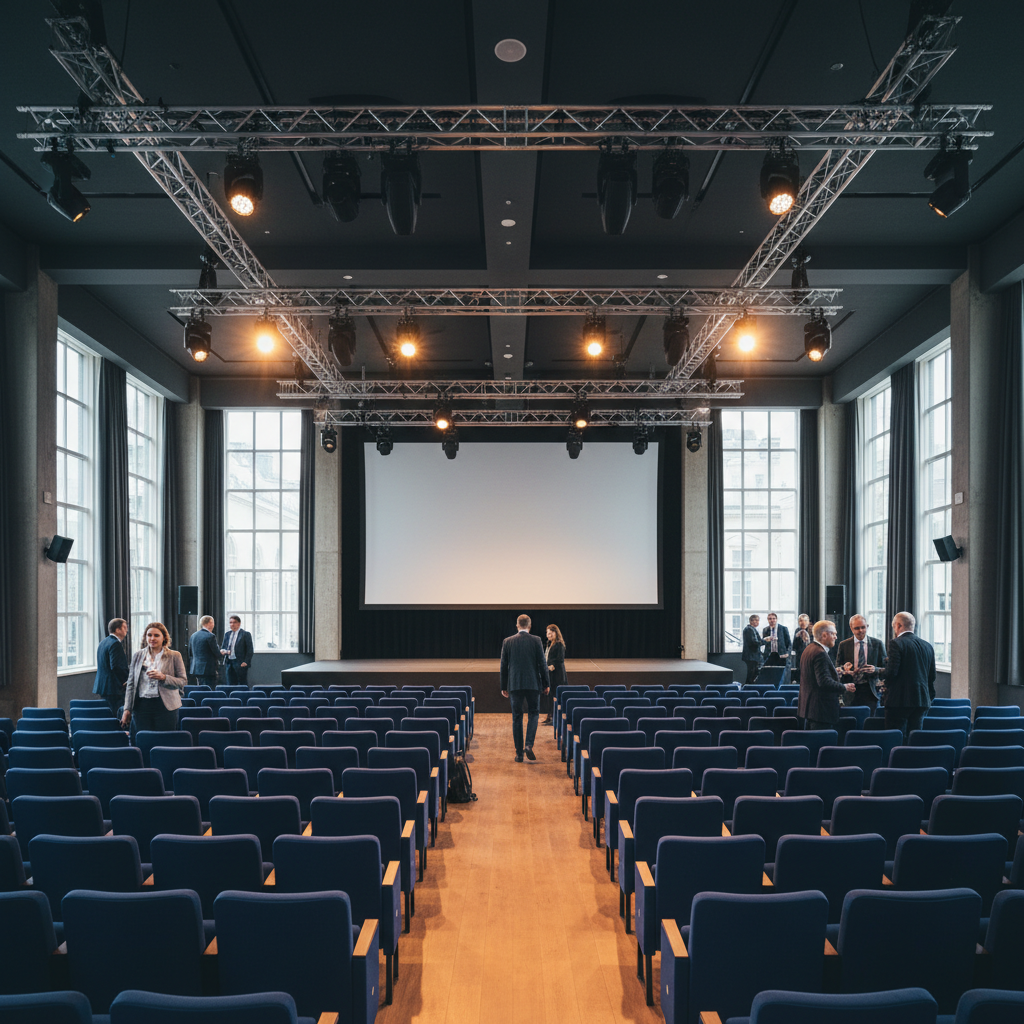
A conference planning checklist is a structured, step-by-step roadmap that guides teams from first objective to post-event reporting. From our base in HA3 0PB (Abercorn Gardens) in Greater London, Patel Events uses this framework to run conferences, launches, and annual galas with less stress, fewer surprises, and stronger attendee outcomes.
By Shani Patel — Patel Events
Last updated: May 8, 2026
Quick Summary
Use a conference planning checklist to align goals, lock venues and AV early, structure a clear agenda, market to the right audience, and rehearse your run of show. A strong checklist reduces risk, keeps vendors accountable, and protects attendee experience from first invite to final survey.
Here’s how this complete guide helps you plan with confidence:
- What a conference planning checklist includes (and why it works)
- Step-by-step 12+ week timeline with milestones
- Buying guide for venues, AV, registration, and streaming
- Comparison table: in-person vs hybrid vs virtual
- Risk, accessibility, sustainability, and post-event reporting
- Real examples from Patel Events’ 27+ years and 500+ programs
- Local considerations for Greater London and HA3 0PB
- Actionable templates and checklists you can adapt today
Table of contents
- What is a conference planning checklist?
- Why a checklist matters in 2026
- Step-by-step conference planning checklist
- In-person vs hybrid vs virtual (comparison)
- Buying guide: venues, AV, registration
- Program design, speakers, and agenda
- Marketing and registration
- Sponsors, exhibitors, and partners
- Operations: run of show and staffing
- Risk, accessibility, and sustainability
- Budgets, ROI, and reporting
- Case studies and examples
- Frequently Asked Questions
- Conclusion and next steps
What is a conference planning checklist?
A conference planning checklist is a sequenced list of tasks, owners, and deadlines that covers objectives, venue, AV, agenda, registration, sponsors, staffing, risk, and reporting. It turns an overwhelming project into manageable phases, preventing last-minute scrambles and keeping every vendor aligned to the same plan.
In practice, your checklist is a live project plan. It should track dates, dependencies, approvals, and risks. The format can be a spreadsheet, project management tool, or Gantt chart—as long as it’s single-source-of-truth.
- Scope and goals: one-sentence purpose and three measurable outcomes.
- Workstreams: venue, AV, program, registration, marketing, sponsors, and operations.
- Owners and deadlines: clear RACI so decisions don’t stall.
- Risk and contingencies: weather, transit, speaker changes, tech redundancies.
- Post-event: surveys, KPIs, highlight reel, and lessons learned within 10 business days.
We’ve found that a single shared plan increases on-time task completion by a wide margin because nothing lives only in someone’s head. It also makes handovers smooth if a team member goes on leave.
Why a checklist matters in 2026
In 2026, attendee expectations are higher and timelines are tighter. A robust conference planning checklist aligns cross-functional teams, speeds decisions, and reduces risk—from travel constraints to hybrid streaming. The result: more engaged delegates, stronger sponsor value, and a smoother experience for speakers and staff.
Here’s why the checklist is essential right now:
- Compressed lead times: Many conferences confirm within 12–16 weeks. A checklist protects critical path items like venue holds and headline speakers.
- Tech complexity: Hybrid programs add encoders, backup internet, and content capture. Documenting dependencies prevents show-stoppers.
- Stakeholder clarity: Clear RACI stops “decision drift” when executives travel.
- Data-driven iteration: Post-event metrics guide next year’s format, agenda length (e.g., 20–30 minute sessions), and room layout.
Patel Events balances cultural touchpoints, brand standards, and production realities—especially when a corporate conference includes a gala dinner or awards night.
Step-by-step conference planning checklist
Use this 12+ week timeline to move from kickoff to show day: set goals, block the venue and AV, secure speakers, open registration, finalize the run of show, and rehearse with backups. Assign owners, add deadlines, and update status weekly to avoid last-minute surprises.
Adapt the sequence to your lead time. If you have 24+ weeks, expand discovery, sponsorship, and content development. With 8–10 weeks, run parallel workstreams and lock critical vendors within the first 10 days.
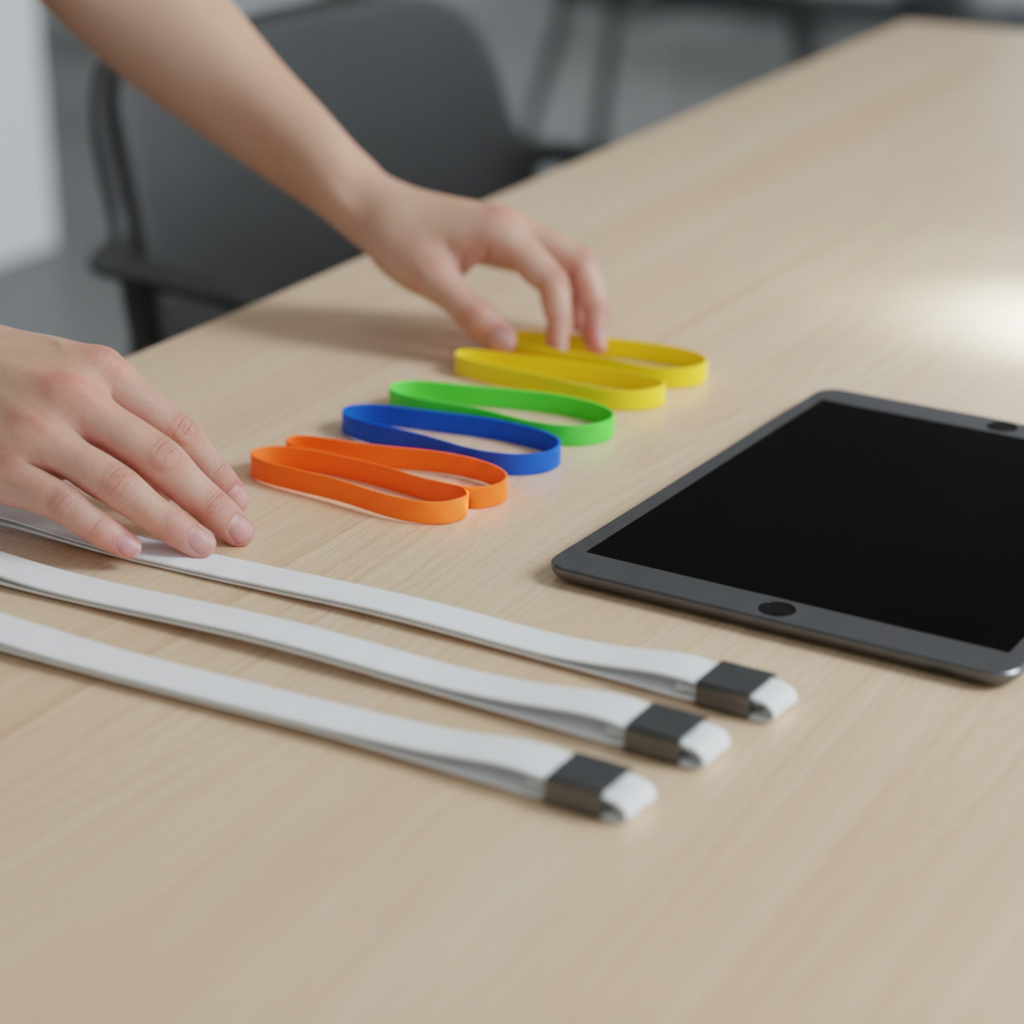
Phase 1 — Strategy and foundations (Weeks 12–10)
- Define purpose and three measurable objectives (e.g., qualified leads, NPS target, content views).
- Decide format (in-person, hybrid, or virtual) and target headcount.
- Create a strawman agenda (keynote, 2–3 tracks, expo, networking).
- Shortlist venues and production partners; place soft holds on top two.
- Draft project RACI; confirm weekly governance and escalation path.
Phase 2 — Venue, AV, and program (Weeks 10–8)
- Site visits; validate load-in windows, ceiling rigging, and power.
- Issue consolidated AV brief (mics, screens, camera angles, recording needs).
- Invite headliners and track chairs; request bios and session abstracts within 10 days.
- Select registration platform; define ticket types and discount logic.
- Lock brand system for on-site assets (stage look, wayfinding colors, placards).
Phase 3 — Marketing and sponsorship (Weeks 8–6)
- Launch save-the-date; open registration with 2–3 clear value props.
- Release prospectus; tier benefits by visibility, meeting access, and content rights.
- Brief speakers on slides: 16:9 ratio, 32–36 pt minimum body size.
- Confirm room sets (theater, classroom, cabaret) by session format.
- Outline F&B blocks aligned to program beats; flag dietary ranges (vegan, halal, kosher, gluten-free).
Phase 4 — Operations build (Weeks 6–4)
- Draft detailed run of show (minute-by-minute for plenary; 10–15 minute beats for breakouts).
- Publish exhibitor kit (move-in times, freight specs, fascia specs, sustainability rules).
- Order signage; finalize floor plans and fire routes with the venue.
- Staffing matrix: reg desk, session rooms, VIP handling, and greenroom.
- Risk register with mitigations and backups (spare laptops, duplicate clickers, hotspot).
Phase 5 — Finalization (Weeks 4–2)
- Close speaker content; collect final slides and video assets.
- Finalize attendee app (agenda, maps, push notifications).
- Print badges, lanyards, and schedules; stage welcome kits.
- Tech rehearsal for plenary; room checks for every breakout.
- Confirm security, medical, and accessibility provisions.
Phase 6 — Show week and execution
- Load-in and line check; verify audio paths and camera positions.
- Daily pre-con huddles (15 minutes) and post-con debriefs (20 minutes).
- Monitor registration flow; open additional lanes if queue exceeds 8–10 minutes.
- Stage management keeps countdowns tight; aim for ±2 minutes on plenary walk-ons.
- Capture content for replays; save recordings in two locations (on-site drive + cloud).
Phase 7 — Wrap and reporting (Days 1–10 post)
- Send surveys within 24 hours; keep to 8–10 questions.
- Deliver highlights reel and photo selects within 7 days for stakeholder updates.
- Produce KPI report within 10 business days; include attendance, session ratings, and sponsor meetings logged.
- Hold a 60–90 minute retrospection; record 5–7 improvements for next cycle.
In our experience across 500+ programs, teams that hold weekly 30-minute check-ins ship on time, while teams that skip them see task slippage compound by week three.
In-person vs hybrid vs virtual (comparison)
Choose your format based on objectives, audience location, and content. In-person maximizes networking and sponsor value, hybrid expands reach with replay and live Q&A, and virtual lowers travel barriers. Match format to goals first, then confirm technical and staffing requirements.
Use this quick comparison when selecting your model:
| Format | Best for | Core requirements | Advantages | Watch-outs |
|---|---|---|---|---|
| In-person | Executive networking, exhibitions, awards | Venue, staging, AV crew, F&B, security | High engagement, tactile demos, premium sponsor exposure | Travel constraints, higher operational complexity |
| Hybrid | Global audiences, content longevity | All of in-person + encoders, streaming, backup internet | Wider reach, on-demand replays, data-rich analytics | More moving parts; needs dedicated digital producer |
| Virtual | Training, internal communications, quick updates | Platform, studio-quality audio, presenter coaching | Zero travel, rapid deployment, high scalability | Networking limits; screen fatigue after ~90 minutes |
We often pair an in-person conference with a filmed gala or awards segment to sustain momentum—and then publish highlights for internal teams who couldn’t travel.
Buying guide: venues, AV, and registration
Select venues by capacity, load-in windows, and technical backbone. Specify AV by outcomes (sightlines, intelligibility, recording) rather than gear lists. Choose registration tools that automate confirmations, badge printing, and check-in analytics. Prioritize reliability, backup options, and vendor collaboration.
When you evaluate suppliers, consider these factors:
Venue checklist
- Capacity fit at 70–80% of max so rooms don’t feel empty.
- Load-in elevators, dock access, overnight storage availability.
- Ceiling height, rigging points, power distribution (three-phase).
- Room flexibility (plenary + 2–3 breakouts without long resets).
- Noise control and acoustic treatments for intelligibility.
AV and production checklist
- Microphone plan (2–4 handhelds + 1–2 lavs per stage; spares on charge).
- Projection/LED sizing by sightline math (viewing distance ÷ 6 for text height).
- Recording paths and file formats (ProRes/MP4) and dual-save policy.
- Lighting wash for faces at 50–70 foot-candles; avoid spill on screens.
- Comms: show caller headsets + clear two-way channel map.
For more AV planning detail, see this practical event AV checklist from an established convention center team; it’s a helpful baseline for gear and roles.
Registration and badging
- Ticket logic (general, VIP, student) and promo code structure.
- Badge design for quick scanning; verify lanyard color system (staff, speaker, sponsor).
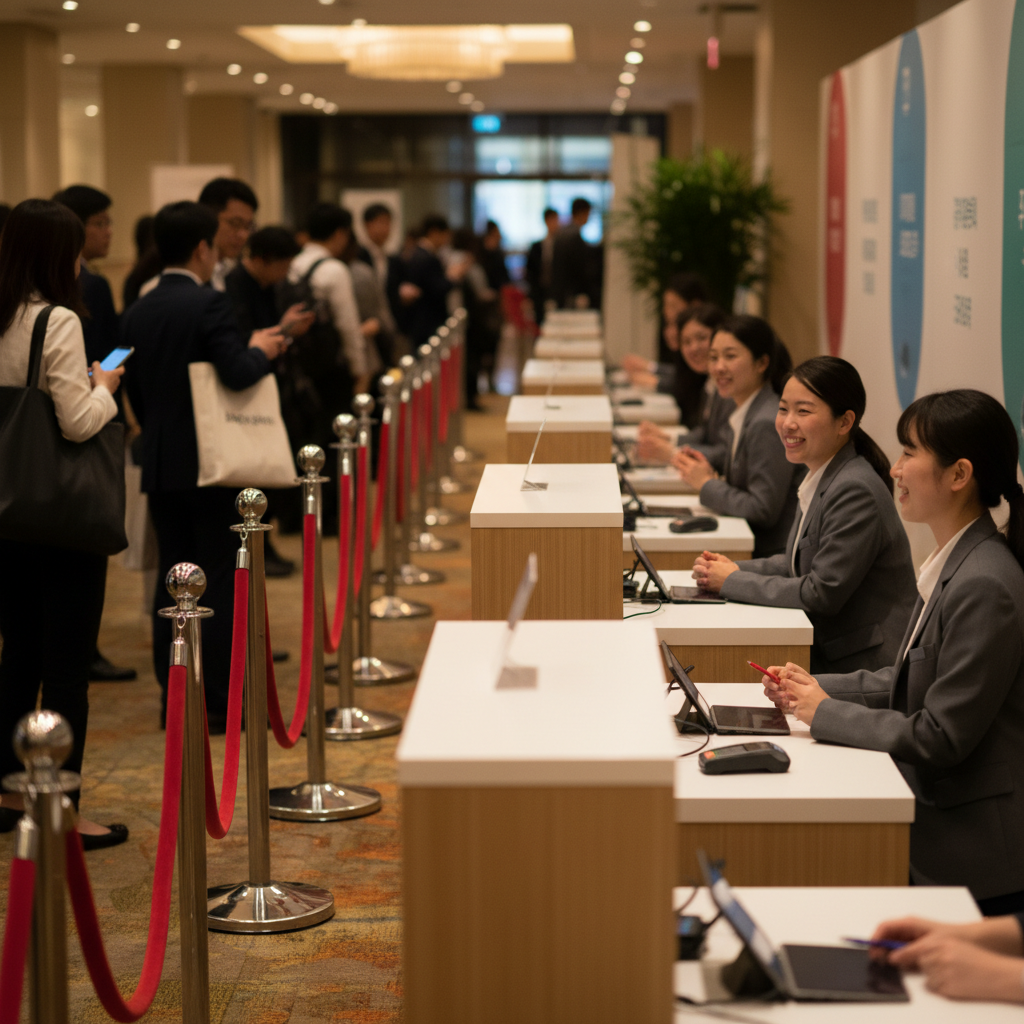
- On-site printers and spares; 1 lane per ~75 arrivals per 15 minutes.
- Mobile tickets and QR check-in to reduce queue times below 8 minutes.
- Dashboards for arrivals by hour, no-show rate, and session scans.
Day-of performance at registration sets the tone. We overstaff the first 45 minutes, then redeploy team members to breakout rooms once flow stabilizes.
Program design, speakers, and agenda
Design your agenda around outcomes. Mix keynotes for inspiration, breakouts for depth, and networking for connection. Coach speakers for clarity, keep sessions tight (20–30 minutes works well), and ensure Q&A is moderated. Publish schedules early and update in one canonical place.
Agenda design tips that consistently improve ratings:
- Alternate energy: keynote, breakout, break, repeat.
- Use 2–3 tracks max for a one-day event to avoid choice overload.
- Slot sponsor sessions where they add value (case studies, demos).
- Protect breaks and meals to support sponsor traffic and hallway serendipity.
- Coach presenters on microphone technique and slide density (6–8 lines max).
On more technical events, we pre-brief speakers with room photos and stage diagrams so they rehearse movement, not just content.
Marketing and registration
Draw a straight line from audience need to value. Lead with outcomes, use clear CTAs, and keep registration under 3–5 minutes. Sequence promotions: save-the-date, launch, early incentives, agenda reveal, and last-call reminders. Track signups weekly and pivot if momentum dips.
Marketing elements that move the needle:
- Audience definition by job role and seniority; align messages to pain points.
- Speaker and sponsor spotlights released on a weekly cadence.
- Short video clips (10–30 seconds) to preview content and vibe.
- Partner toolkits for associations and exhibitors to co-promote.
- Automations: confirmation, reminder, and “know before you go” flows.
We typically see registration curves surge after agenda publish and headliner confirmations. Keep your page updated in real time to capture that interest.
Sponsors, exhibitors, and partners
Treat partners as part of the program design. Package benefits around visibility and genuine interactions, not just logos. Provide a clear exhibitor kit, scheduled traffic drivers, and meeting tools. Debrief quickly post-show with lead counts and feedback to secure renewals.
Practical moves that elevate partner value:
- Design the floor for circulation, not gridlock; 8–10 foot aisles are comfortable.
- Place coffee and charging lounges as repeatable traffic anchors.
- Offer meeting pods near the expo to convert interest into booked time.
- Schedule dedicated expo hours so sessions don’t compete with booths.
- Give partners content rights for clips and quotes, within your brand rules.
When a conference includes an evening gala, we coordinate sponsor seating, stage transitions, and award cues so the brand experience feels seamless end to end.
Operations: run of show and staffing
Operations turn plans into experiences. Build a minute-by-minute run of show, rehearse speaker walk-ons, and staff every guest touchpoint—registration, rooms, greenroom, and VIP. Use comms headsets, backups for critical gear, and daily huddles to course-correct quickly.
Our must-haves for a smooth show day:
- Run of show with precise timestamps and owner for every cue.
- Greenroom stocked with water, tea, chargers, and a quiet prep corner.
- Stage manager holding countdown cards and visual cues.
- Redundancy: spare laptops, duplicate clickers, extra XLR cables, power strips.
- Visible signage at decision points; floor staff trained to point and walk guests.
For staging reference ideas and room sets that support sightlines, see these conference room setup ideas from a large North American venue team.
Risk, accessibility, and sustainability
Protect the experience with a written risk plan, clear accessibility standards, and sustainable practices. Map evacuation routes, train staff, provide step-free routes and captioning, and reduce single-use items. Great conferences feel safe, inclusive, and responsible by design—not by accident.
Risk and readiness essentials:
- One-page emergency plan: contacts, responsibilities, rally points, and scripts.
- Weather and transit checks twice daily; post service alerts in the app.
- Backup power for critical gear; hotspot and bonded internet for hybrid.
- Incident log and radio protocol; designate a safety officer.
Local considerations for HA3 0PB
- Plan signage and wayfinding for arrivals via Kenton station and Northwick Park; both feed foot traffic that peaks 8–9 a.m. and 5–6 p.m.
- Greater London rush periods and winter weather can extend load-in by 30–45 minutes; add buffer to your dock schedule.
- For hybrid sessions, verify venue connectivity and mobile signal strength in all breakout rooms before committing streaming SLAs.
Accessibility builds inclusion and attendance. Offer reserved seating, quiet rooms, step-free paths, and captioning for keynotes. Sustainability choices—LED walls over printed backdrops, water refill stations, and digital agendas—cut waste while improving guest experience.
Budgets, ROI, and reporting
Budget to your goals, not just your format. Track spend by workstream, protect contingency, and measure ROI with pipeline impact, session ratings, replay views, and sponsor meetings. Consolidate insights within 10 business days to inform next year’s design and dates.
What to measure consistently:
- Registrations, check-ins, session attendance, and no-show rate.
- Engagement: app opens, poll responses, Q&A volume.
- Content utilization: replay views, average watch time within 30 days.
- Partner value: meetings booked, scans per hour, post-show follow-ups.
- Satisfaction: overall NPS, speaker ratings, top improvement themes.
We deliver an executive summary plus an appendix of raw metrics. A single source of truth accelerates approvals for your next cycle.
Case studies and examples
Real-world execution beats theory. Here are brief snapshots of how Patel Events applied this checklist across conferences and galas—aligning objectives, vendors, and run of show to deliver measurable outcomes and smooth guest experiences.
Leadership summit with awards dinner (Greater London)
- Objective: Align 300 leaders; celebrate top performers at a gala.
- Moves: Plenary + two tracks; sponsor lounges; evening awards with 60–90 second walk-up beats.
- Result: 94% satisfaction; agenda adherence within ±3 minutes; 40% replay views within two weeks.
Product conference and partner expo
- Objective: Launch roadmap; drive partner meetings.
- Moves: Theater main stage, cabaret breakouts; meeting pods near coffee anchors; app-based meeting scheduler.
- Result: Exhibitor scans up 28% versus prior year; average session rating 4.6/5.
Hybrid training conference
- Objective: Reach distributed teams; certify 1,000+ learners.
- Moves: Studio-quality audio, live Q&A moderation, and on-demand library published within 72 hours.
- Result: 75% completion rate within 30 days; support tickets down the following quarter.
We often connect conferences with cultural moments—such as a sangeet-inspired gala motif or a Gujarati-themed dinner—to create memorable, brand-aligned evenings without losing operational precision.
Frequently Asked Questions
These concise answers address the questions we hear most from corporate teams planning conferences and connected gala experiences. Each response prioritizes clarity, timelines, and practical next steps so you can move forward with confidence.
What should be on a conference planning checklist?
Include goals, audience, format, venue, AV, agenda, speakers, registration, marketing, sponsors, staffing, risk management, accessibility, sustainability, on-site run of show, and post-event reporting. Assign owners and deadlines, and review progress in a weekly, 30-minute status meeting.
How far in advance should we start planning?
If possible, start 16–24 weeks out. With 8–12 weeks, you can still deliver a strong conference by locking venue and AV immediately, running parallel workstreams, and holding weekly decision checkpoints. Compress agendas and simplify sponsor packages when lead time is short.
What’s the best conference format in 2026?
Match the format to your goals and audience. In-person wins for networking and exhibits, hybrid extends reach and content life, and virtual removes travel barriers. Consider tech readiness, staffing, and engagement tools before you decide.
How do we reduce on-site stress for our team?
Write a minute-by-minute run of show, assign an experienced stage manager, and hold short pre-con huddles daily. Build redundancies for critical gear (spare laptops, clickers, cables) and overstaff registration during peak arrival windows to keep queues under 8–10 minutes.
How do we keep sponsors happy?
Design real interactions: scheduled expo hours, meeting pods, and content integrations. Share a clear exhibitor kit in advance and debrief fast post-event with leads and traffic metrics. Renewals follow when partners see measurable outcomes, not just logos.
Conclusion and next steps
A clear, shared conference planning checklist aligns decisions, vendors, and timelines so you deliver a polished experience. Start with goals, lock critical vendors early, rehearse the run of show, and report fast. That’s the playbook we use to help teams ship confidently.
Key takeaways
- Decide format by goals and audience, not trend.
- Lock venue and AV early; publish a minute-by-minute run of show.
- Keep registration simple and staff peak arrival windows.
- Design partner value around real interactions, not just logos.
- Report outcomes within 10 business days to speed next-year approvals.
Want a tailored conference planning checklist or a connected gala plan? We’re here to help from Abercorn Gardens, HA3 0PB. Reach out at Patel Events to start your playbook, and see how our annual gala planning guide complements your conference experience.
For a broad, vendor-perspective summary that aligns with much of this guide, review this corporate event planning checklist from a major convention center team.