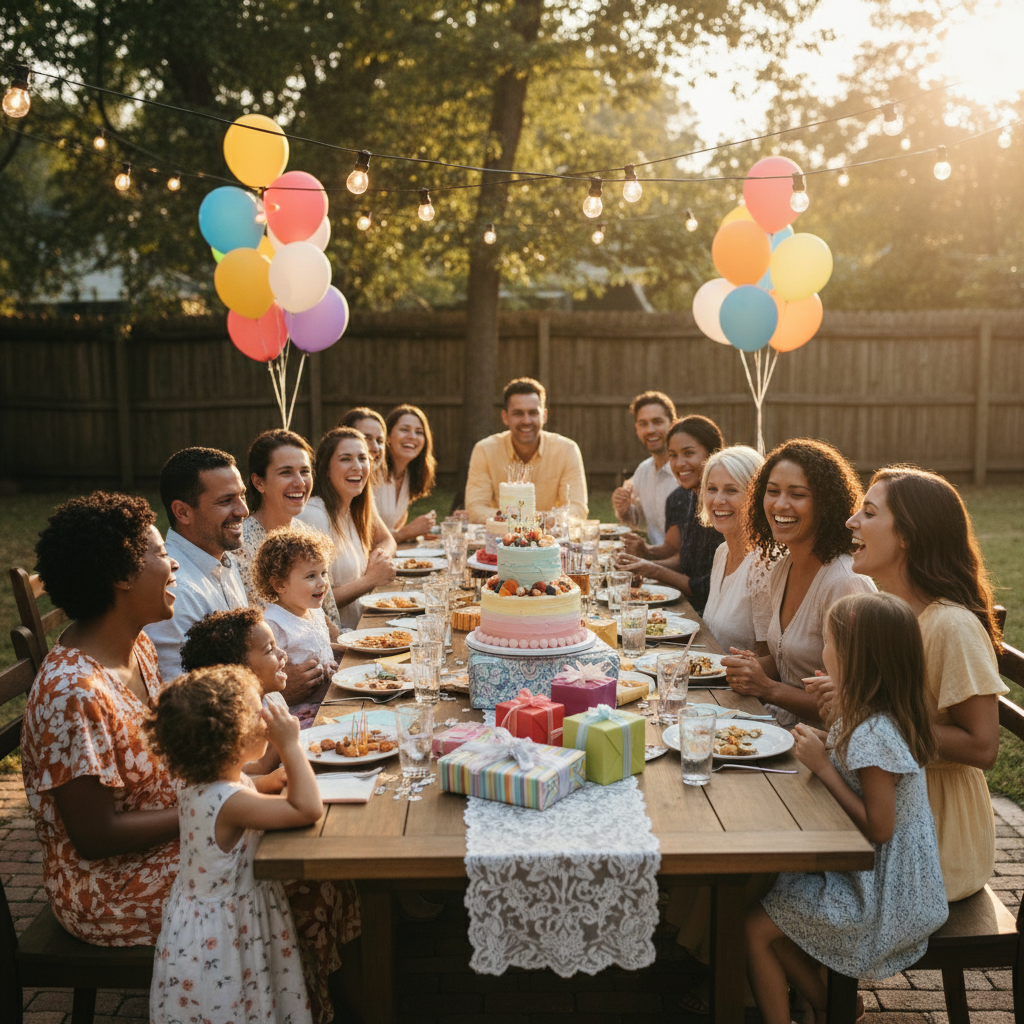
A birthday party planning guide is a clear, step-by-step framework for turning ideas into a fun, safe, and memorable celebration. It covers timeline, theme, guest experience, logistics, and day-of coordination. Based in HA3 0PB at Abercorn Gardens, Patel Events uses this guide to support families across Greater London—so you enjoy the day, not the stress.
By Shani Patel • Last updated: 2026-05-25
Quick Summary
Use this birthday party planning guide to organize your event in six phases: define purpose, set logistics, design the experience, coordinate vendors, communicate clearly, and run the day. Plan invites 4–6 weeks out, expect a 10–15% no‑show rate, and document allergies. Keep setup, program, and teardown timelines visible.
- What you’ll get: A practical timeline, checklists, sample run-of-show, and tool picks.
- Who it helps: Parents, partners, and teams planning birthdays from 1st to 80th.
- Local fit: Tips tailored for HA3 0PB and the wider Greater London metro.
- Patel Events role: Design, decor, logistics, DJ, cinematography, and day-of coordination.
- Outcomes: Smooth setup, happy guests, and stress-free memory-making.
What Is a Birthday Party Planning Guide?
A birthday party planning guide is a structured plan that turns a theme and guest list into a schedule, checklist, and vendor map. It aligns vision, timing, safety, and guest experience so nothing is missed. The result: a celebration that feels effortless because the details are organized.
This guide distills our 27+ years of event planning into a simple, repeatable method. It suits at-home gatherings, venue parties, outdoor picnics, and hybrid/virtual add-ons. You’ll see how we combine design, decor, logistics, and vendor management to deliver a celebration that reflects the guest of honor—and fits your space and schedule.
- Core components: goals, guest list, date/time, venue, theme/style, activities, food & beverages, safety, schedule, roles, vendor confirmations, contingency plan.
- Expected planning window: 4–8 weeks for most birthdays; 8–12 weeks for specialty venues or complex activities.
- Typical RSVP patterns: Initial surge in 48 hours, then a second wave at the reminder; plan for 10–15% attrition.
- Key risks to manage: weather, dietary needs, accessibility, entertainment timing, and cleanup logistics.
Why Thoughtful Planning Matters
Planning protects the guest experience. A clear timeline reduces bottlenecks, aligns vendors, and keeps activities on track. Families report lower stress and better memories when roles, safety protocols, and run-of-show are defined before event day. Good planning makes joy visible.
Here’s the thing: the best parties feel spontaneous—but they’re engineered that way. Simple moves, like batching setup tasks and placing wayfinding signs at entry points, save time and prevent crowding. A visible schedule reduces wait times for food and activities. A dedicated “quiet corner” helps kids regulate energy between games.
- Time gains: Pre-packing decor kits typically cuts setup by 20–30 minutes for at-home events.
- Guest flow: Stagger activities every 20–30 minutes to maintain momentum without fatigue.
- Communication: Short texts (80–120 characters) with parking or entry notes reduce arrival friction.
- Safety: Post a one-page allergy list near the food station; designate one adult to monitor it.
How Birthday Party Planning Works (Step-by-Step)
Plan in six phases: clarify purpose, map logistics, design the experience, confirm vendors, communicate to guests, and manage the day. Use a dated checklist, a floor plan, and a run-of-show. Build 15-minute buffers around key transitions so the celebration stays calm and on schedule.
Phase 1: Clarify Purpose and Vision (Week 8–6)
- Define success: What will make the guest of honor feel celebrated? Capture 3–5 must-haves.
- Choose format: At-home brunch, venue celebration, park picnic, activity-led experience, or hybrid.
- Pick the time: 2–3 hours is ideal for kids; 3–4 hours for teens and adults.
- Shortlist dates: Consider school calendars, major sports events, and religious observances.
Phase 2: Logistics and Guest List (Week 6–5)
- Headcount range: Decide min/max; space drives comfort. For living rooms, 10–20 feels good; venues scale higher.
- Venue basics: Parking, accessibility, restrooms, sound rules, and weather backups (if outdoors).
- Food service: Full buffet vs. grazing boards vs. plated bites; always label top allergens.
- Entertainment: Activities in 20–30 minute blocks; music playlists in 3 segments: arrival, peak, wind-down.
Phase 3: Design and Decor (Week 5–4)
- Theme selection: Tie palette to 2–3 hero colors; add one metallic or neutral to ground the look.
- Decor map: Entry welcome, cake table, focal photo backdrop, food station, and activity zones.
- Tablescapes: Layer linens, runners, and centerpieces; vary height with risers or florals.
- Signage: Arrows or icons for restrooms, gifts, and quiet area; keep pathways 36 inches clear.
Phase 4: Vendors and Confirmations (Week 4–3)
- Entertainment partners: DJ, face painter, magician, balloon artist, photo booth, or cinematography.
- Deliverables: Confirm arrival windows, setup needs, power outlets, and contact on the day.
- Plan B: Hold a weather backup and an indoor activity if outdoor play stalls for 15+ minutes.
- Dietary coordination: Consolidate allergies into one shared note; keep antihistamine accessible.
Phase 5: Invitations and Communications (Week 4–2)
- Invites: Send 4–6 weeks prior; include start/end times, dress code, parking, and allergy reminder.
- RSVP cadence: Nudge at T‑minus 10 days; final headcount lock at T‑minus 5.
- Housekeeping: Share shoes-on/off policy, stroller parking, and elevator/stair access.
- Vendor updates: Push final counts and any layout tweaks 72 hours before the event.
Phase 6: Run-of-Show and Day Management (Week 1–Day 0)
- Setup: Load-in starts 90 minutes before doors for at-home; 120 minutes for venues.
- Welcome flow: Greet at door, direct to gifts table, invite to first light activity within 5 minutes.
- Cake moment: Aim for the 60–75 minute mark for kids; 90–120 minutes for adults.
- Teardown: Pack labeled bins by zone; a 3-person team can clear a living room in ~35 minutes.

Types of Birthday Parties and Approaches
Choose a format that fits your guest of honor, space, and weather. At-home is intimate and flexible; venues add capacity and support; outdoor parties feel relaxed; hybrid adds remote family. Align activities, decor, and food to the format so flow—and fun—stay high.
Popular Formats
- At-home celebration: Cozy and customizable. Great for 10–25 guests. Use a simple floor plan: welcome, activities, cake, quiet corner.
- Venue party: Scales to 30–120+ guests with staff support. Ask about load-in windows, sound rules, and confetti/glitter policies.
- Outdoor picnic: Parks give room for games and photos. Build a rain plan and monitor 24–48 hour forecasts.
- Activity-led: Pottery, bowling, trampoline, or VR. Reserve in off-peak windows for easier hosting.
- Hybrid/virtual add-on: Stream cake cutting for remote family; test audio and framing the day before.
Format Comparison
| Format | Guest Range | Setup Time | Weather Risk | Notes |
|---|---|---|---|---|
| At-home | 10–25 | 60–90 min | Low | Most flexible; mind storage for coats, gifts, and strollers. |
| Venue | 30–120+ | 90–120 min | Low | Check sound restrictions, decor rules, and post-event cleanup. |
| Outdoor | 15–60 | 45–75 min | High | Always hold a covered backup within 10–15 minutes’ travel. |
| Hybrid/Virtual | Unlimited (viewers) | 30–45 min | Low | Test camera, mic, and lighting; assign one host to chat. |
Best Practices for a Memorable, Low-Stress Party
Anchor the party around clear zones, short activity bursts, and a visible schedule. Label food with allergens, prep decor kits by zone, and build 15-minute buffers. Assign roles—greeter, activity lead, photographer—so you can focus on the guest of honor.
- Zones that work: Entry welcome; photo wall; activities; cake; quiet corner; gifts; food & beverages.
- Activity rhythm: Rotate every 20–30 minutes; end with a calm craft so departures feel easy.
- Decor efficiency: Pack each zone’s items into its own bin with tools (tape, clips, scissors, zip ties).
- Music energy curve: Arrival (light), peak (upbeat), wind-down (chill). A DJ can live-mix transitions.
- Safety cues: Post a contact card, allergy list, and restroom locations near entry.
- Photo plan: Capture entry smiles, activity candids, cake moment, and group photo before goodbyes.
In our experience, a clear run-of-show printed in 14–16 pt font and taped near the kitchen or DJ booth keeps everyone synced. For outdoor set-ups, stakes or weighted bases prevent backdrop shifts when wind gusts exceed ~10–12 mph.
Tools and Resources We Trust
Use a dated checklist, simple floor plan, and shared notes app to keep everyone aligned. Template run-of-show, allergy log, and vendor contacts reduce last-minute questions. A 10-minute pre-brief with helpers prevents 80% of day-of confusion.
- Templates: Master checklist, run-of-show, and allergy/dietary tracker. Print one set; keep one digital copy.
- Planning apps: Shared notes or task boards; calendar holds for reminders at T‑minus 10 and 3 days.
- Layout tools: Graph paper or simple diagram apps for room flow and decor placement.
- Safety kit: First-aid basics, extra water, cleaning wipes, and a phone battery pack.
For inspiration on spaces and activities, browse venue roundups and activity guides—these spark ideas when you’re shaping flow and guest experience. Explore a concise venue explainer to find your perfect venue, scan milestone birthday ideas to theme the day, and consider a modern twist with a VR party guide for tech-loving teens.
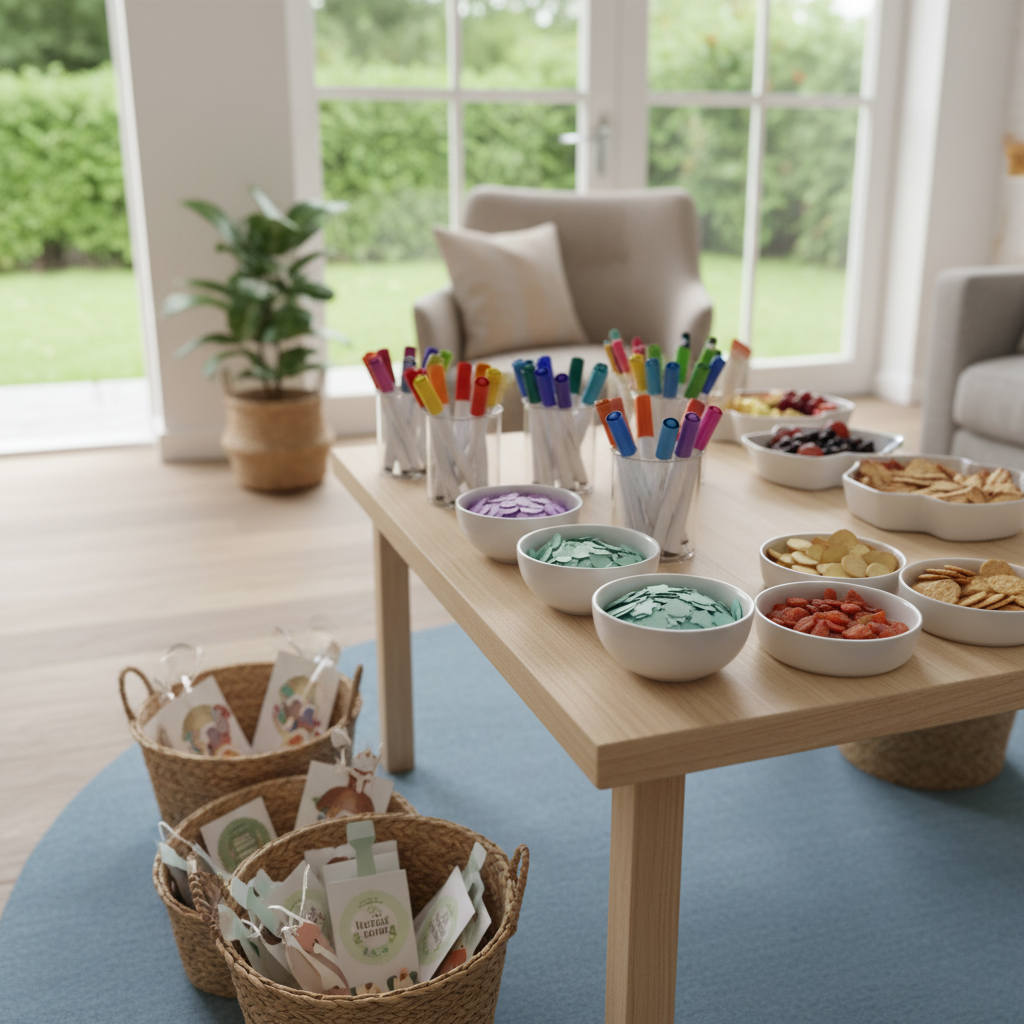
Case Studies and Real-World Examples
Real examples turn ideas into action. Here are condensed snapshots showing how design, decor, vendor coordination, and run-of-show come together—so you can borrow structures that fit your space, guest mix, and vision.
Example 1: Intimate At-Home 6th Birthday (Harrow)
- Format: At-home; 16 guests (mix of kids and parents).
- Design: Pastel rainbow palette; balloon garland; low picnic tables with cushions.
- Activities: 20-minute craft, 15-minute treasure hunt, 10-minute dance freeze with DJ.
- Run-of-show: Doors 2:00; craft 2:10; hunt 2:35; cake 3:05; open play 3:20; goodbyes 3:45.
- Outcome: Setup in 75 minutes with zone bins; zero bottlenecks; one tidy quiet corner a hit.
Example 2: Milestone 40th Dinner (Greater London venue)
- Format: Venue; 72 guests; live DJ and short speeches.
- Design: Jewel tones, candlelight, modern florals; statement photo backdrop.
- Flow: Cocktail welcome 7:00; seated dinner 7:45; toasts 8:30; cake 9:15; dancing 9:30.
- Vendors: DJ for Events, cinematography team, florist; all confirmed 3 weeks prior.
- Outcome: Timed toasts at 3 minutes each; DJ cues kept energy rising without speech overruns.
Example 3: Teen Hybrid Party with Remote Family
- Format: Activity-led + livestream for family abroad.
- Design: Neon accents, LED uplights, tech-forward props for the photo wall.
- Tech: Tripod-mounted phone, ring light, and external mic; test the day prior.
- Run-of-show: Stream opens 10 minutes before cake; one host monitors chat.
- Outcome: Remote relatives felt included; recording delivered next day by cinematography.
Example 4: Outdoor Park Picnic (Summer)
- Format: 35 guests at a shaded lawn; lawn games and acoustic playlist.
- Design: Lightweight backdrops with sandbagged bases; gingham runners; bud vases.
- Risk plan: 20-minute light-rain backup under a pavilion; umbrellas staged near entry.
- Outcome: Wind spikes didn’t shift decor; weighted bases and low centerpieces proved stable.
Local Planning in HA3 0PB and Greater London
Planning in HA3 0PB within Greater London? Build extra travel buffers, note parking and transit, and mind venue load-in rules. For transit-friendly parties, share directions from landmarks like Kenton station. Always confirm sound policies and decor restrictions 1–2 weeks out.
We plan across London, Leicester, Kent, and Tooting—rooted in Harrow. When your guests are crossing boroughs or mixing families with young children, clarity wins: addresses, parking notes, elevator access, and stroller storage reduce friction. For outdoor plans, track the 48-hour forecast and have an indoor pivot 10–15 minutes away.
Local considerations for HA3 0PB
- Share a quick pin drop and transit note for arrivals via Kenton station—it shortens “Where do I go?” texts.
- Summer Saturdays fill fast across Greater London; send invitations 6 weeks ahead and hold a rain-friendly backup.
- Many venues cap amplified sound after certain hours; align DJ sets and speeches to house rules before finalizing run-of-show.
Sample Run-of-Show (Copy/Paste)
This 2.5-hour run-of-show fits most at-home or small-venue birthdays. Adjust to your guest mix and age range. Keep transitions tight and assign one person to time calls, so moments flow without rushing.
- 00:00 Doors open; greeter guides guests to gifts and photo wall.
- 00:10 Icebreaker or light craft; playlist at low volume.
- 00:30 Signature activity or game block.
- 01:00 Cake prep; gather guests; candles ready.
- 01:10 Cake song and photos; slices plated near exit side of table.
- 01:25 Open play or second game; casual mingling.
- 01:55 Group photo; begin favor distribution.
- 02:15 Wind-down music; thank-yous; soft goodbyes.
Checklists and Templates
Checklists reduce decision fatigue. Use this master list to track the moving parts. Assign initials to each item and set reminders. Print a copy for the kitchen counter or DJ booth.
- Vision: Goals, theme, palette, must-play songs, dietary notes, accessibility needs.
- Logistics: Date, time, address, parking, load-in window, power needs, Wi‑Fi info.
- Guest list: Names, plus-ones, kids’ ages, RSVPs, allergies.
- Vendors: DJ, decor/styling, photographer/cinematography, baker, entertainer; contacts and arrival windows.
- Decor: Backdrops, balloons, florals, tableware, signage, tape/clips, extension cords.
- Activities: Supplies for 2–3 games or crafts; backups for shy or sensory-sensitive guests.
- Food & beverages: Labels, napkins, serveware, trash/recycling plan, hand wipes.
- Safety: First-aid kit, allergy list, emergency contacts, spill plan.
- Run-of-show: Print in 14–16 pt; roles assigned (greeter, activity lead, photo lead, teardown lead).
How Patel Events Can Help
We design, style, and run birthdays end-to-end—so you can be present. Our team manages decor, timelines, entertainment (DJ), cinematography, vendor coordination, and day-of execution, drawing on 500+ events and a trusted vendor network.
- Design & decor: Balloon installations, florals, backdrops, tablescapes, and cohesive color stories.
- Entertainment: DJ for Events, dance segments, and activity pacing that fits your crowd.
- Cinematography: Highlight reels and family interviews; quick turnaround for sharing.
- Logistics: Floor plans, load-in scheduling, power mapping, and cleanup orchestration.
- Destination & private celebrations: From London dinners to overseas moments, we bring the same precision.
Planning a corporate birthday or brand-aligned milestone? Our corporate events practice runs product launches, conferences, and annual galas—skills that translate into polished, right-on-time celebrations at any scale.
Frequently Asked Questions
These quick answers resolve the most common birthday planning questions. Each one is built from on-the-ground experience coordinating London parties—from small living rooms to staffed venues.
When should I send birthday invitations?
Send invites 4–6 weeks before the party. For summer weekends or venue parties, lean toward 6 weeks. Follow up 10 days before the event and lock headcount 5 days out to align food and activity supplies.
How long should a kids’ party run?
Two to three hours is ideal for most kids. Keep activities in 20–30 minute blocks, place cake near the middle, and finish with a calm craft or photo time so goodbyes feel natural.
What’s the best way to handle food allergies?
Collect allergy details with RSVPs, label food clearly, and post a one-page summary near the food station. Assign one adult to monitor the list and keep basic first-aid supplies accessible.
Do I need a DJ for a small birthday?
For 20–40 guests, a DJ can time transitions and maintain energy. If you’re self-DJing, prebuild three playlists—arrival, peak, wind-down—and ask a friend to cue tracks so you can host.
How do I plan for weather at an outdoor party?
Hold a covered backup within 10–15 minutes, watch forecasts 48 hours out, and sandbag or weight decor. Keep umbrellas and towels on hand and shift cake inside if wind gusts exceed ~10–12 mph.
Key Takeaways and Next Steps
Define success early, plan in six phases, and keep a visible run-of-show. Assign roles and build buffers around transitions. If you’d like expert hands, Patel Events can design, coordinate, and host so you can be fully present.
- Start with goals, format, and headcount; send invites 4–6 weeks out.
- Design zones and short activity bursts; label allergies and restrooms.
- Use templates for checklist, schedule, and contacts; pre-brief your helpers.
- Print a clear run-of-show; build 15-minute buffers around cake and transitions.
- Ready for support? Talk to Patel Events to turn your plan into a seamless celebration.