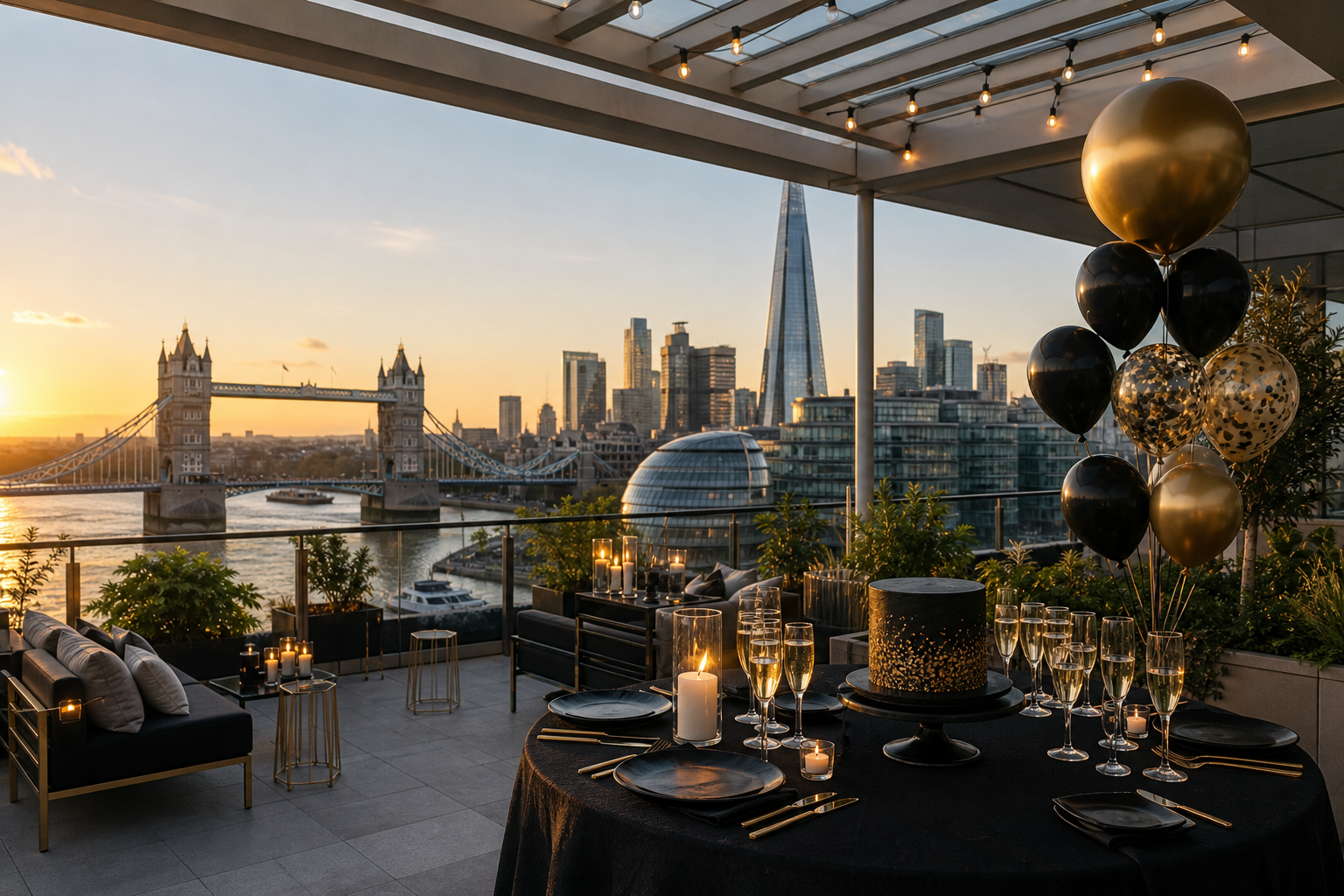
A Practical Guide to Birthday Party Ideas in London
Planning a birthday in a big, option-rich city can feel exhilarating—and overwhelming. This practical guide breaks the process into clear steps with versatile ideas you can tailor to any age, style, or season. Use the checklists and frameworks below to turn inspiration into a smooth celebration day.
Start with the guest of honor
Every great birthday plan begins with the person you’re celebrating. A brief discovery helps align decisions on venue, menu, entertainment, and format.
- Vibe: Cozy dinner, lively dance night, laid-back picnic, hands-on workshop, or elegant cocktail party?
- Guest mix: Mostly family, friends, colleagues, or kids’ classmates? Any VIPs to prioritize?
- Energy level: Activities and games, immersive experiences, or social mingling?
- Diet and preferences: Cuisine loves and no-gos, allergens, and dietary needs.
- Traditions and culture: Special rituals, milestone elements, or meaningful decor motifs to include.
Choosing the right venue in London
Venue sets the tone. As you explore options, balance atmosphere, logistics, and flexibility. Consider the following comparison points to shortlist locations that fit your brief.
- Location and travel time: Aim for a spot that’s reasonable for most guests. Check transit access, parking options, and step-free routes if needed.
- Capacity and flow: Is there room for arrivals, activities, dining, and a dance area without crowding?
- Noise and timing: Ask about music levels, timing windows, and any building quiet hours.
- Dry hire vs. inclusive: Do you want a blank canvas (bring your own suppliers) or a space with furniture, lighting, and AV included?
- Layout flexibility: Can the room be reconfigured for a surprise reveal, cake moment, or kids’ activity zone?
- Weather plans: If you’re eyeing outdoor elements, build a wet-weather plan that keeps the event fun and relaxed.
Themes that work in any season
A clear theme simplifies decisions on invitations, decor, entertainment, and the menu. Mix and match to suit your personality and budget.
- Color-forward: Monochrome chic, jewel tones, pastel gradients, or a bold two-color palette.
- Era-inspired: Retro 80s neon, 90s throwback, old-Hollywood glam, or a vintage garden party.
- Hobbies and passions: Travel stamps, book club soirée, film night, coffee and patisserie, sneaker culture.
- Interactive studio: Paint-and-sip, candle pouring, floral arranging, mocktail/cocktail lab.
- Games and quests: Escape-puzzle party, board-game lounge, trivia challenge, scavenger hunt.
- Family-friendly fun: Carnival mini-games, build-your-own dessert stations, craft corners.
Age-smart ideas by guest group
Different groups gravitate toward different formats. Use these prompts to shape the agenda and activities.
Kids (ages 1–10)
- Structured play: Soft-play corner, puppet show, magician, or bubble artist.
- Hands-on crafts: Decorate cupcakes, personalized tote-bag stamping, or mask-making.
- Mini milestones: A themed photo backdrop, keepsake cards from guests, and a gentle cake moment.
- Parent-friendly touches: Clear schedule, quiet zone for naps, and labeled snack options.
Tweens and teens
- Creative labs: Street-art workshop (on canvases), music-making station with headphones, or DIY jewelry.
- Social spaces: Lounge seating, photo booth with props, and a mocktail bar.
- Friendly competitions: Karaoke bracket, dance-off, or team trivia.
- Tech touches: Curated playlist submissions and a moderated group chat for RSVPs.
Adults
- Dinner-with-a-twist: Progressive tasting, chef’s-table seating plan, or shared platters for conviviality.
- Immersive ambiance: Themed lighting, signature scents, and a cohesive tablescape.
- Interactive entertainment: Live acoustic set, tasting flight, or a short workshop that suits the group.
- After-hours energy: DJ-led dance set, lounge beats, or a classic sing-along hour.
Food and drink that fit the plan
Menus work best when they match the timing, flow, and guest preferences of your party. Build from these adaptable approaches.
- Serve style: Canapés for mingling, grazing tables for casual flow, plated dishes for a seated dinner, or street-food style for variety.
- Dietary clarity: Signpost allergens and offer popular dietary choices side-by-side so no one feels singled out.
- Feature moments: A signature mocktail or cocktail, late-night snacks, or a dessert parade just before dancing.
- Kid-friendly stations: Build-your-own pizza or tacos, fruit skewers, mini sliders, and drink dispensers at the right height.
- Cake strategy: If you have a showpiece cake, plan lighting, music cue, and a quick photo moment before slicing.
Decor, lighting, and atmosphere
Small, well-placed design decisions create big impact. Use a few anchor elements and repeat them consistently.
- Palette and textures: Carry two to three core colors through linens, napkins, candles, and signage.
- Statement moments: One strong focal point—such as a backdrop or feature table—anchors photos and greetings.
- Layered lighting: Combine warm ambient lights with accent LEDs or candles to shift from welcome to dance time.
- Scent and sound: Lightly scented florals or diffusers and an arrival playlist help set the tone.
- Photo-friendly details: Non-reflective surfaces, balanced heights, and clutter-free corners.
Entertainment and activities
Choose one headline entertainment element and two supporting activities so the party feels lively but not rushed.
- Headline: Live music set, DJ, professional host, or a short performance.
- Supporting activities: Photo booth, tasting bar, quick craft table, or game lounge.
- Flow cues: Use music transitions and short announcements to guide guests between zones without herding.
- All-ages engagement: Balance seated and standing activities; rotate quieter options for guests who prefer them.
Timeline and run of show
A clear schedule minimizes stress. Adjust the structure below to your event length and format.
- Arrival window (20–45 minutes): Soft music, welcome drinks, name labels if helpful.
- Icebreaker or casual mingle (15–20 minutes): Light activity or host welcome.
- Main service (45–90 minutes): Food served in your chosen format.
- Spotlight moment (10–15 minutes): Toasts, slideshow, or the cake reveal.
- Open entertainment (60–120 minutes): DJ/live set, games lounge, or social time.
- Closing cue (10 minutes): Final song, thank-you announcement, and take-home treats.
Guest comfort and accessibility
Comfort-forward planning encourages guests to stay longer and enjoy more.
- Seating balance: Aim for a mix of lounge spots and upright chairs around conversation hubs.
- Wayfinding: Simple signs to restrooms, pram space, cloak area, and activity zones.
- Access considerations: Step-free routes where possible, clear aisles, and adequate lighting.
- Temperature: Have lightweight layers or blankets available if you expect cooler moments.
- Quiet corners: Create a calm area for phone calls, nursing, or overstimulated kids.
Budgeting and prioritization
Decide what matters most to the guest of honor, then align the majority of spend to that. A simple 3-2-1 prioritization helps:
- 3 must-haves: The elements that define the celebration (e.g., favorite cuisine, music style, or decor focal point).
- 2 nice-to-haves: Enhancements that elevate ambiance but can be simplified if needed.
- 1 flexible: A line item you can scale up or down late in planning (e.g., favors or an additional activity).
Checklists and templates
Use these concise lists to keep planning on track.
RSVP and comms
- Invitation with date, time, dress code (if any), and RSVP method.
- Dietary and accessibility questions included in the RSVP.
- Reminder one week out with directions and transport tips.
Supplier coordination
- Single point of contact and mobile numbers exchanged.
- Arrival, setup, sound-check, and breakdown windows agreed.
- Contingency instructions in writing (weather, delays, substitutions).
Day-of essentials
- Printed timeline with key cues and who’s responsible.
- Emergency kit: tape, extension leads, spare chargers, pens, stain wipes, plasters.
- Photo list for must-capture moments and people.
Ideas by season and time of day
When you schedule the party can shape the menu, lighting, and activity choices.
- Brunch birthdays: Coffee flight, pastry towers, light acoustic soundtrack, and bright florals.
- Afternoon socials: Garden-style grazing, lawn-style games (indoors or out), craft corners for kids.
- Evening affairs: Statement lighting, plated or family-style dinner, and dance-forward playlists.
- Late-night bites: Sliders, fries, and sweet stations paired with upbeat music and a shorter run time.
Memory-making and media
Plan simple structures to capture the day without interrupting the flow.
- Guest messages: A well-placed message book or video message booth near the entrance.
- Photo rhythm: Schedule a 10-minute window after arrivals for group shots before everyone disperses.
- Highlights reel: Note two or three key moments (entrance, toast, cake) for focused capture.
- Share-out: Send a link to photos or a short recap note within a week as a final touch.
Common pitfalls and how to avoid them
- Too many activities: Prioritize one headline and two supporting elements to keep the pace comfortable.
- Unclear roles: Assign responsibilities for greeting, timing, and supplier liaison.
- Undersized sound or lighting: Match equipment to room size for clear speeches and balanced ambiance.
- Late cake reveal: Time it before guests begin to depart so everyone shares the moment.
- No backup plan: Keep a simple contingency for weather shifts, transit delays, or missing items.
FAQs
How far in advance should I start planning a birthday party?
For a small home gathering, four to six weeks is often comfortable. If you’re hiring a venue, entertainment, or specialty suppliers, start eight to twelve weeks ahead to secure preferred dates. For milestone birthdays or complex themes, allow even more time so decisions remain calm and considered.
What’s a simple way to choose a theme without overcomplicating things?
Pick one anchor idea—such as a color palette, an era, or a favorite hobby—and repeat it consistently across three touchpoints: invitations, a decor focal area, and cake or dessert styling. Consistency beats complexity.
How do I handle mixed-age guest lists gracefully?
Create zones: a conversation lounge, an activity or game corner, and a kid-friendly table if needed. Offer at least one non-alcoholic signature drink and label common allergens at the buffet. A short, well-timed speech or toast helps everyone align for the celebration moment.
What’s the best order for speeches, cake, and dancing?
Welcome guests, serve the main food service, schedule a brief toast, then the cake reveal. Follow with open dancing or relaxed social time. That sequence ensures energy builds naturally and your key moments are well attended.
How can I keep the budget under control?
Use the 3-2-1 rule: fund three must-haves fully, keep two nice-to-haves modest, and designate one flexible element to scale at the end. Reuse decor across zones and choose a menu service style (like sharing platters) that reduces complexity without sacrificing hospitality.