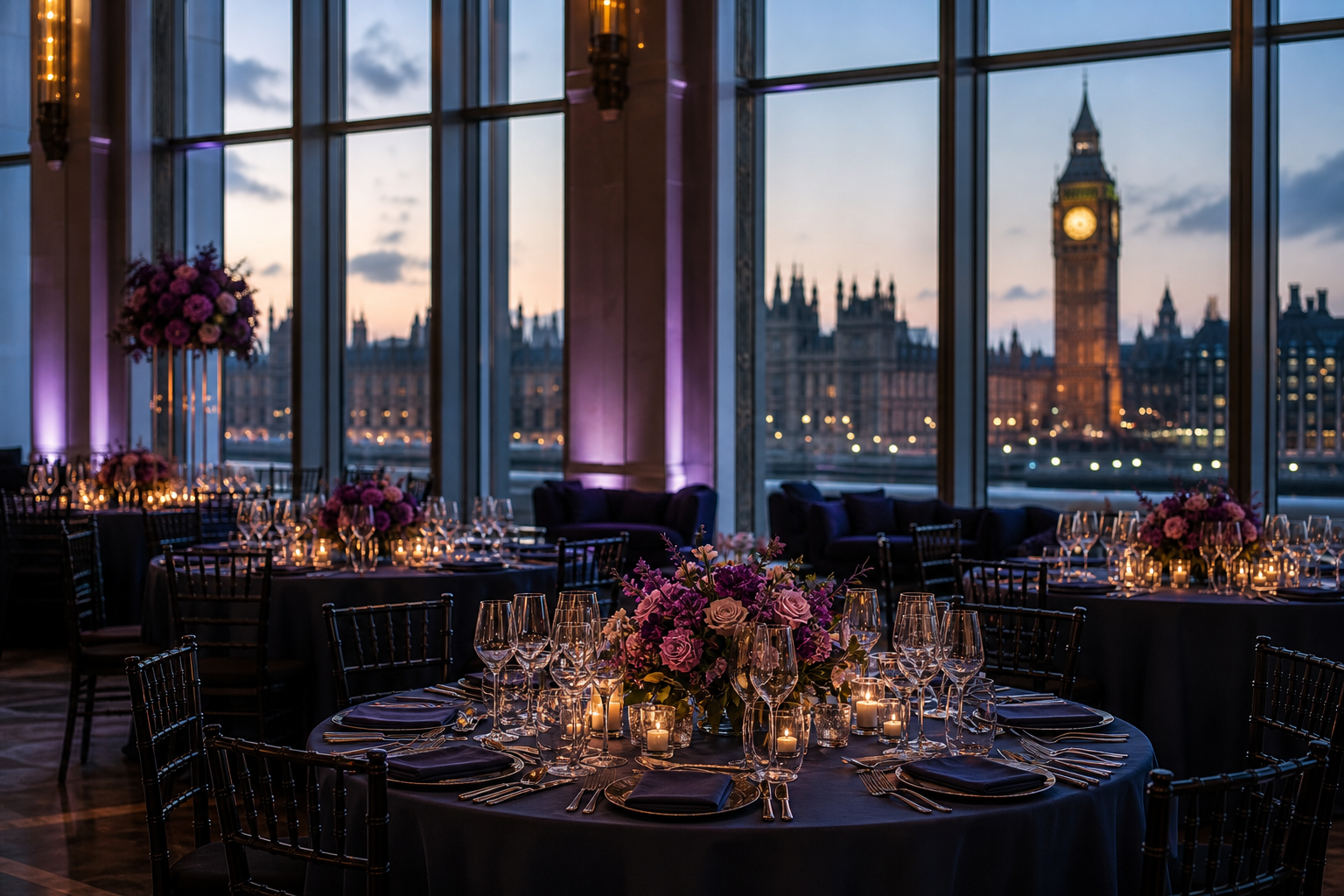
A Practical Guide to Annual Gala Planning in London
Annual galas unite stakeholders, celebrate milestones, and raise visibility and funds. This practical guide walks you through the process from goal-setting to post-event analysis so you can run a polished, guest-centered gala in London year after year.
Set your objectives
Clear goals inform every decision you make, from venue and program format to sponsorship strategy and success metrics. Start with a concise brief that captures why the gala exists and what success looks like.
- Purpose: celebration, fundraising, brand awareness, stakeholder engagement, or all of the above.
- Primary audiences: donors, clients, partners, community leaders, employees, press.
- Top three outcomes: for example, net funds raised, new partnerships initiated, or attendee satisfaction.
- Brand alignment: tone (black tie, contemporary, thematic), values messaging, and must-include elements.
- Decision rights: who signs off on creative, budget, and program content.
Translate each objective into a measurable indicator. For instance, if your objective is relationship building, you might track VIP acceptance rates, meeting requests, and post-event follow-up conversions.
Build your gala blueprint
With objectives in place, create a high-level blueprint to keep workstreams synchronized.
- Working theme: a short statement or motif that guides décor, staging, and communications.
- Guest list model: projected capacity, VIP segments, sponsors, and plus-ones.
- Experience arc: arrival, networking, seated program, awards or entertainment, after-hours.
- Budget framework: categories and ranges; include a contingency line.
- Governance: weekly stand-ups, milestone reviews, and final sign-off procedures.
Maintain a single-source-of-truth document for the blueprint. Update it as decisions lock so teams reference the same assumptions.
Venue and format decisions
Venue and format shape logistics, guest flow, and production quality. Create a matrix to compare options objectively.
- Capacity and layout: reception spaces, stage sightlines, ceiling height, kitchen access, green rooms.
- Format compatibility: standing reception vs. plated dinner; live band, awards, or auctions.
- Technical infrastructure: power access points, rigging options, built-in AV, and acoustic profile.
- Back-of-house: storage, load-in routes, lift access, and staging areas for suppliers.
- Guest journey: entrance, registration, cloakroom, bar placement, seating plan flow, exit.
Request scaled floorplans from venues early. Sketch layouts for key moments—registration, dinner seating, stage orientation—and consider how suppliers will access the space for setup and strike.
Program design and run of show
A well-paced program keeps energy high and messages clear. Draft a run of show early, then iterate with stakeholders and talent.
Sample run of show for a seated gala:
- 18:00–19:00: Arrival and reception (light bites, welcome drinks, soft background music).
- 19:05–19:15: Guests seated, MC welcome, housekeeping notes.
- 19:15–19:45: Starter served; opening remarks and short video.
- 19:45–20:20: Main course; awards or honoree segment.
- 20:20–20:35: Entertainment interlude or live performance.
- 20:35–20:50: Fundraising appeal or sponsor recognition.
- 20:50–21:10: Dessert and coffee; networking break.
- 21:10–21:40: Headline entertainment or keynote.
- 21:40–22:00: Closing thanks, call to action, and program wrap.
- 22:00–23:30: After-hours lounge or dancing (optional).
Keep speeches concise and purposeful. Slot high-attention moments (honors, appeals, performances) between meal courses to maintain momentum and avoid long dead zones.
Catering and guest experience
Food and service often define guest sentiment. Consider culinary choices that reflect your theme while accommodating diverse preferences.
- Menu design: a balanced progression with vegetarian and plant-forward options available by request.
- Service style: plated, family-style, or stations; choose for pace and conviviality.
- Allergy and dietary collection: add fields to RSVP forms and confirm with caterers before final guarantees.
- Beverage planning: thoughtful non-alcoholic options; water service without disrupting the program.
- Seating plan: host strategic tables that mix VIPs, sponsors, and mission ambassadors.
Enhance the experience with subtle touchpoints: clear signage, staffed welcome points, well-positioned bar and rest areas, and considerate lighting and sound levels during conversation windows.
Sponsorships and fundraising
A structured partnership program sustains a gala’s long-term viability. Build offers around brand alignment and tangible value.
- Partner objectives: visibility, hospitality, thought leadership, or employee engagement.
- Tiered packages: define consistent benefits by level (branding, hospitality allocation, stage mentions).
- A la carte add-ons: naming opportunities for lounges, photo moments, or program segments.
- Deliverables map: specify exactly where logos appear, the number of mentions, and guest entitlements.
- Stewardship plan: pre-event onboarding, on-site hosting, and post-event fulfillment.
For fundraising galas, align the appeal to a specific need and explain the impact in plain language. Offer multiple ways to give (pledge forms, QR codes, or post-event follow-up) and ensure every giving method is easy to use within the program flow.
Marketing and communications
Consistent messaging supports attendance and sponsor confidence. Craft an integrated communications calendar tied to key milestones.
- Save the date: announce early to anchor diaries; include time window and attire cue.
- Invitation suite: concise value proposition, RSVP instructions, and accessibility information.
- Guest comms: one-page event brief the week-of with arrival guidance and program highlights.
- On-site messaging: scripts for MCs, signage copy, and short-form content prompts.
- Post-event: thank-you notes, photo galleries, and a short impact recap to sustain momentum.
Maintain a single tone of voice across written and spoken assets. Build a visual toolkit (logo lockups, color palette, and typography rules) to keep every touchpoint cohesive.
Production timeline and checklists
Work backward from gala night, locking critical-path items first. Use a tiered timeline so nothing slips.
- 6–9 months out: Confirm objectives, initial budget, and date hold; shortlist venues and core suppliers.
- 4–6 months out: Contract venue and priority suppliers; develop theme, program outline, and sponsorship prospectus.
- 2–4 months out: Launch invitations; confirm entertainment and speakers; map floorplan and seating model.
- 4–6 weeks out: Lock menu; finalize AV cues and run of show; open final RSVP reminders; brief all teams.
- 1–3 weeks out: Table assignments; print materials; finalize deliveries and load-in schedule; conduct site walk-through.
- Event week: Reconfirm timings; distribute day-of contacts and call sheets; pack show box with essentials.
- Event day: Pre-brief crews; run sound checks; rehearse show beats; open doors on schedule.
Helpful day-of checklist items:
- Show caller script with timecodes and contingency notes.
- Printed floorplans, seating charts, and supplier contact list.
- Registration kit: tablets or guest lists, pens, badges, and on-the-spot seating fix-ups.
- Stage kit: timers, spare microphones, clickers, and batteries.
- Guest comfort: water at lecterns, quiet green rooms, and clearly signed facilities.
Risk management and accessibility
Resilient planning protects your program and your guests’ experience. Conduct a structured risk review alongside your production plan.
- Operational contingencies: backup talent, spare equipment, and alternates for key suppliers.
- Program flexibility: a short and a long version of the script to absorb delays.
- Guest welfare: hydration points, seating options during receptions, and quiet spaces.
- Accessibility: step-free routes where possible, clear wayfinding, and seating accommodations on request.
- Information clarity: pre-event emails with arrival guidance and contact details for assistance.
Brief every staff member and volunteer on how to escalate issues, and assign a single point of contact for critical decisions to avoid confusion when timing is tight.
Measurement and post-event wrap
Close the loop with clean data and timely follow-up. This turns a single night into year-long relationship value and sharper planning for next year’s gala.
- Data hygiene: reconcile attendance, seating, and pledged amounts with actuals.
- Stakeholder debriefs: capture wins, misses, and new opportunities while details are fresh.
- Guest feedback: short survey focusing on program pacing, hospitality, and key moments remembered.
- Sponsor fulfillment: provide agreed deliverables, asset links, and a concise outcomes summary.
- Archive: store final floorplans, scripts, run sheets, and supplier notes for easy reuse.
Define next actions for each priority contact within two weeks—thank-yous, meetings, or partnership discussions—so the relationships you nurtured continue to grow.
FAQs
How long should an annual gala run?
Most seated galas fit comfortably into a 3.5–4.5 hour window, including reception time, a paced dinner, and a tightly scripted program. If you add an after-hours lounge or dancing, plan additional time after the core program ends so guests can depart when they wish.
What’s the best way to keep speeches engaging?
Set time limits, rehearse, and anchor each speech to a single message. Interleave remarks with visual content or entertainment to refresh attention, and place the most mission-critical message during a natural pause in meal service.
How early should I finalize the seating plan?
Draft a table model a few weeks in advance, then lock allocations once RSVPs stabilize. Keep a small number of flexible seats for late acceptances or on-the-night changes, and arm your registration team with clear instructions for live updates.
Do I need a formal theme?
A formal theme can help unify décor and messaging, but it’s not mandatory. A clear tone—classic black tie, modern minimal, or a cultural motif—often provides enough creative direction without overcomplicating the brief.
What should be in a sponsor pack?
Include an event overview, audience profile, tiered benefits, visual mockups of branding placements, hospitality allocations, key deadlines, and a named contact for approvals. Make fulfillment steps explicit to avoid ambiguity.