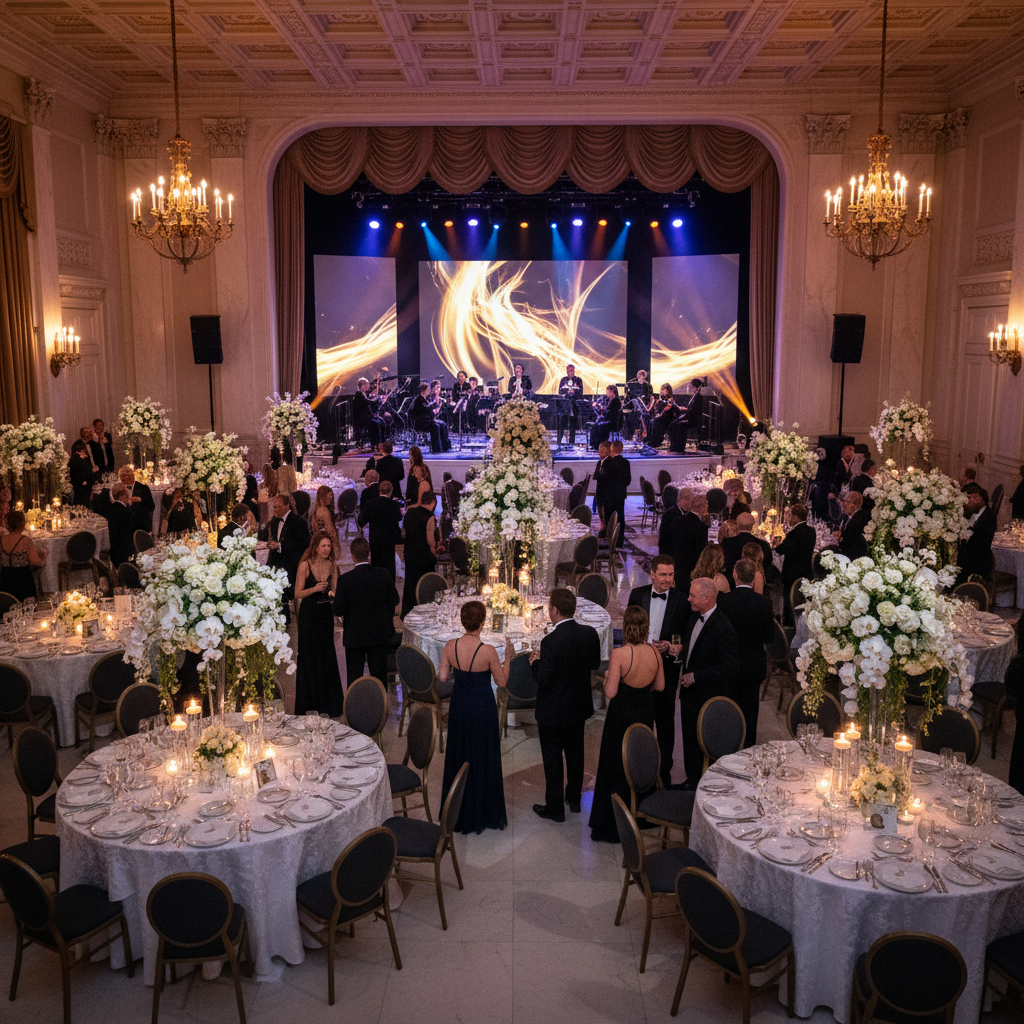
An annual gala planning guide is a practical blueprint for staging a formal fundraiser or corporate celebration—from vision and guest strategy to program, vendors, and show-calling. From our base on Abercorn Garden in HA3 0PB (Greater London), Patel Events applies this guide to deliver elegant, on-brand evenings that run on time.
By Patel Events • Last updated: 2026-05-11
Overview
This complete guide defines the annual gala, explains why it matters, and gives you a clear, step-by-step plan. You’ll get timelines, checklists, formats, templates, tools, and case studies we use at Patel Events to deliver polished, on-brand nights that raise support and deepen stakeholder relationships.
Use this playbook whether you’re leading a nonprofit benefit or a corporate celebration. You’ll learn how to:
- Align your purpose, audience, and KPIs into a simple strategy.
- Build a 6–12 month timeline with clear owners and milestones.
- Choose the right venue, program format, and entertainment.
- Design brand-forward décor, florals, and guest journeys.
- Coordinate vendors, rehearsals, and backstage operations.
- Measure success and sustain momentum after the night.
What Is an Annual Gala?
An annual gala is a formal, once-a-year evening built to inspire, recognize, and mobilize support. Hallmarks include a reception, seated dinner or small-plate service, a concise program, live entertainment, and stewardship moments that turn goodwill into lasting commitment.
In plain terms, an annual gala blends hospitality with a purposeful story. A typical arc includes arrivals, a welcome reception, seating and opening, leadership remarks, an impact segment (film or live testimony), awards or recognitions, entertainment, and open networking. Charity events often include auctions or pledges; corporate evenings lean into brand showcases, milestones, or partner recognition.
From our 27+ years across 500+ events, we’ve found programs run best when they stay lean (about 75 minutes of formal content) and tightly cued. Guests value pace, clarity, and a single unforgettable “impact moment.” Keep leadership remarks to 7–10 minutes combined, script transitions to the second, and assign one confident show-caller to own cues.
Why Galas Matter for Nonprofits and Brands
Galas work because they gather your most important people in one room and turn attention into action. The format pairs curated hospitality with a clear ask, building credibility, momentum, and multi-year loyalty you rarely achieve in digital channels alone.
For nonprofits, a gala concentrates months of cultivation into a single shared moment. Donors hear the mission from stage and see it in the room. The result is stronger pledge fulfillment, new introductions, and higher renewal rates for tables and sponsorships. For businesses, an annual celebration reinforces culture, showcases leadership, and signals category strength—often leading to warmer recruiting pipelines, media interest, and partner confidence.
To capture halo effects, track three signals for 30–60 days after the event: meeting acceptances, content engagement on recap emails and socials, and sponsor renewal intent. In our experience, a well-produced night lifts follow-up meeting rates and accelerates sponsor conversations when paired with a prompt, data-backed recap.
Your Annual Gala Planning Guide: Step-by-Step
Plan your gala by locking purpose and KPIs, appointing clear owners, holding a suitable venue, and scripting a lean, time-coded program. Use a 6–12 month runway, a visible RACI, and weekly check-ins so decisions land on time and vendors deliver flawlessly.
12 essential steps
- Define purpose and SMART goals. Examples: fund a mobile clinic, launch a scholarship, celebrate a product milestone, steward key clients. Translate into KPIs (pledges, sponsor tiers renewed, media reach, senior intros completed).
- Form your core team. Name a lead producer, program lead, sponsorships manager, logistics lead, finance owner, and one show-caller. Clarify decision rights early.
- Build timeline and RACI. Map 6–12 months of milestones. Mark critical path items (venue holds, keynote, contracts, AV plots). Assign who’s Responsible, Accountable, Consulted, and Informed.
- Select date and venue. Prioritize transit access, rigging and sightlines, back-of-house space, and load-in rules. Request CADs and hold two backup dates.
- Clarify audience and seating strategy. Segment sponsors, VIPs, alumni, prospects, and press. Create a seating philosophy that fosters high-value introductions and stewardship.
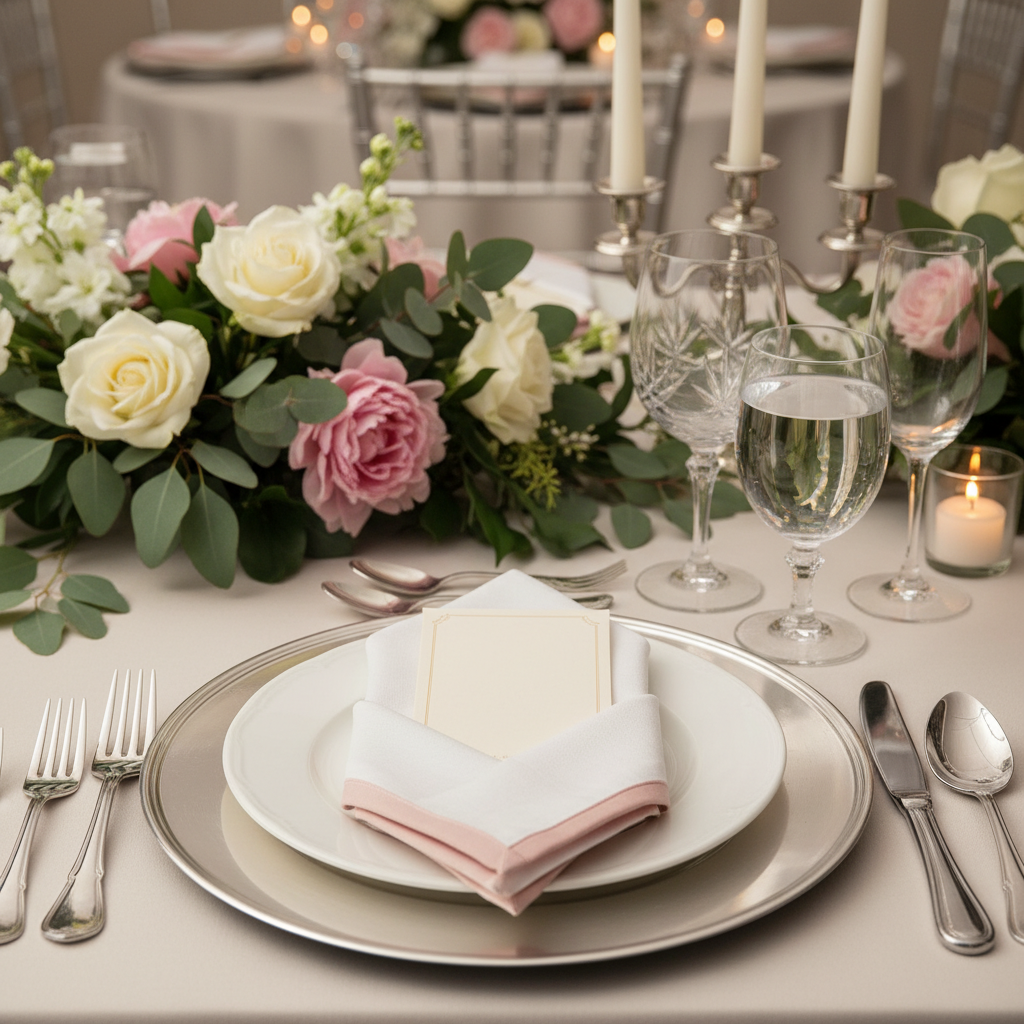
- Set brand and décor direction. Lock a “creative north star” (palette, textures, floral profile) and mood boards for stage, entries, and tables. Align signage and motion graphics to the same look.
- Finalize program arc. Keep formal content under 75 minutes. Choose a single 7–10 minute impact moment (live remarks or film). Book emcee, talent, and any cultural performance that fits your audience.
- Secure vendors. Shortlist caterer, AV/lighting, entertainment, photo/video, staging, florals, décor, transportation, and security. Confirm SLAs, comms plans, and show-day call times.
- Launch sponsorships. Package benefits tied to outcomes (stage moments, curated introductions, brand impressions). Provide a sponsor concierge and a deliverables tracker.
- Open registration and seating. Capture dietary and accessibility needs. Maintain a live seating map with VIP holds and movement notes. Assign one owner to approve swaps.
- Run risk and compliance. Validate contracts, insurance, and venue rules. Draft contingency plays for AV, talent, catering, and transportation with clear escalation paths.
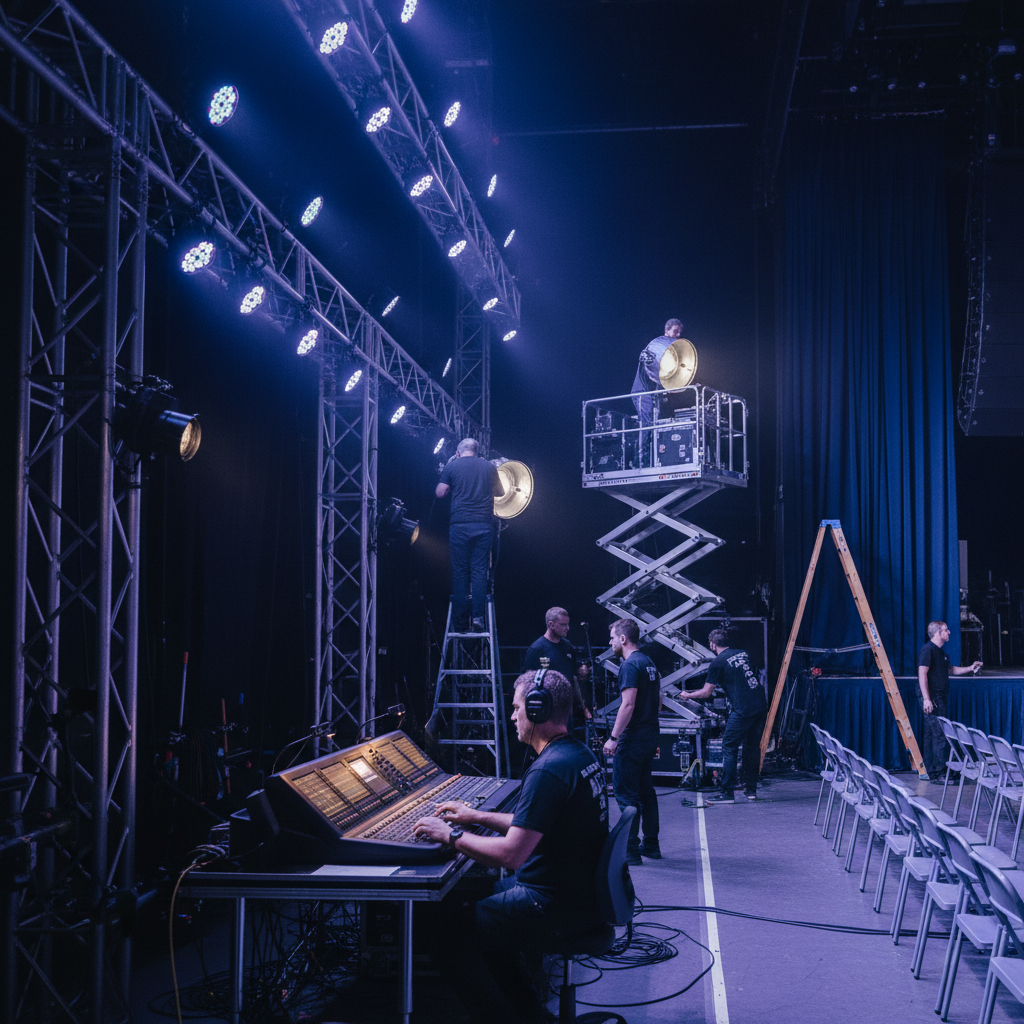
- Rehearse and show-call. First do a tabletop rehearsal; then run a full tech with mics, walk-ons, and content rolls time-coded to the second. Print redundant cue sheets.
Suggested timeline and ownership
| Timeline | Focus | Primary Owners |
|---|---|---|
| 12–9 months | Purpose, KPIs, venue holds, headline talent | Exec sponsor, producer |
| 9–6 months | Sponsorship packaging, creative direction, AV design | Producer, design lead, dev |
| 6–3 months | Invites, seating strategy, vendor confirmations | Logistics, sponsorships |
| 90–30 days | Program lock, scripts, content roll-in | Program lead, show-caller |
| 30–7 days | Final BEOs, run-of-show, rehearsals | Producer, AV chief |
| Show day | Load-in, sound checks, execution | All discipline leads |
Guest journey checkpoints
- Arrivals: Clear wayfinding, step-free entries, and coat check that clears each guest within 2–3 minutes.
- Reception: Tray-passed small bites, one signature mocktail or cocktail, and music at a volume that supports conversation.
- Seating: Place honorees where cameras can capture reactions; seat champions near prospects to enable warm intros.
- Impact moment: A tightly produced 7–10 minute film or live testimony that connects heart and head with a specific call to action.
- Post-show: Photo release within 72 hours, a thank-you note within 48 hours, and a one-page sponsor report within two weeks.
Formats and Approaches
Pick a format that fits your audience and story: seated dinner for stewardship, cocktail gala for networking, entertainment-led for buzz, or hybrid for reach. Keep the formal program lean and transitions rehearsed regardless of the format you choose.
We see four patterns succeed consistently across Greater London and beyond:
- Seated dinner gala: Classic flow with plated or family-style service. Great for high-touch stewardship and live auctions.
- Cocktail gala: Elevated mingling with tray-passed service and chef stations. Ideal for interactive sponsor activations.
- Entertainment-led night: Headline performance or cultural showcase anchors the evening; sponsors gain stage value and hospitality moments.
- Hybrid/streamed: In-room audience plus a curated broadcast for remote donors or multi-office teams; requires dedicated show-calling for both feeds.
For South Asian community galas, we often integrate classical dance or live percussion to energize transitions. For corporate audiences, we design branded arrivals, scenic stages, and interactive lounges to increase dwell time. Whichever approach you select, keep speeches short, rehearse transitions, and ensure your AV plot supports the most important camera shots.
Best Practices We Rely On
Anchor decisions to goals, compress the formal program, design from arrivals backward, and assign one show-caller with time-coded cues. Redundancy in AV and ops—plus a disciplined seating strategy—protects guest experience and sponsor value.
Pacing and content
- Script every second: Time-code intros, transitions, and content rolls. Cap the longest speech at seven minutes.
- One impact moment: Choose a single 7–10 minute segment to carry emotional weight—film, live remarks, or a performance.
- Energy arcs: Alternate short speeches with music or a visual beat to keep attention high.
Backstage discipline
- Redundant playback: Dual laptops and a hardware switcher; label files clearly by cue number and description.
- Comms clarity: Headsets for cueing, spare batteries, and a common run-of-show visible to all leads.
- Analog backups: Print cue sheets and keep one extra handheld mic powered and tested at stage right.
Guest experience
- Accessible hospitality: Step-free paths, halal and vegetarian options, and quiet seating zones for guests who prefer conversation over amplified audio.
- Photography permissions: Capture consent during registration and mark no-photo tables on the seating map.
- Table strategy: Seat champions near prospects and place honorees where camera coverage is clean.
For seating layouts and guest flow, review practical examples in these event layout insights and floor plan ideas. They can help you visualize table radii, aisles, and sightlines in ballroom configurations similar to what you might use for a gala. See an example of gala floor plan guidance and a discussion of key venue elements that influence flow.
Tools and Resources
Centralize your run-of-show, seating, vendor SLAs, and cue sheets in one shared hub. Use secure registration and a seating map, maintain an AV playback inventory, and keep a compliance folder with contracts, insurance, and risk controls ready for show week.
Core planning workspace
- Timeline and RACI: A live checklist with dependencies and owner fields; protect the critical path.
- Vendor tracker: Contacts, SLAs, delivery windows, load-in details, and show-day call times.
- Document library: CADs, BEOs, scripts, show graphics, safety plans, and permits in a logical folder tree.
Registration and seating
- Ticketing setup: Promo codes, table holds, and sponsor allocations; capture dietary, access needs, and media permissions.
- Live seating map: Color-coded sections, VIP holds, and notes for movement; lock changes 24 hours before show.
- Check-in app: Scan, seat, and flag VIP arrivals for concierge attention.
Show control and AV
- Cue sheets: Segment, duration, owner, mic, walk-on, content file, and lighting look for each cue.
- Playback redundancy: Two machines, mirrored folders, and a hardware switcher.
- Screen content inventory: Version control for slides, lower-thirds, stings, and roll-ins.
Mini Case Studies and Examples
These quick snapshots show how tight goals, a simple arc, and disciplined show-calling translate into measurable engagement. Each used a 6–12 month runway, clear KPIs, and a sponsor concierge to protect value delivery and renewal odds.
Corporate Scholarship Gala, Greater London
- Objective: Launch a scholarship fund and engage alumni donors.
- Format: Seated dinner with a nine-minute film and string quartet.
- Result: Sponsor renewal targets achieved; table leads advanced to meetings within two weeks.
Community Health Benefit, Northwest London
- Objective: Fund a mobile clinic and recruit volunteers.
- Format: Cocktail gala with live percussion to energize transitions; short pledge drive.
- Result: Volunteer sign-ups exceeded target; pledge fulfillment cleared within 30 days.
Product Milestone Celebration, City Venue
- Objective: Celebrate a major release and honor engineering teams.
- Format: Entertainment-led night with CEO remarks trimmed to five minutes.
- Result: Higher post-event engagement and recruiting referrals over the next quarter.
Fourteen proven program ideas
- String quartet or sitar ensemble during guest seating.
- Short beneficiary or customer story filmed in documentary style.
- Live percussion interludes to reset energy between speeches.
- Interactive sponsor lounge with product demos.
- Step-and-repeat photo moment near, not in, main guest flow.
- Silent auction tablets at bar-height stations (not on dining tables).
- Honoree walk-ons with a concise 60–90 second VO intro.
- Signature mocktail aligned to brand colors for quick recognition.
- Lighting looks that shift subtly at each program beat.
- Table captains briefed with two key intros to make during dinner.
- One five-minute cultural performance to celebrate community roots.
- Live pledge moment with pre-cleared leadership gifts to catalyze action.
- “What’s next?” slide with QR to book meetings or pledge follow-up.
- 72-hour photo gallery drop with a thank-you note and sponsor tags.
For more inspiration on end-of-year celebrations and how the experience comes together in practice, skim this overview of corporate festivities. Use the big ideas—flow, hospitality, and pacing—then adapt them to your brand and local venue rules.
Local Notes for HA3 0PB and Greater London
In HA3 0PB and across Greater London, plan around transit, seasonal peaks, and venue load-in rules. Nearby stations streamline guest arrivals; winter dates require brighter arrivals and stronger coat-check logistics. Confirm neighborhood-specific restrictions and delivery windows early.
Local considerations for HA3 0PB
- Leverage nearby transit like Preston Road Station to simplify guest flow and crew call times.
- Late fall and winter bring early nightfall; increase exterior lighting and refine coat-check layouts for speed.
- Many central venues have tight load-in windows—lock your AV plot, truck schedule, and security list well in advance.
Need a trusted producer? From concept to show-calling, Patel Events brings 27+ years, 500+ engagements, and a 98% satisfaction track record. We support corporate teams and nonprofits across Greater London and the UK.
Frequently Asked Questions
Use these fast answers to set expectations with your committee and executives. They cover timeline, program length, sponsorship focus, volunteer ratios, and rehearsals—so your planning stays tight and decisions land on time.
How far in advance should we start?
Begin 9–12 months ahead for first-time galas and 6–9 months for established repeats. Book the venue early, then lock the program arc, sponsorships, and AV design in the first half of your timeline.
What’s the ideal program length?
Keep the formal program under 75 minutes. Combine leadership remarks, one 7–10 minute impact segment, concise awards, and a performance. Rehearsed transitions keep attention high and protect the guest experience.
How do we make sponsors happy?
Offer benefits tied to outcomes—stage moments, curated introductions, and clean brand impressions. Provide a sponsor concierge, a deliverables tracker, and a data-backed post-event report within two weeks to support renewals.
What volunteer ratio works best?
Plan roughly one trained volunteer per 10–15 guests across arrivals, seating, and auctions. Pair each with a staff lead and provide cue cards and radio protocols so help lands where it’s needed.
Do we need a full tech rehearsal?
Yes. A tabletop rehearsal aligns decisions; an on-site tech rehearsal time-codes mics, walk-ons, playback, and lighting looks. It’s the best insurance against dead air and AV surprises on show night.
Conclusion: From Vision to Show Day
A successful annual gala is the product of a clear purpose, a lean, well-rehearsed program, and backstage discipline. Start early, assign owners, and centralize the plan. Protect sponsor value, design a memorable impact moment, and follow through within 72 hours to convert goodwill into action.
Our team in Harrow and Greater London has produced gala nights for nonprofits, corporate groups, and community organizations. The constants are simple: clarity of purpose, disciplined pacing, and a relentless focus on guest experience. When you align those three, fundraising, brand affinity, and partner momentum follow naturally.
If you’re balancing day jobs with event responsibilities, bring in a show-caller and a seasoned producer. Leaders can then host the room while operations run in the background. That’s how you deliver an elegant night that finishes on time and leaves guests asking what’s next.
Key Takeaways
Start 6–12 months out, script a 75-minute program with one impact moment, and centralize the plan. Rehearse with time-coded cues, protect sponsor value, and follow up within 72 hours. These steps consistently turn one great night into year-round momentum.
- Define SMART goals and KPIs before booking talent or décor.
- Hold transit-friendly venues with strong sightlines and load-in rules.
- Seat champions near prospects; place honorees in clean camera coverage.
- Assign one show-caller and print redundant cue sheets.
- Send photos within 72 hours and a sponsor recap within two weeks.
Ready to plan? Patel Events can co-produce your gala—from creative direction to show-calling—so your leaders can host with confidence.